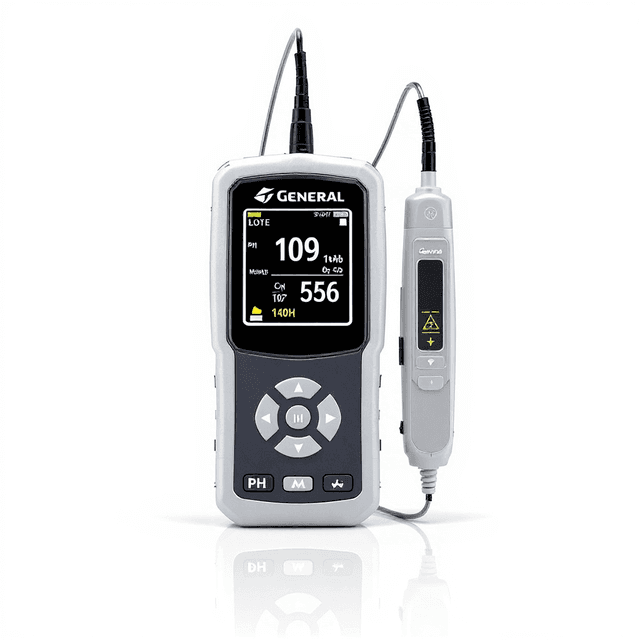
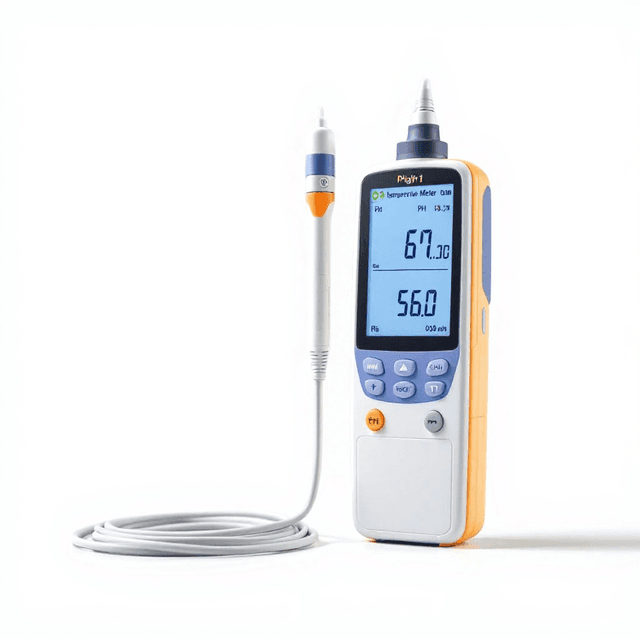
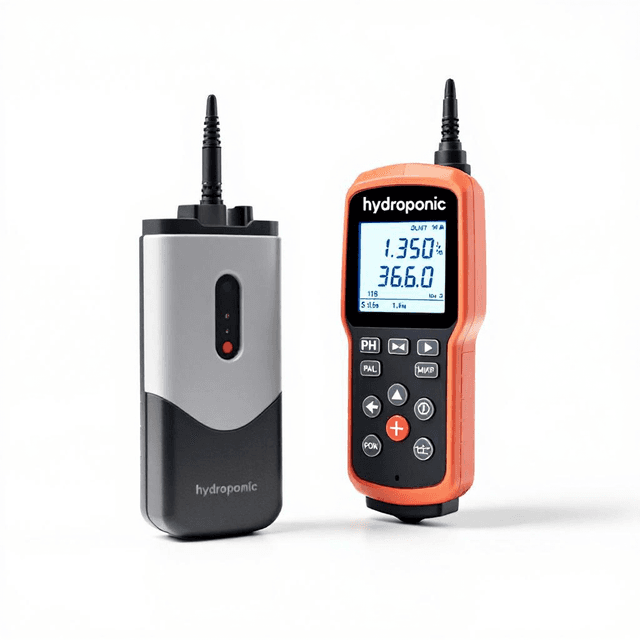
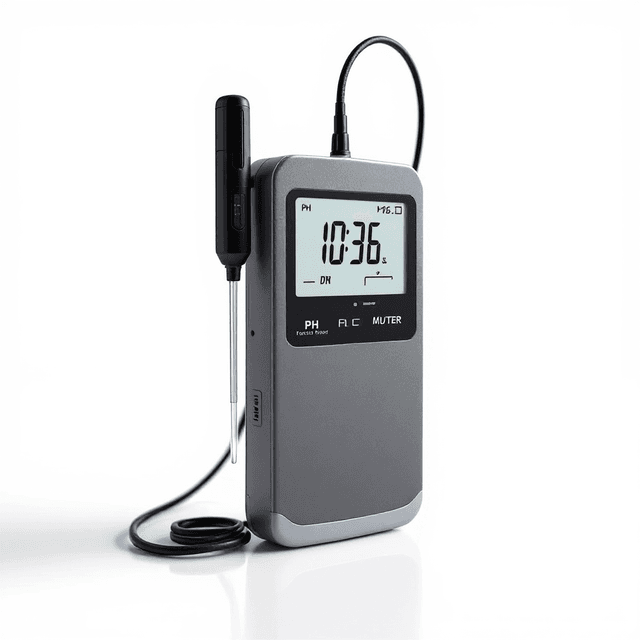
pH Tester
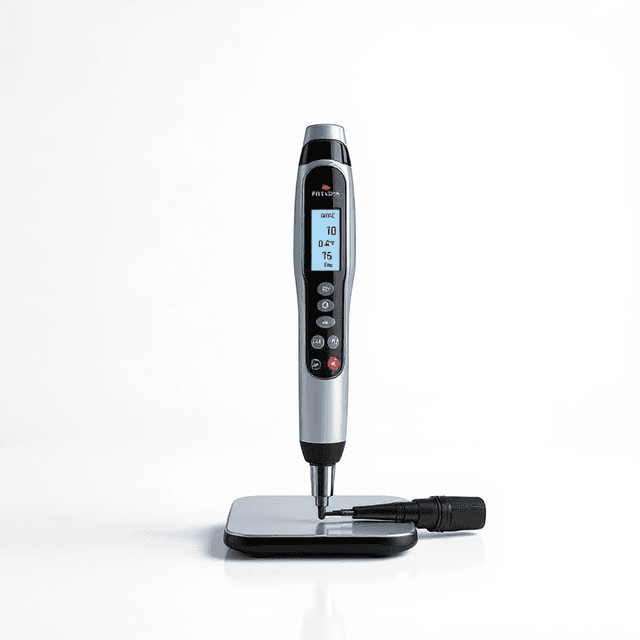
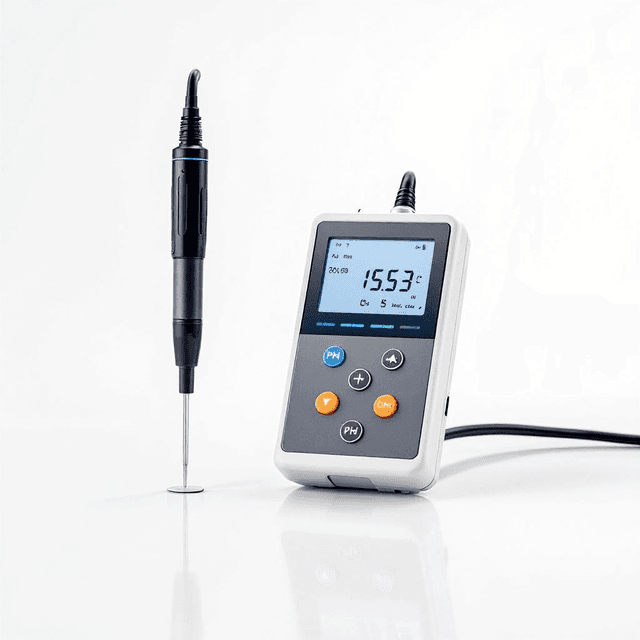
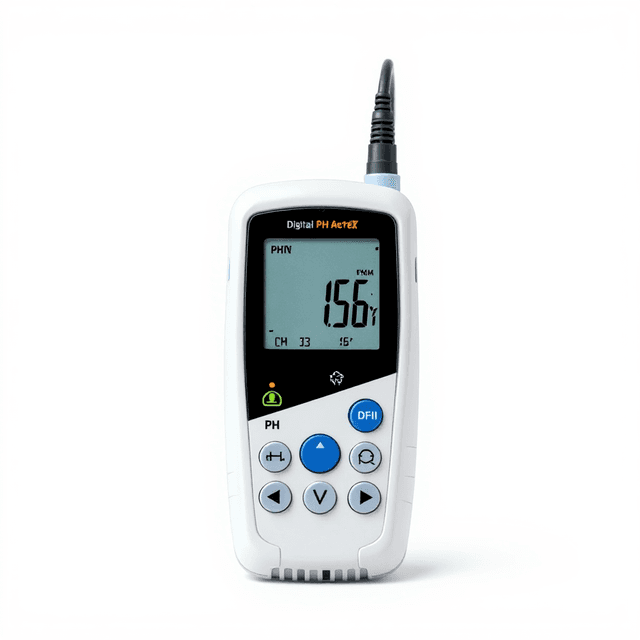
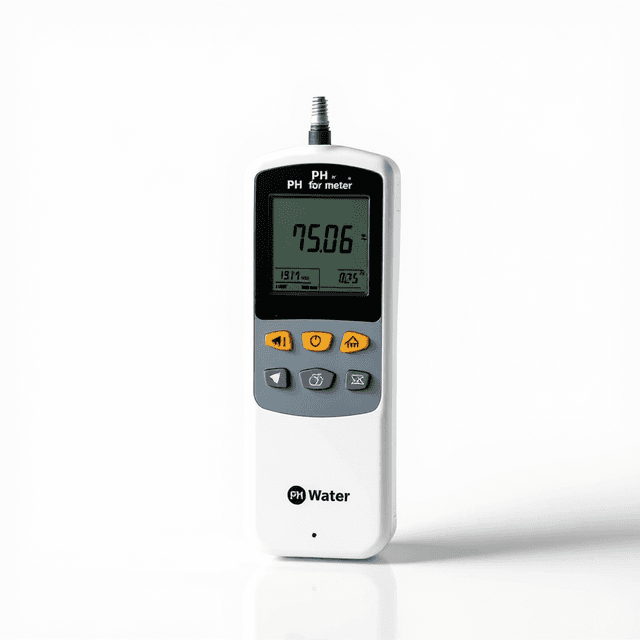
Digital pH meter with automatic temperature compensation, measuring 0.0-14.0 pH range with integrated temperature sensor and large LCD display for laboratory and field applications.

Louise Corscadden, PhD
Director of Science · ConductScience
Ask Louise about pH Tester fit, setup, configuration, or quote prep.
Already working with us? Sign in to connect this with My Scientist.
Key Specifications
Full details →- Model fit
- Configured during quote
- SKU family
- CS-LH-PH023
- Shipping box
- 20.0 x 10.0 x 5.0 cm
- Ordering
- Online checkout and quote request available
- Category
- pH Meters
- Build notes
- Confirm accessories, station layout, and support needs before purchase
The ConductScience pH Tester is a precision digital pH meter designed for quantitative pH measurement across laboratory and field applications. This instrument features automatic temperature compensation (ATC) from 0-50°C with an integrated temperature sensor, ensuring accurate pH readings across varying environmental conditions. The large LCD display provides clear digital readouts for pH measurements ranging from 0.0 to 14.0 pH units.
The compact, lightweight design facilitates portable pH monitoring in diverse research environments while maintaining measurement precision. The instrument incorporates high-sensitivity electrodes and digital signal processing to deliver reliable pH quantification for aqueous solutions, buffer systems, and environmental samples requiring pH characterization.
How It Works
The pH measurement principle relies on potentiometric detection using a glass electrode system. The pH-sensitive glass membrane generates a voltage potential proportional to the hydrogen ion activity in the sample solution. This electrochemical signal is compared against a stable reference electrode to determine the pH value through the Nernst equation relationship.
Automatic temperature compensation (ATC) accounts for the temperature dependence of electrode response and sample pH. The integrated temperature sensor continuously monitors sample temperature and applies mathematical correction factors to ensure accurate pH readings across the 0-50°C compensation range. The digital processing system converts the analog electrode signals to calibrated pH units displayed on the LCD screen.
The instrument requires periodic calibration using certified pH buffer standards to maintain measurement accuracy. Two-point or three-point calibration protocols establish the electrode response curve, compensating for electrode aging and drift effects.
Features & Benefits
Model
- ph
Model No.
- Test item
PH-0093
- pH
Temp
- 0-55ºC
Automation Level
- manual
Brand
- ConductScience
Research Domain
- Analytical Chemistry
- Cell Biology
- Environmental Monitoring
- Food Science
- Microbiology
- Pharmaceutical QC
Shipping weight
- 0.26 lb
Shipping box
- L: 20.0 cm
- W: 10.0 cm
- H: 5.0 cm
| Feature | This Product | Typical Alternative | Advantage |
|---|---|---|---|
| pH Measurement Range | 0.0-14.0 pH units | Entry-level models often provide 0-12 pH range | Full pH scale coverage accommodates extreme acidic and alkaline samples without range limitations. |
| Temperature Compensation Range | Automatic compensation 0-50°C | Basic models offer limited or manual temperature correction | Eliminates manual calculations and ensures measurement accuracy across laboratory and field temperature variations. |
| Temperature Measurement | 0-55°C measurement range with integrated sensor | Separate thermometer required for many portable pH meters | Simultaneous pH and temperature measurement streamlines data collection and reduces equipment requirements. |
| Display Technology | Large LCD digital display | Smaller displays or analog readouts in basic models | Clear numerical readouts improve data accuracy and reduce transcription errors during measurements. |
| Form Factor | Compact lightweight design | Benchtop units offer more features but lack portability | Enables pH measurement in field locations and confined laboratory spaces where benchtop instruments cannot operate. |
This pH tester combines laboratory-grade measurement precision with portable design, offering automatic temperature compensation and full pH scale coverage. The integrated temperature sensor and large display support efficient data collection across diverse research environments.
Practical Tips
Use fresh calibration buffers and perform calibration at sample temperature when possible for maximum accuracy.
Why: Buffer pH values are temperature-dependent, and calibration temperature affects electrode slope calculation.
Clean electrode regularly with mild detergent solution and avoid scratching the glass membrane surface.
Why: Protein buildup and surface damage reduce electrode sensitivity and increase response time.
Allow sufficient sample volume to completely cover the electrode tip and temperature sensor simultaneously.
Why: Incomplete sensor immersion causes measurement errors and prevents proper temperature compensation.
Record both pH and temperature values for each measurement to enable post-measurement temperature corrections if needed.
Why: Temperature data provides quality assurance information and enables validation of ATC performance.
If readings drift or respond slowly, check electrode condition and consider overnight soaking in storage solution.
Why: Dehydrated electrodes exhibit poor response characteristics that improve with proper rehydration.
Rinse electrode thoroughly between samples to prevent cross-contamination and chemical incompatibility reactions.
Why: Residual sample material can alter subsequent measurements and potentially damage electrode materials.
Verify calibration accuracy by measuring a third buffer standard not used in the calibration procedure.
Why: Independent verification confirms proper calibration and electrode linearity across the measurement range.
Store the instrument in a controlled environment and allow equilibration to room temperature before measurements.
Why: Temperature shock can affect electronic components and electrode stability, leading to measurement drift.
Setup Guide
What’s in the Box
- pH Tester main unit
- pH electrode with cable (typical)
- Temperature sensor probe (typical)
- Calibration buffer solutions (typical)
- Power adapter or battery compartment (typical)
- User manual and calibration certificate (typical)
- Protective carrying case (typical)
Warranty
ConductScience provides a standard one-year manufacturer warranty covering defects in materials and workmanship, with technical support available for calibration and measurement troubleshooting.
Compliance
What calibration frequency is recommended for maintaining measurement accuracy?
Calibrate daily for critical measurements or weekly for routine applications using certified pH 4.01 and 7.00 buffer standards, with three-point calibration including pH 10.01 for alkaline sample analysis.
How does automatic temperature compensation affect measurement precision?
ATC corrects for temperature-dependent electrode slope changes and sample pH variations, maintaining accuracy within ±0.1 pH units across the 0-50°C compensation range without manual corrections.
What electrode storage conditions preserve measurement performance?
Store pH electrode in appropriate storage solution (typically pH 4 buffer or 3M KCl) to maintain hydrated glass membrane and stable reference junction for consistent response.
Can this instrument measure pH in non-aqueous or low-conductivity samples?
Consult product datasheet for specific electrode compatibility; standard glass electrodes perform optimally in aqueous solutions with sufficient ionic strength for stable reference potential.
What factors influence measurement response time and stability?
Sample temperature, ionic strength, electrode age, and solution buffering capacity affect stabilization time; allow 30-60 seconds for reading stability in most aqueous samples.
How does this compare to pH indicator strips for quantitative analysis?
Digital pH measurement provides superior precision (±0.1 pH vs ±0.5 pH for strips), temperature compensation, and continuous monitoring capability required for quantitative research applications.
Have a question about this product?
Have a question? Just ask.
Send it over and we'll email you a personalized answer — no call, no scheduling.
Prefer to talk it through?