pH Metre
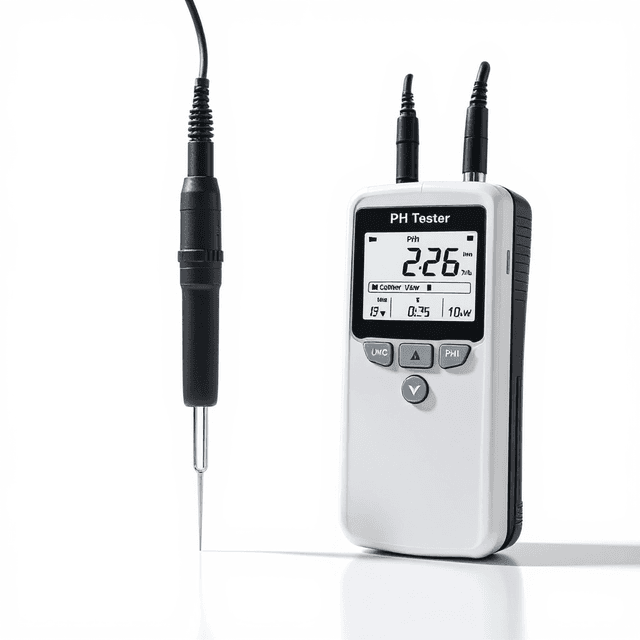
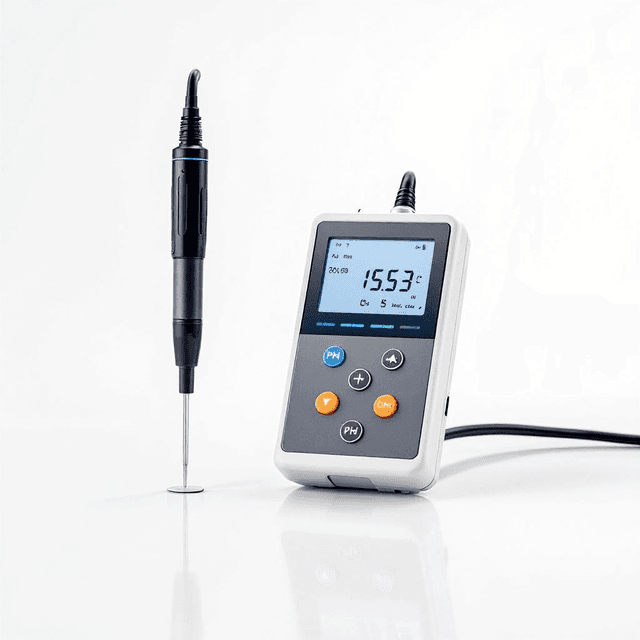
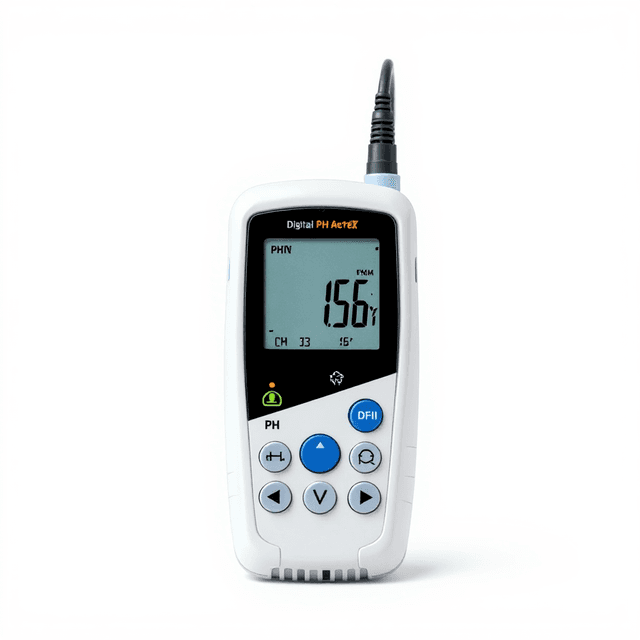
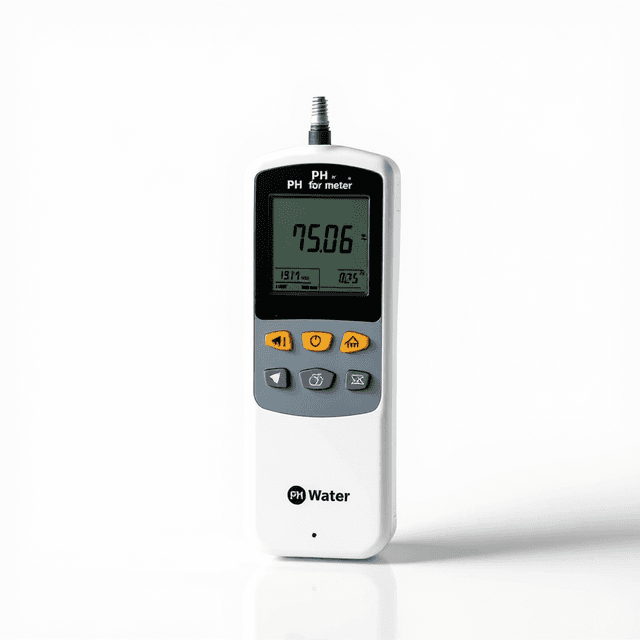
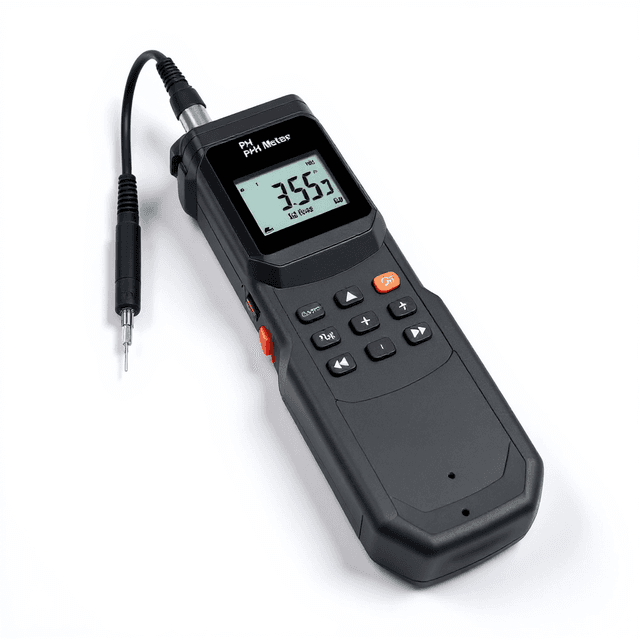
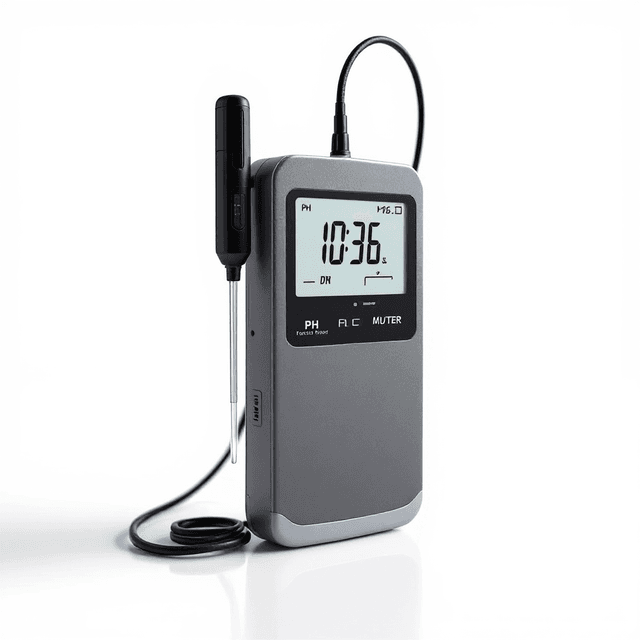
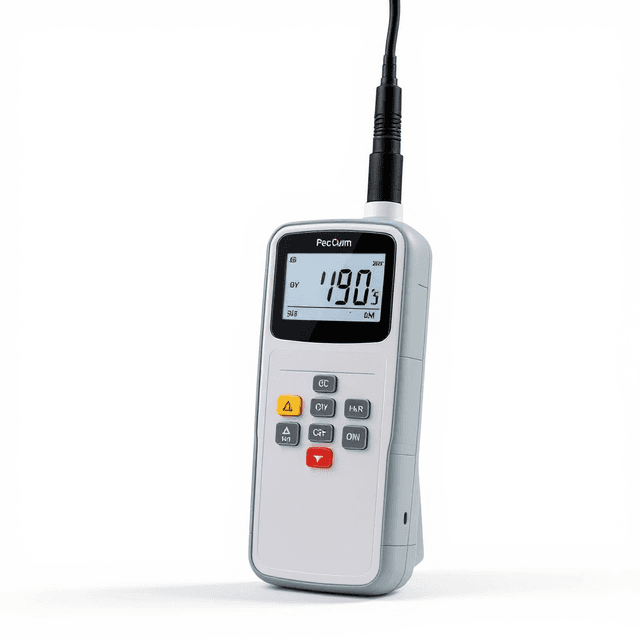
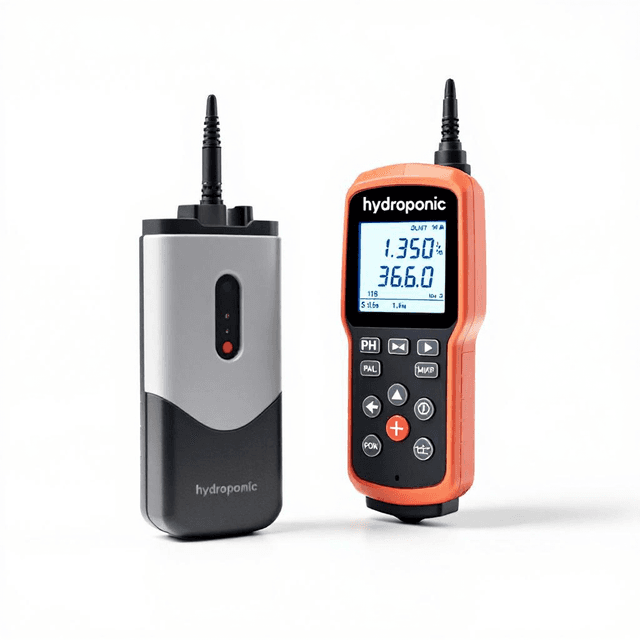
Portable digital pH meter with automatic temperature compensation, LCD display, and ±0.1 pH accuracy for laboratory and field pH measurements.

Louise Corscadden, PhD
Director of Science · ConductScience
Ask Louise about pH Metre fit, setup, configuration, or quote prep.
Already working with us? Sign in to connect this with My Scientist.
Key Specifications
Full details →- Model fit
- Configured during quote
- SKU family
- CS-LH-PH022
- Shipping box
- 20.0 x 10.0 x 5.0 cm
- Ordering
- Online checkout and quote request available
- Category
- pH Meters
- Build notes
- Confirm accessories, station layout, and support needs before purchase
The CS-LH-PH022 pH Meter is a portable digital instrument designed for accurate pH measurement in laboratory and field applications. This pen-style meter features automatic temperature compensation (ATC) from 0-50°C, digital LCD display with temperature readout, and ±0.1 pH unit accuracy. The instrument operates on AG-13 button cell batteries and incorporates 2-point calibration for enhanced measurement reliability.
The compact form factor and lightweight design enable convenient pH monitoring across diverse research environments while maintaining laboratory-grade precision. The integrated temperature sensor and ATC function ensure accurate measurements across varying thermal conditions, critical for maintaining measurement validity in temperature-sensitive protocols.
How It Works
The pH meter operates using a glass electrode system that generates a voltage proportional to hydrogen ion activity in solution. The glass membrane electrode develops a potential difference across its surface when in contact with aqueous solutions, following the Nernst equation relationship between electrode potential and pH. The reference electrode provides a stable voltage baseline for accurate pH determination.
Automatic temperature compensation adjusts the measurement based on solution temperature, accounting for the temperature dependence of the Nernst slope (approximately 59.16 mV/pH unit at 25°C). The digital circuitry processes the electrode signals and displays pH values on the LCD screen along with temperature readings. Two-point calibration using standard buffer solutions establishes the electrode response curve for accurate measurements across the pH range.
Features & Benefits
Model
- pH
Model No.
- Test item
PH-0093
- pH
Temp
- 0-55ºC
Automation Level
- manual
Brand
- ConductScience
Research Domain
- Analytical Chemistry
- Environmental Monitoring
- Food Science
- Industrial Hygiene
- Microbiology
- Pharmaceutical QC
Shipping weight
- 0.26 lb
Shipping box
- L: 20.0 cm
- W: 10.0 cm
- H: 5.0 cm
| Feature | This Product | Typical Alternative | Advantage |
|---|---|---|---|
| Measurement Accuracy | ±0.1 pH units | Entry-level models often provide ±0.2 pH accuracy | Higher precision enables reliable analytical measurements and quality control applications requiring accurate pH determination. |
| Temperature Compensation Range | Automatic 0-50°C | Basic models lack ATC or offer narrower temperature ranges | Automatic temperature correction ensures accurate measurements across varying laboratory and field conditions without manual adjustments. |
| Display Technology | Digital LCD with simultaneous pH and temperature display | Single-parameter display or analog readouts | Dual readout eliminates need for separate temperature measurement and reduces recording errors during data collection. |
| Calibration System | Two-point calibration capability | Single-point or fixed calibration systems | Two-point calibration provides better accuracy across the measurement range by correcting both offset and slope errors. |
| Power Source | AG-13 button cell batteries (4 pieces) | Rechargeable batteries or AC power only | Replaceable batteries enable continuous field operation without charging constraints and provide reliable power backup. |
This pH meter combines laboratory-grade ±0.1 accuracy with portable pen-style design and automatic temperature compensation. The dual-display LCD and two-point calibration system provide measurement reliability suitable for analytical applications while maintaining field portability.
Practical Tips
Calibrate using fresh buffer solutions at measurement temperature when possible, and perform two-point calibration weekly or after 100 measurements.
Why: Temperature-matched calibration and regular recalibration maintain measurement accuracy and compensate for electrode drift over time.
Clean electrode with appropriate cleaning solutions (protein remover, HCl, or KCl) monthly to remove fouling deposits from sample matrices.
Why: Electrode fouling reduces response time and accuracy, particularly with protein-containing or high-organic samples.
Rinse electrode with sample solution before measurement and allow 30-60 seconds for reading stabilization in each new sample.
Why: Pre-rinsing eliminates carryover effects while adequate equilibration time ensures accurate steady-state pH measurement.
If readings drift or respond slowly, check electrode junction for air bubbles or salt crystal deposits that may impede ionic contact.
Why: Junction problems disrupt the electrical circuit needed for pH measurement and can cause erratic or unstable readings.
Record sample temperature along with pH values, as pH measurement has inherent temperature dependence even with ATC correction.
Why: Temperature documentation enables data interpretation and helps identify measurement conditions that may affect sample chemistry.
Avoid measuring pH in samples containing hydrofluoric acid or strong alkaline solutions above pH 12, which can damage glass electrodes.
Why: HF etches glass electrodes while extreme alkaline conditions cause glass dissolution, both permanently damaging the sensing element.
Setup Guide
What’s in the Box
- pH meter main unit (typical)
- Protective electrode cap (typical)
- AG-13 button cell batteries (4 pieces) (typical)
- User manual and calibration instructions (typical)
- Calibration buffer solutions (pH 4.0 and 7.0) (typical)
Warranty
ConductScience provides a one-year manufacturer warranty covering defects in materials and workmanship, with technical support for calibration procedures and troubleshooting assistance.
Compliance
References
Background reading relevant to this product:
What is the expected electrode lifespan and replacement frequency?
Glass pH electrodes typically require replacement every 12-18 months with regular use, depending on sample types and storage conditions. Electrode drift beyond calibration range indicates replacement need.
How should the electrode be stored between measurements?
Store electrode in pH 4.0 buffer solution or 3M KCl storage solution to maintain glass membrane hydration. Never store in distilled water or allow the electrode to dry completely.
What buffer solutions are recommended for calibration?
Use NIST-traceable pH 4.0 and 7.0 buffers for two-point calibration. Add pH 10.0 buffer for extended range work. Replace buffers monthly or when contamination is suspected.
Can this meter measure samples with high ionic strength or temperature extremes?
The meter operates within 0-50°C temperature range with ATC. High ionic strength samples may require longer equilibration time. Consult product datasheet for specific conductivity limitations.
What maintenance procedures are required for optimal performance?
Rinse electrode with distilled water between samples, recalibrate weekly or after 100 measurements, and inspect electrode junction for clogging. Clean electrode surface gently with appropriate cleaning solutions.
How does measurement accuracy compare to benchtop pH meters?
This portable meter offers ±0.1 pH accuracy suitable for most analytical applications. Benchtop instruments may provide ±0.01 precision for specialized high-accuracy requirements.
Have a question about this product?
Have a question? Just ask.
Send it over and we'll email you a personalized answer — no call, no scheduling.
Prefer to talk it through?