Digital Pool pH Meter
Portable digital pH meter with 0.01 resolution, ±0.1 pH accuracy, and automatic temperature compensation for field and laboratory hydrogen ion concentration measurements across 0.00-14.00 pH range.

Louise Corscadden, PhD
Director of Science · ConductScience
Ask Louise about Digital Pool pH Meter fit, setup, configuration, or quote prep.
Already working with us? Sign in to connect this with My Scientist.
Key Specifications
Full details →- Model fit
- Configured during quote
- SKU family
- CS-LH-PH-031
- Shipping box
- 5.98 x 1.18 x 0.83 cm
- Ordering
- Online checkout and quote request available
- Category
- pH Meters
- Build notes
- Confirm accessories, station layout, and support needs before purchase
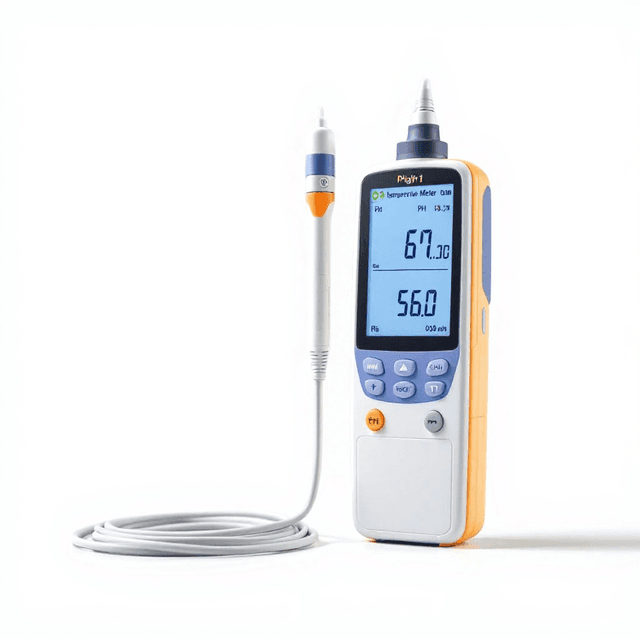
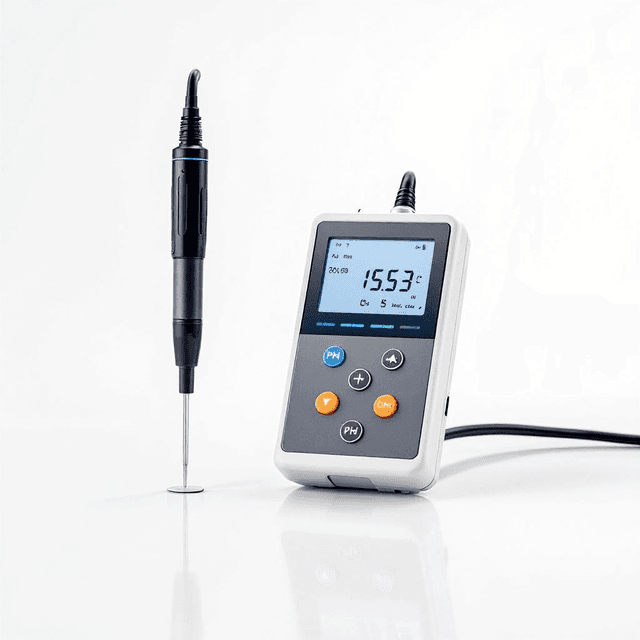
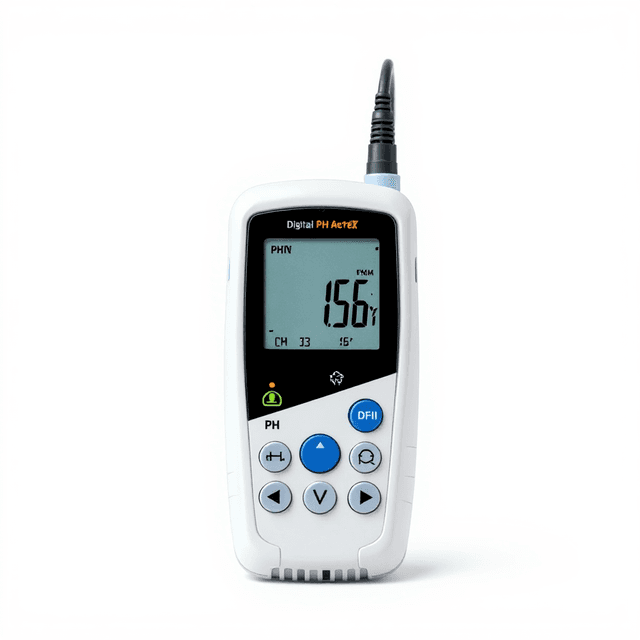
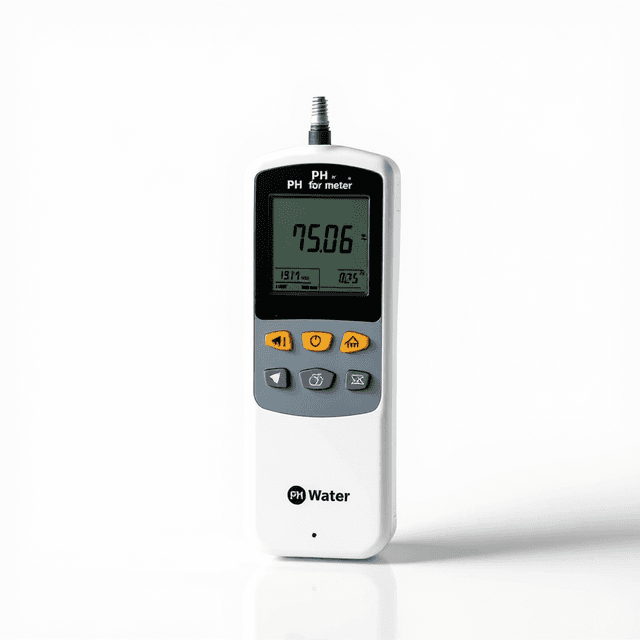
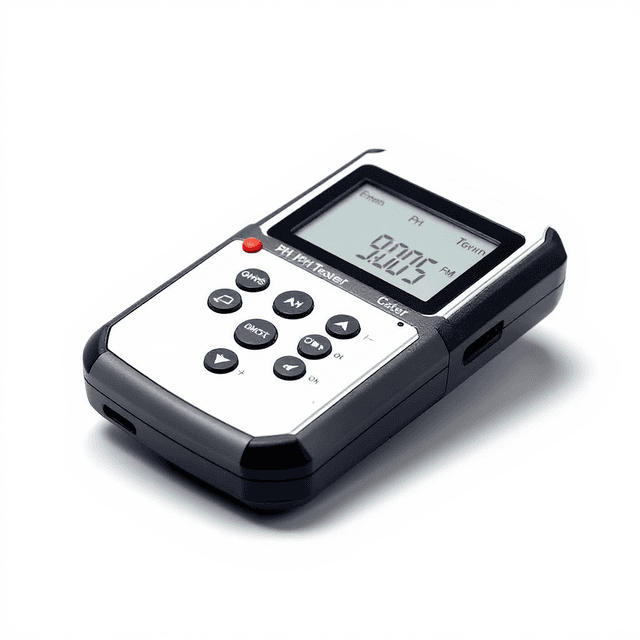
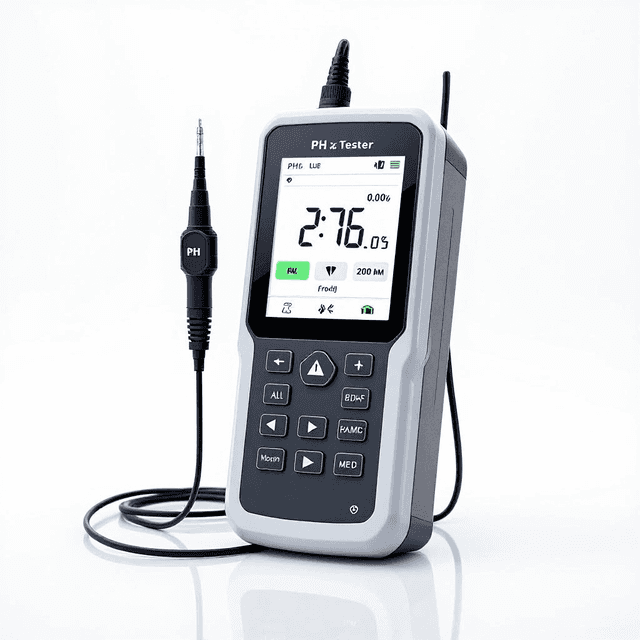
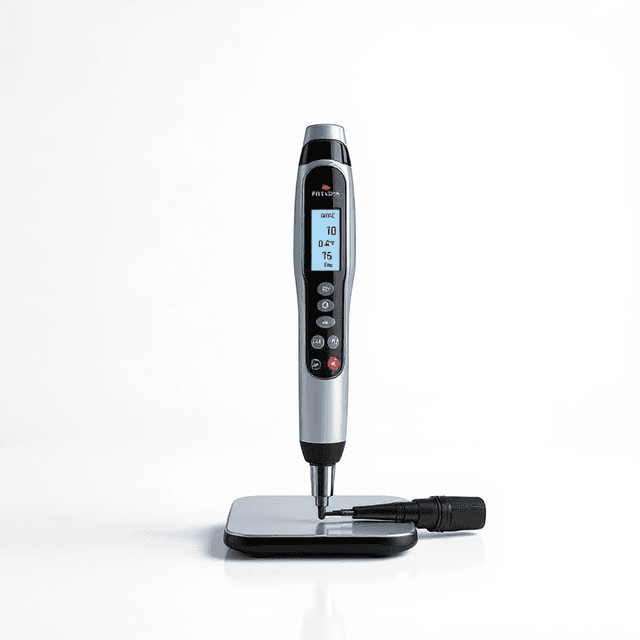
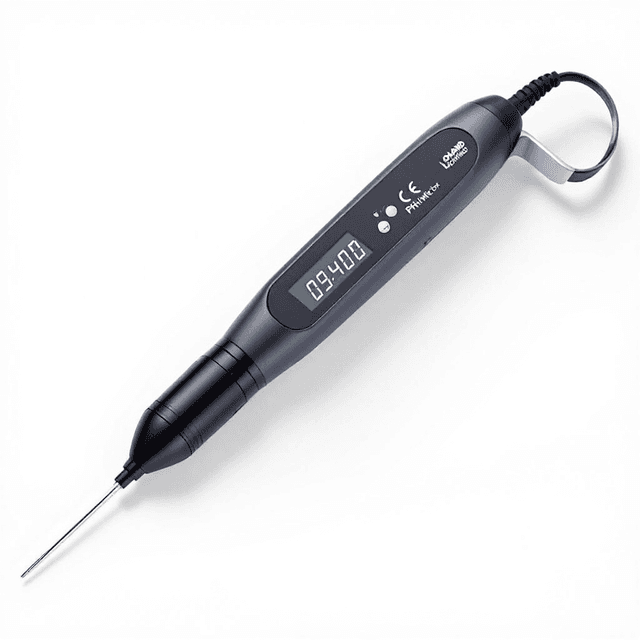
The Digital Pool pH Meter (Model PH-031) is a portable potentiometric pH measurement instrument designed for field and laboratory applications requiring accurate hydrogen ion concentration monitoring. This compact pen-style meter features a measurement range of 0.00-14.00 pH units with 0.01 pH resolution and ±0.1 pH accuracy, incorporating automatic temperature compensation (ATC) across 0-50°C to ensure reliable measurements across varying thermal conditions.
The instrument employs a glass electrode sensor system with manual single-point calibration capability, making it suitable for routine pH monitoring in aqueous solutions. With dimensions of 152×30×21 mm and weighing 50g, the meter provides portability for field measurements while maintaining laboratory-grade accuracy. The unit operates on dual CR2032 lithium batteries providing approximately 800 hours of continuous operation, and includes CE and RoHS certifications for regulatory compliance in laboratory environments.
How It Works
The Digital Pool pH Meter operates on potentiometric measurement principles, utilizing a glass electrode system that generates a voltage proportional to hydrogen ion activity in solution. The glass electrode membrane, composed of pH-sensitive glass, develops a potential difference across its surface when in contact with aqueous solutions, following the Nernst equation relationship between electrode potential and pH.
The instrument incorporates automatic temperature compensation (ATC) functionality using an integrated temperature sensor that adjusts pH readings based on the temperature coefficient of the electrode system and solution being measured. This compensation is critical because pH measurements are inherently temperature-dependent, with typical glass electrodes showing approximately 0.003 pH units change per degree Celsius.
Signal conditioning circuitry converts the high-impedance electrode potential to a digital pH reading displayed on the LCD. The single-point calibration system allows users to standardize the electrode response using a reference buffer solution, typically pH 7.0, with manual adjustment via the side-mounted trimmer to ensure measurement accuracy across the full 0.00-14.00 pH range.
Features & Benefits
Range
- 0.00-14.00
Research Domain
- Analytical Chemistry
- Environmental Monitoring
- Food Science
- Industrial Hygiene
- Microbiology
- Pharmaceutical QC
Model
- PH-031
pH calibration
- Manual, at one point
ATC
- 0-50°C
Battery type/Life
- 2*3V(CR2032), lithium battery, approximately 800 hours of continuous use
Safe certificate
- CE and RoHS
Working condition
- 0 to 50°C (32 to 122°F); RH max 95%
Feature
- High accuracy;With ATC
Automation Level
- manual
Brand
- ConductScience
Accuracy
- ±0.1pH
Dimensions
- 152*30*21 mm
Weight
- 50g
Shipping weight
- 0.11 lb
Shipping box
- L: 5.98 cm
- W: 1.18 cm
- H: 0.83 cm
| Feature | This Product | Typical Alternative | Advantage |
|---|---|---|---|
| pH Measurement Range | 0.00-14.00 pH | Entry-level meters often provide narrower ranges or lower resolution | Full pH scale coverage accommodates strongly acidic to basic solutions encountered in diverse research applications. |
| Measurement Resolution | 0.01 pH | Basic meters may offer 0.1 pH resolution | Higher resolution enables detection of small pH changes critical in quality control and research applications. |
| Temperature Compensation | Automatic 0-50°C range | Manual compensation or limited temperature ranges | Eliminates user error in temperature correction and ensures accurate measurements across typical laboratory and field conditions. |
| Battery Life | 800 hours continuous operation | Shorter battery life requiring frequent replacement | Extended operational time reduces maintenance interruptions during field studies and routine laboratory work. |
| Portability | 152×30×21 mm, 50g | Larger form factors or heavier instruments | Compact design enables easy transport for field measurements while maintaining professional measurement capabilities. |
The PH-031 combines laboratory-grade accuracy with portable design, offering automatic temperature compensation and extended battery life in a compact form factor. The instrument provides reliable pH measurement capabilities suitable for both field and laboratory applications requiring quantitative hydrogen ion concentration analysis.
Practical Tips
Perform single-point calibration using fresh pH 7.0 buffer before each measurement session.
Why: Regular calibration maintains measurement accuracy and compensates for electrode drift over time.
Rinse the electrode with distilled water between samples and store with the protective cap.
Why: Prevents cross-contamination and protects the fragile glass electrode membrane from damage.
Allow measurements to stabilize for 30-60 seconds before recording readings, especially in temperature-variant samples.
Why: Temperature compensation and electrode equilibration require time for accurate pH determination.
If readings drift or respond slowly, clean the electrode with mild detergent solution and recalibrate.
Why: Electrode fouling from proteins, oils, or precipitates can impair response time and accuracy.
Record sample temperature along with pH readings for quality control documentation.
Why: Temperature data enables verification of ATC performance and provides complete measurement traceability.
Avoid immersing the meter body in liquids; only the electrode tip should contact sample solutions.
Why: The electronic components are not waterproof and liquid ingress can damage the measurement circuitry.
Pre-condition the electrode in samples with similar ionic strength when measuring low-conductivity solutions.
Why: Electrode junction potential stabilizes faster in solutions with comparable ionic environments.
Monitor battery voltage indicator and replace CR2032 batteries when readings become unstable.
Why: Low battery voltage affects measurement accuracy and can cause erratic display behavior.
Setup Guide
What’s in the Box
- PH-031 Digital pH Meter
- Protective electrode cap
- Two CR2032 lithium batteries (typical)
- User manual and calibration instructions (typical)
- pH 7.0 calibration buffer packets (typical)
Warranty
ConductScience provides a standard one-year manufacturer warranty covering defects in materials and workmanship, with technical support available for calibration procedures and troubleshooting assistance.
Compliance
References
Background reading relevant to this product:
What calibration buffers are recommended for optimal accuracy?
The meter features single-point calibration designed for pH 7.0 buffer. For applications requiring higher accuracy across the full range, consider two-point calibration using pH 4.0 and 10.0 buffers with manual adjustment at the midpoint.
How does temperature compensation affect measurement accuracy?
The ATC system operates from 0-50°C and automatically adjusts for temperature-dependent electrode response. Manual temperature correction may be needed outside this range or for high-precision applications requiring specific temperature coefficients.
What is the typical electrode lifespan and replacement procedure?
Glass electrode lifespan varies with usage but typically ranges 6-18 months with proper care. Consult product datasheet for electrode replacement procedures and compatible replacement sensors.
Can this meter measure pH in non-aqueous or viscous solutions?
The glass electrode is designed for aqueous solutions. Performance in organic solvents, oils, or highly viscous media may be compromised due to junction potential effects and electrode response limitations.
How should I store the electrode between measurements?
Store with the protective cap in place in a clean, dry environment. For extended storage, some users maintain electrodes in pH 7.0 buffer or 3M KCl solution to preserve electrode membrane hydration.
What is the measurement response time for this instrument?
Response time depends on sample temperature, ionic strength, and electrode condition. Typical stabilization occurs within 30-60 seconds in standard buffer solutions, longer in samples with extreme pH or low ionic strength.
How does this compare to laboratory bench-top pH meters?
This portable meter provides similar accuracy (±0.1 pH) to many bench meters but with single-point calibration and manual temperature compensation. Bench meters typically offer multi-point calibration, data logging, and enhanced temperature control.
Have a question about this product?
Have a question? Just ask.
Send it over and we'll email you a personalized answer — no call, no scheduling.
Prefer to talk it through?
Accessories
Enhance your setup with compatible accessories