Ppm Meter
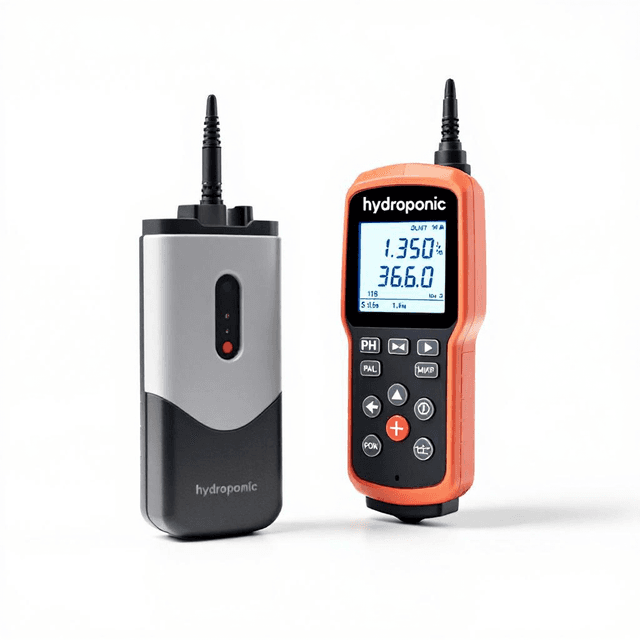
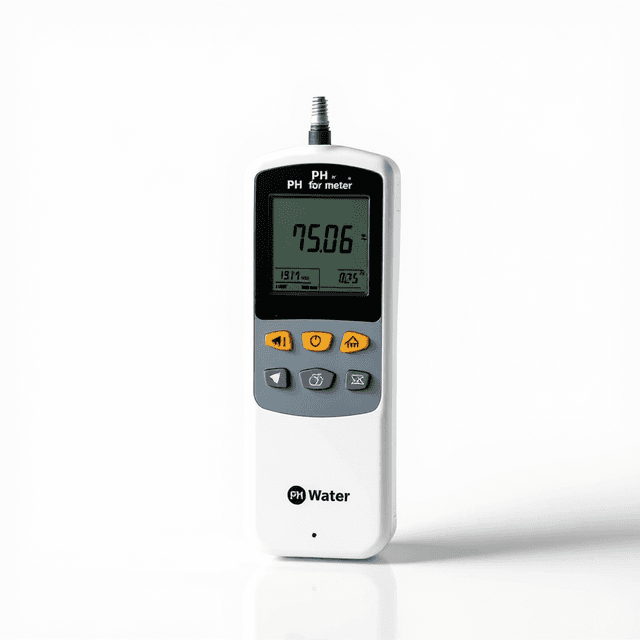
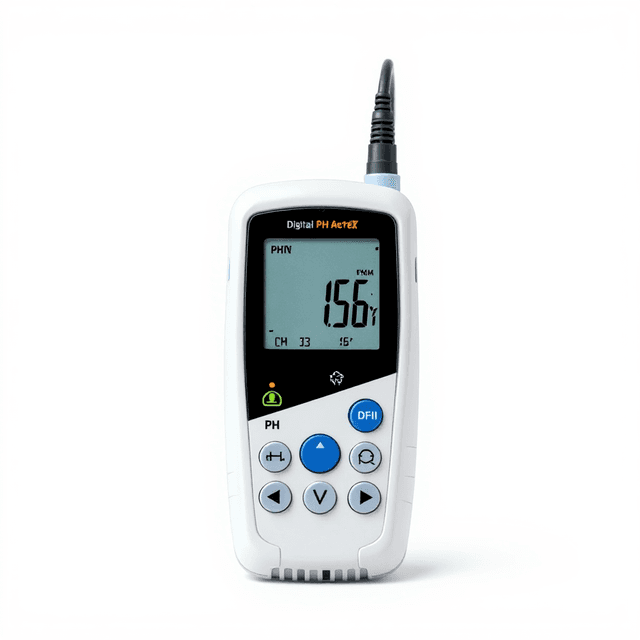
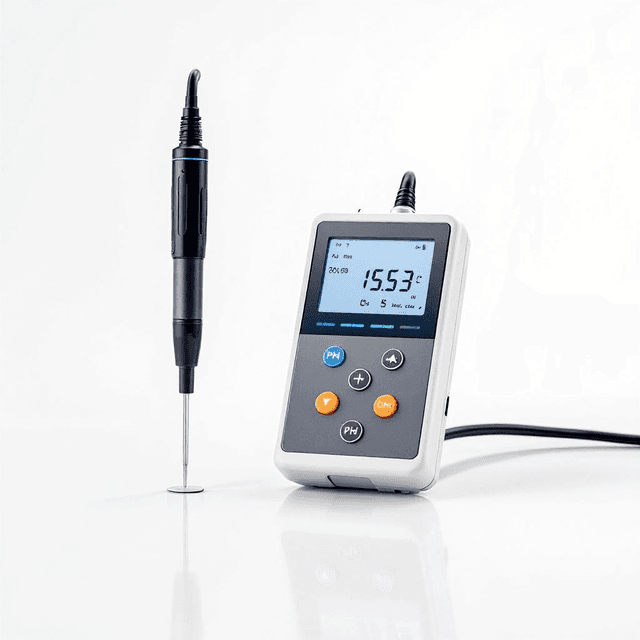
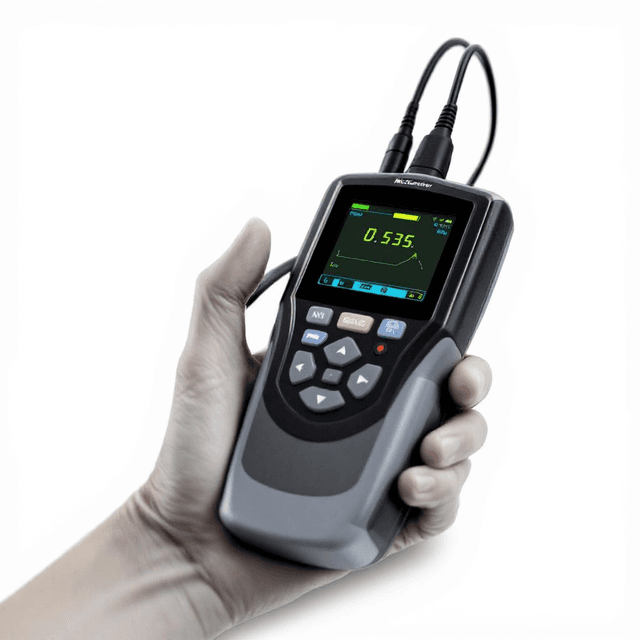
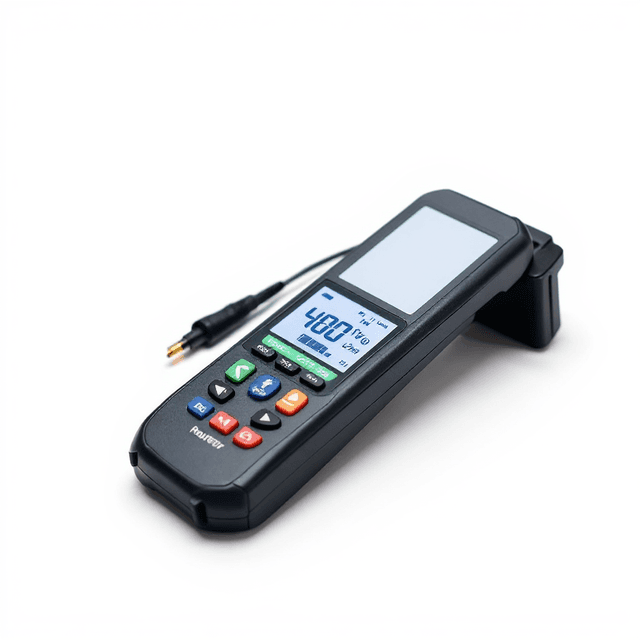
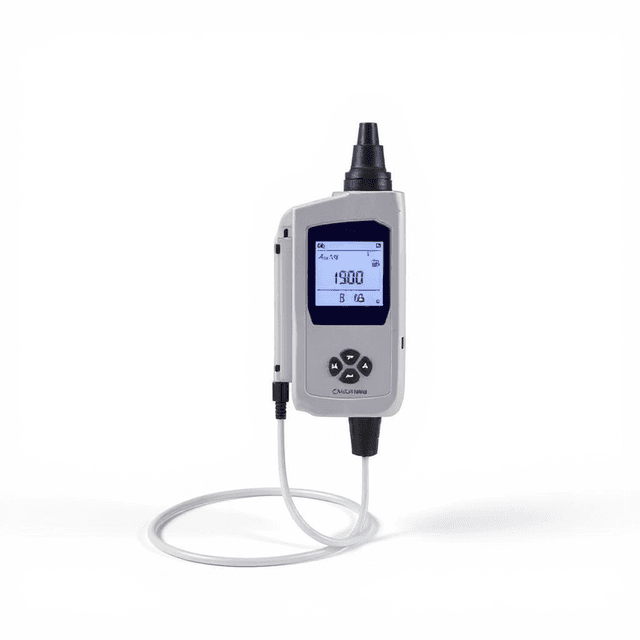
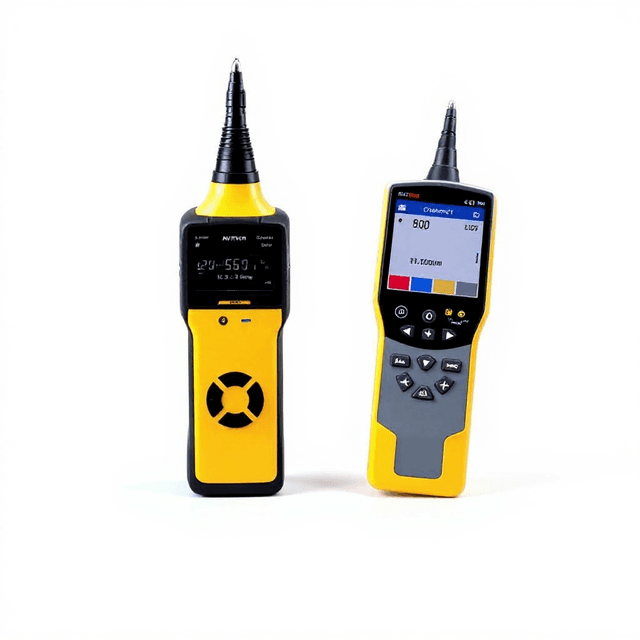
Handheld TDS meter measuring dissolved solids 0-1999 ppm with ±2% accuracy, featuring automatic temperature compensation and replaceable electrode for water quality analysis.

Louise Corscadden, PhD
Director of Science · ConductScience
Ask Louise about Ppm Meter fit, setup, configuration, or quote prep.
Already working with us? Sign in to connect this with My Scientist.
Key Specifications
Full details →- Model fit
- Configured during quote
- SKU family
- CS-LH-TDS-2016
- Shipping box
- 20.0 x 10.0 x 5.0 cm
- Ordering
- Online checkout and quote request available
- Category
- Portable Analyzers
- Build notes
- Confirm accessories, station layout, and support needs before purchase
The TDS-2016 Total Dissolved Solids meter provides quantitative measurement of dissolved ionic species in aqueous solutions through conductivity-based analysis. This handheld instrument measures TDS concentrations from 0-1999 ppm with ±2% full-scale accuracy, incorporating automatic temperature compensation to maintain measurement reliability across varying thermal conditions. The unit features an adjustable TDS conversion factor to accommodate different solution types and a replaceable electrode module for extended operational life.
Designed for laboratory and field applications requiring rapid water quality assessment, the TDS-2016 operates across a temperature range of 0-50°C with automatic 10-minute power shutdown for battery conservation. The hold function enables stable reading capture for documentation, while the temperature compensation algorithm corrects for conductivity variations inherent in electrochemical measurements. This instrument serves as a primary screening tool for dissolved solids content in research protocols requiring water quality characterization.
How It Works
The TDS-2016 operates on the principle that dissolved ionic species increase solution conductivity proportionally to their concentration. The instrument applies a known voltage across platinum or graphite electrodes immersed in the sample, measuring the resulting current flow. This conductivity measurement is converted to TDS concentration using a predetermined conversion factor, typically 0.5-1.0 depending on the dominant ionic species present.
Automatic temperature compensation corrects for the thermal coefficient of conductivity, as ionic mobility increases approximately 2% per degree Celsius. The internal algorithm references the measured temperature to 25°C, applying a correction factor to maintain accuracy across the 0-50°C operating range. The adjustable conversion factor allows optimization for specific solution types, as different dissolved species exhibit varying conductivity-to-mass relationships.
The replaceable electrode module houses the conductivity cell and temperature sensor in a single unit. Electrode fouling or damage affects measurement accuracy, making replacement capability essential for maintaining calibration integrity in routine analytical work.
Features & Benefits
Model
- TDS-2016
Name
- TDS METER
Type
- Water quality analyzer
Measuring range
- TDS: 0-1999ppm (mg/L)
Auto Shut off
- 10 minutes
Operating Temperature
- 0°C~50°C
Accessories
- 1 TDS meter2 batteries (included)1 manual
Applied range
- TDS meter is a easy tool for testing the level of water quality, popular in water deal industry, household, travlling, and etc.
Usage Situation
- drinking water, water filters, hydroponics, aquariums, food & coffee, pools & spas.
Test Item
- Heavy metals, turbidity, total hardness, dissolved oxygen, TDS
Automation Level
- manual
Brand
- ConductScience
Accuracy
- TDS: ±2%(F.S)
Research Domain
- Analytical Chemistry
- Environmental Monitoring
- Food Science
- Industrial Hygiene
- Materials Science
- Microbiology
Shipping weight
- 0.03 lb
Shipping box
- L: 20.0 cm
- W: 10.0 cm
- H: 5.0 cm
| Feature | This Product | Typical Alternative | Advantage |
|---|---|---|---|
| Measurement Range | 0-1999 ppm TDS measurement range | Entry-level models often limited to 1000 ppm maximum range | Extended range accommodates moderately mineralized samples without dilution requirements in environmental monitoring. |
| Temperature Compensation | Automatic temperature compensation across 0-50°C range | Manual compensation or limited temperature range in basic models | Maintains accuracy across varying sample temperatures without calculation overhead in field applications. |
| Conversion Factor Adjustment | Adjustable TDS conversion factor for solution optimization | Fixed conversion factors limit accuracy with diverse sample types | Enables method optimization for specific ionic compositions encountered in specialized research applications. |
| Electrode Design | Replaceable electrode module for maintenance efficiency | Integrated electrodes require complete instrument replacement | Reduces long-term operating costs and eliminates downtime when electrode fouling occurs during routine analysis. |
| Power Management | 10-minute auto-power off with battery operation | Shorter battery life or no auto-shutdown in portable models | Extended field operation capability for environmental sampling and remote site analysis applications. |
The TDS-2016 combines extended measurement range with automatic temperature compensation and replaceable electrode design, optimizing accuracy and operational efficiency for water quality assessment applications.
Practical Tips
Verify calibration using certified reference standards that bracket your expected sample range, particularly when switching between different solution types.
Why: Calibration drift varies with electrode age and sample matrix, requiring periodic verification for quantitative accuracy.
Rinse electrode thoroughly with deionized water between samples and store with protective cap to prevent contamination and drying.
Why: Electrode fouling and evaporation residues create measurement bias and reduce electrode lifespan significantly.
Allow samples to equilibrate to room temperature before measurement or ensure temperature compensation is functioning properly.
Why: Large temperature differences can overwhelm compensation algorithms and create thermal gradients affecting conductivity uniformity.
If readings appear erratic, check for air bubbles on electrode surface and ensure complete immersion in sample solution.
Why: Air bubbles create measurement artifacts by reducing effective electrode surface area and disrupting current flow paths.
Record both TDS reading and sample temperature for each measurement to enable post-analysis verification of compensation accuracy.
Why: Temperature data allows identification of compensation failures and provides traceability for measurement validation protocols.
Avoid measuring samples containing strong acids or bases that may damage electrode materials or compromise measurement accuracy.
Why: Extreme pH conditions can corrode electrode surfaces and alter conductivity relationships beyond instrument specifications.
Adjust the conversion factor based on the dominant ionic species in your samples - use 0.5 for sodium chloride solutions and 0.7-1.0 for mixed electrolytes.
Why: Different ions exhibit varying conductivity-to-mass ratios, affecting the accuracy of TDS calculations from conductivity measurements.
For consistent results, use the hold function to capture stable readings rather than attempting to record fluctuating values during measurement.
Why: Electrochemical measurements require equilibration time, and the hold function ensures documentation of stabilized values for reproducible data.
Setup Guide
What’s in the Box
- TDS-2016 meter with integrated electrode
- 2 batteries (included)
- User manual with calibration procedures
- Protective electrode cap (typical)
- Calibration certificate (typical)
Warranty
ConductScience provides a standard one-year manufacturer warranty covering defects in materials and workmanship, with technical support for calibration and operational guidance.
Compliance
What is the relationship between conductivity and TDS measurement accuracy?
The conversion factor correlates conductivity to dissolved mass, typically 0.5-1.0 depending on ionic composition. Monovalent salts like NaCl use ~0.5, while mixed electrolytes may require 0.7-1.0. Calibrate with solutions of known composition for optimal accuracy.
How does temperature compensation affect measurement precision?
Temperature compensation corrects for the ~2% per °C conductivity increase with temperature. The algorithm normalizes readings to 25°C, maintaining accuracy within specified limits across the 0-50°C range without manual correction.
When should the electrode module be replaced?
Replace when calibration drift exceeds ±5%, readings become unstable, or response time increases significantly. Typical lifetime depends on sample types and cleaning protocols, generally 6-12 months with regular use.
What sample volume is required for accurate measurement?
Electrode must be fully immersed with sufficient volume for thermal equilibration. Minimum 50-100 mL recommended to prevent thermal shock and ensure representative sampling of heterogeneous solutions.
How does this compare to laboratory conductivity meters?
Portable design trades some precision for convenience. Laboratory meters typically offer 0.1% accuracy vs. 2% for this unit, but lack field portability and rapid screening capability for multiple sample analysis.
Can this instrument measure non-aqueous solutions?
Designed for aqueous solutions only. Organic solvents and non-polar liquids have different conductivity relationships and may damage the electrode or provide inaccurate readings.
What maintenance is required between measurements?
Rinse electrode with deionized water, blot dry, and store with protective cap. For contaminated samples, additional cleaning with appropriate solvents may be necessary to prevent cross-contamination.
How do I verify measurement accuracy in routine use?
Use certified reference standards of known TDS concentration for periodic verification. Standards should bracket expected sample range and be measured under similar temperature conditions as samples.
Have a question about this product?
Have a question? Just ask.
Send it over and we'll email you a personalized answer — no call, no scheduling.
Prefer to talk it through?
Frequently Bought Together