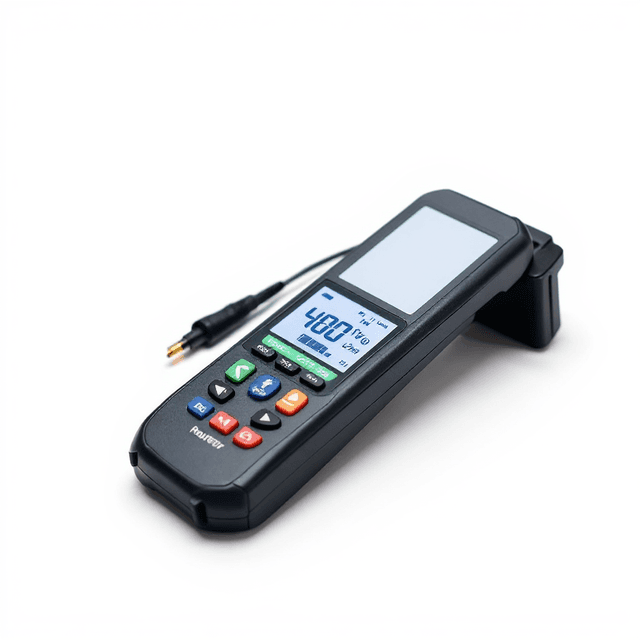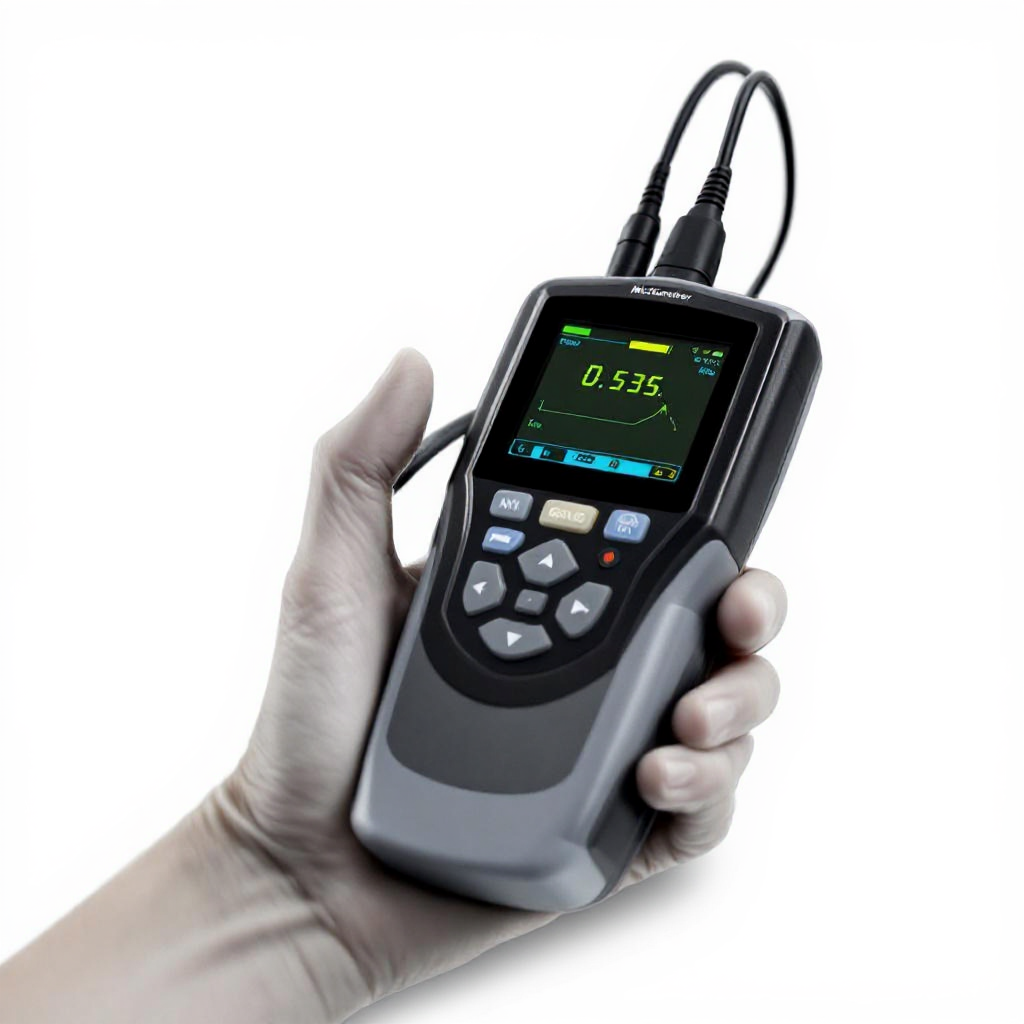
Multiparameter Portable Colorimeter
Dual-parameter portable colorimeter for simultaneous ammonia nitrogen (0.00-5.00 mg/L) and total phosphorus (0.00-2.00 mg/L) analysis using Nessler’s reagent colorimetry with ±5% accuracy.

Louise Corscadden, PhD
Director of Science · ConductScience
Ask Louise about Multiparameter Portable Colorimeter fit, setup, configuration, or quote prep.
Already working with us? Sign in to connect this with My Scientist.
Key Specifications
Full details →- Model fit
- Configured during quote
- SKU family
- CS-LH-NP2
- Shipping box
- 98.43 x 39.37 x 1.02 cm
- Ordering
- Online checkout and quote request available
- Category
- Portable Analyzers
- Build notes
- Confirm accessories, station layout, and support needs before purchase
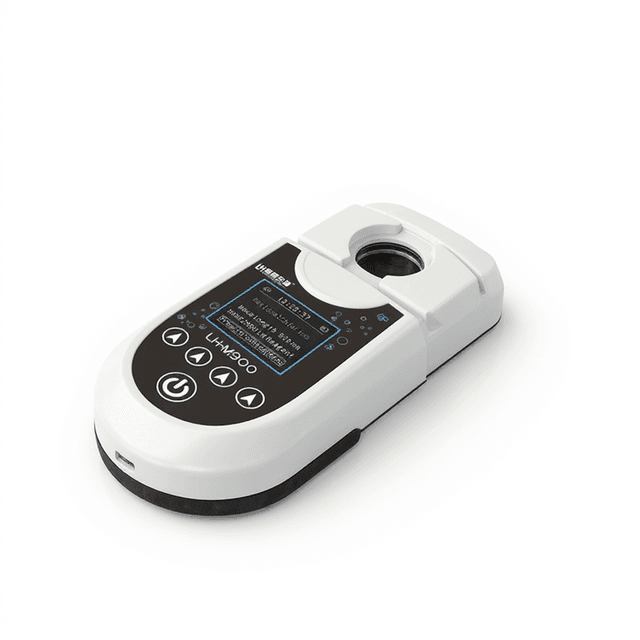
The Multiparameter Portable Colorimeter LH-NP2 provides quantitative analysis of ammonia nitrogen and total phosphorus in water samples using established colorimetric methods. The instrument employs Nessler's reagent colorimetry for ammonia nitrogen determination, generating measurable yellow coloration proportional to analyte concentration. Operating at dual wavelengths (470-475nm for ammonia nitrogen, 620-625nm for total phosphorus), the system delivers ±5% accuracy across measurement ranges of 0.00-5.00 mg/L for ammonia nitrogen and 0.00-2.00 mg/L for total phosphorus.
The portable design incorporates an advanced microprocessor chip with specialized optical colorimetric cuvettes and high-accuracy silicon photocell sensors. Battery operation (9V) provides over 40 hours of continuous use through power-saving functionality. The instrument includes complete reagent sets for immediate field deployment: ammonia nitrogen activator (2 bottles), total phosphorus activator (1 bottle), TP reagent bags, and specialized cuvettes for both parameters. This configuration enables on-site water quality assessment in environmental monitoring, industrial process control, and laboratory verification applications.
How It Works
The LH-NP2 employs single-wavelength colorimetric determination based on Beer-Lambert law principles. For ammonia nitrogen analysis, the instrument utilizes Nessler's reagent colorimetry, where ammonia in alkaline solution reacts with potassium tetraiodomercurate to form a stable yellow complex. Light absorption at 470-475nm wavelength is directly proportional to ammonia nitrogen concentration. The specialized optical system directs monochromatic light through the sample cuvette to silicon photocell sensors that convert optical signals to digital readings.
Total phosphorus measurement operates at 620-625nm wavelength following sample digestion to convert organophosphorus and polyphosphates to orthophosphate. The orthophosphate then reacts with molybdate reagent under acidic conditions to form phosphomolybdate complexes that produce measurable color intensity. The microprocessor chip processes optical signals from both channels, applying calibration algorithms to convert absorbance values to concentration units displayed directly in mg/L.
The instrument's optical design incorporates temperature compensation and drift correction to maintain measurement stability across the 0-40°C operating range. Power management circuitry enables extended field operation while preserving measurement accuracy through regulated LED light source control.
Features & Benefits
Model
- LH-NP2
Product name
- Multiparameter Portable colorimeter
Test item
- Ammonia nitrogen;total phosphorus
Measuring range
- 0.00~5.00mg/l(Ammonia nitrogen)0.00~2.00mg/l(total phosphorus)
Light source
- LCD
Wavelength
- 470~475nm(Ammonia nitrogen)620~625nm(total phosphorus)
Test method
- Ammonia nitrogen:Nesslerâs reagent colorimetry.Solution with reagent and ammonia nitrogen turns yellow.
Working condition
- 0~40âï¼Rh:0-90%
Automation Level
- manual
Brand
- ConductScience
Accuracy
- ±5%
Dimensions
- 180mm*68mm*26mm
Weight
- 220g
Research Domain
- Analytical Chemistry
- Environmental Monitoring
- Food Science
- Industrial Hygiene
- Microbiology
- Pharmaceutical QC
Shipping weight
- 0.15 lb
Shipping box
- L: 98.43 cm
- W: 39.37 cm
- H: 1.02 cm
| Feature | This Product | Typical Alternative | Advantage |
|---|---|---|---|
| Measurement Parameters | Dual-parameter analysis (ammonia nitrogen + total phosphorus) | Many portable colorimeters offer single-parameter analysis | Reduces equipment needs and simplifies field protocols when monitoring both nutrients simultaneously. |
| Ammonia Nitrogen Range | 0.00-5.00 mg/L with ±5% accuracy | Entry-level instruments may have limited upper range or reduced accuracy | Covers typical environmental concentrations without sample dilution while maintaining laboratory-grade precision. |
| Battery Life | 40+ hours continuous operation on 9V battery | Portable instruments often provide 8-20 hours operation | Enables extended field campaigns and reduces battery replacement frequency during multi-day sampling events. |
| Analytical Method | EPA-recognized Nessler's reagent colorimetry | Some instruments use non-standard or proprietary methods | Provides regulatory acceptance and method comparability with established water quality monitoring protocols. |
| Physical Design | Compact 220g weight with integrated carrying case | Larger instruments may exceed 500g or lack protective cases | Facilitates easy transport to remote sampling locations and protects instrument during field operations. |
| Complete Kit Provision | Includes all reagents, cuvettes, and accessories for immediate use | Many systems require separate reagent purchases or additional accessories | Eliminates procurement delays and ensures reagent compatibility for immediate operational deployment. |
The LH-NP2 offers dual-parameter analytical capability in a lightweight portable format with extended battery life and complete reagent provision. The EPA-recognized Nessler method provides regulatory acceptance while the 5.00 mg/L upper range accommodates diverse environmental samples without dilution requirements.
Practical Tips
Perform daily blank calibration using freshly prepared distilled water to account for optical system drift and ambient temperature effects.
Why: Environmental conditions and LED aging can affect baseline readings, compromising measurement accuracy.
Clean cuvettes immediately after use with dilute acid solution followed by distilled water rinse to prevent reagent residue buildup.
Why: Protein and mineral deposits on cuvette walls create light scattering that interferes with optical measurements.
Allow color development reactions to proceed for the specified time period and measure within the recommended window to ensure consistent results.
Why: Incomplete or excessive reaction time leads to under- or over-estimation of analyte concentrations.
Handle Nessler's reagent with appropriate personal protective equipment as it contains mercury compounds requiring special disposal procedures.
Why: Mercury exposure poses health risks and requires compliance with hazardous waste disposal regulations.
If readings appear unstable, check battery voltage and ensure cuvettes are properly seated in the optical chamber without air bubbles.
Why: Low battery voltage affects LED output stability while air bubbles create optical interference.
Run duplicate measurements on quality control standards at the beginning and end of each sampling session to verify instrument performance.
Why: Regular QC checks detect analytical drift and validate measurement reliability for regulatory compliance.
Store the instrument in the provided case with silica gel desiccant when operating in high-humidity environments.
Why: Moisture condensation on internal optics degrades measurement precision and can damage electronic components.
Verify measurement accuracy using certified reference standards when beginning analysis of a new water matrix or after extended storage periods.
Why: Matrix effects and instrument drift can introduce systematic errors that compromise data quality.
Setup Guide
What’s in the Box
- Multiparameter Portable Colorimeter LH-NP2 main unit
- Ammonia nitrogen activator reagent (2 bottles)
- Total phosphorus activator reagent (1 bottle)
- TP reagent bags
- Specialized optical cuvettes (2 pieces)
- 9V battery
- Sampling bottle
- Sampling straw
- Cleaning cloth
- User manual
- Plastic carrying case
Warranty
ConductScience provides a 1-year manufacturer warranty covering defects in materials and workmanship, with comprehensive technical support for calibration procedures and troubleshooting assistance.
Compliance
What is the detection limit for ammonia nitrogen using this colorimeter?
The instrument measures ammonia nitrogen from 0.00-5.00 mg/L with ±5% accuracy using Nessler's reagent colorimetry. For specific detection limits below 0.01 mg/L, consult the product datasheet for method validation data.
How does the Nessler's reagent method compare to other ammonia nitrogen analysis techniques?
Nessler's reagent colorimetry provides EPA-recognized accuracy for environmental samples but requires careful handling due to mercury content. Alternative methods include ion-selective electrodes or automated analyzers, though these may have different sensitivity ranges and equipment requirements.
What sample preparation is required before analysis?
Water samples should be filtered if turbid and analyzed promptly to prevent ammonia volatilization. Sample pH adjustment may be necessary depending on source water characteristics. Detailed preparation protocols are included with the reagent kits.
Can this instrument analyze samples with high ionic strength or interfering substances?
The Nessler method may be affected by certain metal ions, organic compounds, or high salinity. Sample dilution or interference removal techniques may be required for complex matrices. Consult the method documentation for specific interference mitigation strategies.
What is the color development time for both measurement parameters?
Color development time varies by parameter and concentration level. Consult the included protocol manual for specific timing requirements, as insufficient or excessive development time can affect measurement accuracy.
How frequently does the instrument require calibration?
Daily blank calibration is recommended for field use, with full standard curve verification weekly or when changing reagent lots. Calibration stability depends on environmental conditions and usage frequency.
What is the shelf life of the included reagents?
Reagent stability varies by component and storage conditions. Store reagents according to label instructions and track expiration dates for quality assurance. Fresh reagent preparation may be required for critical measurements.
Does the instrument store measurement data or connect to external devices?
The LCD display provides direct concentration readout, but data logging capabilities are not specified in the product documentation. Consult the technical specifications for available data management features.
Have a question about this product?
Have a question? Just ask.
Send it over and we'll email you a personalized answer — no call, no scheduling.
Prefer to talk it through?
Accessories
Enhance your setup with compatible accessories