Portable Dissolved Oxygen DO Meters
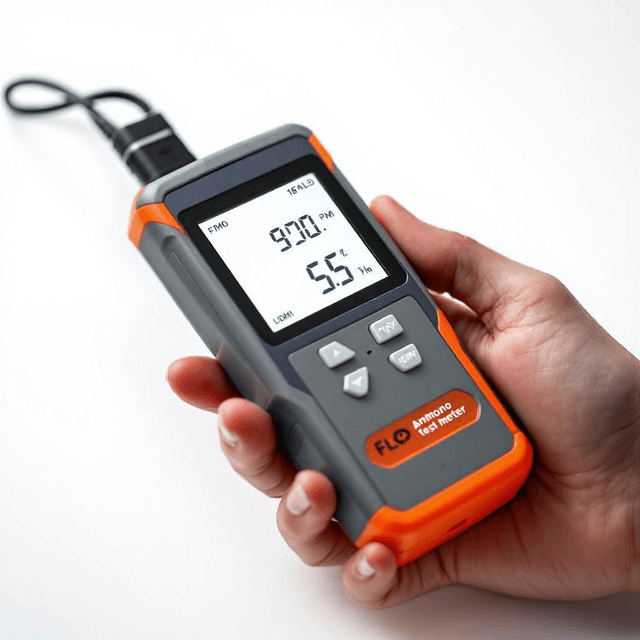
Portable dissolved oxygen meter with automatic temperature compensation and IP65 protection for field and laboratory water quality analysis.

Louise Corscadden, PhD
Director of Science · ConductScience
Ask Louise about Portable Dissolved Oxygen DO Meters fit, setup, configuration, or quote prep.
Already working with us? Sign in to connect this with My Scientist.
Key Specifications
Full details →- Model fit
- Configured during quote
- SKU family
- CS-LH-D701
- Shipping box
- 118.11 x 10.0 x 5.0 cm
- Ordering
- Online checkout and quote request available
- Category
- Portable Analyzers
- Build notes
- Confirm accessories, station layout, and support needs before purchase
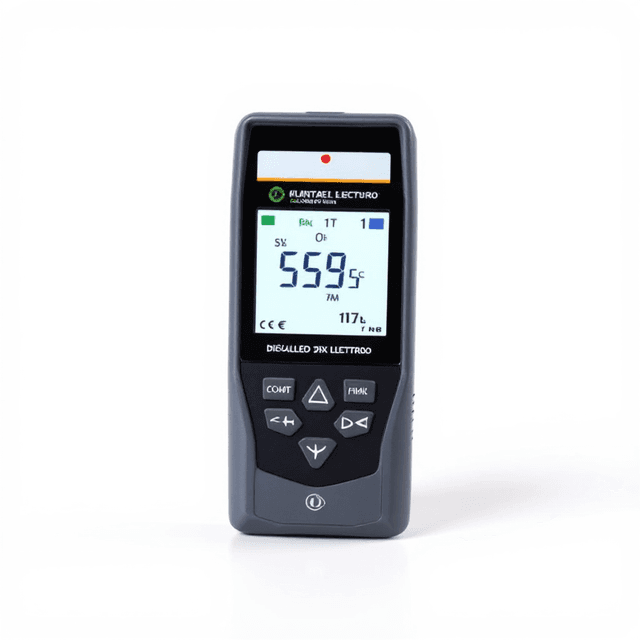
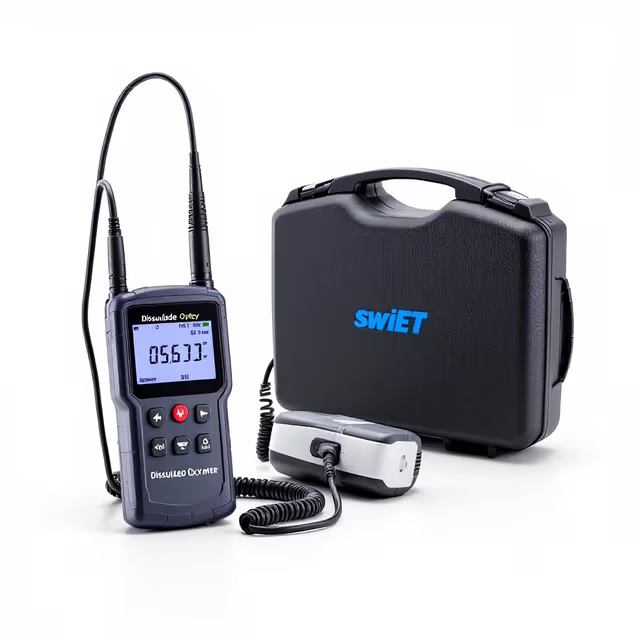
The ConductScience LH-D701 Portable Dissolved Oxygen Meter is a field-capable analytical instrument designed for quantitative measurement of dissolved oxygen concentration in aqueous samples. The instrument incorporates automatic temperature compensation (0-40°C), manual atmospheric pressure compensation (60-110 kPa), and salinity compensation (0-50 g/L) to ensure measurement accuracy across diverse environmental conditions.
Built with IP65 environmental protection rating, this portable meter is suitable for both laboratory and field applications including water quality monitoring, aquaculture management, wastewater treatment assessment, and environmental research. The instrument features a response time of ≤45 seconds with the standard SD02 electrode and weighs 270g without the sensor for enhanced portability during field operations.
How It Works
The LH-D701 dissolved oxygen meter operates using an electrochemical sensor that measures oxygen concentration through a galvanic or polarographic electrode system. The standard SD02 electrode contains an oxygen-permeable membrane that allows dissolved oxygen to diffuse into an electrolyte solution, where it undergoes reduction at the cathode, generating a current proportional to the oxygen concentration.
The instrument incorporates multiple compensation mechanisms to ensure accurate measurements across varying environmental conditions. Automatic temperature compensation adjusts readings based on the temperature-dependent solubility of oxygen in water, while manual atmospheric pressure compensation accounts for altitude and barometric pressure effects on oxygen saturation. Salinity compensation corrects for the reduced oxygen solubility in salt water compared to fresh water.
The microprocessor-controlled system processes the sensor signal and applies the appropriate compensation factors to display dissolved oxygen concentration. The response time of ≤45 seconds allows for rapid equilibration with the sample, enabling efficient field measurements across multiple sampling points.
Features & Benefits
Model
- LH-D701
Measuring Range
- Dissolved Oxygen Concentration
Dissolved Oxygen Saturation
- â¤Â±3.0%
Atmospheric Pressure Compensation
- Manual compensation(60-110)KPa
Temperature Compensation
- Automatic compensation(0-40â;32-104â)
Salinity Compensation
- Manual compensation(0-50)g/L
Standard Electrode
- SD02(3 M)
Response Time
- â¤45s
Environmental Protection Level
- IP65
Automation Level
- manual
Brand
- ConductScience
Temperature Range
- â¤Â±0.3â;â¤Â±0.3â
Accuracy
- Dissolved Oxygen Concentration
Weight
- 270g(without sensor)
Research Domain
- Aquaculture
- Environmental Monitoring
- Industrial Water Quality
Shipping weight
- 0.6 lb
Shipping box
- L: 118.11 cm
- W: 10.0 cm
- H: 5.0 cm
| Feature | This Product | Typical Alternative | Advantage |
|---|---|---|---|
| Response Time | ≤45 seconds | Basic meters often require 60-120 seconds for stabilization | Faster equilibration enables more efficient field surveys with multiple sampling points. |
| Environmental Protection | IP65 rating | Entry-level instruments may offer IP54 or lower protection | Higher protection rating ensures reliable operation in harsh field conditions with dust and water exposure. |
| Temperature Compensation Range | Automatic compensation 0-40°C (32-104°F) | Limited range models may cover only 5-35°C | Broader temperature range accommodates diverse environmental sampling conditions without manual corrections. |
| Salinity Compensation | Manual compensation 0-50 g/L | Basic models often lack salinity compensation | Enables accurate measurements in both freshwater and marine/brackish environments. |
| Portability | 270g without sensor | Handheld units typically range from 200-500g | Lightweight design reduces operator fatigue during extended field sampling campaigns. |
The LH-D701 provides rapid response dissolved oxygen measurement with comprehensive compensation features and rugged field construction. The combination of automatic temperature compensation, manual pressure and salinity adjustments, and IP65 protection addresses key requirements for accurate environmental monitoring.
Practical Tips
Perform calibration at the same temperature as your samples when possible, and always use fresh calibration solutions.
Why: Temperature matching reduces compensation errors and fresh solutions ensure accurate reference points.
Store the electrode in appropriate storage solution between uses and never allow the membrane to dry out.
Why: Proper hydration maintains membrane permeability and extends electrode life.
Allow sufficient stirring during measurements but avoid creating air bubbles that can interfere with readings.
Why: Gentle mixing ensures sample homogeneity while preventing atmospheric oxygen contamination.
If readings drift or become unstable, check for membrane damage, air bubbles, or electrode fouling.
Why: These common issues directly affect oxygen diffusion to the sensing element.
Record atmospheric pressure, temperature, and salinity conditions with each measurement for data validation.
Why: Environmental parameters allow verification of compensation settings and data quality assessment.
Rinse electrodes thoroughly after use in contaminated samples and follow proper disposal procedures for calibration solutions.
Why: Prevents cross-contamination and ensures compliance with chemical disposal regulations.
Pre-condition the electrode in sample water for several minutes before taking final readings.
Why: Pre-equilibration improves measurement accuracy by allowing the electrode to adjust to sample conditions.
Setup Guide
What’s in the Box
- LH-D701 main unit (typical)
- SD02 dissolved oxygen electrode with 3m cable
- Electrode storage solution (typical)
- Calibration solutions (typical)
- Power adapter or batteries (typical)
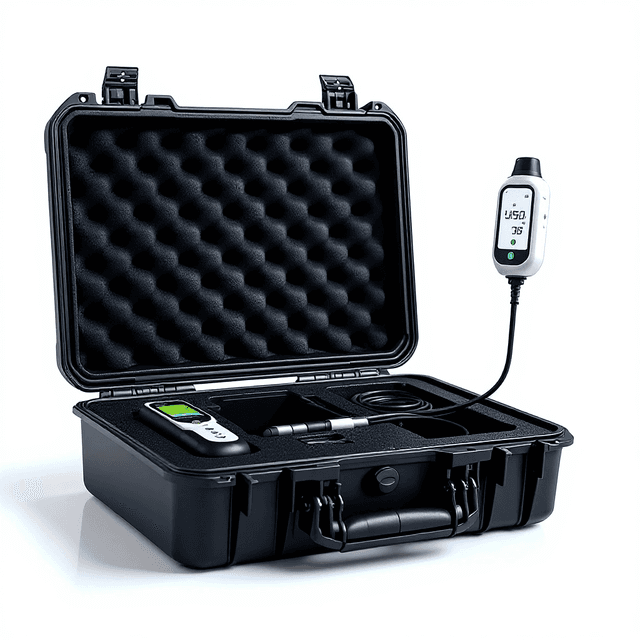
- Carrying case (typical)
- User manual and quick start guide (typical)
- Calibration certificate (typical)
Warranty
ConductScience provides a standard one-year manufacturer warranty covering defects in materials and workmanship, with technical support for calibration procedures and troubleshooting assistance.
Compliance
What calibration standards are required for accurate dissolved oxygen measurements?
Two-point calibration using air-saturated distilled water (100% saturation) and sodium sulfite solution or nitrogen-purged water (0% saturation) at known temperature and atmospheric pressure. Calibration should be performed daily for critical measurements.
How does salinity affect dissolved oxygen readings and when should compensation be applied?
Salinity reduces oxygen solubility in water, requiring compensation for samples with salt content >1 g/L. The instrument provides manual salinity compensation from 0-50 g/L to correct for this effect in brackish and marine samples.
What is the recommended maintenance schedule for the SD02 electrode?
Clean the electrode membrane after each use, store in appropriate storage solution, and replace the membrane when response time exceeds specifications or readings become erratic. Typical membrane life is 6-12 months depending on usage.
Can this meter measure dissolved oxygen in samples with high organic content or turbidity?
Yes, the electrochemical sensor method is not affected by sample turbidity or color. However, organic fouling of the membrane may occur in heavily contaminated samples, requiring more frequent cleaning and calibration verification.
What is the minimum sample volume required for accurate measurements?
Consult product datasheet for specific volume requirements. Generally, sufficient sample volume must surround the electrode to prevent oxygen depletion during measurement, with gentle stirring recommended for accurate readings.
How does atmospheric pressure affect measurements at different altitudes?
Atmospheric pressure affects oxygen saturation levels, with lower pressure at higher altitudes reducing saturation concentrations. The manual pressure compensation (60-110 kPa) corrects for these effects when properly calibrated for local conditions.
Have a question about this product?
Have a question? Just ask.
Send it over and we'll email you a personalized answer — no call, no scheduling.
Prefer to talk it through?
Accessories
Enhance your setup with compatible accessories