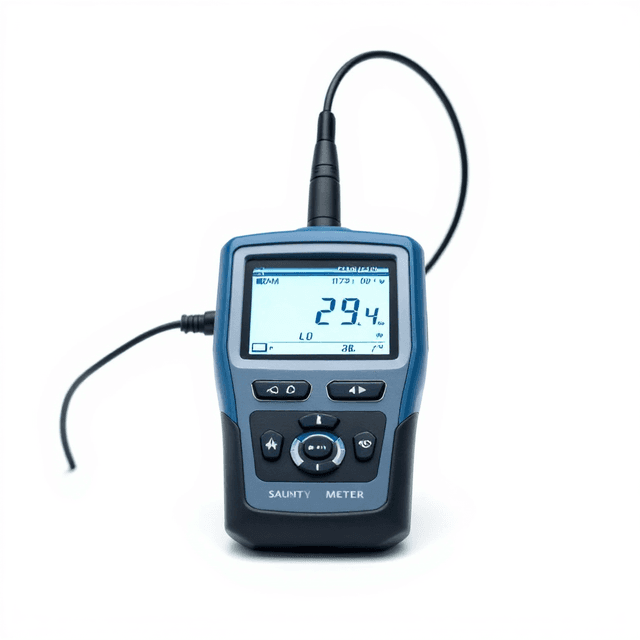
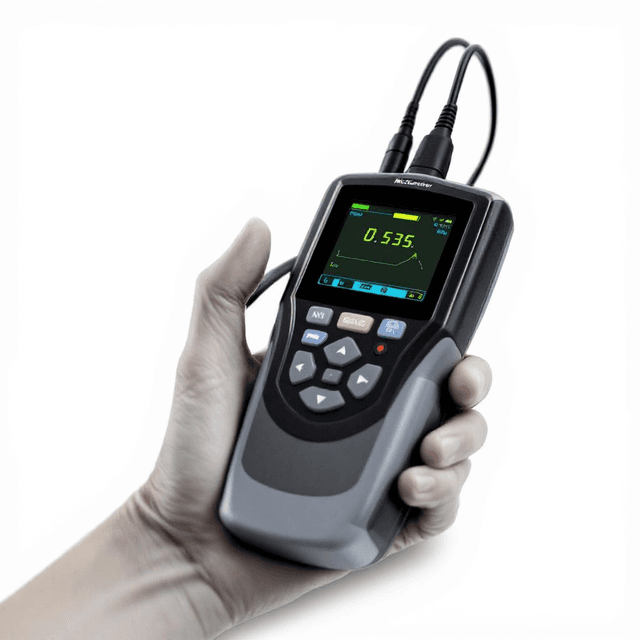
Portable Multiparameter Water Quality Analyzer
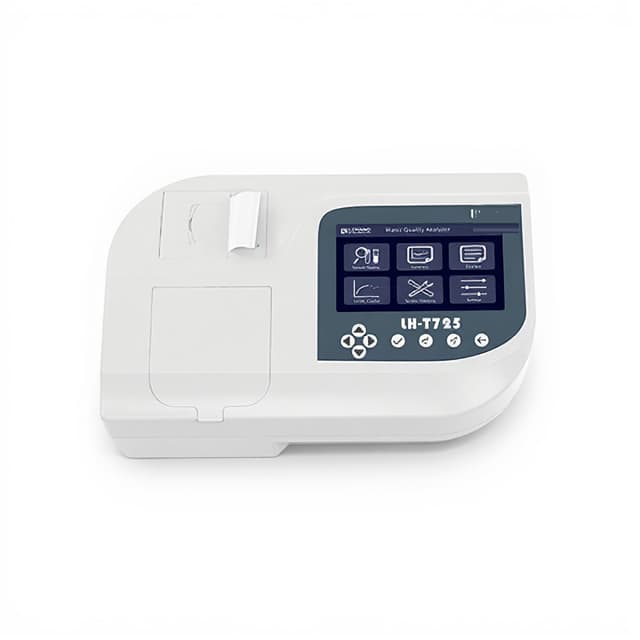
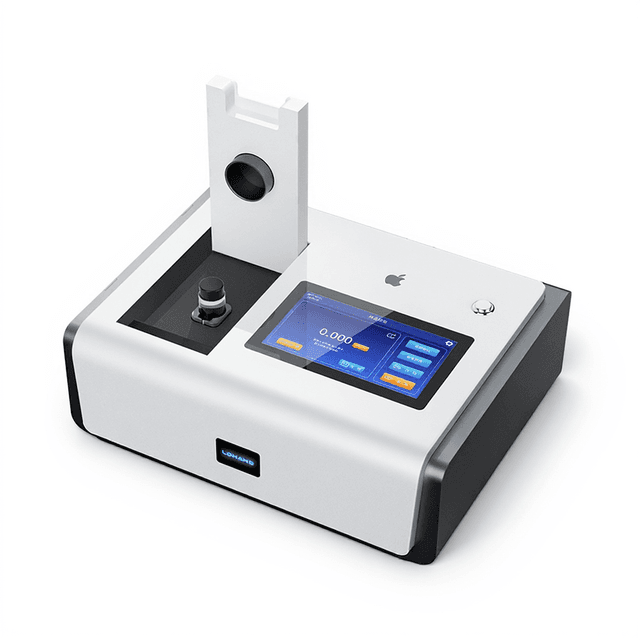
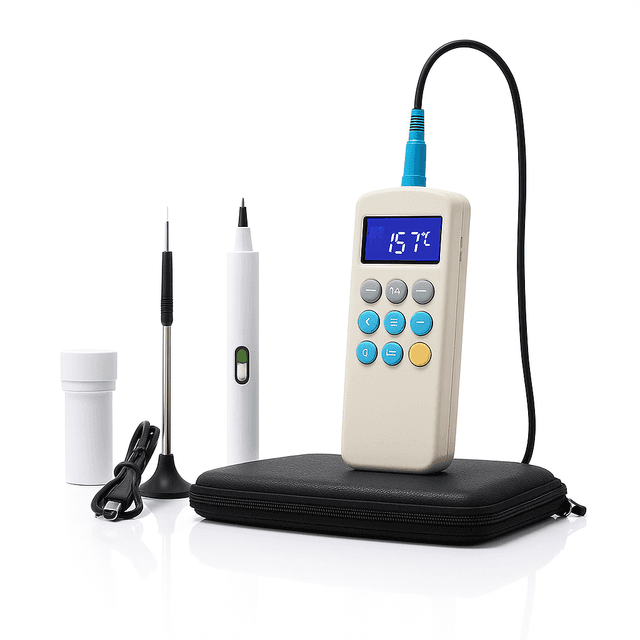
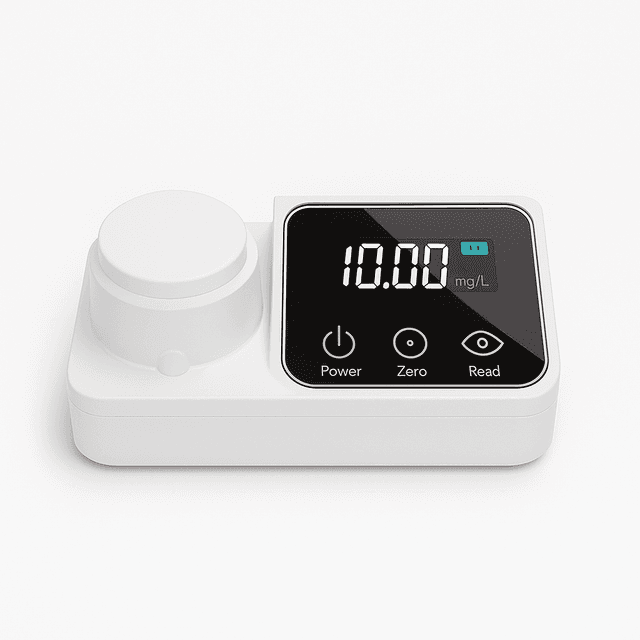
Portable photometric analyzer measuring 11 water quality parameters across four wavelengths with 0.001 Abs resolution and IP65 field protection.

Louise Corscadden, PhD
Director of Science · ConductScience
Ask Louise about Portable Multiparameter Water Quality Analyzer fit, setup, configuration, or quote prep.
Already working with us? Sign in to connect this with My Scientist.
Key Specifications
Full details →- Model fit
- Configured during quote
- SKU family
- LH-WQ-0001
- Shipping box
- 19.0 x 22.0 x 17.0 cm
- Ordering
- Online checkout and quote request available
- Category
- Portable Analyzers
- Build notes
- Confirm accessories, station layout, and support needs before purchase
The Portable Multiparameter Water Quality Analyzer employs photometric detection across four discrete wavelengths (420nm, 470nm, 520nm, 620nm) to quantify eleven key water quality parameters including residual chlorine, nitrite, phosphorus, ammonia nitrogen, sulfur, dissolved oxygen, pH, chlorine dioxide, ozone, urea, and total chlorine. The instrument combines colorimetric chemistry with LED-based photometry to achieve 0.001 Abs resolution across a 0-3.0 Abs measurement range, enabling precise quantification of analyte concentrations in diverse water matrices.
Designed for field deployment, the analyzer features IP65 environmental protection and multiple power options including USB, AA battery, or rechargeable lithium power supply. Data storage capacity accommodates 5,000 results with expansion to 1GB, while waterproof USB connectivity enables data transfer under challenging field conditions. The 100,000-hour LED lifespan ensures consistent optical performance across extended monitoring campaigns, making this instrument suitable for routine water quality surveillance in environmental, municipal, and industrial applications.
How It Works
The analyzer employs LED-based photometry combined with colorimetric reagent chemistry to quantify target analytes in water samples. Each parameter requires specific reagent addition that produces characteristic color development proportional to analyte concentration. The instrument measures light absorbance at four discrete wavelengths (420nm, 470nm, 520nm, 620nm) corresponding to optimal detection ranges for different chromophoric complexes.
Photometric detection follows Beer-Lambert law principles, where absorbance correlates linearly with analyte concentration through molar absorptivity and path length. The microprocessor converts raw absorbance measurements to concentration units using pre-programmed calibration curves specific to each parameter. LED sources provide stable, monochromatic illumination with 100,000-hour operational life, while photodetector arrays measure transmitted light with 0.001 Abs resolution across the 0-3.0 Abs dynamic range.
Sample preparation involves mixing precise volumes of water sample with parameter-specific reagents in reaction vessels. Color development times vary by chemistry, typically ranging from immediate to 10-minute incubation periods. The instrument's optical system measures absorbance at the appropriate wavelength, automatically applying temperature compensation and blank correction algorithms to ensure measurement accuracy across varying field conditions.
Features & Benefits
Absorbance Range
- 0-3.0 Abs
Absorbance Resolution
- 0.001 Abs
Wavelengths
- 420nm, 470nm, 520nm, 620nm
IP Rating
- IP65
LED Lifespan
- 100,000 hours
Data Storage
- 5,000 results (expandable to 1GB)
Connectivity
- Waterproof USB
Parameters Tested
- Residual Chlorine, Nitrite, Phosphorus, Ammonia Nitrogen, Sulfur, Dissolved Oxygen, pH, Chlorine Dioxide, Ozone, Urea, Total Chlorine
Automation Level
- semi-automated
Brand
- ConductScience
Power/Voltage
- USB, AA battery, or rechargeable lithium
Research Domain
- Analytical Chemistry
- Environmental Monitoring
- Food Science
Shipping weight
- 0.5 lb
Shipping box
- L: 19.0 cm
- W: 22.0 cm
- H: 17.0 cm
| Feature | This Product | Typical Alternative | Advantage |
|---|---|---|---|
| Wavelength Selection | Four discrete LEDs at 420nm, 470nm, 520nm, 620nm | Entry-level models often provide single or dual wavelength options | Multiple wavelengths enable parameter-specific optimization reducing interference and improving measurement accuracy. |
| Photometric Resolution | 0.001 Abs resolution across 0-3.0 Abs range | Basic analyzers typically offer 0.01 Abs or lower resolution | Higher resolution enables detection of trace-level analytes critical for environmental compliance monitoring. |
| Parameter Coverage | Eleven parameters including chlorine species, nutrients, and dissolved oxygen | Single-parameter instruments require multiple devices for comprehensive analysis | Consolidated testing reduces field equipment requirements and streamlines water quality assessment workflows. |
| Environmental Protection | IP65 rating with waterproof USB connectivity | Laboratory-grade instruments often lack field protection features | Field deployment capability enables on-site analysis reducing sample transport and preservation requirements. |
| Data Storage Capacity | 5,000 results expandable to 1GB | Basic models typically store fewer than 1,000 measurements | Extended storage capacity supports comprehensive field surveys without data loss or frequent downloads. |
| Power Options | USB, AA battery, or rechargeable lithium supply | Many field instruments rely solely on battery power | Multiple power options ensure operational flexibility across diverse deployment scenarios from laboratory to remote field locations. |
This analyzer combines laboratory-grade photometric precision with field-portable design, offering 0.001 Abs resolution across four wavelengths for eleven-parameter analysis. The IP65 protection rating and multiple power options enable reliable field deployment while maintaining measurement quality comparable to benchtop instruments.
Practical Tips
Perform blank measurements using the same water source as your samples when possible, rather than distilled water, to account for background matrix effects.
Why: Matrix-matched blanks provide more accurate baseline correction for samples with significant ionic strength or dissolved organic matter.
Check calibration stability by measuring a mid-range standard solution at the beginning and end of each analysis session.
Why: Calibration drift detection ensures measurement accuracy is maintained throughout extended field deployment periods.
Clean sample vessels with dilute nitric acid followed by distilled water rinses between different parameter analyses.
Why: Residual reagents can cause spectral interference and cross-contamination affecting subsequent measurements of different parameters.
Protect LED optical windows from reagent spills by wiping immediately with lint-free cloths and avoiding abrasive cleaning materials.
Why: Scratched or contaminated optical surfaces introduce measurement errors and reduce light transmission affecting photometric accuracy.
Allow color development reactions to proceed for the full specified time before measurement, even if visible color appears earlier.
Why: Incomplete reaction kinetics result in systematically low analyte concentrations and poor measurement reproducibility.
Pre-filter turbid samples through 0.45-micron filters to remove particulate matter before reagent addition.
Why: Suspended particles scatter light independently of analyte concentration, causing positive bias in photometric measurements.
If readings appear unstable, check that sample vessel is properly seated in the measurement chamber without air bubbles in the optical path.
Why: Air bubbles and improper sample positioning cause variable light scattering leading to inconsistent absorbance measurements.
Record sample temperature and pH when possible, as these parameters can affect colorimetric reaction efficiency and final color intensity.
Why: Temperature and pH documentation helps identify potential sources of measurement variability during data interpretation and quality assessment.
Setup Guide
What’s in the Box
- Portable multiparameter analyzer unit
- Reagent kit for all eleven parameters
- Sample reaction vessels (typical)
- USB power cable
- AA battery holder (typical)
- Waterproof carrying case (typical)
- User manual and parameter protocols
- Calibration certificate (typical)
Warranty
ConductScience provides a standard one-year manufacturer warranty covering defects in materials and workmanship, with technical support available for calibration procedures and troubleshooting assistance.
Compliance
References
Background reading relevant to this product:
What are the detection limits for each of the eleven parameters measured by this analyzer?
Detection limits vary by parameter based on specific colorimetric chemistry and wavelength optimization. Consult the parameter-specific protocol documentation for method detection limits (MDL) and practical quantitation limits (PQL) for each analyte under your specific matrix conditions.
How does temperature variation affect photometric measurements in field conditions?
The instrument includes automatic temperature compensation algorithms to minimize thermal effects on LED output and photodetector response. For optimal accuracy, allow 10-15 minutes equilibration time when moving between significantly different temperature environments during field deployment.
What sample matrix interferences should be considered when analyzing complex water samples?
Turbidity, color, and high ionic strength can affect photometric measurements. Pre-filtering samples through 0.45-micron filters removes particulate interference, while dilution may be necessary for highly colored or concentrated samples exceeding the 3.0 Abs upper measurement range.
How frequently should optical calibration be performed to maintain measurement accuracy?
Perform blank calibration daily using distilled water, and conduct full multi-point calibration weekly or when changing reagent lots. More frequent calibration may be required in harsh field environments or when processing samples with extreme pH or ionic strength.
What is the shelf life and storage requirements for the colorimetric reagents?
Reagent stability varies by parameter chemistry. Most reagents require refrigerated storage at 2-8°C and have 12-24 month shelf lives when unopened. Working solutions typically remain stable for 1-4 weeks depending on specific reagent formulation and storage conditions.
Can this analyzer interface with laboratory information management systems (LIMS)?
Data transfer occurs via waterproof USB connection providing CSV file export capability. Most LIMS platforms can import CSV format data, though custom interface development may be required for automated data integration depending on your specific LIMS architecture.
How does measurement precision compare to standard laboratory spectrophotometers?
The 0.001 Abs resolution approaches laboratory-grade spectrophotometer performance for routine water quality parameters. However, laboratory instruments typically offer broader wavelength ranges and higher optical precision for research applications requiring detection limits below environmental monitoring requirements.
Have a question about this product?
Have a question? Just ask.
Send it over and we'll email you a personalized answer — no call, no scheduling.
Prefer to talk it through?