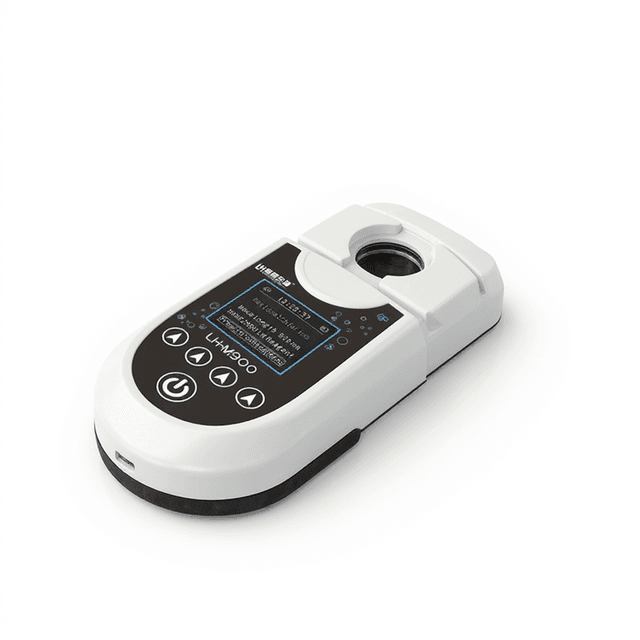
Residual Chlorine Meter (Photometric)
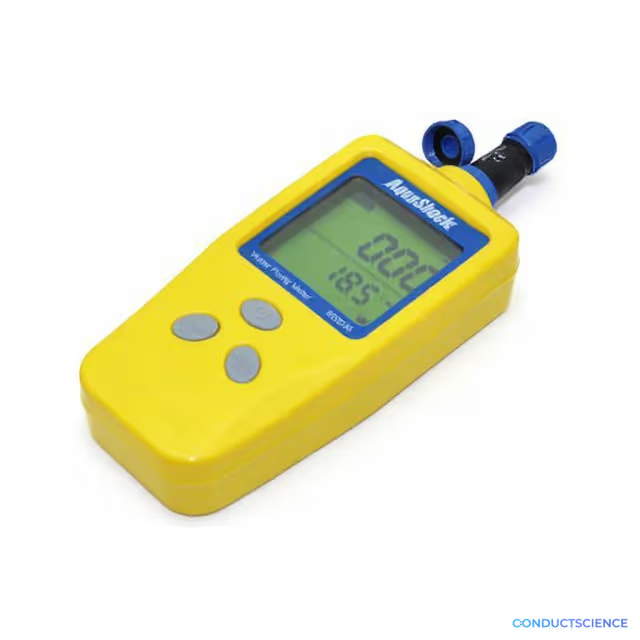
Portable DPD photometric chlorine meter measuring 0.10-10.00 mg/L range with ±0.05 mg/L repeatability at 520 nm wavelength for field and laboratory water quality analysis.

Louise Corscadden, PhD
Director of Science · ConductScience
Ask Louise about Residual Chlorine Meter (Photometric) fit, setup, configuration, or quote prep.
Already working with us? Sign in to connect this with My Scientist.
Key Specifications
Full details →- Model fit
- Configured during quote
- SKU family
- Assigned during quote
- Shipping box
- 5.04 x 2.76 x 1.89 cm
- Ordering
- Online checkout and quote request available
- Category
- Portable Analyzers
- Build notes
- Confirm accessories, station layout, and support needs before purchase
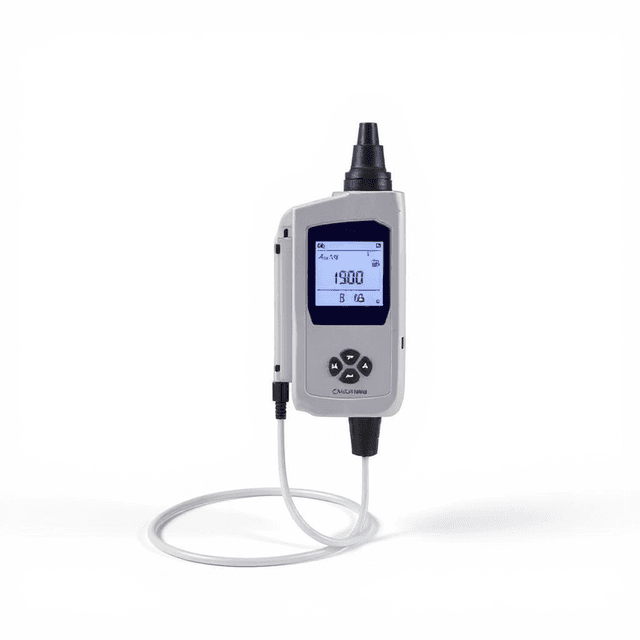
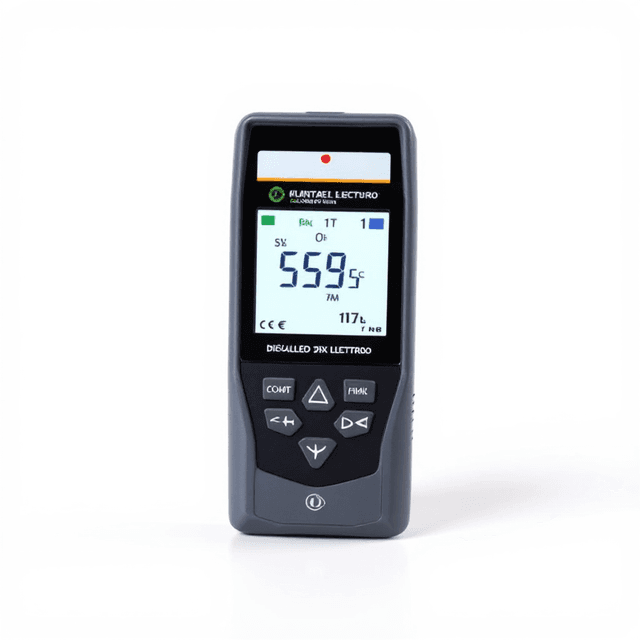
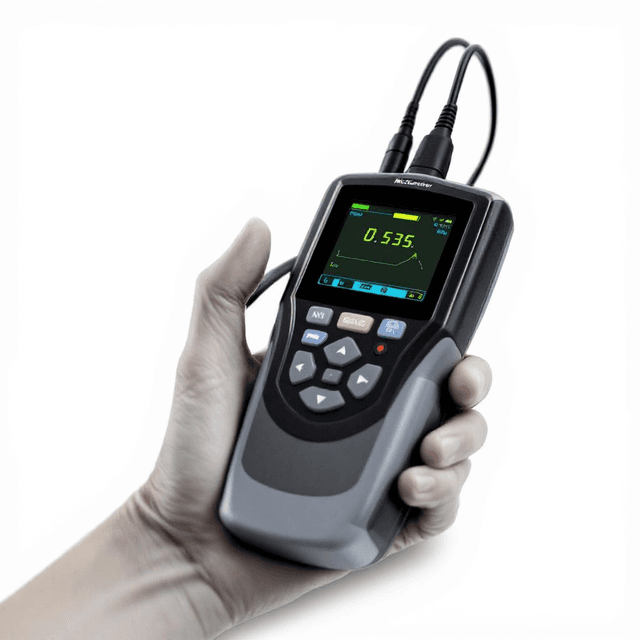
The ConductScience LH-C10F Residual Chlorine Meter employs the DPD (N,N-diethyl-p-phenylenediamine) photometric method for quantitative determination of free and total chlorine in aqueous samples. This portable colorimeter operates at 520 nm wavelength using LED light source technology to measure chlorine concentrations from 0.10 to 10.00 mg/L with repeatability specifications of ±0.05 mg/L for concentrations below 1.0 mg/L and ±5% for higher concentrations.
The instrument features a compact design (128×70×48 mm, 188g with battery) optimized for field deployment and laboratory bench work. Extended battery life exceeding 24 hours of continuous operation enables sustained monitoring protocols without frequent recharging. The DPD colorimetric principle provides rapid analysis suitable for routine water quality assessment in research, environmental monitoring, and quality control applications.
How It Works
The LH-C10F operates on the DPD colorimetric principle, where N,N-diethyl-p-phenylenediamine reagent reacts with free chlorine to form a magenta-colored complex. The intensity of color formation is directly proportional to chlorine concentration in the sample. The instrument's LED light source emits at 520 nm wavelength, corresponding to the maximum absorption of the DPD-chlorine complex.
The photometric detection system measures light transmission through the sample cell, converting optical density to chlorine concentration using Beer-Lambert law principles. The 520 nm wavelength selection optimizes sensitivity while minimizing interference from other water constituents. Internal calibration algorithms process the optical signal to display results in mg/L units.
Sample preparation involves addition of DPD reagent to a measured water sample volume. The colored complex develops within minutes, allowing rapid field measurements. The portable design enables real-time chlorine monitoring without laboratory infrastructure requirements.
Features & Benefits
Shipping weight
- 0.41 lb
Shipping box
- L: 5.04 cm
- W: 2.76 cm
- H: 1.89 cm
| Feature | This Product | Typical Alternative | Advantage |
|---|---|---|---|
| Measuring Range | 0.10-10.00 mg/L | Entry-level meters often provide narrower ranges or require multiple measurement modes | Single-range operation covers typical chlorine concentrations in water treatment and environmental monitoring without range switching. |
| Repeatability Specification | ±0.05 mg/L below 1.0 mg/L, ±5% above 1.0 mg/L | Basic colorimeters may specify only percentage error across full range | Absolute error specification at low concentrations ensures precision for drinking water and environmental compliance measurements. |
| Detection Wavelength | 520 nm LED source | Some instruments use broader spectrum sources or different wavelengths | Optimized wavelength selection for DPD-chlorine complex provides enhanced sensitivity and reduced interference. |
| Battery Life | More than 24 hours continuous operation | Portable instruments typically offer 8-16 hours of operation | Extended battery life supports multi-day field studies without charging interruptions. |
| Weight and Portability | 188g with battery, 128×70×48 mm | Handheld colorimeters range from 150-500g depending on features | Lightweight design enables easy transport for field sampling across multiple locations. |
The LH-C10F provides DPD photometric chlorine analysis with extended battery life and precision specifications optimized for low-concentration measurements. The compact design and 24+ hour operation support portable water quality monitoring in field research applications.
Practical Tips
Perform daily zero calibration using chlorine-free distilled water and verify with known standard solutions.
Why: DPD colorimetric methods can drift due to reagent aging and temperature variations affecting measurement accuracy.
Clean sample cells thoroughly with dilute acid solution weekly to remove chloramine buildup and maintain optical clarity.
Why: Residual chlorine compounds can accumulate on cell surfaces causing measurement drift and reduced sensitivity.
Allow samples to reach ambient temperature before measurement and maintain consistent timing for color development.
Why: Temperature affects DPD reaction kinetics and color stability, impacting measurement reproducibility.
If readings are consistently low, check DPD reagent expiration date and storage conditions for degradation.
Why: DPD reagent deteriorates over time and with improper storage, reducing color formation and measurement sensitivity.
Record sample pH and temperature alongside chlorine measurements for complete water quality documentation.
Why: These parameters affect chlorine stability and DPD reaction efficiency, providing context for interpreting results.
Handle DPD reagents with appropriate PPE as they may cause skin and eye irritation upon contact.
Why: DPD compounds are chemical reagents requiring safe handling practices to prevent exposure-related health risks.
Collect samples in clean containers and analyze immediately to prevent chlorine degradation before measurement.
Why: Chlorine is volatile and reactive, with concentrations decreasing over time due to volatilization and chemical reactions.
Use chlorine standard solutions prepared fresh daily from sodium hypochlorite stock solutions for calibration verification.
Why: Chlorine standards are unstable and degrade rapidly, requiring fresh preparation to maintain known concentrations.
Setup Guide
What’s in the Box
- LH-C10F residual chlorine meter
- Sample cells for colorimetric analysis (typical)
- DPD reagent starter kit (typical)
- Battery pack
- Carrying case (typical)
- User manual and quick reference guide (typical)
- Calibration certificate (typical)
Warranty
ConductScience provides a one-year manufacturer warranty covering defects in materials and workmanship. Technical support includes application guidance, calibration assistance, and troubleshooting consultation.
Compliance
References
Background reading relevant to this product:
What is the detection limit and linear range for chlorine measurements?
The instrument measures chlorine concentrations from 0.10 to 10.00 mg/L. Consult product datasheet for specific detection limit specifications below the 0.10 mg/L lower range.
How does temperature affect measurement accuracy?
DPD colorimetric reactions can be temperature-sensitive. Consult product datasheet for temperature compensation features and recommended operating temperature range for optimal accuracy.
Can the meter distinguish between free and total chlorine?
The DPD method can measure both free and total chlorine depending on reagent selection and protocol. Check included reagent specifications to determine which chlorine species are detected.
What sample volume is required for analysis?
Sample volume requirements depend on the sample cell design. Consult user manual for specific sample volume specifications and minimum sample requirements.
How often does the instrument require calibration?
Calibration frequency depends on usage intensity and accuracy requirements. For research applications, daily calibration with standard solutions is recommended to ensure measurement reliability.
Are measurements affected by sample pH or turbidity?
DPD colorimetric methods can show pH and turbidity interference. Consult product datasheet for pH operating range and turbidity limits for accurate chlorine determination.
What is the typical measurement time per sample?
DPD color development typically requires 1-5 minutes depending on chlorine concentration and temperature. Consult operating manual for recommended reaction times and reading protocols.
Have a question about this product?
Have a question? Just ask.
Send it over and we'll email you a personalized answer — no call, no scheduling.
Prefer to talk it through?