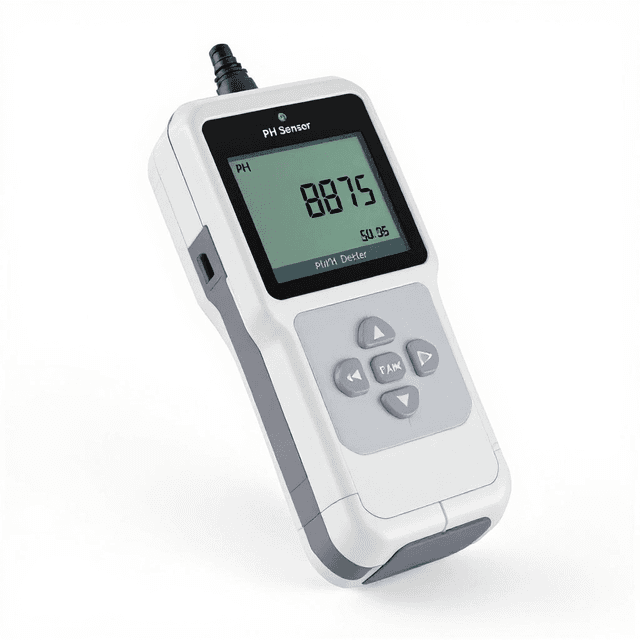
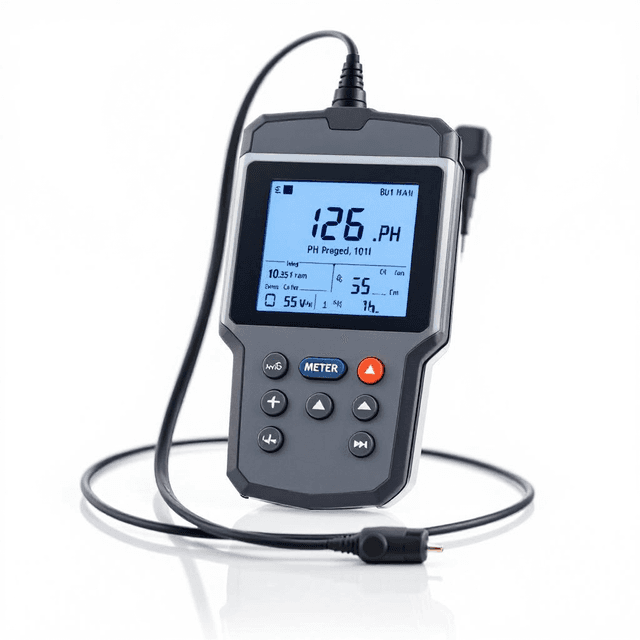
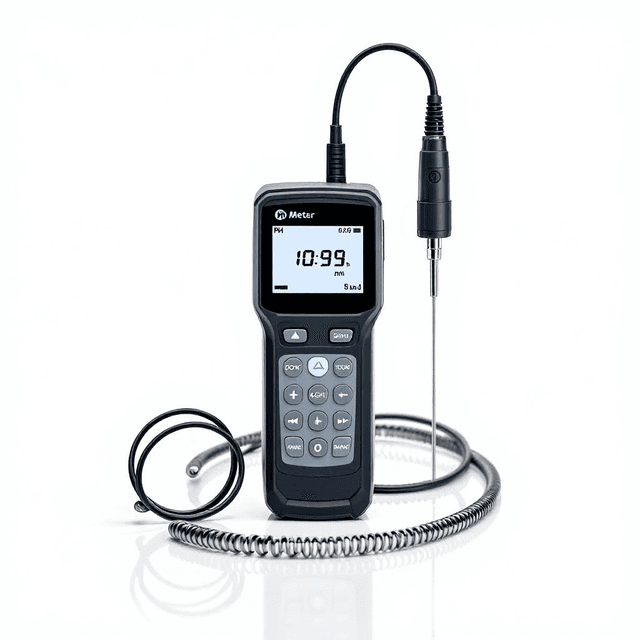
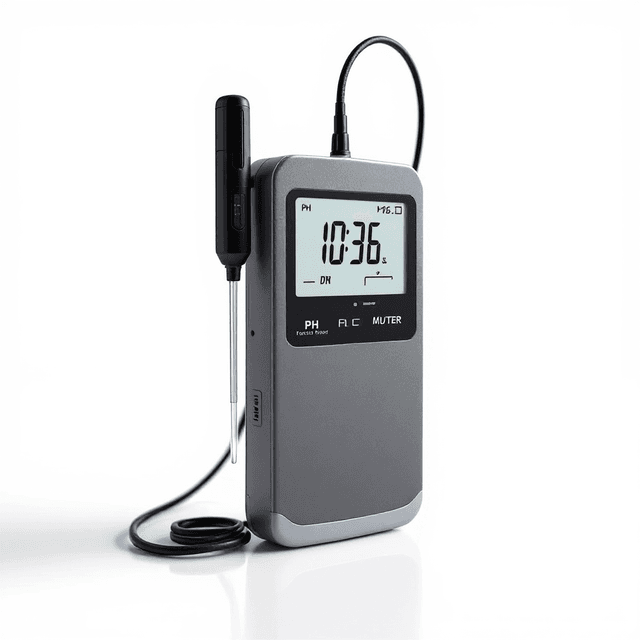
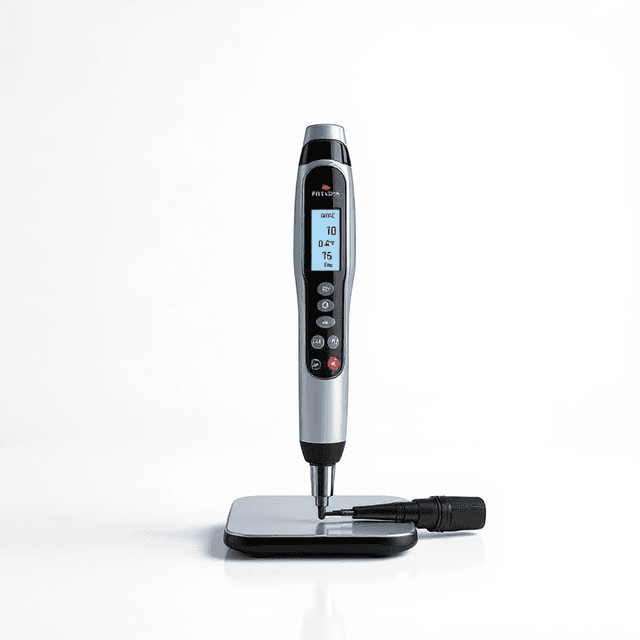
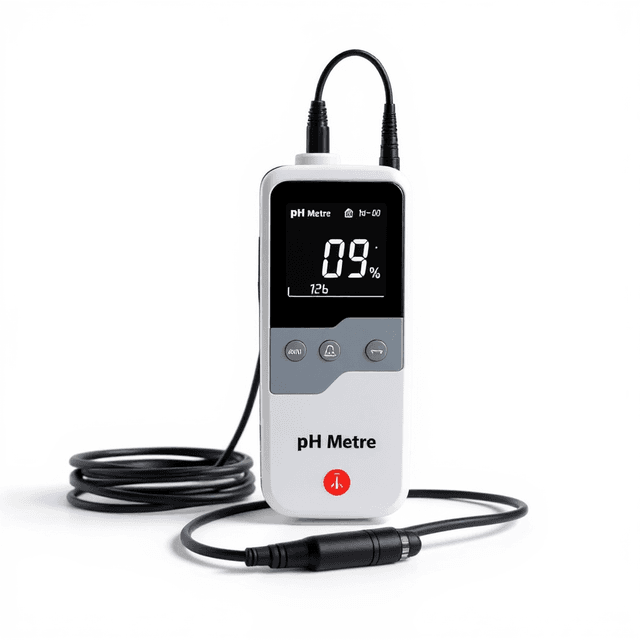
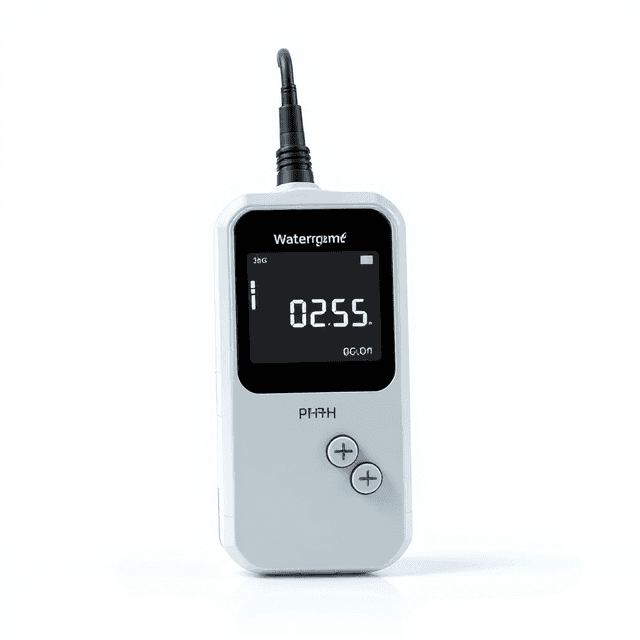
Digital pH Sensor
Digital pH sensor with 0-14 pH measurement range utilizing potentiometric electrode technology for accurate hydrogen ion activity determination in laboratory and field applications.

Louise Corscadden, PhD
Director of Science · ConductScience
Ask Louise about Digital pH Sensor fit, setup, configuration, or quote prep.
Already working with us? Sign in to connect this with My Scientist.
Key Specifications
Full details →- Model fit
- Configured during quote
- SKU family
- CS-LH-ELC004
- Shipping box
- 20.0 x 10.0 x 5.0 cm
- Ordering
- Online checkout and quote request available
- Category
- pH Meters
- Build notes
- Confirm accessories, station layout, and support needs before purchase
The Digital pH Sensor (E-6503) is a potentiometric electrode designed for precise pH measurement across the full 0-14 pH range. This device functions as a primary electrochemical cell that generates measurable electrode potentials when in contact with test solutions, enabling accurate determination of hydrogen ion activity in aqueous systems.
The sensor employs standard glass electrode technology with digital signal processing capabilities, providing stable measurements for laboratory and field applications. Multiple connector options are available including BNC (default), Y-blade, and pin connectors to accommodate various instrumentation requirements. The electrode is suitable for continuous monitoring applications and routine analytical procedures requiring reliable pH determination.
How It Works
The Digital pH Sensor operates on the principle of potentiometric measurement, utilizing a glass electrode that develops a potential difference proportional to the hydrogen ion activity in the test solution. The electrode consists of a pH-sensitive glass membrane that selectively responds to H+ ions, creating a measurable voltage that correlates directly with pH according to the Nernst equation.
The sensor incorporates a reference electrode to establish a stable reference potential, typically using a silver/silver chloride (Ag/AgCl) system in saturated KCl solution. When immersed in the test solution, the potential difference between the glass electrode and reference electrode is measured and converted to pH units through calibrated algorithms. Digital signal processing enhances measurement stability and reduces electrical noise interference.
Temperature compensation may be implemented through integrated temperature sensors or manual adjustment to account for the temperature dependence of pH measurements, ensuring accuracy across varying environmental conditions.
Features & Benefits
E-201
- 0-14 pH
E-6501
- 0-14 pH
E-6503
- 0-14 PH
E-901 Flat Surface
- 0-14 pH
Automation Level
- manual
Brand
- ConductScience
Research Domain
- Analytical Chemistry
- Environmental Monitoring
- Food Science
- Industrial Hygiene
- Pharmaceutical QC
Shipping weight
- 0.26 lb
Shipping box
- L: 20.0 cm
- W: 10.0 cm
- H: 5.0 cm
| Feature | This Product | Typical Alternative | Advantage |
|---|---|---|---|
| pH Measurement Range | 0-14 pH complete scale coverage | Most laboratory pH electrodes offer similar 0-14 pH range | Enables measurement of samples across the complete acidity/alkalinity spectrum without range limitations |
| Signal Processing | Digital signal processing for enhanced stability | Basic analog electrodes may lack advanced signal conditioning | Reduces electrical noise and improves measurement repeatability in challenging environments |
| Connector Options | BNC, Y-blade, and pin connector configurations available | Single connector type typically offered | Ensures compatibility with diverse instrumentation setups without adapter requirements |
| Electrode Technology | Glass electrode with potentiometric measurement principle | Standard glass electrodes widely available | Provides industry-standard measurement technique with established protocols and calibration procedures |
The Digital pH Sensor E-6503 offers reliable potentiometric pH measurement across the complete 0-14 pH scale with digital signal processing for enhanced stability. Multiple connector options provide flexibility for integration with various laboratory instrumentation systems.
Practical Tips
Use fresh buffer solutions stored at measurement temperature for most accurate calibration results.
Why: Buffer solutions can drift over time and temperature differences affect calibration accuracy.
Gently clean electrode with soft brush and distilled water between measurements of different sample types.
Why: Prevents sample cross-contamination and maintains electrode response characteristics.
Allow electrode readings to stabilize for 30-60 seconds before recording final pH values.
Why: Glass electrodes require equilibration time to establish stable potential readings.
If readings are unstable or drifting, check electrode junction for clogs and reference solution levels.
Why: Blocked junctions or dried reference solutions are common causes of erratic electrode behavior.
Record measurement temperature alongside pH values for proper data interpretation and corrections.
Why: pH has inherent temperature dependence that affects measurement accuracy and sample comparisons.
Handle glass electrodes carefully and use appropriate PPE when measuring corrosive or toxic samples.
Why: Glass electrodes are fragile and sample types may present chemical hazards requiring proper precautions.
Perform three-point calibration using pH 4, 7, and 10 buffers for maximum accuracy across the measurement range.
Why: Three-point calibration corrects for both slope and offset errors in electrode response.
Replace electrode storage solution monthly and keep electrode tip continuously immersed when not in use.
Why: Fresh storage solution maintains reference junction stability and prevents electrode membrane dehydration.
Setup Guide
What’s in the Box
- Digital pH Sensor E-6503 (typical)
- Protective electrode cap (typical)
- BNC connector cable (typical)
- User manual and calibration instructions (typical)
- Storage solution sample (typical)
Warranty
ConductScience provides standard one-year manufacturer warranty covering defects in materials and workmanship. Technical support is available for calibration procedures and troubleshooting assistance.
Compliance
References
Background reading relevant to this product:
What calibration frequency is recommended for accurate pH measurements?
Daily two-point calibration using pH 4.00 and 7.00 buffers is recommended for routine analytical work. More frequent calibration may be required for critical measurements or when working with extreme pH samples.
How should the electrode be stored between measurements?
Store electrode tip immersed in pH 4 buffer solution or dedicated electrode storage solution. Avoid storing in distilled water as this can damage the glass membrane and reference junction.
What is the expected electrode lifespan under normal laboratory use?
Glass pH electrodes typically provide 12-18 months of reliable service under normal laboratory conditions. Lifespan depends on sample types, cleaning procedures, and storage practices.
Can this sensor be used for continuous monitoring applications?
Yes, the electrode is suitable for continuous monitoring when properly maintained. Regular cleaning and periodic calibration verification are essential for long-term stability.
How does temperature affect pH measurements with this sensor?
pH measurements have inherent temperature dependence. Use temperature compensation features on your pH meter or apply manual corrections based on sample temperature for accurate results.
What connector type should I specify when ordering?
BNC connector is the default option and compatible with most laboratory pH meters. Specify Y-blade or pin connectors when ordering if required for your specific instrumentation.
Have a question about this product?
Have a question? Just ask.
Send it over and we'll email you a personalized answer — no call, no scheduling.
Prefer to talk it through?