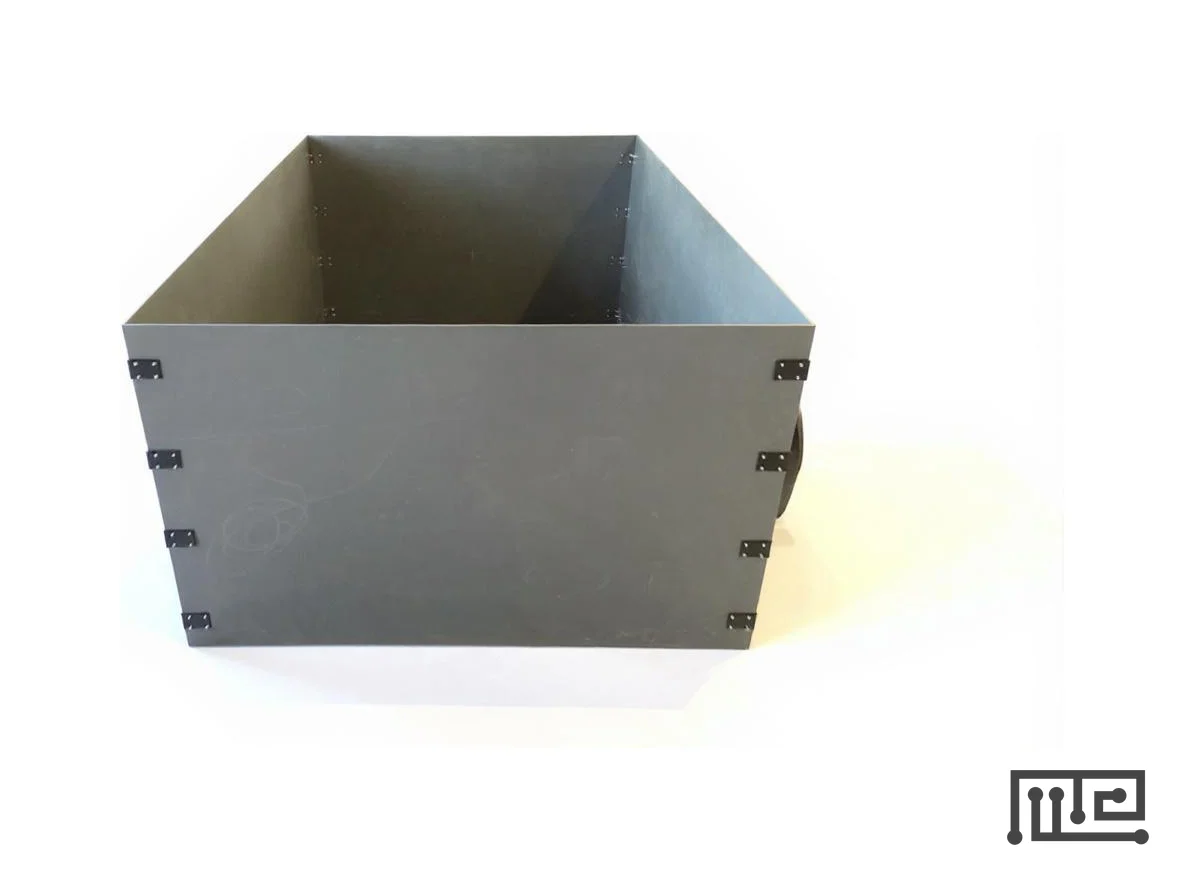
PIG Operant System
The PIG Operant System is a specialized behavioral testing apparatus designed for operant conditioning experiments with porcine subjects.
This robust system enables translational neuroscience research using pig models that offer unique advantages for studying cognition and behavior.

Louise Corscadden, PhD
Director of Science · ConductScience
Ask Louise about PIG Operant System fit, setup, configuration, or quote prep.
Already working with us? Sign in to connect this with My Scientist.
Key Specifications
Full details →- Model fit
- Configured during quote
- SKU family
- Assigned during quote
- Sizing
- Model-specific dimensions confirmed from the selected configuration
- Ordering
- Online checkout and quote request available
- Category
- Behavioral Analysis
- Build notes
- Confirm accessories, station layout, and support needs before purchase
Overview
The PIG Operant System represents a specialized behavioral testing apparatus designed for porcine subjects in neuroscience and behavioral research. This system enables researchers to conduct sophisticated operant conditioning experiments with pigs, addressing the growing need for translational research using large animal models that more closely approximate human physiology and cognition.
Key Features
Built with robust construction to accommodate the size and strength of porcine subjects, this operant system provides a controlled environment for studying learning, memory, decision-making, and cognitive processes in pigs. The system's design considerations account for the unique behavioral patterns and physical requirements of porcine research subjects.
Applications
The PIG Operant System serves multiple research domains including comparative cognition studies, pharmaceutical testing requiring large animal models, and translational neuroscience research where pig models offer advantages over traditional laboratory species due to their neuroanatomical similarities to humans.
Species Compatibility
Specifically engineered for domestic pigs and miniature pig breeds commonly used in research settings, this system accommodates the behavioral and physical characteristics unique to porcine subjects while maintaining the precision required for rigorous scientific investigation.
Features & Benefits
Why use pigs instead of traditional laboratory animals for operant conditioning studies?
Pigs offer several advantages including larger brain size, complex social behaviors, and neuroanatomical features more similar to humans than rodents, making them valuable for translational research where findings need to bridge to human applications.
What behavioral paradigms can be implemented with this system?
The system supports various operant conditioning protocols including discrimination learning, reversal learning, working memory tasks, and decision-making paradigms that can be adapted to pig-specific behavioral repertoires.
How does the system account for the physical strength of pig subjects?
The apparatus features reinforced construction and components designed to withstand the forces generated by porcine subjects while maintaining the sensitivity needed for precise behavioral measurements.
What training considerations are important for pig operant studies?
Pigs typically require longer training periods than rodents but can learn complex tasks. The system allows for gradual shaping of behaviors and accommodates the extended timelines often needed for pig behavioral studies.
Are there special housing or preparation requirements for subjects?
Pig subjects require appropriate housing with adequate space and enrichment. The system design considers pig welfare requirements and allows for comfortable positioning during testing sessions.
What data types can be collected during experiments?
The system can capture response times, choice patterns, learning curves, and other behavioral metrics relevant to operant conditioning paradigms, providing comprehensive datasets for behavioral analysis.
How long can testing sessions typically run with pig subjects?
Session lengths should be tailored to individual subjects and research protocols, with consideration for pig attention spans and welfare requirements. The system design supports both short and extended testing periods as needed.
Have a question about this product?
Have a question? Just ask.
Send it over and we'll email you a personalized answer — no call, no scheduling.
Prefer to talk it through?
Related Products