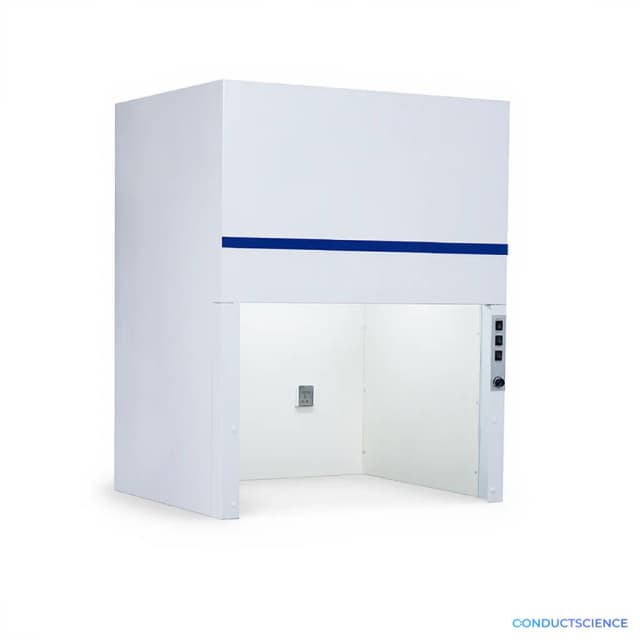
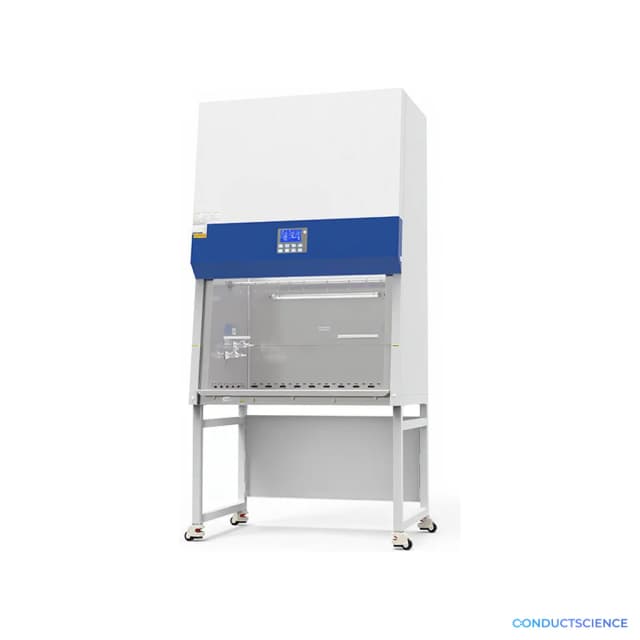
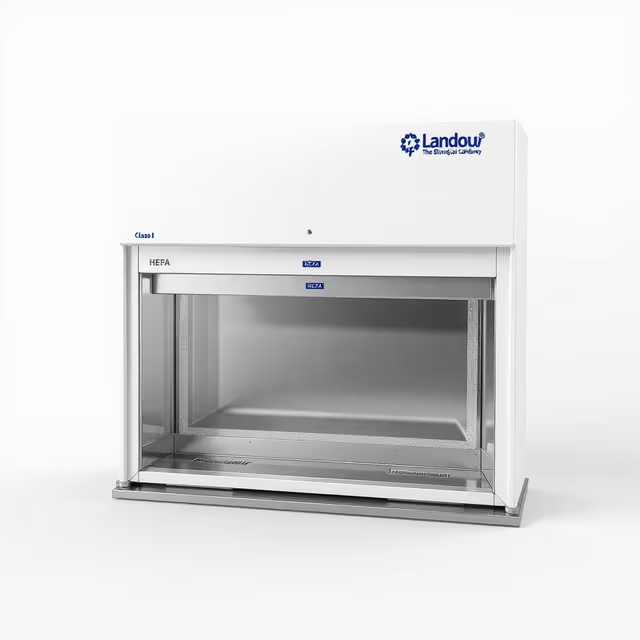
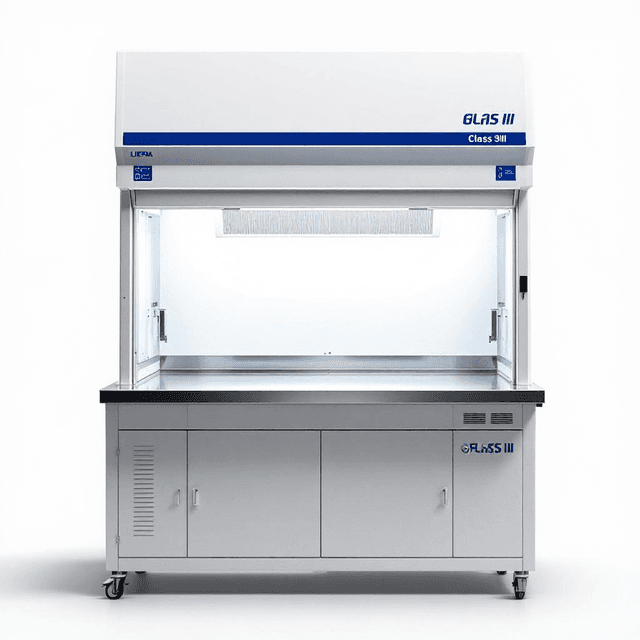
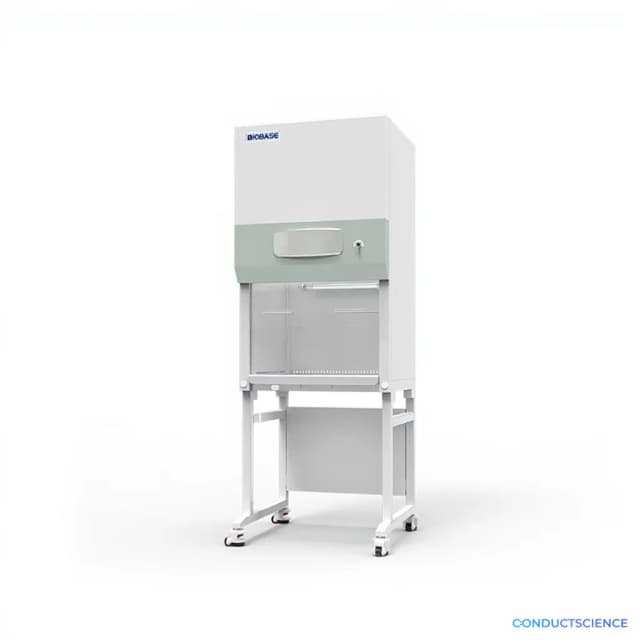
PP Spray Fume Hood FH1000PL FH1200PL FH1500PL FH1800PL
Variable airflow fume hoods with polypropylene construction for chemical vapor containment, featuring 0.3-0.8 m/s airflow control and 560-920 m³/h exhaust capacity across three width configurations.
| Automation Level | manual |
| FH1200PL | FH1500PL |
| External Size(W*D*H) | 1047*800*2450mm |
| 1247*800*2450mm | 1547*800*2450mm |
| Internal Size(W*D*H) | 787*500*700mm |
| 987*500*700mm | 1287*500*700mm |

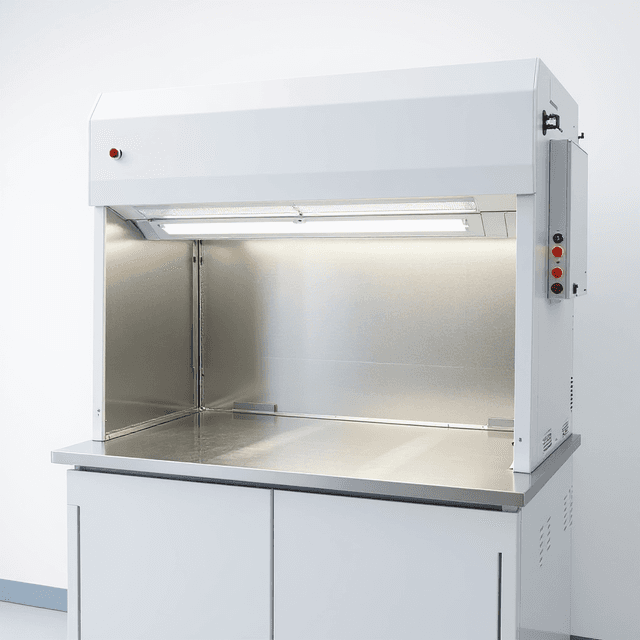
The PP Spray Fume Hood series (FH1000PL, FH1200PL, FH1500PL, FH1800PL) provides controlled ventilation for laboratory operations involving hazardous chemical vapors, aerosols, and particulates. These units feature variable airflow control (0.3-0.8 m/s) and integrated exhaust systems with capacities ranging from 560 to 920 m³/h across the model range. The polypropylene construction offers chemical resistance while maintaining structural integrity under continuous operation.
Each unit incorporates a 740mm maximum sash opening with 820mm work surface height, providing ergonomic access to the work zone. The internal chambers accommodate various laboratory equipment configurations with waterproof electrical outlets rated for 500W total load. Sound attenuation design maintains operation at ≤68 dB(A) to support extended use in research environments. Available in three width configurations (1047mm, 1247mm, 1547mm external dimensions) to accommodate different laboratory layouts and throughput requirements.
How It Works
The fume hood operates on the principle of directional airflow to capture and remove hazardous vapors at their source. Ambient laboratory air enters through the front sash opening and flows across the work surface at controlled velocities between 0.3-0.8 m/s. This airflow pattern creates a containment zone that prevents vapor escape while maintaining sufficient velocity to capture chemical emissions.
The integrated exhaust system draws contaminated air through internal ductwork at volumetric flow rates of 560-920 m³/h depending on model configuration. Variable airflow control allows optimization of capture velocity based on the volatility and toxicity of materials being handled. The exhaust stream requires connection to building ventilation systems or external blowers for proper disposal of captured contaminants.
Polypropylene construction provides chemical resistance against acids, bases, and organic solvents commonly encountered in laboratory applications. The material maintains structural stability under continuous airflow while resisting degradation from chemical exposure. Internal surfaces facilitate decontamination procedures between different chemical operations.
Features & Benefits
Automation Level
- manual
FH1200PL
- FH1500PL
External Size(W*D*H)
- 1047*800*2450mm
1247*800*2450mm
- 1547*800*2450mm
Internal Size(W*D*H)
- 787*500*700mm
987*500*700mm
- 1287*500*700mm
Work Surface Height
- 820mm
Max. Opening
- 740mm
Airflow Velocity
- 0.3~0.8m/s
Exhaust volume
- 560m³/h
700m³/h
- 920m³/h
Consumption
- 400W+370W(Pump)
500w-370wpump
- 700W+370W(Pump)
Waterproof Socket
- Two, total load≤500W
Noise
- ≤68dB(A)
Brand
- ConductScience
Research Domain
- Analytical Chemistry
- Environmental Monitoring
- Industrial Hygiene
- Materials Science
- Pharmaceutical QC
- Toxicology
Weight
- 227.0 kg
Dimensions
- L: 245.0 mm
- W: 104.7 mm
- H: 80.0 mm
Comparison Guide
| Feature | This Product | Typical Alternative | Advantage |
|---|---|---|---|
| Airflow Velocity Range | 0.3-0.8 m/s variable control | Many basic models offer fixed velocity only | Allows optimization for different chemical volatilities while maintaining containment effectiveness and energy efficiency |
| Construction Material | Polypropylene chemical-resistant construction | Entry-level models often use painted steel | Provides superior chemical resistance and facilitates decontamination between different chemical procedures |
| Size Options | Three width configurations (1047-1547mm) | Limited size options in budget models | Accommodates different laboratory layouts and throughput requirements without custom fabrication |
| Noise Level | ≤68 dB(A) operation | Higher noise levels common in basic ventilation systems | Enables extended operation in laboratory environments without acoustic interference or operator discomfort |
| Internal Outlets | Two waterproof outlets, 500W total capacity | Many models lack internal electrical service | Supports operation of instruments and equipment within the containment zone while maintaining electrical safety |
This fume hood series combines polypropylene chemical resistance with variable airflow control and multiple size configurations. The integrated electrical service and low noise operation support extended use in research environments requiring both containment effectiveness and operational flexibility.
Practical Tips
Verify airflow velocity monthly using a calibrated anemometer at 6-9 measurement points across the sash opening.
Why: Airflow variations can develop over time due to filter loading or ductwork changes, compromising containment effectiveness.
Clean internal surfaces weekly with appropriate solvents to prevent chemical buildup and cross-contamination between procedures.
Why: Accumulated residues can affect airflow patterns and create secondary exposure hazards during subsequent operations.
Keep materials and equipment at least 6 inches back from the sash opening to maintain proper airflow patterns.
Why: Items placed too close to the opening can disrupt capture velocity and allow vapor escape into the laboratory.
Perform smoke visualization tests monthly to verify containment effectiveness and identify airflow disruptions.
Why: Visual confirmation of airflow patterns detects problems not apparent from velocity measurements alone.
If airflow seems inadequate, check for obstructions in ductwork and verify exhaust system capacity matches hood requirements.
Why: Inadequate airflow is often caused by external factors rather than hood malfunction, requiring systematic diagnosis.
Document airflow measurements and maintenance activities to establish performance trends and predict service needs.
Why: Historical data enables proactive maintenance and demonstrates due diligence for regulatory compliance documentation.
Allow hood to operate for 5-10 minutes before and after chemical procedures to ensure complete vapor removal.
Why: Purge times ensure all contaminated air is removed from the work zone before personnel access or equipment shutdown.
Setup Guide
What’s in the Box
- Fume hood main unit
- Sash assembly
- Internal work surface
- Electrical outlet assembly
- Exhaust connection hardware (typical)
- Installation manual
- Operating instructions
- Airflow adjustment controls
Warranty
ConductScience provides standard one-year manufacturer warranty covering defects in materials and workmanship. Technical support includes installation guidance, operational troubleshooting, and maintenance recommendations for optimal performance throughout the product lifecycle.
Compliance
References
Background reading relevant to this product:
What exhaust system requirements are needed for proper operation?
Each model requires external exhaust capacity matching the specified volume (560-920 m³/h) with adequate static pressure to overcome ductwork resistance. Building ventilation systems or dedicated blowers must maintain consistent airflow regardless of atmospheric conditions.
How do I verify containment performance after installation?
Use calibrated anemometer to measure face velocity at multiple points across the sash opening, ensuring readings fall within 0.3-0.8 m/s range. Follow with smoke visualization testing to confirm proper airflow patterns and absence of reverse flow or turbulence.
What chemical compatibility limitations should be considered?
Polypropylene construction resists most acids, bases, and organic solvents but may be affected by strong oxidizing agents or aromatic hydrocarbons at elevated temperatures. Consult chemical compatibility charts for specific reagents and exposure conditions.
Can the airflow be adjusted during operation?
Yes, airflow velocity can be adjusted within the 0.3-0.8 m/s range using integrated controls. Adjustments should be made gradually and verified with instrumentation to ensure containment effectiveness is maintained throughout the operating range.
What maintenance procedures are required?
Regular cleaning of internal surfaces with appropriate solvents, periodic airflow verification, and inspection of sash operation and seals. Filter replacement schedules depend on usage and types of chemicals handled.
How much laboratory space is required for installation?
Allow minimum 30cm clearance on each side for service access, plus adequate rear clearance for exhaust connections. Ceiling height must accommodate 2450mm overall height plus ductwork connections.
What electrical requirements are needed?
Primary power for the hood system plus 500W capacity for internal outlets. Power consumption ranges from 770W to 1070W total depending on model configuration. Electrical installation must include appropriate circuit protection.
Have a question about this product?
Upgrade Options