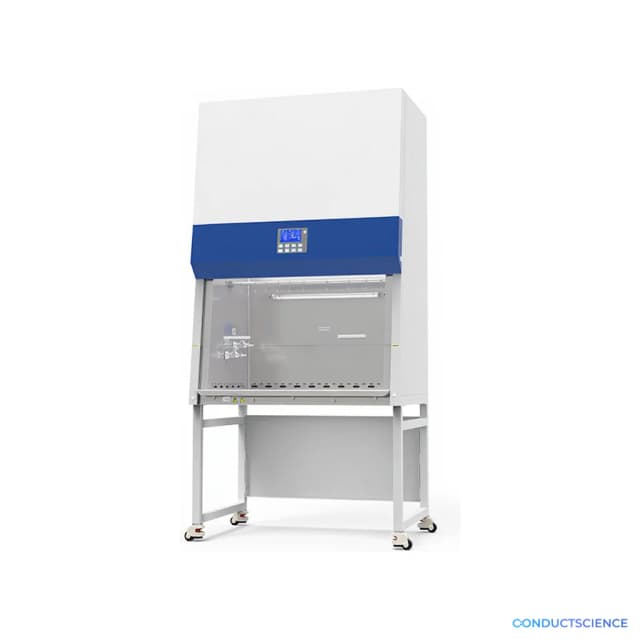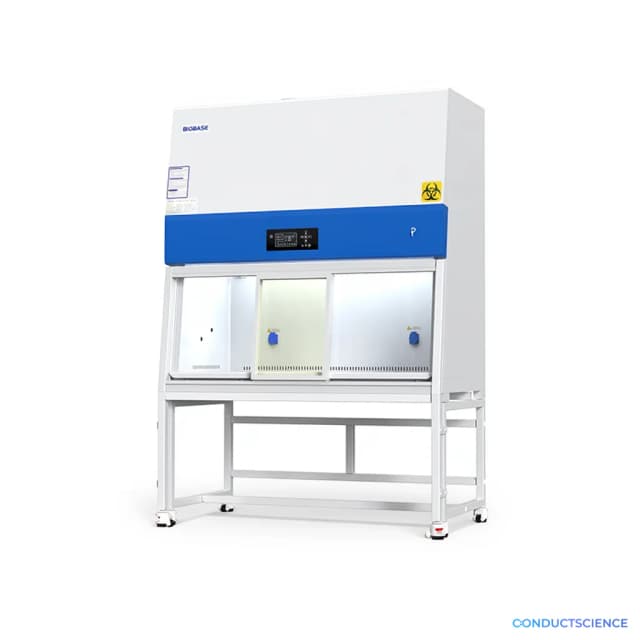
Class II A2 Biological Safety Cabinet
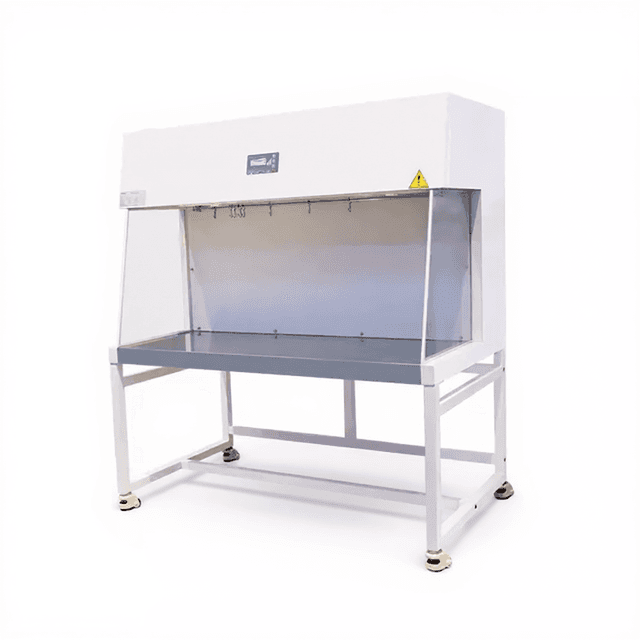
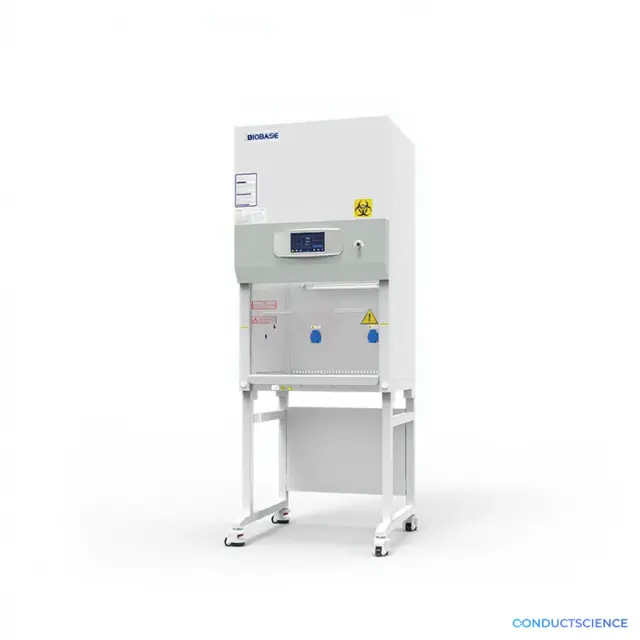
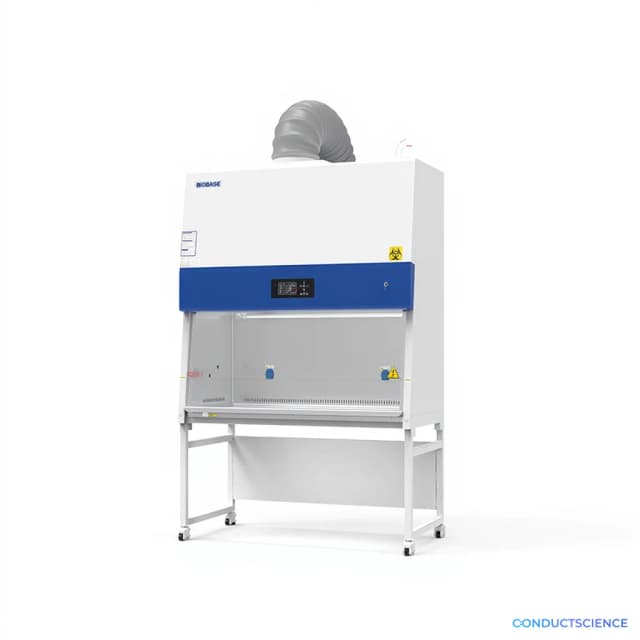
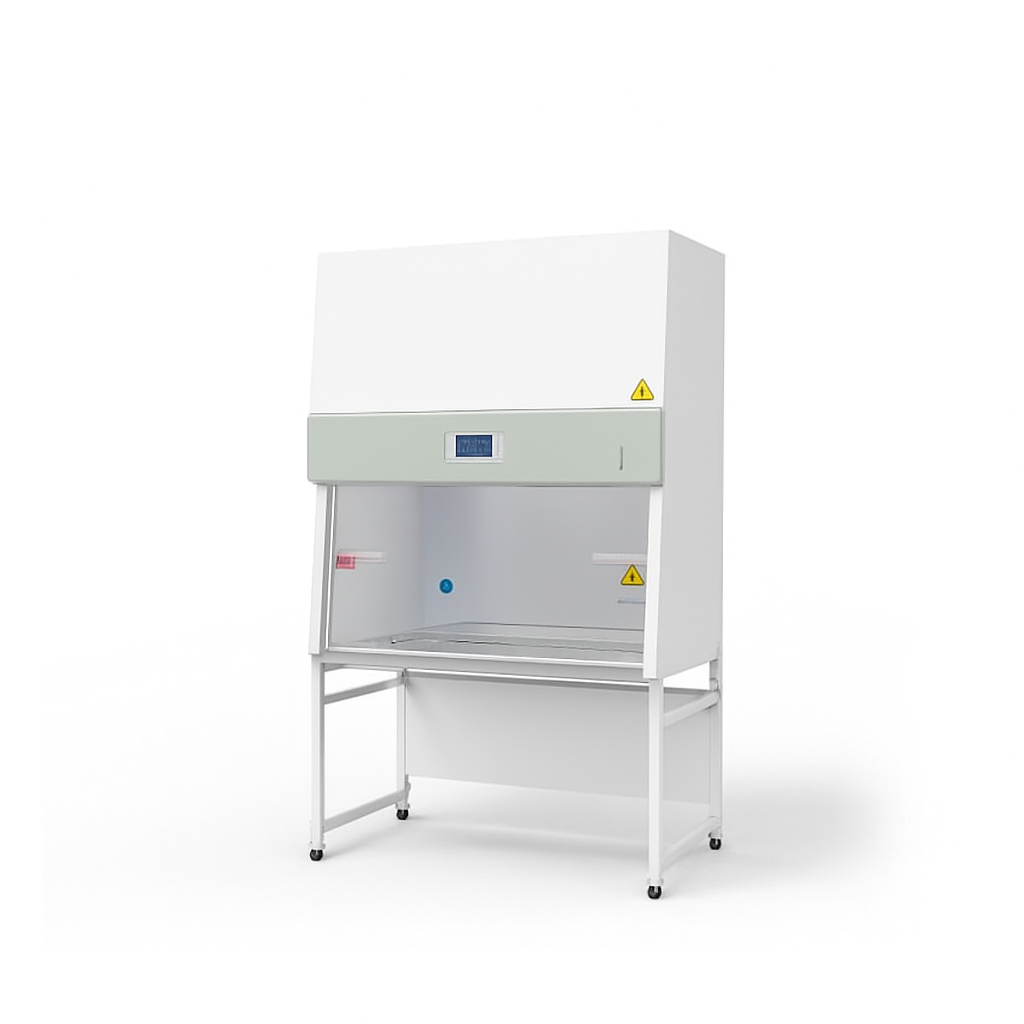
Class II A2 biological safety cabinet with dual ULPA filtration and laminar airflow for microbiological containment work, available in five size configurations.

Louise Corscadden, PhD
Director of Science · ConductScience
Ask Louise about Class II A2 Biological Safety Cabinet fit, setup, configuration, or quote prep.
Already working with us? Sign in to connect this with My Scientist.
Key Specifications
Full details →- Model fit
- 5 selectable configurations
- SKU family
- BIO-0014
- Shipping box
- 220.0 x 110.0 x 80.0 cm
- Ordering
- Online checkout and quote request available
- Category
- Clean Benches & Fume Hoods
- Build notes
- Confirm accessories, station layout, and support needs before purchase
Toggle main menu visibilityHomeProductsClinical Analytical InstrumentsBiochemistry AnalyzerBiochemistry ReagentELISA EquipmentELISA KitESR AnalyzerCoagulation AnalyzerHematology AnalyzerUrine AnalyzerElectrolyte AnalyzerBlood Gas Electrolyte AnalyzerNucleic Acid ExtractorNucleic Acid Extraction ReagentRapid Test KitAutomatic Chemiluminescence Immunoassay SystemFlow CytometerBlood CultureBlood Gas AnalyzerAir Protection ProductBiological Safety CabinetLaminar Flow CabinetFume HoodMobile Fume ExtractorFan Filter UnitClean BoothDispensing BoothPathology WorkstationChicken IsolatorAir PurifierAir ShowerPass BoxAnimal Litter WorkstationAnimal Cage Changing StationPP Environment-friendly ProductLaboratory And Medical Cryogenic Equipments4℃ Blood Bank Refrigerator2~8℃ Laboratory Refrigerator-25℃
How It Works
The Class II A2 biological safety cabinet operates on the principle of directional airflow and HEPA/ULPA filtration to provide three levels of protection: operator, product, and environmental. Room air is drawn through the front opening at a controlled velocity of 0.53±0.025m/s, creating an inward airflow barrier that prevents contaminated air from escaping the work zone.
Within the cabinet, filtered air flows vertically downward at 0.33±0.025m/s through dual ULPA filters, creating a sterile laminar flow over the work surface. This downflow protects samples and materials from contamination while the inward airflow at the face opening protects the operator. Approximately 70% of the air is recirculated through the supply ULPA filter, while 30% is exhausted through the exhaust ULPA filter, ensuring environmental protection.
The dual ULPA filtration system removes 99.9995% of particles 0.12μm and larger, effectively capturing bacteria, spores, and other biological contaminants. Filter life indicators monitor filter performance to ensure continued protection throughout the filter lifecycle.
Features & Benefits
Automation Level
- semi-automated
EA2-4F
- EA2-5F
EA2-6F
- EA2-7F
External Size(W*D*H)
- 1100*800*2200mm
1300*800*2200mm
- 1500*800*2200mm
1800*800*2200mm
- 1950*800*2250mm
Internal Size(W*D*H)
- 940*600*660mm
1150*600*660mm
- 1350*600*660mm
1625*600*660mm
- 1800*600*660mm
Tested Opening
- Safety height 200mm(8)
Max Opening
- 460mm
Inflow Velocity
- 0.53±0.025m/s
Downflow Velocity
- 0.33±0.025m/s
ULPA Filter
- Two, 99.9995% efficiency at 0.12μm, filter life indicator
Front Window
- Manual and electric. Tempered glass≥5mm. Anti UV
Brand
- ConductScience
Research Domain
- Analytical Chemistry
- Cell Biology
- Clinical Diagnostics
- Environmental Monitoring
- Microbiology
- Pharmaceutical QC
Shipping weight
- 284.0 lb
Shipping box
- L: 220.0 cm
- W: 110.0 cm
- H: 80.0 cm
| Feature | This Product | Typical Alternative | Advantage |
|---|---|---|---|
| Filter Efficiency | 99.9995% at 0.12μm (ULPA grade) | Standard models typically offer 99.97% at 0.3μm (HEPA grade) | Superior submicron particle removal provides enhanced containment for work with smaller biological contaminants |
| Size Range | Five configurations from 940mm to 1800mm internal width | Many models offer fewer size options or fixed configurations | Greater flexibility to match laboratory space constraints and workflow requirements |
| Window Operation | Both manual and electric operation options | Entry-level models often provide manual operation only | Electric operation reduces operator fatigue and provides consistent positioning for optimal containment |
| Airflow Precision | ±0.025m/s tolerance for both inflow and downflow | Basic models may have wider tolerance ranges | Tight airflow control ensures consistent containment performance across operating conditions |
This Class II A2 cabinet offers ULPA-grade filtration, multiple size configurations, and precise airflow control. The combination of superior filter efficiency and operational flexibility addresses demanding containment applications where standard HEPA filtration may be insufficient.
| Model | SKU | Listed price | Status | Shipping box |
|---|---|---|---|---|
| 7 ft | ea2-7f | $9,890.00 | Available | 220.0 x 110.0 x 80.0 cm |
| 6 ft | ea2-6f | $9,090.00 | Available | 220.0 x 110.0 x 80.0 cm |
| 5 ft | ea2-5f | $8,590.00 | Available | 220.0 x 110.0 x 80.0 cm |
| 4 ft | ea2-4f | $7,990.00 | Available | 220.0 x 110.0 x 80.0 cm |
| 3 ft | ea2-3f | $7,390.00 | Available | 220.0 x 110.0 x 80.0 cm |
Practical Tips
Verify airflow velocities quarterly using calibrated digital anemometer at multiple points across the work opening.
Why: Airflow variations can compromise containment effectiveness and indicate filter loading or fan performance issues.
Clean interior surfaces weekly with appropriate disinfectant, working from clean to contaminated areas.
Why: Regular cleaning prevents buildup of contaminants that could affect airflow patterns or create safety hazards.
Allow 15-minute equilibration period after startup before beginning work and avoid rapid movements within the cabinet.
Why: Airflow stabilization and minimizing turbulence ensures optimal containment performance during biological procedures.
Keep the sash height at the safety mark (200mm) during operation and avoid blocking air grilles with equipment.
Why: Proper sash position maintains face velocity for containment while unobstructed grilles ensure designed airflow patterns.
If airflow alarms activate, check for obstructed filters, blocked exhaust connections, or equipment interfering with airflow.
Why: Prompt response to airflow deviations prevents loss of containment and identifies maintenance needs before system failure.
Document filter pressure readings and airflow measurements in maintenance log to track performance trends.
Why: Trending data helps predict filter replacement timing and identifies gradual performance degradation before containment is compromised.
Setup Guide
What’s in the Box
- Class II A2 Biological Safety Cabinet (main unit)
- Power cord and electrical documentation
- User manual and operation instructions
- Installation and certification guidelines
- Filter replacement schedule documentation (typical)
- Airflow measurement ports and accessories (typical)
Warranty
ConductScience provides standard one-year manufacturer warranty covering defects in materials and workmanship, with technical support for installation guidance and operational questions.
Compliance
References
Background reading relevant to this product:
What is the difference between Class II A2 and other biological safety cabinet types?
Class II A2 cabinets recirculate 70% of air through HEPA/ULPA filters and exhaust 30%, suitable for work with low to moderate risk biological agents. Unlike Class I cabinets, they provide product protection, and unlike Class III, they allow direct hand access to work area.
How often should ULPA filters be replaced?
Filter replacement depends on usage and contamination levels, typically 12-24 months. The integrated filter life indicators monitor pressure differential to determine when replacement is needed before compromising containment performance.
Can this cabinet be used for work with volatile chemicals?
Class II A2 cabinets are designed primarily for biological containment. For work with volatile chemicals, consult chemical compatibility and consider whether chemical fume hood would be more appropriate for the specific compounds.
What certification is required after installation?
Annual certification by qualified technician is recommended to verify airflow velocities, filter integrity, and containment performance meet NSF/ANSI 49 specifications.
How do I select the appropriate cabinet size?
Choose based on work volume, equipment to be placed inside, and number of simultaneous users. The 940mm width suits single-user applications while larger sizes accommodate multiple users or bulky equipment.
What maintenance is required during normal operation?
Daily cleaning of work surfaces, weekly UV lamp operation if equipped, monthly inspection of airflow indicators, and quarterly deep cleaning of interior surfaces maintain optimal performance.
Have a question about this product?
Have a question? Just ask.
Send it over and we'll email you a personalized answer — no call, no scheduling.
Prefer to talk it through?
Replacement Parts & Consumables
Upgrade Options