Tissue Flotation Water Bath
Precision water bath for histological tissue section flotation with ±1°C temperature control, LCD display, and over-temperature protection for reliable paraffin section preparation.

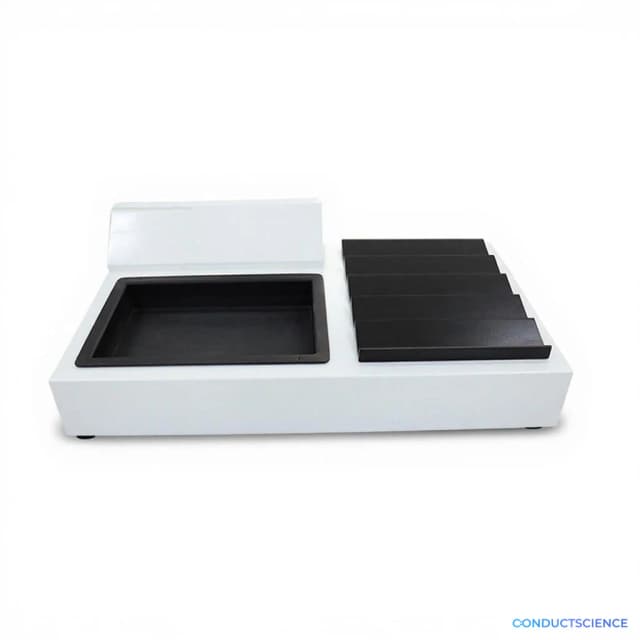
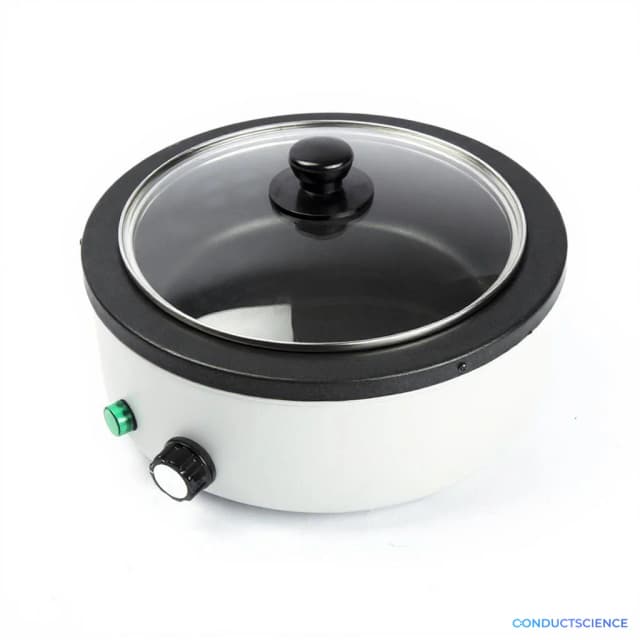
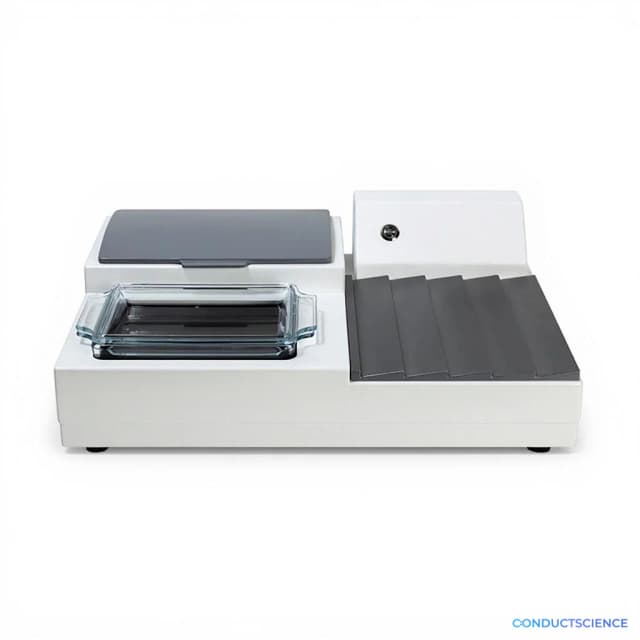
The Tissue Flotation Water Bath provides precise temperature control for histological specimen preparation, maintaining water temperature within ±1°C across a range from room temperature to 99°C. The 240×180×55mm bath tank accommodates standard microscope slides during tissue section flotation, a critical step in paraffin histology workflows where precise thermal control ensures proper section expansion and mounting.
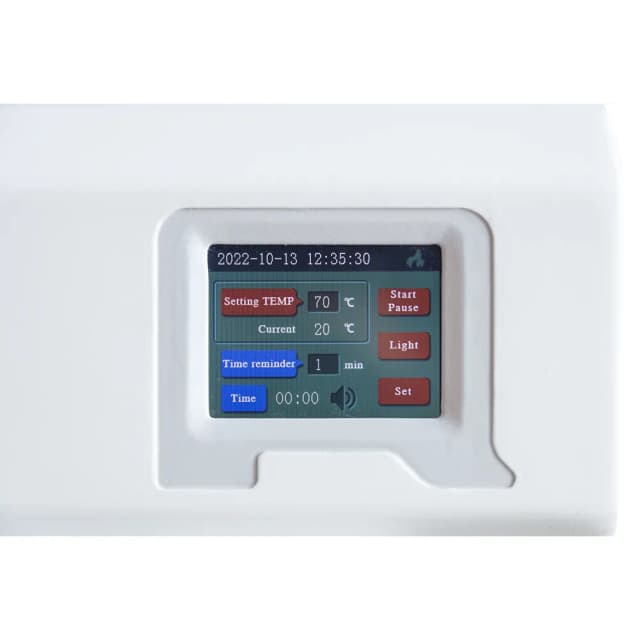
Equipped with an LCD display and over-temperature alarm system (adjustable 1-5°C range), the unit provides visual monitoring and safety protection during extended flotation procedures. The compact design (345×340×130mm external dimensions) fits standard laboratory benchtops while delivering 200W heating capacity for consistent temperature maintenance in ambient conditions from 0-40°C.
How It Works
The tissue flotation water bath operates on controlled convective heating principles to maintain precise water temperature during histological section preparation. When paraffin-embedded tissue sections are cut and placed on the heated water surface, thermal expansion eliminates compression artifacts and section wrinkles that occur during microtomy. The controlled temperature differential between the section and water facilitates uniform expansion without overheating that could damage tissue morphology.
Temperature regulation utilizes feedback control with ±1°C precision across the operational range. The heating element provides uniform thermal distribution throughout the 240×180×55mm bath volume, while the LCD display provides real-time temperature monitoring. The over-temperature alarm system activates when bath temperature exceeds the set point by 1-5°C, preventing thermal damage to specimens and ensuring consistent flotation conditions.
Features & Benefits
Model
- Tissue Flotation Water Bath
Weight
- 6.0 kg
Dimensions
- L: 5.5 mm
- W: 24.0 mm
- H: 18.0 mm
Comparison Guide
| Feature | This Product | Typical Alternative | Advantage |
|---|---|---|---|
| Temperature Precision | ±1°C accuracy across operational range | Entry-level units often provide ±2-3°C precision | Tighter temperature control reduces section-to-section variability in flotation results |
| Temperature Range | RT to 99°C operational range | Basic models may limit range to 60-80°C maximum | Extended range accommodates specialized protocols and various tissue types requiring different flotation temperatures |
| Safety Features | Adjustable over-temperature alarm (1-5°C range) | Simple units often lack temperature alarms | Prevents specimen damage from temperature excursions and provides operator notification of system issues |
| Display Interface | LCD display with real-time temperature readout | Analog dial displays are common in basic models | Digital display provides precise temperature monitoring essential for reproducible histological protocols |
| Bath Dimensions | 240×180×55mm working area | Smaller benchtop units often provide reduced capacity | Larger working area enables batch processing of multiple slides, improving laboratory efficiency |
This water bath combines precise temperature control (±1°C) with safety features and adequate capacity for routine histology applications. The extended temperature range and LCD interface provide operational advantages for laboratories requiring consistent, reproducible tissue section preparation.
Practical Tips
Verify temperature accuracy quarterly using a calibrated reference thermometer placed in the center of the bath.
Why: Temperature drift over time can affect section flotation consistency and tissue morphology.
Change water daily in high-use environments and weekly in routine use to prevent bacterial growth and maintain water clarity.
Why: Contaminated water can introduce artifacts and affect section adhesion to slides.
Allow 15-20 minutes for thermal equilibration before beginning flotation procedures, especially after water changes.
Why: Thermal gradients during heat-up can cause uneven section expansion and poor flotation results.
If sections tear during flotation, reduce temperature by 2-3°C and check for adequate tissue processing and section thickness.
Why: Overheating weakens tissue structure, while proper temperature accommodates slight processing variations.
Document water temperature for each flotation session to enable protocol optimization and result reproducibility.
Why: Temperature variations between sessions can affect section morphology and experimental consistency.
Set over-temperature alarm to 3°C above flotation temperature for most applications to provide adequate safety margin.
Why: Excessive temperatures can cause section damage or tissue artifact formation that compromises diagnostic interpretation.
Use distilled or deionized water to prevent mineral deposits that can affect heating uniformity and water clarity.
Why: Mineral buildup reduces heat transfer efficiency and can create temperature gradients in the bath.
Clean the bath tank weekly with mild detergent to remove paraffin residue and tissue debris.
Why: Accumulated debris can harbor contaminants and interfere with proper section flotation dynamics.
Setup Guide
What’s in the Box
- Tissue Flotation Water Bath main unit
- Power cord
- User manual and operation guide
- Temperature calibration certificate (typical)
- Cleaning and maintenance instructions (typical)
Warranty
ConductScience provides standard one-year manufacturer warranty covering defects in materials and workmanship, with technical support for calibration and operational guidance throughout the warranty period.
Compliance
What temperature range is optimal for paraffin section flotation?
Most paraffin-embedded sections float optimally at 40-45°C, which provides sufficient thermal expansion to eliminate wrinkles without causing section damage. The unit's RT-99°C range accommodates both standard protocols and specialized applications requiring different thermal conditions.
How does the over-temperature alarm function?
The alarm activates when bath temperature exceeds the set point by 1-5°C (user adjustable). This prevents thermal damage to specimens and alerts operators to temperature excursions that could affect section quality or tissue morphology.
What maintenance is required for consistent performance?
Regular water changes with distilled water prevent mineral buildup and maintain clarity. The bath tank should be cleaned periodically to remove any residual paraffin or debris. Temperature calibration verification is recommended annually for critical applications.
How many slides can be processed simultaneously?
The 240×180×55mm bath tank accommodates multiple standard microscope slides (25×75mm) simultaneously. Actual capacity depends on section size and flotation technique, but typically allows batch processing of 6-10 slides.
What factors affect temperature stability during use?
Ambient laboratory temperature (within 0-40°C range), frequency of lid opening, and water volume all influence stability. The 200W heating capacity and ±1°C precision maintain consistent conditions during normal histology workflows.
Can the unit be used for other laboratory heating applications?
While designed for tissue flotation, the controlled temperature range and water bath design allow use for other applications requiring gentle, uniform heating of aqueous solutions within the RT-99°C operational range.
How does this compare to using a simple hot plate for flotation?
Unlike hot plates, this water bath provides uniform temperature distribution, precise control (±1°C), and safety features like over-temperature alarms. Water baths eliminate hot spots that can cause uneven section expansion or thermal damage.
Have a question about this product?
Accessories
Enhance your setup with compatible accessories
Upgrade Options