Tube Dominance Test
Standardized acrylic tube apparatus for quantitative assessment of social dominance and hierarchy behaviors in mice and rats through controlled competitive interactions.
| warranty_length | 1 YEAR |
| storage_included | Yes |
| assembly_required | Yes |
| Automation Level | manual |
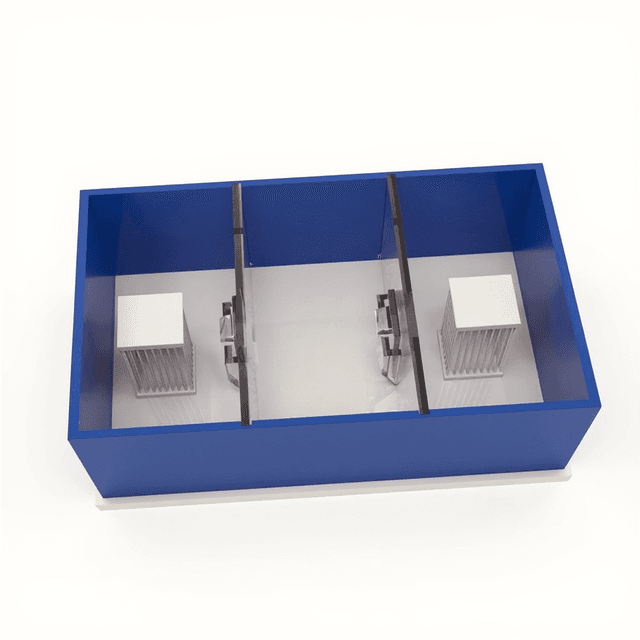
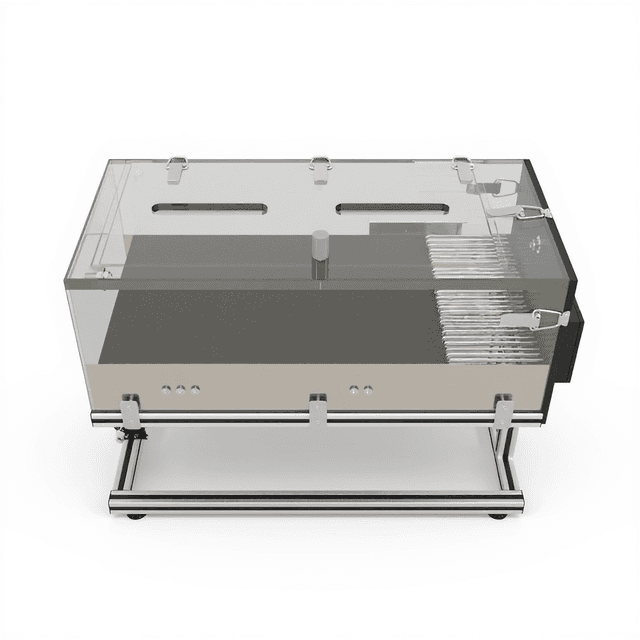
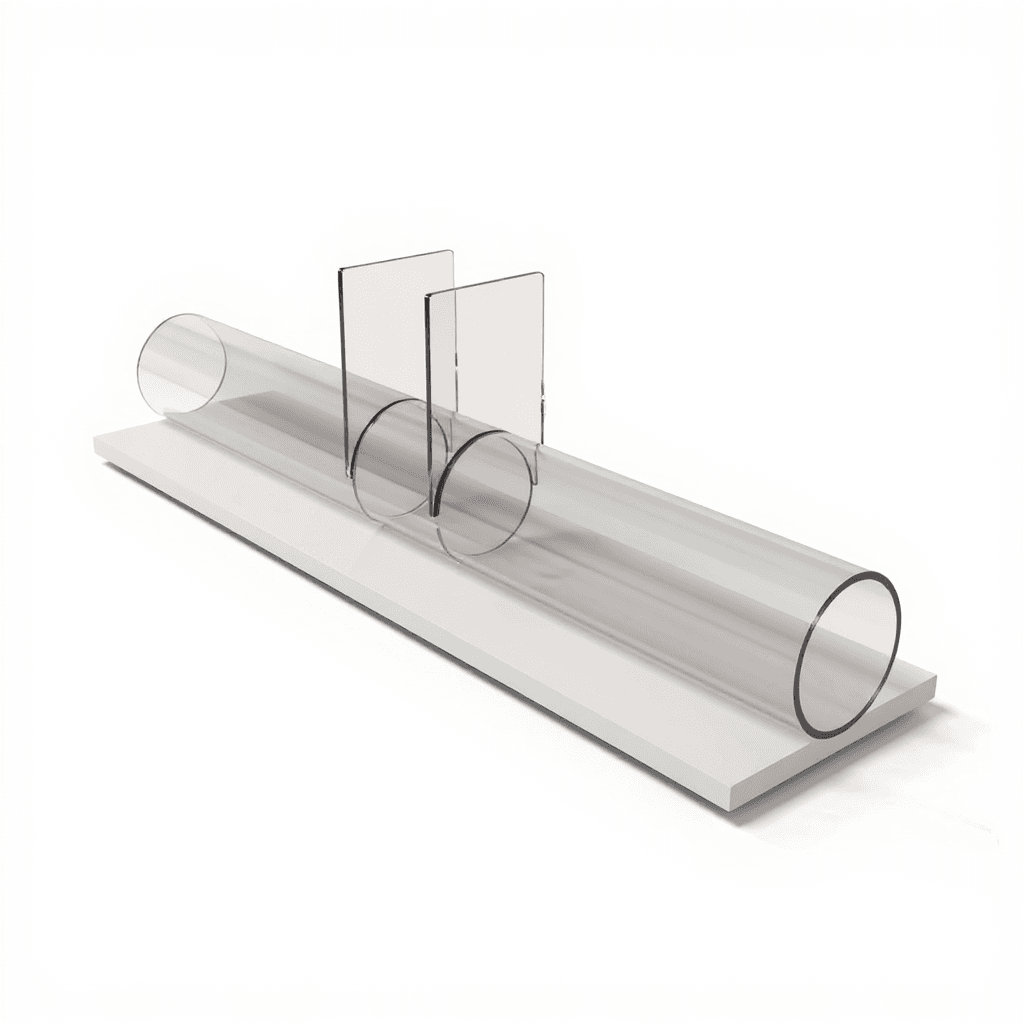
The Tube Dominance Test is a standardized apparatus for assessing social hierarchy and dominance behaviors in rodents. This behavioral assay utilizes a transparent acrylic tube with controlled entry points to evaluate competitive interactions between two animals, providing quantitative measures of dominance relationships within social groups.
The apparatus features species-specific dimensions optimized for mouse and rat studies, with precise spacing between entry doors and standardized tube diameters. The test paradigm measures displacement behaviors when two animals encounter each other in the confined tube space, allowing researchers to establish dominance rankings and investigate social behavioral phenotypes in various experimental contexts.
How It Works
The tube dominance test operates on the principle of competitive displacement behavior in a spatially restricted environment. When two animals are introduced simultaneously from opposite ends of the tube, their natural territorial and competitive instincts drive behavioral interactions that reveal dominance relationships.
The standardized tube dimensions create a controlled spatial constraint where only one animal can occupy the central space comfortably. The animal that successfully displaces its opponent by forcing it to retreat through its entry point demonstrates dominant behavior. Multiple trials between pairs establish consistent dominance rankings.
The transparent acrylic construction allows for direct behavioral observation and video recording, enabling detailed analysis of interaction patterns, latency to displacement, and behavioral strategies employed during competitive encounters.
Features & Benefits
warranty_length
- 1 YEAR
storage_included
- Yes
assembly_required
- Yes
Behavioral Construct
- Social Dominance
- Competitive Behavior
- Social Hierarchy
- Territorial Behavior
- Displacement Behavior
Automation Level
- manual
Research Domain
- Aging Research
- Anxiety and Depression
- Behavioral Pharmacology
- Neurodegeneration
- Neuroscience
- Social Behavior
Species
- Mouse
- Rat
Weight
- 6.06 lbs
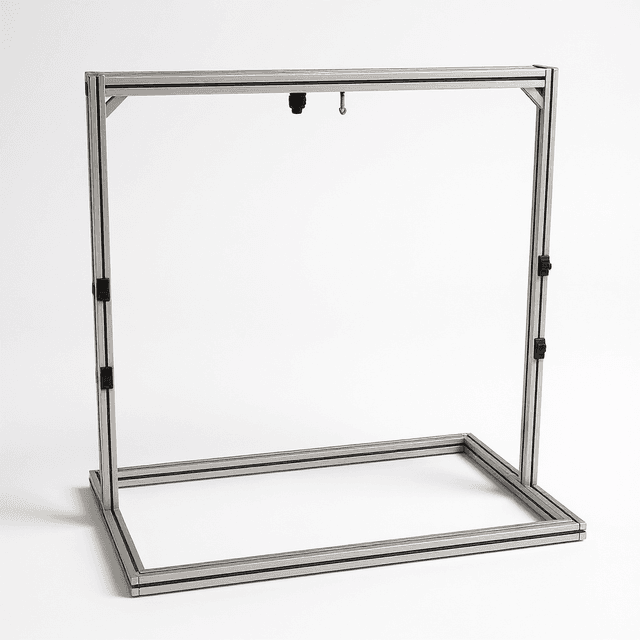
Dimensions
- L: 65.0 in
- W: 36.0 in
- H: 27.0 in
Comparison Guide
| Feature | This Product | Typical Alternative | Advantage |
|---|---|---|---|
| Species-Specific Sizing | Dedicated mouse (3.5cm) and rat (5.5cm) diameter configurations | Single-size designs requiring manual scaling | Optimized dimensions ensure appropriate spatial constraints for natural competitive behaviors in each species. |
| Construction Material | 0.6cm thick transparent acrylic construction | Thinner materials or opaque constructions | Robust walls withstand repeated use while maintaining optical clarity for behavioral observation. |
| Assembly Design | Modular assembly with included storage system | Fixed construction designs | Facilitates thorough cleaning, sterilization, and compact laboratory storage between sessions. |
| Dimensional Standardization | Precise door spacing (4cm mouse, 8cm rat) with standardized entry distances | Variable or non-standardized dimensions | Consistent spatial parameters ensure reproducible results across different research groups and studies. |
This apparatus provides species-optimized dimensions with robust acrylic construction and modular assembly design. The standardized spatial parameters support reproducible dominance testing protocols across laboratory settings.
Practical Tips
Verify tube alignment and door spacing measurements before initial use and periodically during extended studies.
Why: Precise spatial parameters are critical for standardized behavioral responses and reproducible dominance measurements.
Disassemble apparatus weekly for thorough cleaning and inspect acrylic surfaces for scratches that could affect visibility.
Why: Regular maintenance prevents contamination buildup and ensures optimal optical clarity for behavioral observation.
Conduct habituation trials with individual animals before pairwise testing to reduce novelty effects on competitive behavior.
Why: Familiarity with the apparatus environment isolates dominance behaviors from exploration responses.
Randomize testing order and time intervals between trials to control for temporal effects on dominance expression.
Why: Systematic randomization prevents confounding variables from influencing dominance hierarchy establishment.
Record multiple trials between each animal pair and analyze consistency of dominance outcomes across sessions.
Why: Statistical verification of dominance relationships requires multiple data points to distinguish stable hierarchies from random interactions.
If animals avoid entering the tube, reduce environmental stressors and ensure appropriate temperature and lighting conditions.
Why: Environmental comfort is essential for natural competitive behaviors to emerge during dominance testing.
Monitor animal interactions continuously and terminate trials if aggressive behaviors exceed normal competitive displacement.
Why: Ensuring animal welfare while maintaining scientific validity requires careful observation of behavioral escalation.
Setup Guide
What’s in the Box
- Acrylic tube sections for assembly (typical)
- Connecting hardware and fasteners (typical)
- Assembly instructions and setup guide (typical)
- Storage organization system
- User manual with testing protocols (typical)
- Warranty documentation
Warranty
ConductScience provides a one-year manufacturer warranty covering defects in materials and workmanship, with technical support available for experimental protocol optimization and apparatus maintenance.
Compliance
References
Background reading relevant to this product:
What is the recommended trial duration for dominance testing?
Standard protocols typically employ 3-5 minute trials with multiple repetitions between pairs to establish consistent dominance relationships, though specific durations should be optimized for individual experimental designs.
How many animals can be tested simultaneously?
The apparatus is designed for pairwise testing of two animals per trial, with dominance rankings established through systematic testing of all possible pairs within a social group.
What cleaning protocols are recommended between trials?
Thorough cleaning with 70% ethanol between trials removes scent traces that could influence subsequent behavioral interactions, with complete disinfection recommended between different experimental groups.
Can the apparatus accommodate juvenile animals?
The standardized dimensions are optimized for adult animals; consult product datasheet for specific size requirements when testing juvenile or smaller animal strains.
How is dominance determined from the behavioral interactions?
Dominance is typically scored based on which animal successfully forces its opponent to retreat through the entry door, with multiple trials establishing statistical significance of dominance relationships.
What video recording setup is recommended?
Overhead camera positioning provides optimal visibility of displacement behaviors, with additional side-angle recording useful for detailed behavioral analysis and latency measurements.
How does this compare to other dominance testing methods?
The tube test provides more controlled spatial constraints compared to home cage observations, offering standardized conditions for quantitative dominance assessment with reduced environmental variables.
Have a question about this product?
Accessories
Enhance your setup with compatible accessories
Frequently Bought Together