
1 / 2
Cheeseboard Maze
SKU CS-958409
$1,990.00
IncludesStandard care
Circular elevated maze with 32 radial wells for spatial learning, working memory, and foraging behavior assessment in mice and rats.
CE MarkedBAA available
Scientist guidance

Louise Corscadden, PhD
Director of Science · ConductScience
Ask Louise about Cheeseboard Maze fit, setup, configuration, or quote prep.
Already working with us? Sign in to connect this with My Scientist.
Key Specifications
Full details →- Model fit
- Mouse, Rat
- SKU family
- CS-958409
- Sizing
- Mouse: Diameter of wells 3.1 cm · Depth of wells 1.3 cm; Rat: Diameter of wells 4.1 cm · Depth of wells 1.7 cm
- Ordering
- Online checkout and quote request available
- Category
- Behavioral Mazes
- Build notes
- Confirm accessories, station layout, and support needs before purchase
The Cheeseboard Maze is a circular behavioral testing platform designed for assessing spatial learning, working memory, and foraging behavior in rodents. Constructed from grey painted acrylic with 32 strategically positioned wells arranged in a radial pattern, this elevated maze system provides a controlled environment for hippocampus-dependent learning paradigms. The circular platform features wells distributed between 20-60 cm from center (species-dependent), with each well capable of accommodating plastic bottle caps for reward delivery.
Available in mouse and rat configurations, the maze incorporates visual stimulus capabilities through flag-equipped caps for non-spatial testing protocols. The rear section remains well-free, serving as a habituation zone for experimental protocols. The elevated design (75-100 cm above floor) ensures proper behavioral responses while the radial well arrangement allows for complex spatial pattern learning assessments and reference memory evaluation.
How It Works
The Cheeseboard Maze operates on the principle of spatial reference memory and working memory assessment through foraging behavior. Animals must learn and remember the locations of baited wells among 32 possible positions arranged in a radial pattern. The task requires subjects to develop spatial maps using distal environmental cues while avoiding previously visited locations within a session (working memory) and remembering consistently baited locations across sessions (reference memory).
The circular design with radial well distribution creates a spatial learning environment similar to natural foraging contexts. Visual stimuli can be introduced through flag-equipped bottle caps for non-spatial control conditions, allowing researchers to dissociate spatial from non-spatial learning strategies. The elevated platform design encourages exploration while the well depth and diameter specifications ensure reliable reward detection and consumption.
Performance metrics include latency to find baited wells, number of errors (visits to unbaited wells), search strategy analysis, and path efficiency measures. The rear habituation zone allows for controlled introduction to the apparatus before testing begins.
Features & Benefits
32 radially distributed wells
Provides sufficient spatial complexity for robust assessment of working memory and reference memory capabilities
Species-specific dimensions
Optimized well diameter, depth, and platform size ensure appropriate scaling for mouse (3.1 cm wells) and rat (4.1 cm wells) behavioral responses
Elevated platform design
Encourages exploration behavior while providing clear spatial boundaries for consistent behavioral protocols
Flag-equipped visual stimulus caps
Enables non-spatial control conditions to distinguish between spatial and non-spatial learning strategies
Grey painted acrylic construction
Provides durable, easy-to-clean surface with neutral coloring that minimizes visual bias in spatial navigation
Bottle cap compatibility system
Allows standardized reward delivery and easy reconfiguration of baited well patterns between experimental sessions
Dedicated habituation zone
Rear well-free area enables controlled introduction to the apparatus, reducing stress-related confounds in spatial learning assessment
Sizes by model
| Measurement | Mouse | Rat |
|---|---|---|
| Diameter of wells | 3.1 cm | 4.1 cm |
| Depth of wells | 1.3 cm | 1.7 cm |
| Height of flagpole | 15 cm | 20 cm |
| Length of flag | 3 cm | 3.9 cm |
| Width of flag | 3 cm | 3.9 cm |
- Mouse: Diameter of circular board: 92cm
- Mouse: Thickness of circular board: 3cm
- Mouse: Height of maze above the floor: 75cm
- Mouse: Position of wells: 20–45 cm from the center
- Rat: Diameter of circular board: 122cm
- Rat: Thickness of circular board: 4cm
- Rat: Height of maze above the floor:99.8cm
- Rat: Position of wells: 26.6–60 cm from the center
Shipping weight
- 6.06 lb
Shipping box
- L: 65.0 cm
- W: 36.0 cm
- H: 27.0 cm
| Feature | This Product | Typical Alternative | Advantage |
|---|---|---|---|
| Number of Choice Points | 32 wells in radial arrangement | Traditional radial arm mazes typically offer 8-12 arms | Higher spatial complexity allows for more sophisticated working memory protocols and reduces ceiling effects in cognitive assessment |
| Platform Design | Open circular platform with distributed wells | Maze designs often constrain movement to specific pathways | Naturalistic foraging environment allows expression of species-typical search behaviors without geometric constraints |
| Visual Stimulus Integration | Flag-equipped caps for non-spatial control conditions | Many spatial mazes lack integrated cue-based control protocols | Built-in capability to dissociate spatial from non-spatial learning strategies within the same apparatus |
| Species Configurations | Purpose-built mouse and rat versions with optimized scaling | Generic maze sizes often require adaptation for different species | Species-appropriate well dimensions and platform scaling ensure optimal behavioral responses and data reliability |
The Cheeseboard Maze provides a comprehensive spatial learning assessment platform with 32 choice points, integrated visual stimulus capabilities, and species-specific optimization. The open-field design promotes naturalistic foraging behavior while maintaining experimental control for hippocampus-dependent learning protocols.
| Model | Size | SKU | Listed price | Status | Shipping box |
|---|---|---|---|---|---|
| Mouse | Diameter of wells 3.1 cm · Depth of wells 1.3 cm · Height of flagpole 15 cm · Length of flag 3 cm | CS-958409 | $1,890.00 | Available | 65.0 x 36.0 x 27.0 cm |
| Rat | Diameter of wells 4.1 cm · Depth of wells 1.7 cm · Height of flagpole 20 cm · Length of flag 3.9 cm | CS-958409 | $1,990.00 | Available | 65.0 x 36.0 x 27.0 cm |
Neuroscience
Assessment of hippocampal function and spatial memory formation through foraging paradigms that require animals to remember well locations and develop efficient search strategies.
Behavioral Pharmacology
Evaluation of cognitive-enhancing or impairing drug effects on spatial working memory and reference memory using standardized well-baited protocols.
Learning and Memory
Investigation of spatial pattern learning and memory consolidation through repeated exposure to baited well configurations over multiple testing sessions.
Neurodegeneration
Longitudinal assessment of progressive cognitive decline in animal models of Alzheimer's disease and other neurodegenerative conditions through spatial memory performance.
Aging Research
Characterization of age-related changes in spatial cognition and foraging efficiency by comparing performance across different age cohorts.
Practical Tips
Best Practices
Clean the platform thoroughly between subjects using 70% ethanol to eliminate olfactory cues that could influence spatial navigation.
Why: Residual odor trails can provide unintended navigation cues that confound spatial learning assessment.
Calibration
Verify well depth measurements periodically and ensure bottle caps sit consistently flush with platform surface.
Why: Inconsistent well depth or cap positioning can affect reward accessibility and introduce behavioral artifacts.
Maintenance
Inspect acrylic surface regularly for scratches or damage that could create unwanted visual landmarks.
Why: Surface irregularities may provide proximal visual cues that interfere with distal cue-based spatial navigation.
Data Quality
Record multiple dependent variables including latency, errors, path efficiency, and search strategy to capture different aspects of spatial cognition.
Why: Single measures may miss important cognitive changes and comprehensive analysis provides more robust behavioral characterization.
Troubleshooting
If animals show preference for specific well locations, rotate the platform orientation between sessions while maintaining distal cues.
Why: Platform rotation helps distinguish between true spatial learning and potential response biases to local cues.
Safety
Ensure platform stability and check elevation support structure before each testing session.
Why: Platform movement during testing can create aversive experiences that interfere with natural exploratory behavior.
Setup Guide
Unpack and Inspect
Remove the circular acrylic platform and support structure from packaging, inspecting for any damage to the grey painted surface or well integrity.
Platform Assembly
Assemble the elevation support system and secure the circular platform at the specified height (75 cm for mouse, 99.8 cm for rat configuration).
Well Preparation
Insert plastic bottle caps into designated wells according to your experimental protocol, ensuring caps sit flush with the platform surface.
Environmental Setup
Position the maze in a well-lit room with consistent distal visual cues that animals can use for spatial orientation and navigation.
Baiting Configuration
Place food rewards in designated wells according to your experimental design, using consistent reward types and quantities.
Video Recording Setup
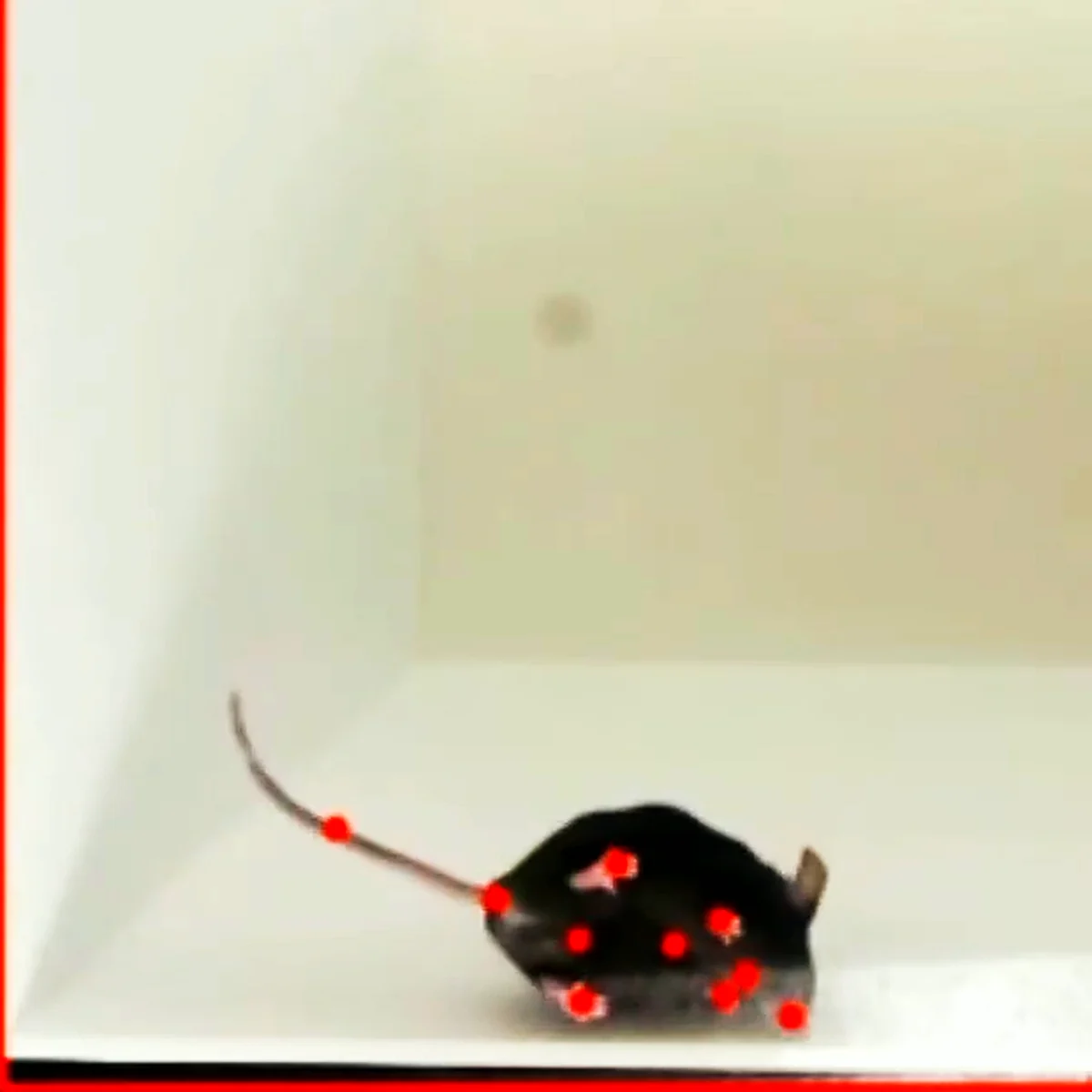
Install overhead video recording equipment to track animal movement patterns and calculate performance metrics.
Habituation Protocol
Conduct initial habituation sessions using the rear well-free section before beginning formal testing protocols.
What’s in the Box
- Circular acrylic platform (grey painted)
- Elevation support structure
- 32 plastic bottle caps
- Flag-equipped stimulus caps for visual cues
- Assembly hardware
- User manual with protocol guidelines (typical)
Warranty
ConductScience provides a one-year manufacturer warranty covering material defects and workmanship, with technical support for experimental protocol optimization.
Compliance
ARRIVE GuidelinesSupports standardized reporting of spatial learning experiments through consistent apparatus specifications and behavioral outcome measures
IACUC Protocol RequirementsFacilitates institutional animal care committee approval through well-established behavioral testing paradigms with defined endpoints
NIH Guidelines for Research Involving Recombinant DNACommonly used in transgenic animal model characterization studies subject to NIH oversight requirements
References
Background reading relevant to this product:
1.Herbert Schwegler et al. (1990) “Hippocampal mossy fibers and radial-maze learning in the mouse: A correlation with spatial working memory but not with non-spatial reference memory” Neuroscience doi:10.1016/0306-4522(90)90139-u
2.Jennifer Alamed et al. (2006) “Two-day radial-arm water maze learning and memory task; robust resolution of amyloid-related memory deficits in transgenic mice” Nature Protocols doi:10.1038/nprot.2006.275
3.Kinga Gaweł et al. (2018) “Assessment of spatial learning and memory in the Barnes maze task in rodents—methodological consideration” Naunyn-Schmiedeberg s Archives of Pharmacology doi:10.1007/s00210-018-1589-y
4.Charles V. Vorhees et al. (2006) “Morris water maze: procedures for assessing spatial and related forms of learning and memory” Nature Protocols doi:10.1038/nprot.2006.116
Q
What is the optimal inter-trial interval for spatial working memory protocols?
A
Consult behavioral literature for species-specific recommendations, typically ranging from 30 seconds to several minutes depending on experimental design and memory retention requirements.
Q
How do I distinguish between spatial and non-spatial learning strategies?
A
Use flag-equipped visual stimulus caps in control conditions and analyze search patterns - spatial learners show organized search strategies while non-spatial learners rely on visual cues or random searching.
Q
What environmental cues should be present for optimal spatial learning?
A
Maintain consistent distal visual landmarks around the testing room while minimizing proximal cues on the maze itself to encourage hippocampus-dependent spatial navigation.
Q
How many training sessions are typically required for acquisition?
A
Protocol-dependent, but most studies use 5-10 training sessions with multiple trials per session to establish stable baseline performance before experimental manipulation.
Q
What food rewards work best for motivation without satiation?
A
Use small, highly palatable rewards like sucrose pellets or food crumbs, adjusting quantity based on body weight and maintaining 85-90% free-feeding weight for optimal motivation.
Q
Can the maze be modified for different well configurations?
A
Yes, wells can be selectively baited or covered to create various spatial patterns, though the fixed 32-well radial arrangement provides the structural framework.
Have a question about this product?
Track rodents with ConductVision
ConductVision is our video-tracking software. Record your sessions on video, and it scores standard rodent tests, such as those listed below.
Examples of tests it scores
To check whether ConductVision scores your protocol in this apparatus, ask in your quote request.
Ask a question
Have a question? Just ask.
Send it over and we'll email you a personalized answer — no call, no scheduling.
Personalized email reply
Usually within one business day
Helpful answers published here
Prefer to talk it through?
Accessories
Enhance your setup with compatible accessories
Total: $0.00
Frequently Bought Together
Total: $3,230.00

Cheeseboard Maze
$1,990.00
Added to quoteView Quote