UV Transilluminator
Dual-wavelength UV transilluminator with 254nm/365nm reflection and 302nm transmission capabilities for nucleic acid detection in gel electrophoresis applications.
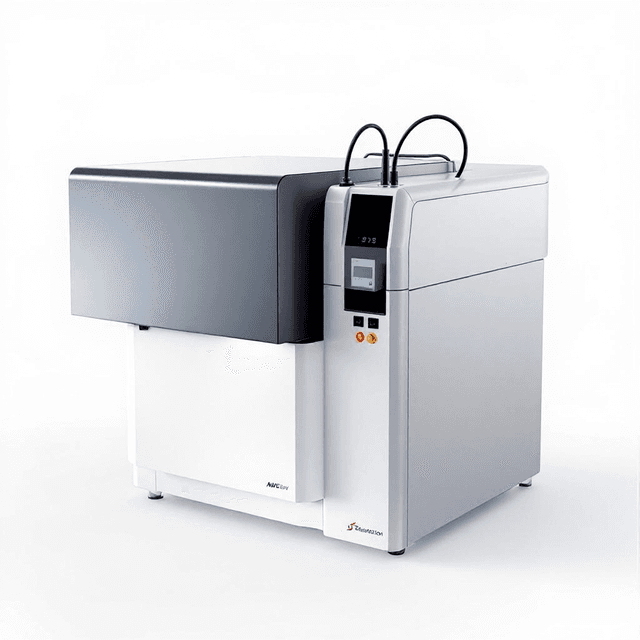
The UV Transilluminator provides dual-wavelength ultraviolet illumination for nucleic acid detection and documentation in gel electrophoresis applications. This benchtop instrument features both reflection (254nm, 365nm) and transmission (302nm) UV capabilities, enabling visualization of DNA and RNA bands stained with ethidium bromide, SYBR dyes, or other UV-responsive fluorophores.
The system incorporates ten 6W UV lamps with selectable wavelengths to accommodate different fluorescent dyes and detection requirements. The 200×150mm transmission filter and 200×80mm reflection filter provide adequate viewing area for standard gel formats, while the integrated 60W visible light source facilitates sample positioning and documentation under standard illumination conditions.
How It Works
UV transillumination operates on the principle of fluorophore excitation by ultraviolet radiation. DNA and RNA molecules intercalated with fluorescent dyes absorb UV energy at specific wavelengths, causing electrons to transition to higher energy states. Upon returning to ground state, the fluorophores emit visible light at longer wavelengths, making nucleic acid bands visible against the gel matrix.
The instrument provides three distinct UV wavelengths optimized for different applications: 254nm for direct DNA absorption visualization, 302nm for reduced photodamage during band excision procedures, and 365nm for certain specialized fluorophores. The transmission mode illuminates samples from below through the filter, while reflection mode provides top-down illumination for surface-level detection. The visible light source enables safe sample handling and precise band cutting without UV exposure.
Features & Benefits
Weight
- 7.0 lbs
Dimensions
- L: 53.5 in
- W: 48.0 in
- H: 39.5 in
Comparison Guide
| Feature | This Product | Typical Alternative | Advantage |
|---|---|---|---|
| UV Wavelength Options | Triple wavelength capability (254nm, 365nm reflection; 302nm transmission) | Entry-level models often provide single wavelength, usually 302nm only | Multiple wavelengths accommodate different fluorophore requirements and enable optimized detection for various dye systems |
| Illumination System | Ten 6W UV lamps providing distributed illumination | Basic models may use fewer lamps or lower wattage configurations | Higher lamp count ensures more uniform illumination across the viewing area, reducing intensity variations |
| Filter Configuration | Dual filter system with separate transmission (200×150mm) and reflection (200×80mm) options | Single filter systems limit illumination mode flexibility | Supports both bottom-up and top-down illumination modes for different gel types and applications |
| Visible Light Integration | Integrated 60W visible light source | Many UV-only units require separate lighting for sample positioning | Enables safe sample manipulation and precise band identification without UV exposure |
| Filter Viewing Area | 200×150mm transmission filter accommodates standard gel formats | Compact models may offer smaller viewing areas limiting gel size options | Larger viewing area supports multiple gel formats and allows documentation of full gel images |
This transilluminator offers comprehensive UV wavelength selection and dual illumination modes in a benchtop format. The ten-lamp configuration with integrated visible lighting provides operational flexibility for various fluorescence detection applications while maintaining user safety protocols.
Practical Tips
Test illumination uniformity periodically using fluorescent test gels or standards to identify lamp degradation or uneven output.
Why: Ensures consistent fluorescence excitation across the viewing area for reliable band detection and quantification.
Clean filter surfaces weekly with ethanol or methanol to remove fluorophore residues and contamination.
Why: Prevents background fluorescence that can interfere with band visualization and reduce image contrast.
Use the 302nm wavelength for band excision procedures to minimize photodamage during DNA recovery.
Why: Reduces UV-induced DNA fragmentation while maintaining sufficient fluorescence for accurate band identification.
Always use the visible light mode for initial sample positioning before switching to UV illumination.
Why: Minimizes UV exposure time and reduces risk of skin and eye damage during routine gel handling procedures.
Allow the UV lamps to warm up for 2-3 minutes before critical documentation to ensure stable light output.
Why: Prevents intensity variations during imaging that could affect quantitative analysis and band comparison.
If fluorescence appears dim, check for proper gel-to-filter contact and verify the correct wavelength selection for your fluorophore.
Why: Poor contact or wavelength mismatch are common causes of reduced signal intensity in fluorescence applications.
Position the transilluminator away from direct ambient light sources to improve fluorescence contrast during visualization.
Why: Reduces background interference and enhances the signal-to-noise ratio for better band detection sensitivity.
Setup Guide
What’s in the Box
- UV Transilluminator main unit
- Power cord (220V)
- UV safety shield (typical)
- User manual and safety guidelines
- UV protective eyewear (typical)
- Gel cutting tools (typical)
Warranty
ConductScience provides a standard one-year manufacturer warranty covering defects in materials and workmanship, with technical support available for troubleshooting and operational guidance.
Compliance
References
Background reading relevant to this product:
What fluorescent dyes are compatible with the available wavelengths?
The 254nm wavelength works with ethidium bromide and propidium iodide, 302nm is optimal for SYBR dyes and reduced photodamage applications, while 365nm accommodates DAPI and certain methylene blue formulations. Consult dye manufacturer specifications for excitation/emission profiles.
How uniform is the illumination across the filter area?
The ten-lamp configuration provides distributed illumination, though uniformity should be verified using fluorescent test gels. Edge effects may occur at filter boundaries, particularly with the smaller reflection filter format.
Can this unit be used for band excision procedures?
Yes, the 302nm transmission wavelength is specifically designed for reduced photodamage during band cutting. The visible light option allows precise positioning before UV exposure, minimizing DNA degradation during excision.
What gel formats fit on the filter surfaces?
The 200×150mm transmission filter accommodates most standard mini-gel formats, while the 200×80mm reflection filter is suited for smaller gels or specific viewing areas. Verify gel dimensions against filter specifications before use.
How should UV safety be managed during operation?
Use appropriate UV-blocking eyewear and face shields, limit exposure time, and ensure adequate room ventilation. The visible light mode should be used for sample positioning to minimize UV exposure duration.
What maintenance is required for optimal performance?
Regular filter cleaning with appropriate solvents prevents fluorescence interference, while periodic lamp inspection ensures consistent output. Replace UV lamps when illumination intensity decreases noticeably or becomes uneven.
Can the unit connect to imaging systems for documentation?
The transilluminator provides illumination only; documentation requires separate camera systems or gel imaging equipment positioned above the UV-transparent viewing area. Ensure imaging equipment has appropriate UV filters.
Have a question about this product?
Accessories
Enhance your setup with compatible accessories