Visual Cliff Test
Behavioral apparatus for assessing depth perception and visual development in rodents using an apparent cliff created by elevated transparent plexiglass over checkered patterns.
| warranty_length | 1 YEAR |
| chamber_design | Single chamber |
| assembly_required | Yes |
| storage_included | Yes |
| test_duration | 20 minutes |
| apparatus_positioning | Partially overhangs from edge of support surface |

The Visual Cliff Test is a specialized behavioral apparatus designed to assess depth perception and visual development in rodents. Based on the seminal work of Gibson and Walk (1960), this apparatus creates an apparent cliff using a transparent plexiglass surface positioned above a checkered pattern, allowing researchers to evaluate an animal's ability to perceive depth and avoid potentially dangerous edges.
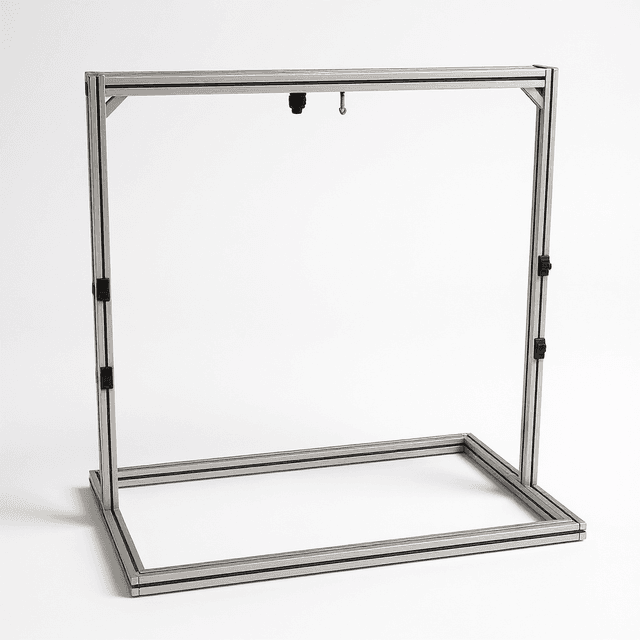
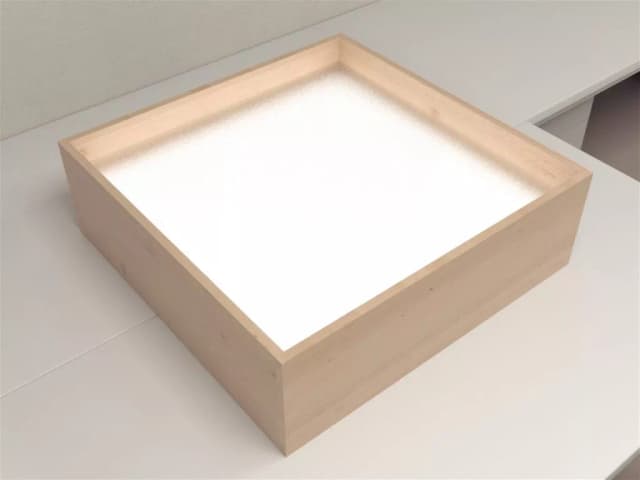
The apparatus features a single-chamber design with species-specific dimensions optimized for mouse (60cm x 60cm) or rat (79.8cm x 79.8cm) testing. The transparent glass plate is elevated 1m (mouse) or 1.33m (rat) above ground level, with checkered patterned wallpaper positioned beneath half of the surface to create visual depth cues. The apparatus is compatible with video tracking systems including Noldus EthoVision XT and ANY-Maze for automated behavioral analysis.
How It Works
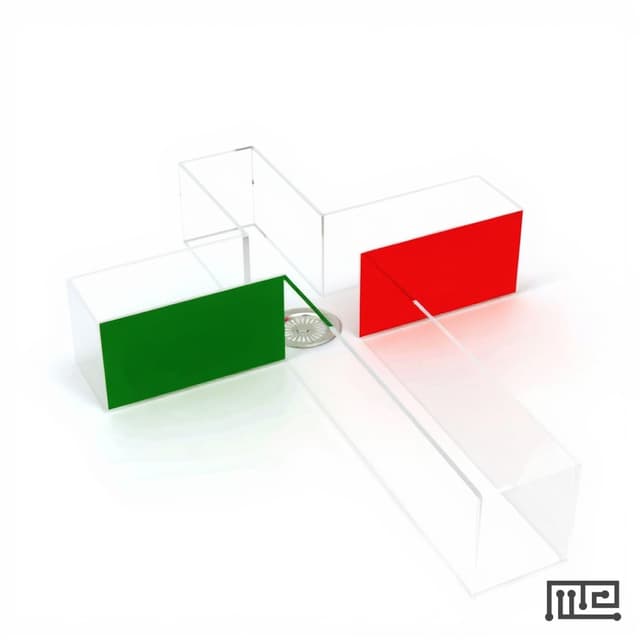
The Visual Cliff Test exploits the fundamental visual system's ability to interpret depth cues through binocular disparity and motion parallax. The apparatus creates an optical illusion of depth by positioning a transparent plexiglass surface above a high-contrast checkered pattern on one side (shallow side) while the other side extends over empty space (deep side), creating the appearance of a cliff edge.
When placed at the junction between the shallow and deep sides, animals with intact depth perception will demonstrate cliff avoidance behavior by preferentially remaining on or moving toward the apparent shallow side. The transparent surface provides equal tactile support across both sides, ensuring that behavioral choices reflect visual depth perception rather than physical barriers. The high-contrast checkered pattern enhances visual depth cues through texture gradients and perspective.
Testing sessions typically last 20 minutes, during which researchers record the animal's position, movement patterns, and time spent on each side. The apparatus positioning allows partial overhang from the edge of the support surface, enhancing the cliff illusion while maintaining structural stability.
Features & Benefits
warranty_length
- 1 YEAR
chamber_design
- Single chamber
assembly_required
- Yes
storage_included
- Yes
test_duration
- 20 minutes
apparatus_positioning
- Partially overhangs from edge of support surface
pattern_paper
- Checkered patterned wallpaper
tracking_compatible
- Noldus EthoVision XT or ANY-Maze
Color
- Black
- Blue
- Red
Behavioral Construct
- Depth perception
- Visual discrimination
- Cliff avoidance
- Spatial perception
- Visual development
- Stereopsis
Automation Level
- semi-automated
Material
- Plexiglass
Research Domain
- Aging Research
- Anxiety and Depression
- Behavioral Pharmacology
- Developmental Biology
- Learning and Memory
- Neurodegeneration
- Neuroscience
Species
- Mouse
- Rat
Weight
- 21.0 kg
Dimensions
- L: 43.2 mm
- W: 38.0 mm
- H: 27.9 mm
Comparison Guide
| Feature | This Product | Typical Alternative | Advantage |
|---|---|---|---|
| Platform dimensions | 60cm x 60cm (mouse) or 79.8cm x 79.8cm (rat) with species-optimized sizing | Fixed single-size platforms often compromise testing effectiveness for different species | Species-specific dimensions ensure appropriate spatial scale for natural exploration behaviors and reliable depth perception assessment. |
| Elevation height | 1m height for mouse, 1.33m height for rat with species-appropriate scaling | Single height configurations may not provide adequate depth illusion for all species | Optimized heights create species-appropriate depth perception challenges while maintaining safety and experimental validity. |
| Video tracking integration | Compatible with Noldus EthoVision XT and ANY-Maze tracking systems | Basic apparatus designs often require manual observation and scoring | Automated tracking reduces observer bias and enables precise quantification of spatial and temporal behavioral parameters. |
| Storage and assembly | Includes storage system with user assembly design | Fixed installations require dedicated laboratory space | Flexible setup and storage optimize laboratory space utilization while maintaining consistent apparatus configuration. |
| Testing duration standardization | 20-minute standardized test sessions | Variable or undefined testing periods across different systems | Standardized duration facilitates protocol consistency and cross-study comparisons while balancing assessment completeness with animal welfare. |
This Visual Cliff Test offers species-optimized dimensions and heights with integrated video tracking compatibility and flexible storage solutions. The standardized 20-minute testing protocol with plexiglass construction provides reliable depth perception assessment for both mouse and rat research applications.
Practical Tips
Verify pattern positioning and contrast levels before each testing session to ensure consistent visual depth cues.
Why: Pattern alignment and contrast consistency directly affect the reliability of depth perception assessment.
Clean the plexiglass surface with appropriate non-abrasive cleaners and inspect for scratches that could affect transparency.
Why: Surface clarity is essential for maintaining the visual cliff illusion and preventing confounding visual artifacts.
Maintain consistent ambient lighting conditions and avoid shadows or reflections on the apparatus surface during testing.
Why: Lighting variations can alter depth perception cues and introduce uncontrolled variables affecting behavioral responses.
Allow animals to acclimate to the testing room environment for at least 30 minutes before apparatus exposure.
Why: Environmental acclimation reduces stress-related behavioral alterations that could interfere with depth perception assessment.
If animals show excessive freezing behavior, reduce ambient noise and verify appropriate testing room temperature.
Why: Environmental stressors can suppress natural exploratory behavior necessary for meaningful cliff avoidance assessment.
Record baseline locomotor activity in a neutral environment to distinguish depth-specific avoidance from general activity differences.
Why: Baseline activity measurements help differentiate visual depth perception from general locomotor or anxiety-related behavioral changes.
Inspect apparatus stability and overhang positioning before each use to ensure structural integrity.
Why: Proper apparatus positioning maintains both experimental validity and animal safety during behavioral assessment.
If tracking systems fail to detect animals properly, adjust camera angles and lighting to eliminate shadows or reflections.
Why: Consistent animal detection is essential for accurate behavioral quantification and reliable data collection.
Setup Guide
What’s in the Box
- Plexiglass platform (species-specific dimensions)
- Support structure components
- Checkered patterned wallpaper
- Assembly hardware and fasteners
- Storage container system
- User manual and setup instructions (typical)
- Calibration and validation guide (typical)
Warranty
ConductScience provides a 1-year manufacturer warranty covering defects in materials and workmanship, with technical support for setup and operational guidance.
Compliance
References
Background reading relevant to this product:
What is the recommended acclimation period before testing?
Allow 5-10 minutes for animals to acclimate to the apparatus environment before beginning the 20-minute test session. Monitor for signs of excessive stress or freezing behavior that may interfere with natural exploration.
How do you distinguish between visual depth perception and other avoidance behaviors?
Compare behavior on the visual cliff with control conditions using opaque surfaces at the same height. True depth perception is indicated by selective avoidance of the apparent deep side while showing normal exploration of elevated opaque surfaces.
What tracking parameters should be measured during testing?
Key measures include time spent on shallow vs deep sides, latency to cross to deep side, number of approaches to the cliff edge, and overall locomotor activity. Video tracking systems can automate these measurements with zone-based analysis.
How does age affect visual cliff performance in rodents?
Eye opening occurs around postnatal day 14 in rodents, with depth perception developing over the following weeks. Adult animals typically show robust cliff avoidance, while very young or aged animals may show reduced discrimination.
Can the apparatus be modified for different experimental conditions?
The checkered pattern can be replaced with different visual stimuli to test specific depth cues. Lighting conditions can be adjusted to evaluate vision under various illumination levels, though maintain consistent conditions within experiments.
What are common sources of experimental variability?
Variability can arise from inconsistent lighting, pattern positioning, animal handling stress, or apparatus cleanliness. Standardize all environmental conditions and thoroughly clean between subjects to minimize confounding factors.
How do you validate proper apparatus function?
Test with animals of known visual status (normal and visually impaired) to confirm the apparatus reliably discriminates visual capabilities. Monitor that tracking systems accurately detect animal position across all zones.
Have a question about this product?
Frequently Bought Together