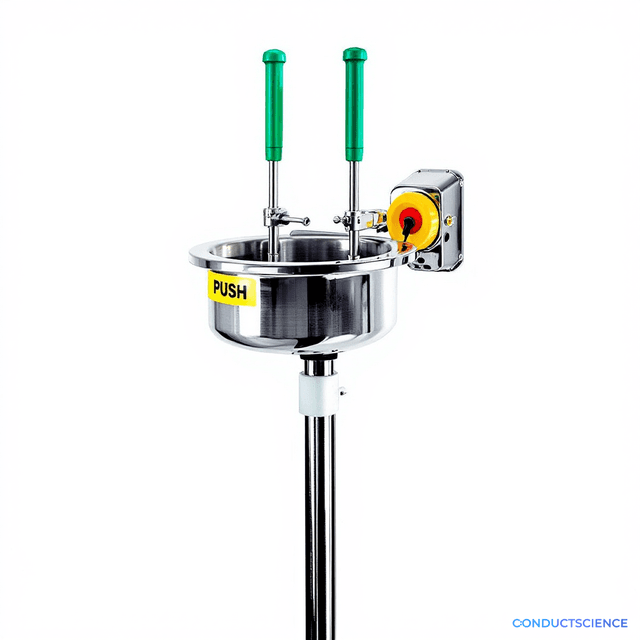
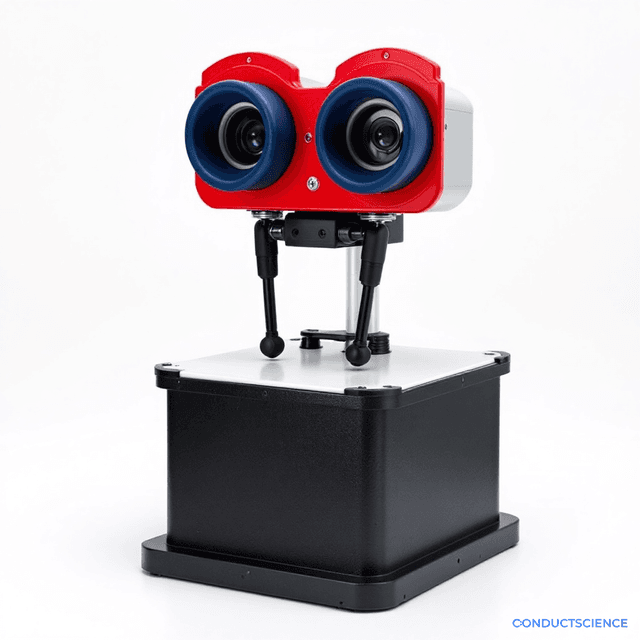
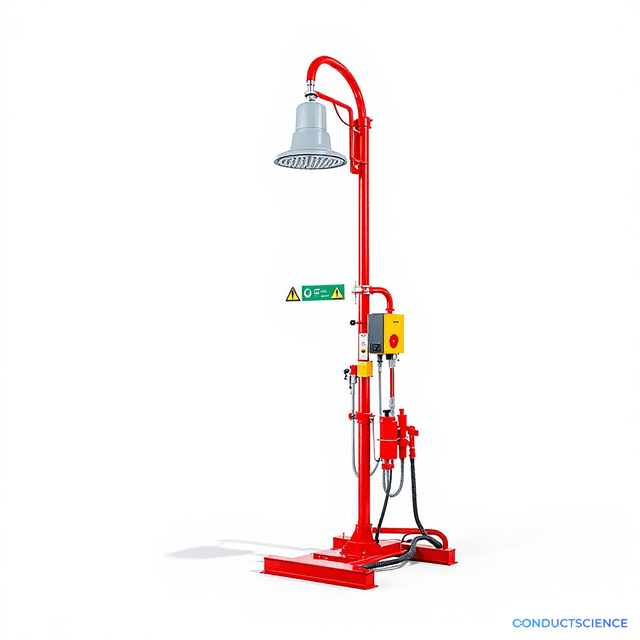
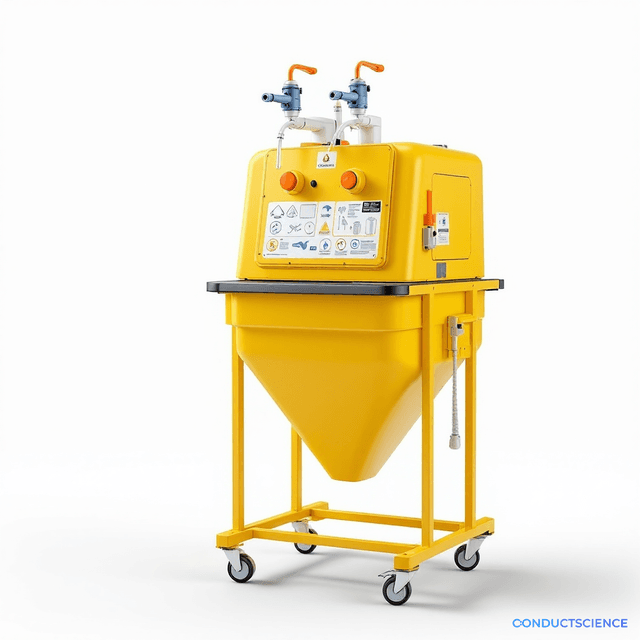
Wall Mounted Eye Washer
Wall-mounted emergency eyewash station for immediate eye irrigation following chemical exposure in laboratory environments.
| Automation Level | manual |
| Brand | ConductScience |

The Wall Mounted Eye Washer provides immediate emergency eye irrigation for laboratory personnel exposed to chemical splashes or hazardous substances. This fixed-installation safety station delivers a controlled stream of water to flush contaminants from the eyes and face, serving as a critical first-aid response system in chemical handling areas.
Designed for permanent mounting in laboratories, chemical storage areas, and preparation rooms, this eyewash station enables rapid decontamination when seconds matter. The wall-mounted configuration maximizes floor space while ensuring accessibility within the recommended 10-second travel distance from chemical work areas. Installation typically requires connection to building water supply and drainage systems according to facility safety protocols.
How It Works
The eyewash station operates through a gravity-fed or pressurized water delivery system that provides immediate irrigation to flush contaminants from the eyes and surrounding facial tissue. When activated, the system delivers water at controlled pressure and flow rate to avoid further injury while ensuring effective decontamination.
The irrigation process relies on continuous water flow to dilute and physically remove chemical contaminants from ocular surfaces. The flushing action helps prevent deeper penetration of hazardous substances into eye tissues and reduces the concentration of irritants or corrosives that may have contacted the eye area. Most systems include dual spray heads to irrigate both eyes simultaneously, with activation mechanisms designed for easy operation even when vision is impaired.
Features & Benefits
Automation Level
- manual
Brand
- ConductScience
Research Domain
- Analytical Chemistry
- Environmental Monitoring
- Industrial Hygiene
- Materials Science
- Microbiology
- Pharmaceutical QC
Weight
- 8.5 kg
Dimensions
- L: 42.0 mm
- W: 43.6 mm
- H: 38.0 mm
Comparison Guide
| Feature | This Product | Typical Alternative | Advantage |
|---|---|---|---|
| Installation Type | Wall-mounted design | Freestanding units require floor space and independent plumbing | Maximizes laboratory floor space while maintaining accessibility near chemical work areas |
| Activation Method | Immediate activation system | Some models require multiple steps or complex mechanisms | Enables rapid response when vision may be impaired by chemical exposure |
| Construction Weight | 8.5 kg unit weight | Portable units are lighter but require regular replacement | Permanent installation eliminates risk of equipment unavailability during emergencies |
| Maintenance Requirements | Fixed plumbing with accessible components | Portable units require frequent replacement and monitoring | Reduces ongoing maintenance costs and ensures consistent emergency readiness |
This wall-mounted eyewash station provides permanent emergency response capability with space-efficient installation and reliable water delivery. The 8.5 kg construction offers durability for laboratory environments while maintaining easy activation during chemical exposure emergencies.
Practical Tips
Mount at appropriate height for average user population and ensure clear approach path without obstacles.
Why: Proper positioning enables effective use during emergency situations when coordination may be impaired.
Flush system weekly and inspect spray heads monthly for mineral buildup or debris blockage.
Why: Regular maintenance ensures proper flow pattern and prevents system failure during emergencies.
Install appropriate signage with clear directional indicators and multilingual emergency instructions.
Why: Clear marking helps personnel locate equipment quickly and use it effectively under stress conditions.
Ensure adequate drainage to prevent slip hazards from water accumulation during use or testing.
Why: Poor drainage can create secondary injury risks during emergency response situations.
Verify water temperature remains within tepid range (60-100°F) to prevent thermal shock during irrigation.
Why: Appropriate water temperature prevents additional injury while ensuring effective contaminant removal.
Check for adequate water pressure if spray pattern appears weak or inconsistent during testing.
Why: Insufficient pressure reduces irrigation effectiveness and may compromise emergency decontamination.
Setup Guide
What’s in the Box
- Wall-mounted eyewash unit (typical)
- Mounting brackets and hardware (typical)
- Plumbing fittings and connections (typical)
- Installation instructions (typical)
- Safety signage (typical)
Warranty
ConductScience provides standard one-year manufacturer warranty covering defects in materials and workmanship. Technical support includes installation guidance and maintenance protocols for optimal system performance.
Compliance
What water pressure range is required for proper operation?
Consult product datasheet for specific operating pressure requirements. Most eyewash stations require 30-90 PSI for appropriate flow rate and spray pattern.
How often should the system be tested and maintained?
Weekly activation testing is recommended to verify proper function, with monthly inspection of spray heads and quarterly maintenance of plumbing connections.
What is the recommended flushing duration for chemical exposures?
Emergency protocols typically recommend 15-minute continuous irrigation for most chemical exposures, though specific duration depends on the contaminant involved.
Can this unit be installed in areas with freezing temperatures?
Installation in freeze-prone areas requires additional freeze protection measures or heated supply lines to prevent system damage and ensure availability.
What drainage requirements are needed for installation?
Adequate floor drainage or direct connection to waste system is required to handle continuous water flow during emergency use and testing procedures.
Are there specific water quality requirements?
Potable water supply is required for eye irrigation. Some facilities may require tepid water systems to maintain appropriate temperature range.
Have a question about this product?