Behavioral Tracking for Medaka
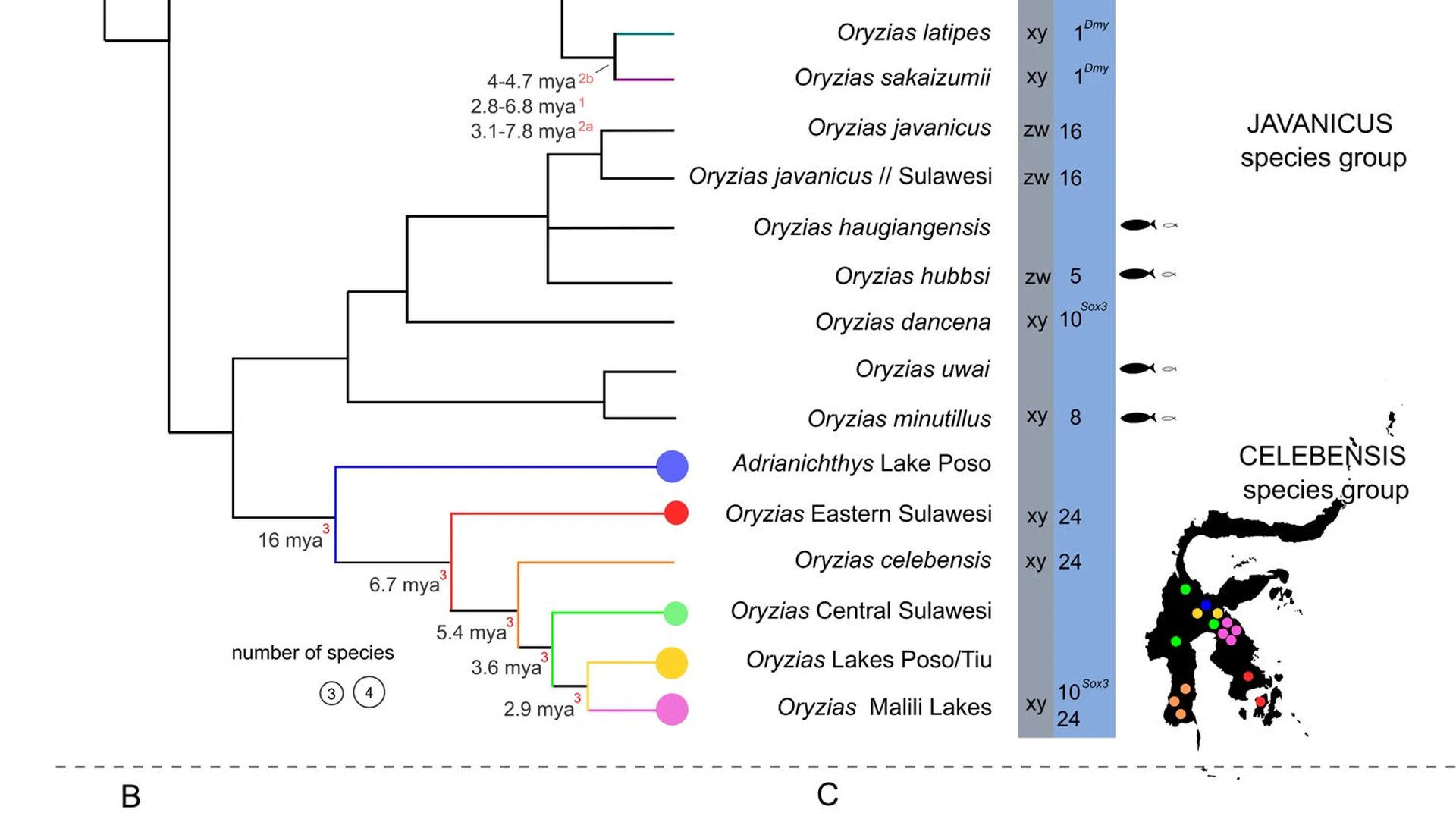
Oryzias latipes
ConductVision delivers automated tracking of medaka social behavior, aggression, courtship, and locomotion. Quantify light/dark preference, open field activity, and predator avoidance in Oryzias latipes.

Why Medaka in Behavioral Research
Medaka (Oryzias latipes) is a small freshwater teleost increasingly used alongside zebrafish in behavioral neuroscience and toxicology. Its tolerance of inbreeding, extensive genetic toolkit, and well-characterized social behavior make it especially valuable for studying aggression, courtship, and neurodegenerative disease models. With a shorter generation time and ease of lab maintenance, medaka offers complementary behavioral paradigms to zebrafish.
Lin CY, et al. (2016). Zebrafish and Medaka: new model organisms for modern biomedical research. J Biomed Sci, 23(1), 19. PMID: 26822757
Matsui H. (2017). The use of fish models to study human neurological disorders. Neurosci Res, 120, 1-7. PMID: 28215820
Kodera K, et al. (2022). Zebrafish, Medaka and Turquoise Killifish for Understanding Human Neurodegenerative/Neurodevelopmental Disorders. Int J Mol Sci, 23(3), 1399. PMID: 35163337
What We Measure in Medaka
Validated assays with quantitative parameter tracking for Oryzias latipes.
Scototaxis assay measuring innate preference for dark environments. Medaka exhibit robust light/dark preference that is sensitive to anxiolytic and anxiogenic compounds, making it a key anxiety-related behavioral endpoint.
| Parameter | Unit | Description |
|---|---|---|
| Time in dark zone | s | Scototaxis preference |
| Zone transitions | count | Exploration/anxiety balance |
| Latency to enter dark | s | Initial avoidance response |
Hong X, et al. (2019). Fish behavior: A promising model for aquatic toxicology research. Sci Total Environ, 686, 311-321. PMID: 31181518
Two-choice social preference assay quantifying time spent near conspecifics versus empty compartments. Medaka display measurable social approach that differs from zebrafish social behavior.
| Parameter | Unit | Description |
|---|---|---|
| Time near conspecific | s | Social approach |
| Inter-individual distance | mm | Proximity metric |
| Approach latency | s | Social motivation |
Lucon-Xiccato T, et al. (2022). Comparison of anxiety-like and social behaviour in medaka and zebrafish. Sci Rep, 12(1), 10892. PMID: 35764691
Mirror-elicited aggressive display quantifying lateral displays, frontal approaches, and bite attempts. Medaka exhibit rank-dependent aggression modulated by GnRH and kisspeptin signaling.
| Parameter | Unit | Description |
|---|---|---|
| Lateral display duration | s | Agonistic signaling |
| Frontal approach frequency | count | Escalation behavior |
| Bite attempts | count | Combat intensity |
Kagawa N, et al. (2017). Social rank-dependent expression of GnRH and kisspeptin in the medaka brain. Gen Comp Endocrinol, 249, 66-72. PMID: 28279673
Standard locomotor and anxiety assay measuring total distance, center occupancy, and thigmotaxis. Medaka open field behavior develops with age and is sensitive to pharmacological manipulation.
| Parameter | Unit | Description |
|---|---|---|
| Total distance | mm | Locomotor activity |
| Center time | % | Anxiety proxy |
| Thigmotaxis index | ratio | Wall-hugging behavior |
Lucon-Xiccato T, et al. (2020). Development of Open-Field Behaviour in the Medaka, Oryzias latipes. Biology (Basel), 9(11), 389. PMID: 33182555
Reproductive behavior analysis quantifying male chasing, nuptial circle displays, and spawning success. Medaka courtship is olfactory-cue driven and highly stereotyped.
| Parameter | Unit | Description |
|---|---|---|
| Chasing duration | s | Male pursuit |
| Nuptial circle frequency | count | Species-specific display |
| Spawning success rate | % | Reproductive output |
Koya Y, et al. (2025). Induction of Male Courtship Behavior by Olfactory Cues From Ovulating Female in the Medaka. J Exp Zool A. PMID: 40735900
More Behavioral Tests for Medaka
Predator Avoidance
Key Parameters: Freeze duration, erratic movements, shoal-joining latency
Okuyama T, et al. (2017). PMID: 28548230
Circadian Activity
Key Parameters: Activity counts/bin, free-running period, entrainment phase
Yokota T, et al. (1992). PMID: 1582723
ConductScience Hardware for Medaka Research
Multi-Well Observation Chamber
Larval locomotion screening
Social Interaction Tank
Two-choice social preference
Mirror Aggression Setup
Controlled agonistic testing
Infrared Camera System
Dark-phase recording
Breeding / Courtship Arena
Reproductive behavior quantification
Citations & Further Reading
- Lin CY, et al. (2016). Zebrafish and Medaka: new model organisms for modern biomedical research. J Biomed Sci, 23(1), 19. PMID: 26822757
- Matsui H. (2017). The use of fish models to study human neurological disorders. Neurosci Res, 120, 1-7. PMID: 28215820
- Kodera K, et al. (2022). Zebrafish, Medaka and Turquoise Killifish for Understanding Human Neurodegenerative/Neurodevelopmental Disorders. Int J Mol Sci, 23(3), 1399. PMID: 35163337
- Hong X, et al. (2019). Fish behavior: A promising model for aquatic toxicology research. Sci Total Environ, 686, 311-321. PMID: 31181518
- Lucon-Xiccato T, et al. (2022). Comparison of anxiety-like and social behaviour in medaka and zebrafish. Sci Rep, 12(1), 10892. PMID: 35764691
- Kagawa N, et al. (2017). Social rank-dependent expression of GnRH and kisspeptin in the medaka brain. Gen Comp Endocrinol, 249, 66-72. PMID: 28279673
- Lucon-Xiccato T, et al. (2020). Development of Open-Field Behaviour in the Medaka, Oryzias latipes. Biology (Basel), 9(11), 389. PMID: 33182555
- Koya Y, et al. (2025). Induction of Male Courtship Behavior by Olfactory Cues From Ovulating Female in the Medaka. J Exp Zool A. PMID: 40735900
Other Model Systems
Discuss Your Medaka Research
Tell us about your models, assays, and experimental goals — we’ll show you how ConductVision fits your workflow.