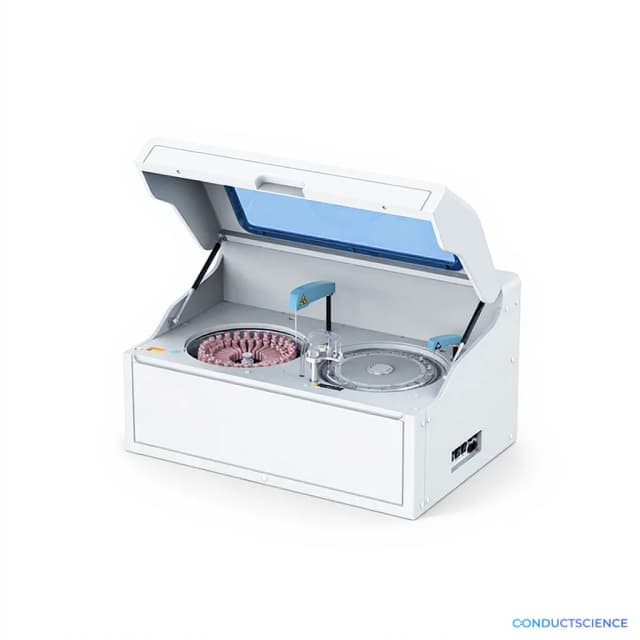
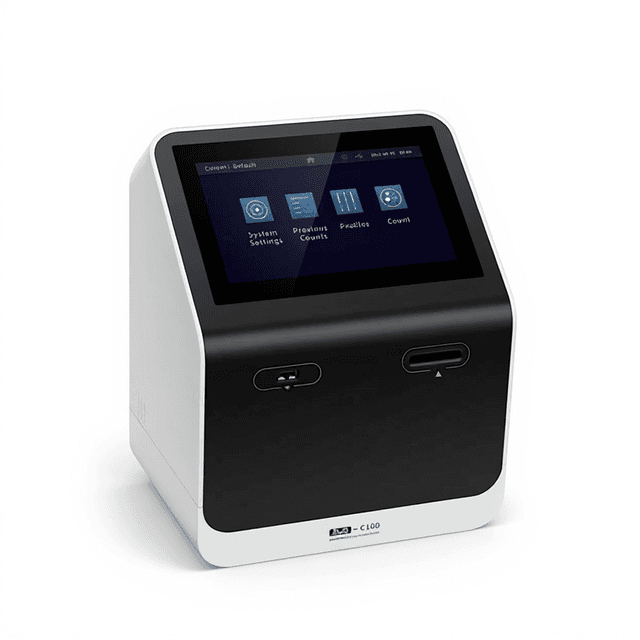
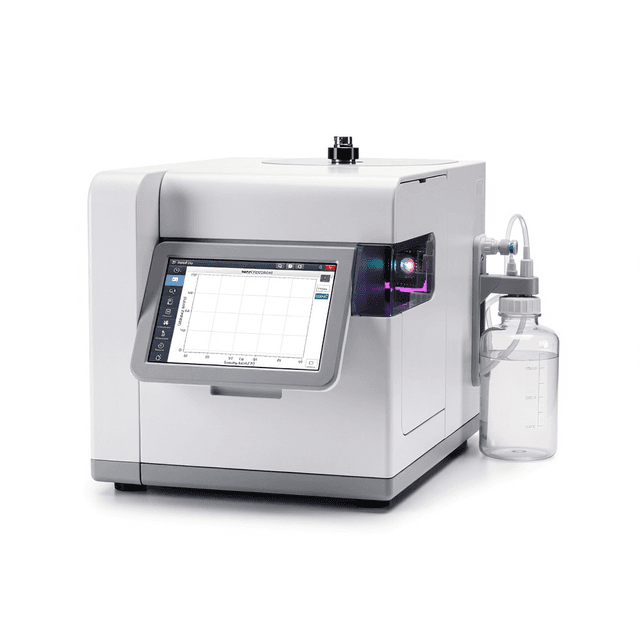
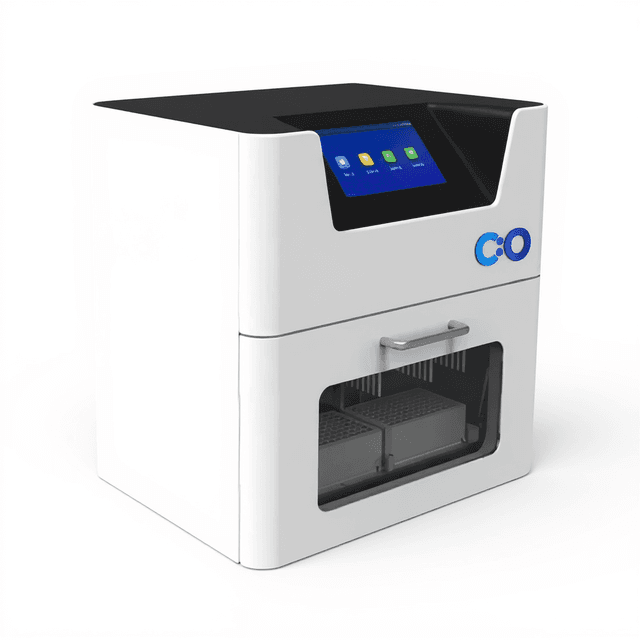
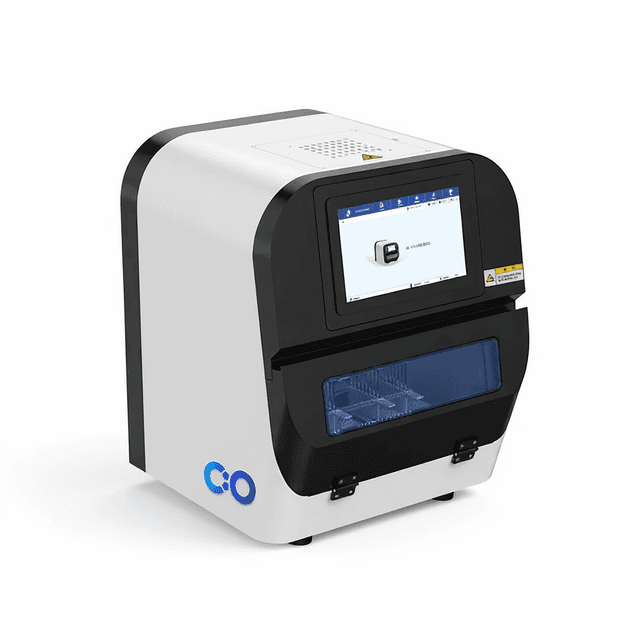
5-part Auto Hematology Analyzer
Fully automated hematology analyzer combining tri-angle laser scatter, flow cytometry, and impedance methods for 5-part WBC differentiation and complete blood count analysis with 60 samples/hour throughput.
| Instrument Type | Clinical Analyzers |
| Application Area | Clinical Diagnostics |
| Automation Level | fully-automated |
| throughput | 60T/H |
| screen_size | 14-inch |
| counting_method | Tri-angle laser scatter + flow cytometry method + impedance method for RBC and PLT counting |
The 5-part Auto Hematology Analyzer (Model BK-6310) is a fully automated clinical analyzer that combines tri-angle laser scatter technology with flow cytometry and impedance methods for comprehensive blood cell analysis. The instrument provides accurate 5-part white blood cell differentiation along with complete blood count parameters, processing up to 60 samples per hour with minimal sample volume requirements (≤20μl for CBC+DIFF mode, ≤10μl for CBC mode).
The system delivers 29 quantitative parameters including complete blood count, 5-part differential, and platelet analysis through multiple detection principles. A 3D holographic scattergram display enables precise leukocyte classification, while the cyanide-free hemoglobin measurement method enhances laboratory safety. The 14-inch touchscreen interface and data storage capacity for 300,000 results support high-throughput laboratory workflows with comprehensive result documentation including histograms and scattergrams.
How It Works
The analyzer employs three complementary detection methods for comprehensive blood cell analysis. Tri-angle laser scatter technology uses multiple light scattering angles to differentiate white blood cell populations based on cell size, internal complexity, and granularity. Flow cytometry principles guide individual cells through a focused laser beam, where scattered light patterns enable precise cell classification and counting. The impedance method measures electrical resistance changes as cells pass through an aperture, providing accurate red blood cell and platelet enumeration based on cell volume.
The 3D holographic scattergram display visualizes the multi-parameter data in three dimensions, enabling accurate 5-part white blood cell differentiation (neutrophils, lymphocytes, monocytes, eosinophils, and basophils). Cyanide-free hemoglobin measurement utilizes sodium lauryl sulfate to lyse red blood cells and convert hemoglobin to a stable chromophore, eliminating the safety hazards associated with traditional cyanide-based methods while maintaining measurement accuracy.
Data processing algorithms analyze the multi-parameter signals from each detection method to generate 29 quantitative parameters including complete blood count values, 5-part differential percentages and absolute counts, platelet parameters, and morphological flags. The system's quality control algorithms validate each measurement against established reference ranges and flag abnormal results for review.
Features & Benefits
Instrument Type
- Clinical Analyzers
Application Area
- Clinical Diagnostics
Automation Level
- fully-automated
throughput
- 60T/H
screen_size
- 14-inch
counting_method
- Tri-angle laser scatter + flow cytometry method + impedance method for RBC and PLT counting
wbc_differentiation
- 3D holographic scattergram displays the accurate 5-part differentiation of WBC
storage_capacity
- 300,000 results (including histogram, scattergram, patient information)
Assay Items
- 5 parts, 29 parameters, 3 histograms, 3D scattergram
Sample Volume
- CBC+DIFF: ≤20μl; CBC: ≤10μl
Display Type
- 14-inch touch screen
Research Domain
- Aging Research
- Cancer Research
- Cardiovascular
- Clinical Diagnostics
- Immunology
- Metabolic Research
- Pharmaceutical QC
- Toxicology
Power/Voltage
- AC100-240V, 50/60Hz, 300VA
Weight
- 46kg
Weight
- 101.41 kg
Dimensions
- L: 45.0 mm
- W: 39.8 mm
- H: 44.8 mm
Comparison Guide
| Feature | This Product | Typical Alternative | Advantage |
|---|---|---|---|
| White Blood Cell Differentiation | 5-part differential with 3D holographic scattergram display | Entry-level models often provide 3-part differential only | Enables separate quantification of eosinophils and basophils for more detailed immune system assessment |
| Sample Throughput | 60 samples per hour processing capacity | Lower-throughput models typically process 20-40 samples per hour | Supports higher volume laboratory operations with faster turnaround times |
| Sample Volume Requirements | ≤20μl for CBC+DIFF, ≤10μl for CBC mode | Many systems require 50-100μl sample volumes | Reduces sample waste and enables testing from pediatric or limited specimens |
| Detection Technology | Tri-angle laser scatter + flow cytometry + impedance methods | Single detection method or dual-method systems | Provides measurement validation through multiple complementary detection principles |
| Data Storage Capacity | 300,000 results with histograms and scattergrams | Smaller systems often store 10,000-50,000 results | Maintains extensive result history for quality assurance and trend analysis |
| User Interface | 14-inch touchscreen display | Smaller displays or button-based interfaces common | Simplifies operation with intuitive navigation and comprehensive result visualization |
This analyzer combines advanced tri-angle laser scatter technology with high throughput capabilities and minimal sample volume requirements. The 5-part differential with 3D holographic display provides detailed leukocyte analysis, while the large touchscreen interface and extensive data storage support comprehensive laboratory workflows.
Practical Tips
Perform calibration verification daily using certified reference materials before processing patient samples.
Why: Ensures measurement accuracy and identifies drift that could affect result quality.
Run the automated cleaning cycle according to the manufacturer's schedule and after processing samples with abnormal cell populations.
Why: Prevents carryover contamination and maintains optimal fluidic system performance.
Mix samples gently by inversion 8-10 times immediately before analysis and ensure samples are at room temperature.
Why: Prevents cell aggregation and ensures accurate cell distribution for reliable counting.
Review scattergram patterns regularly to identify unusual cell populations that may require additional investigation.
Why: Enables detection of abnormal cells or analytical issues that automated algorithms might not flag.
If platelet counts appear falsely elevated, check for small red blood cells or cell fragments that may be misclassified.
Why: Size-based counting methods can misinterpret microcytic RBCs or cellular debris as platelets.
Handle all samples using universal precautions and ensure proper disposal of reagents and waste materials.
Why: Protects laboratory personnel from biological and chemical hazards associated with blood analysis.
Process samples within 4 hours of collection for optimal cell morphology and accurate differential counts.
Why: Extended storage can lead to cell degradation and altered cell size distributions affecting results.
Monitor reagent consumption patterns to anticipate replacement needs and avoid interruptions in testing workflow.
Why: Prevents unexpected reagent depletion that could halt operations during peak testing periods.
Setup Guide
What’s in the Box
- 5-part Auto Hematology Analyzer main unit
- Power cord and adapters
- Sample probe and tubing
- Reagent connection kit (typical)
- Quality control materials (typical)
- USB cable for data export (typical)
- User manual and quick reference guide
- Calibration certificate (typical)
Warranty
ConductScience provides a standard 1-year manufacturer warranty covering parts and labor, with technical support available for installation guidance and troubleshooting assistance.
Compliance
References
Background reading relevant to this product:
What are the 29 parameters measured by this analyzer?
The system provides complete blood count parameters (WBC, RBC, HGB, HCT, MCV, MCH, MCHC, RDW), 5-part white blood cell differential (neutrophils, lymphocytes, monocytes, eosinophils, basophils) with both percentages and absolute counts, platelet parameters (PLT, MPV, PDW, PCT), and additional morphological indices, totaling 29 quantitative measurements.
How does the cyanide-free hemoglobin measurement work?
The analyzer uses sodium lauryl sulfate (SLS) methodology to lyse red blood cells and convert hemoglobin to a stable chromophore for spectrophotometric measurement, eliminating the safety hazards of traditional cyanide-based methods while maintaining measurement accuracy.
What quality control features are integrated into the system?
The system includes automated quality control algorithms that validate measurements against reference ranges, morphological flagging for abnormal cells, background counting capabilities, and storage of QC results alongside patient data for comprehensive quality assurance.
Can the analyzer handle pediatric or limited-volume samples?
Yes, the system requires minimal sample volumes of ≤20μl for CBC with 5-part differential or ≤10μl for CBC-only analysis, making it suitable for pediatric samples or specimens with limited availability.
How is data exported and stored from the analyzer?
The system stores up to 300,000 results including histograms, scattergrams, and patient information in internal memory, with data export capabilities through standard connectivity options for laboratory information system integration.
What maintenance is required for optimal performance?
Regular maintenance includes daily startup and shutdown procedures, periodic cleaning cycles, reagent replacement according to consumption, quality control testing, and scheduled preventive maintenance of optical and fluidic systems.
How does this compare to 3-part differential analyzers?
The 5-part differential provides separation of eosinophils and basophils in addition to neutrophils, lymphocytes, and monocytes, offering more detailed leukocyte analysis compared to 3-part systems that group these cells together.
What environmental conditions are required for operation?
The analyzer requires stable environmental conditions with temperature range of 15-30°C, relative humidity 30-85%, and placement on a vibration-free surface away from electromagnetic interference sources.
Have a question about this product?
Accessories
Enhance your setup with compatible accessories