COD Measuring Equipment
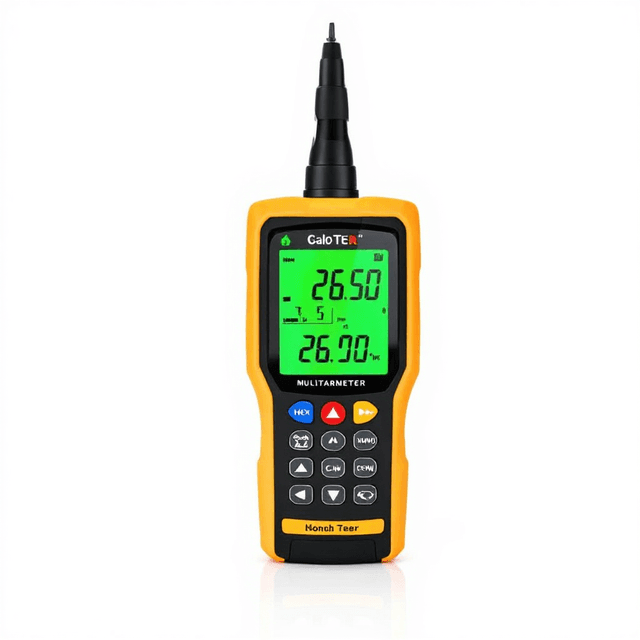
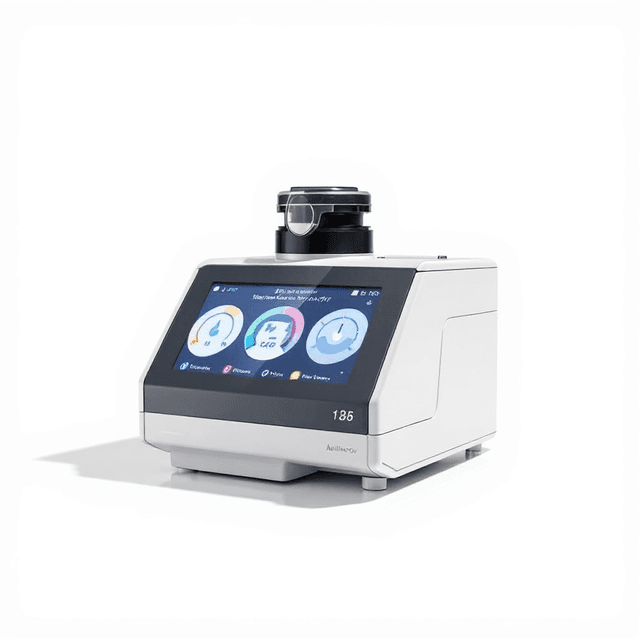
Portable dual-wavelength spectrophotometer for COD analysis in water samples, featuring integrated digestion system and 0-15000 mg/L measurement range with 5% precision.
| Test item | COD |
| Test range | 0-15000(COD) |
| Wave length | 450nm/610nm |
| Method | Spectrophotometer |
| Light source | silicon diode |
| Life of battery | More than 30h |

The COD Measuring Equipment (CS-LH-CLR017) is a portable spectrophotometric analyzer designed for quantitative determination of Chemical Oxygen Demand in water samples. The instrument employs dual-wavelength spectrophotometry at 450nm and 610nm using silicon diode light sources, enabling measurement across a broad analytical range of 0-15000 mg/L COD. The system integrates rapid digestion and colorimetric analysis in a single compact unit weighing 300g including battery.
This handheld analyzer utilizes established spectrophotometric methods including rapid digestion spectrophotometry, Nessler's reagent spectrophotometry, and molybdic acid spectrophotometry for COD determination. The digestion tube-based reaction system combines thermal digestion and optical analysis, providing field-portable COD analysis with 5% precision. Battery operation supports more than 30 hours of continuous use for extended field deployments.
How It Works
COD analysis relies on chemical oxidation of organic matter in water samples under controlled conditions. The instrument uses potassium dichromate as the oxidizing agent in acidic conditions with silver sulfate catalyst and mercuric sulfate to eliminate chloride interference. During the digestion process, organic compounds are oxidized to carbon dioxide and water, with the amount of dichromate consumed proportional to the organic content.
The spectrophotometric measurement utilizes dual wavelengths at 450nm and 610nm with silicon diode light sources. The 450nm wavelength measures the dichromate consumption directly, while the 610nm wavelength provides baseline correction for turbidity and color interference. The integrated digestion tube system maintains precise temperature control during the 2-hour digestion period, ensuring complete oxidation of organic matter.
Quantification follows Beer's law, where the change in absorbance at the measurement wavelengths correlates directly with COD concentration. The instrument's microprocessor converts absorbance readings to COD values across the 0-15000 mg/L range, with automatic temperature compensation and built-in calibration curves for different sample matrices.
Features & Benefits
Test item
- COD
Test range
- 0-15000(COD)
Wave length
- 450nm/610nm
Method
- Spectrophotometer
Light source
- silicon diode
Life of battery
- More than 30h
Size and weight
- 90x70x125mm300g(including battery)
Automation Level
- semi-automated
Brand
- ConductScience
Accuracy
- 5%
Research Domain
- Analytical Chemistry
- Food Science
- Industrial Hygiene
- Materials Science
- Microbiology
Weight
- 0.66 kg
Dimensions
- L: 4.92 mm
- W: 3.54 mm
- H: 2.76 mm
Comparison Guide
| Feature | This Product | Typical Alternative | Advantage |
|---|---|---|---|
| Measurement Range | 0-15000 mg/L COD | Entry-level models often limited to narrower ranges requiring sample dilution | Wide range accommodates diverse sample types without preprocessing, improving workflow efficiency |
| Optical System | Dual-wavelength (450nm/610nm) with silicon diodes | Single-wavelength systems with tungsten sources | Dual-wavelength design compensates for interferences while silicon diodes provide superior stability |
| Battery Life | More than 30 hours continuous operation | Portable units typically offer 8-12 hours operation | Extended battery life supports multi-day field deployments without recharging interruptions |
| Measurement Precision | 5% precision | Portable analyzers commonly achieve 5-10% precision | Consistent precision meets regulatory requirements for compliance monitoring applications |
| Form Factor | 90x70x125mm, 300g including battery | Handheld units vary significantly in size and weight | Compact design enables single-handed operation while maintaining analytical performance |
This COD analyzer combines laboratory-grade analytical performance with field-portable convenience through dual-wavelength spectrophotometry and extended battery operation. The wide measurement range and integrated digestion system provide comprehensive analytical capability for diverse water quality applications.
Practical Tips
Verify calibration using certified reference standards that span your expected sample range before each measurement session.
Why: Calibration drift can occur with temperature changes and reagent aging, affecting measurement accuracy.
Clean the measurement chamber with distilled water between samples and inspect for residue buildup.
Why: Optical contamination from previous samples can cause measurement errors and baseline drift.
Allow digestion tubes to reach room temperature before measurement and ensure proper sealing during heating.
Why: Temperature differences affect optical readings while poor sealing can lead to sample evaporation and concentration errors.
Use appropriate fume extraction when preparing and handling COD reagents containing concentrated sulfuric acid.
Why: COD reagents are corrosive and generate heat during mixing, requiring proper ventilation and personal protection.
Run duplicate analyses for samples with unexpected results and maintain blank measurements throughout the session.
Why: Duplicates identify analytical variability while frequent blanks detect reagent contamination or instrument drift.
If readings appear unstable, check for air bubbles in the measurement cell and verify proper tube insertion.
Why: Air bubbles scatter light irregularly while misaligned tubes affect the optical path, causing measurement errors.
Setup Guide
What’s in the Box
- COD analyzer main unit
- Rechargeable battery pack
- Power adapter/charger
- Digestion tube set (typical)
- Sample measurement cells (typical)
- USB data cable (typical)
- User manual and protocols
- Calibration certificate (typical)
Warranty
ConductScience provides a standard one-year manufacturer warranty covering defects in materials and workmanship, with technical support available for method development and troubleshooting assistance.
Compliance
What is the detection limit for low-COD samples?
The instrument measures from 0 mg/L, but specific detection limits should be verified from the product datasheet as they depend on sample matrix and interference levels.
Can this analyzer handle high-chloride samples?
Standard COD methods use mercuric sulfate to eliminate chloride interference, but verify maximum chloride tolerance and masking protocols in the technical specifications.
What digestion time and temperature are required?
Consult the instrument manual for specific digestion parameters, as conditions vary with sample type and analytical method selected (rapid vs. standard digestion).
How frequently should calibration be performed?
Calibration frequency depends on usage and accuracy requirements; typically daily for routine analysis or before each measurement session for critical applications.
What sample volume is required per analysis?
Sample volume requirements depend on the digestion tube specifications and analytical method; refer to the protocol documentation for exact volumes.
Can results be exported for data analysis?
The instrument includes USB connectivity suggesting data export capability, but specific file formats and software compatibility should be confirmed from technical specifications.
What is the shelf life of COD reagents?
Reagent stability varies with storage conditions and formulation; follow manufacturer recommendations for preparation, storage, and replacement schedules.
Have a question about this product?
Accessories
Enhance your setup with compatible accessories
Upgrade Options