ConductScience Conical Centrifuge Tubes, 50mL (500/case)
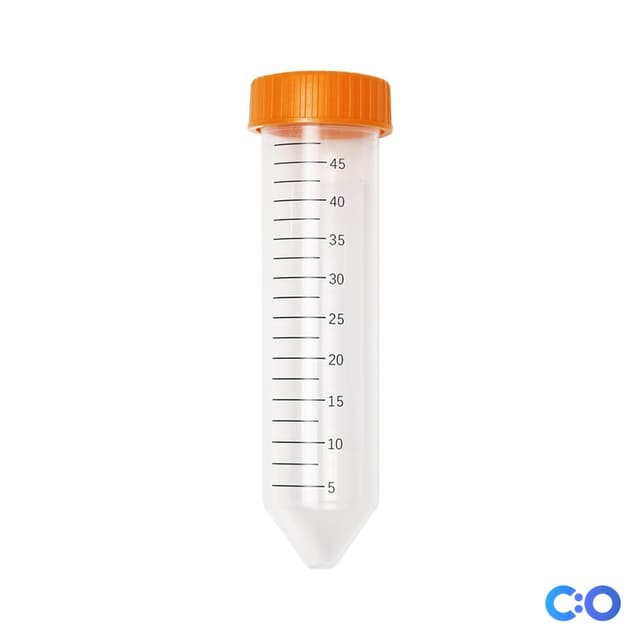
$1.78 per unit | 500 units per pack Sterile 50mL polypropylene conical centrifuge tubes with graduated markings and leak-proof caps, DNase/RNase-free for molecular biology applications.

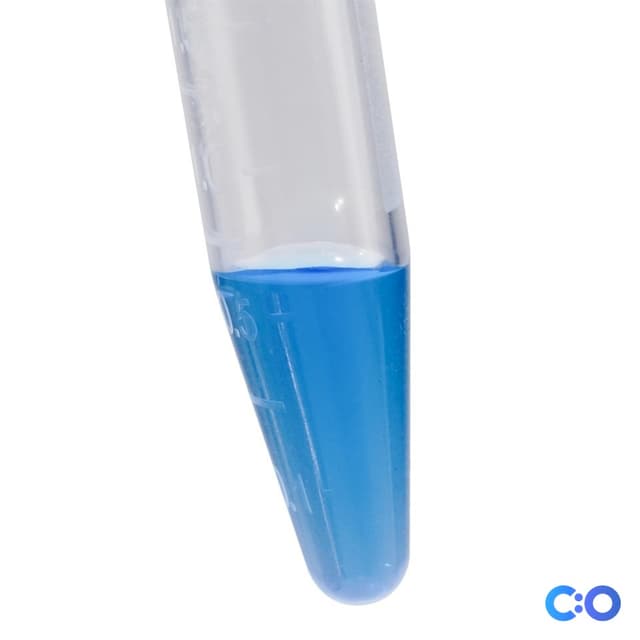
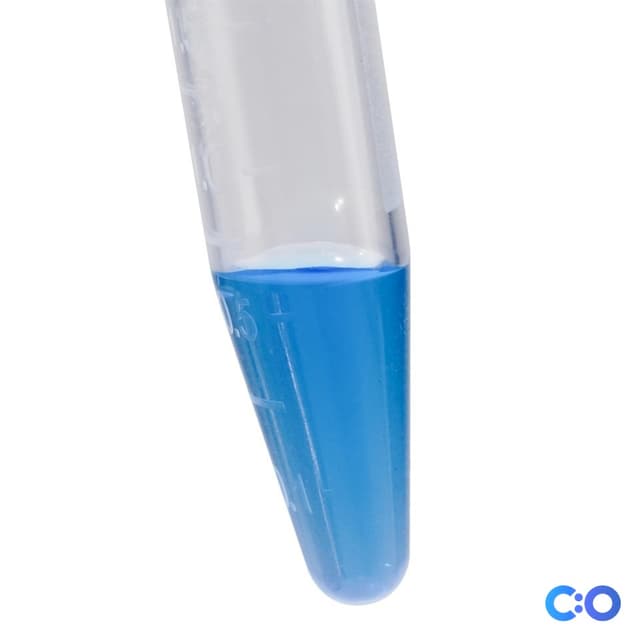
Polypropylene conical centrifuge tubes designed for routine laboratory centrifugation and sample processing. These 50mL tubes feature graduated volume markings for accurate sample measurement and leak-proof screw caps to maintain sample integrity during high-speed centrifugation. The conical bottom design facilitates complete sample recovery and efficient pellet formation.
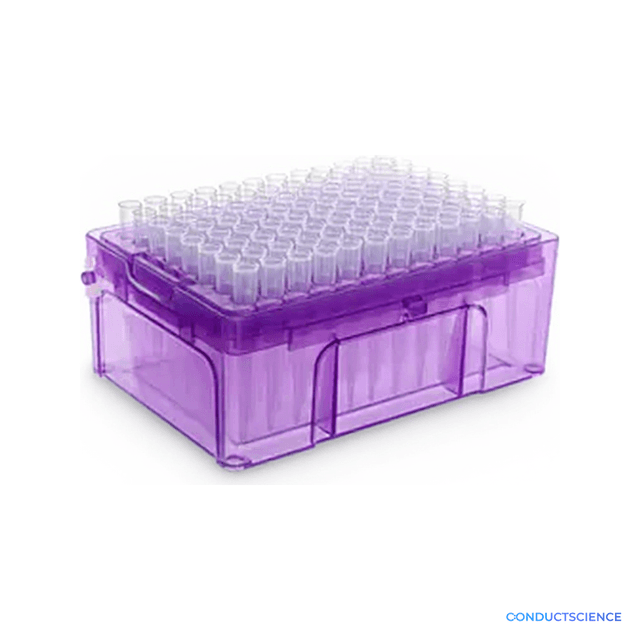
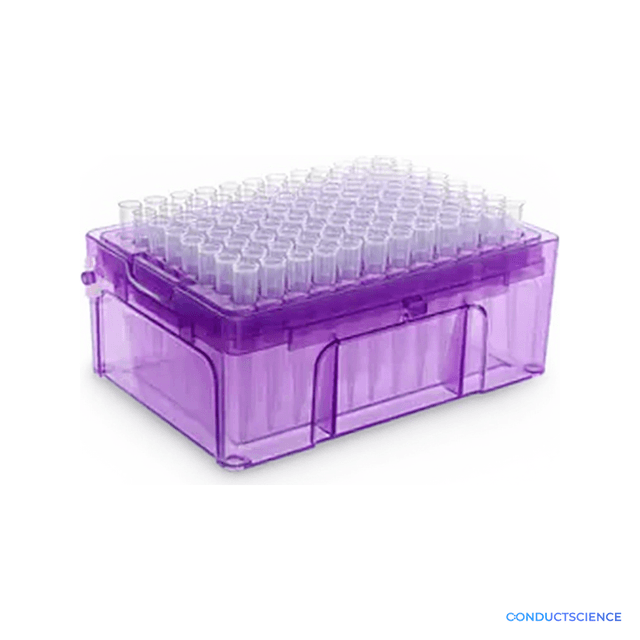
Each tube is manufactured from high-grade polypropylene and supplied sterile with DNase and RNase-free certification, making them suitable for molecular biology applications requiring nucleic acid integrity. The bulk packaging of 500 tubes per case (25 bags of 20 tubes each) provides cost-effective supply for high-throughput laboratories.
How It Works
Centrifugal separation utilizes the principle of differential sedimentation, where particles of different densities separate under centrifugal force. When samples are subjected to centrifugation, denser components migrate toward the bottom of the tube while lighter components remain in the supernatant. The magnitude of centrifugal force (measured in relative centrifugal force or RCF) determines the efficiency and speed of separation.
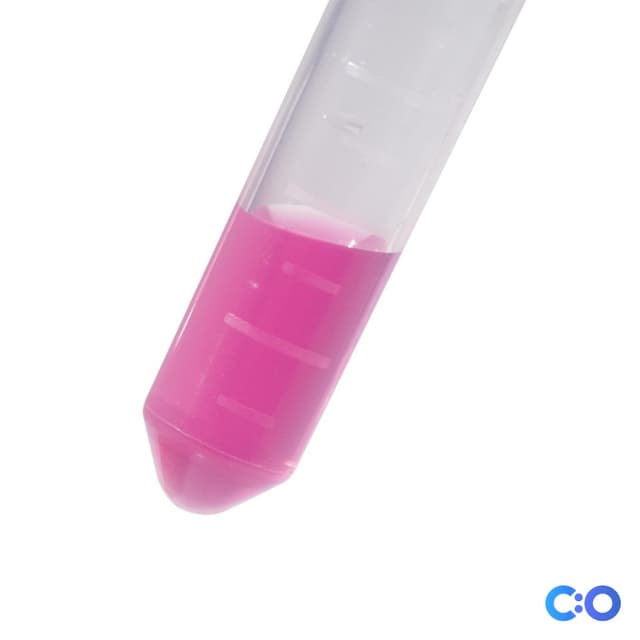
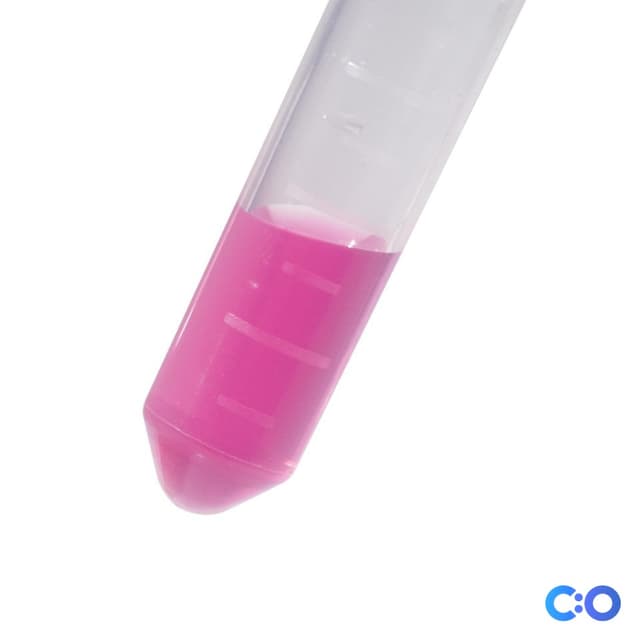
The conical tube geometry enhances separation efficiency by providing a tapered collection point that concentrates pelleted material into a small volume at the tip. This design minimizes the surface area over which the pellet is distributed, facilitating complete recovery of separated components. The polypropylene construction provides chemical compatibility with most biological buffers and solvents while maintaining structural integrity under typical laboratory centrifugation conditions.
Graduated markings enable accurate volume measurement throughout the separation process, while the threaded screw cap creates a secure seal that prevents sample loss and contamination during high-speed centrifugation.
Features & Benefits
Research Domain
- Analytical Chemistry
- Cell Biology
- Clinical Diagnostics
- Microbiology
- Molecular Biology
Weight
- 3.62 kg
Dimensions
- L: 21.1 mm
- W: 17.6 mm
- H: 14.1 mm
Comparison Guide
| Feature | This Product | Typical Alternative | Advantage |
|---|---|---|---|
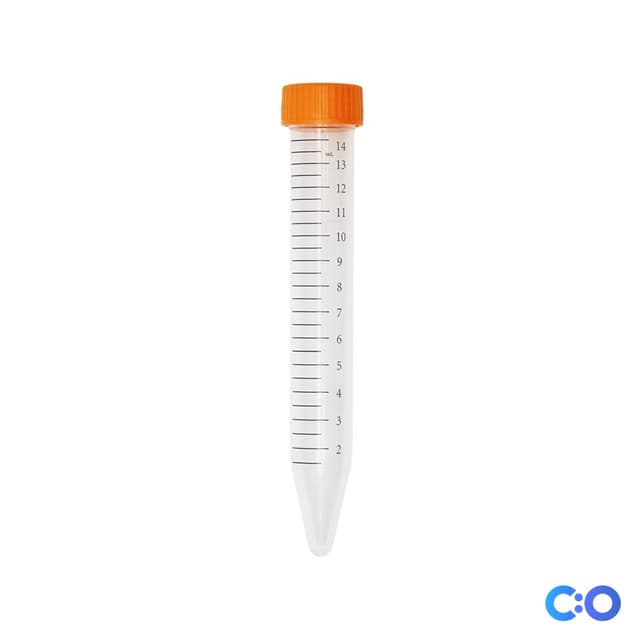
| Volume Capacity | 50mL working volume with graduated markings | Alternative sizes include 15mL and smaller volumes | Larger capacity accommodates bulk samples and reduces the number of tubes needed for high-volume applications. |
| Sterility Assurance | Sterile with DNase/RNase-free certification | Basic tubes may require separate sterilization | Ready-to-use sterility eliminates preparation time and reduces contamination risk in molecular biology workflows. |
| Packaging Format | Bulk case of 500 tubes (25 bags of 20) | Smaller quantities or individual packaging options | Cost-effective bulk supply with convenient bag packaging for high-throughput laboratories. |
| Cap Design | Leak-proof screw cap | Some tubes use snap caps or other closure types | Screw cap provides secure seal for high-speed centrifugation and sample storage applications. |
This product combines the convenience of sterile, DNase/RNase-free tubes with cost-effective bulk packaging. The 50mL capacity and conical design optimize sample recovery for molecular biology and cell culture applications requiring larger working volumes.
Practical Tips
Pre-cool tubes to 4°C before use with temperature-sensitive samples to minimize thermal shock during processing.
Why: Temperature control helps preserve sample integrity and prevents degradation of heat-labile components.
Fill tubes to no more than 80% capacity to prevent overflow during centrifugation and allow for proper balancing.
Why: Adequate headspace prevents sample loss and ensures safe centrifuge operation.
Always balance tubes in pairs with equal mass when loading into centrifuge rotors to prevent rotor damage.
Why: Proper balancing prevents dangerous rotor imbalance that can damage equipment or cause injury.
Inspect tubes for stress cracks before each use, particularly around the cap threads and conical tip area.
Why: Damaged tubes can fail during centrifugation, leading to sample loss and potential safety hazards.
If caps become difficult to remove after centrifugation, tap gently around the cap perimeter before attempting removal.
Why: Centrifugal force can create vacuum effects that make caps difficult to remove without gentle pressure relief.
Use the graduated markings only for approximate volumes and employ calibrated pipettes for precise volumetric additions.
Why: Graduated markings provide general guidance but lack the precision required for quantitative analytical work.
Store unused tubes in original sterile packaging until needed to maintain sterility and prevent contamination.
Why: Proper storage preserves the sterile barrier and DNase/RNase-free properties until point of use.
Setup Guide
What’s in the Box
- 500 polypropylene conical centrifuge tubes (50mL capacity)
- 25 sterile bags of 20 tubes each
- Product documentation and certificates (typical)
Warranty
ConductScience provides standard quality assurance on all consumable products, with replacement available for manufacturing defects. Technical support is available for application guidance and troubleshooting.
Compliance
What centrifugal forces can these tubes withstand safely?
Consult product datasheet for maximum RCF specifications. Polypropylene tubes typically handle standard laboratory centrifugation conditions up to several thousand RCF.
Are these tubes compatible with autoclaving for sterilization?
Polypropylene tubes generally withstand standard autoclave cycles (121°C, 15 psi), but verify temperature limits in product specifications before autoclaving.
Can these tubes be used with organic solvents?
Polypropylene has good chemical resistance to most aqueous solutions and many solvents, but check compatibility with specific organic solvents before use.
How accurate are the graduated markings?
Graduated markings provide approximate volume indication suitable for most laboratory applications. For precise volumetric work, use calibrated pipettes for sample addition.
Are the caps compatible with standard laboratory tube racks?
Standard 50mL conical tubes typically fit most laboratory tube racks designed for this tube format, but verify rack compatibility for specific models.
What is the shelf life of these sterile tubes?
Consult product labeling for expiration dates. Properly stored sterile tubes typically maintain sterility for several years when packaging remains intact.
Can these tubes be reused after initial use?
While polypropylene can withstand multiple uses, sterility and contamination concerns typically make these single-use consumables in most laboratory applications.
Have a question about this product?
Accessories
Enhance your setup with compatible accessories
Frequently Bought Together