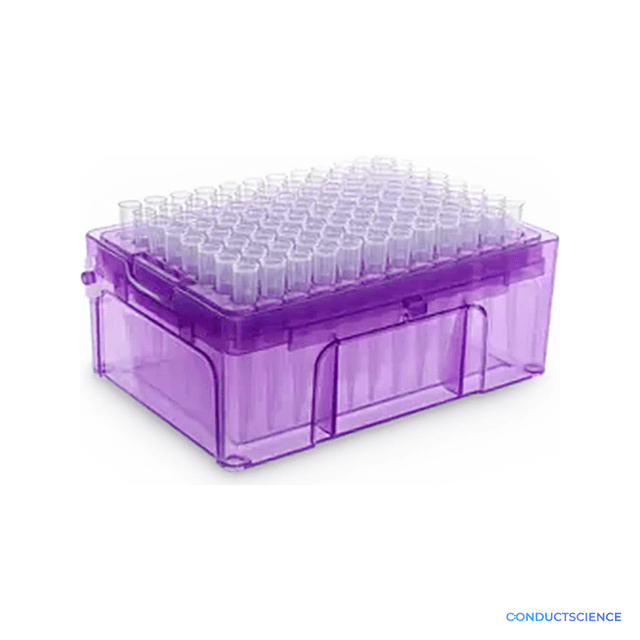
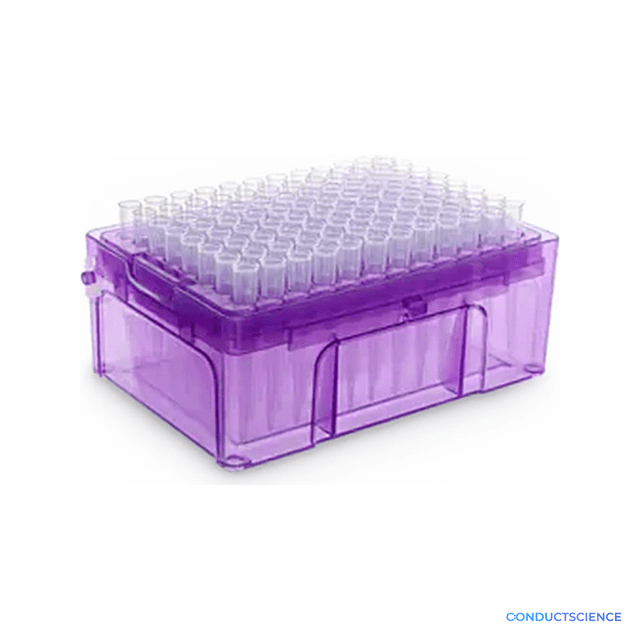
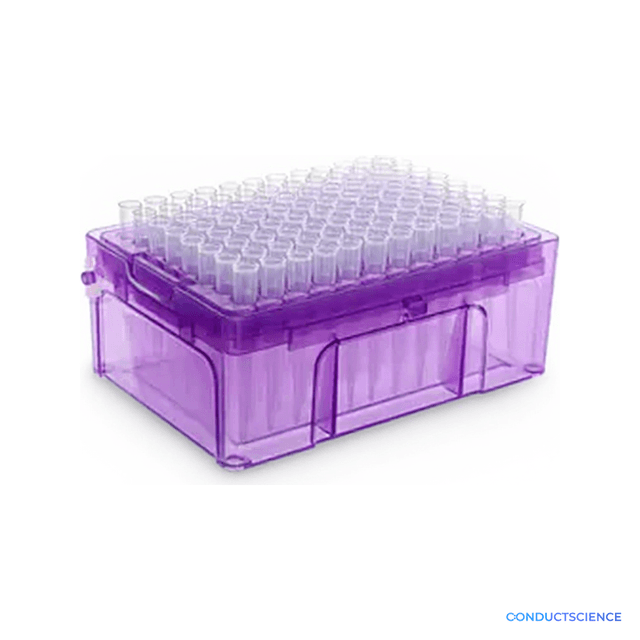
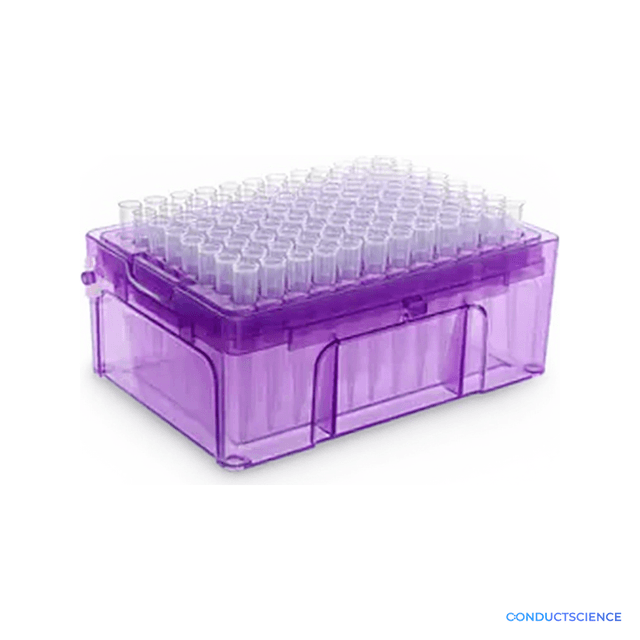
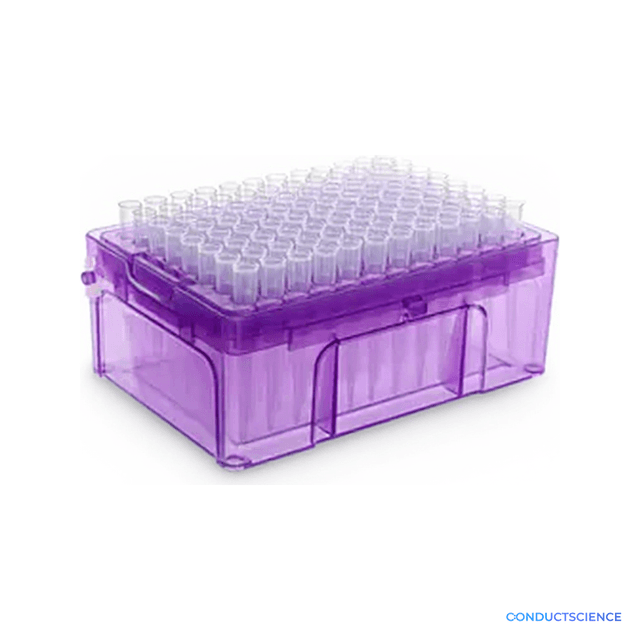
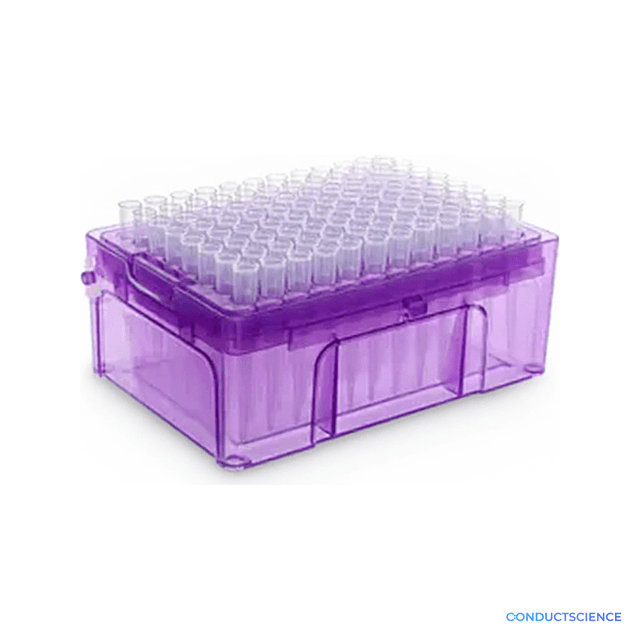
ConductScience Filtered Pipette Tips 10uL, Sterile (Pack of 20)
$42.00 per unit | 20 units per pack Bulk pricing: Pack of 20 at $840.00 ($42.00 per unit)

Louise Corscadden, PhD
Director of Science · ConductScience
Ask Louise about ConductScience Filtered Pipette Tips 10uL, Sterile (Pack of 20) fit, setup, configuration, or quote prep.
Already working with us? Sign in to connect this with My Scientist.
Key Specifications
Full details →- Model fit
- Configured during quote
- SKU family
- CS-FPT-10-960
- Shipping box
- 22.6 x 18.8 x 15.1 cm
- Ordering
- Online checkout and quote request available
- Category
- Lab Supplies
- Build notes
- Confirm accessories, station layout, and support needs before purchase
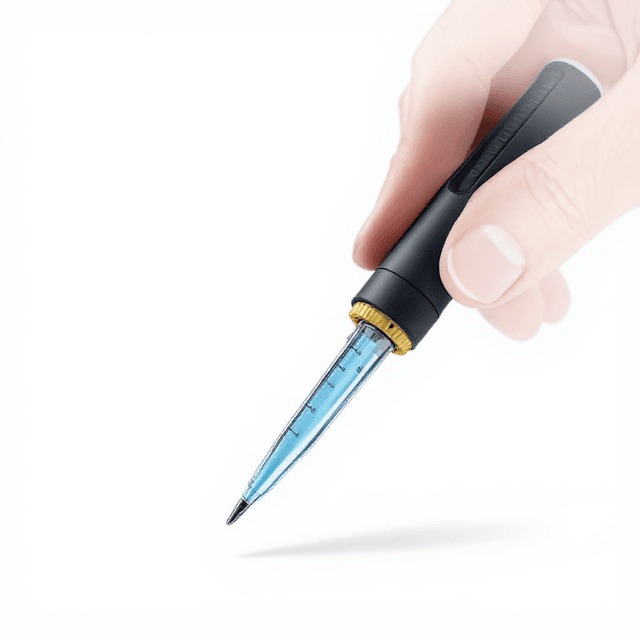
ConductScience Filtered Pipette Tips 10μL are precision liquid handling consumables designed for molecular biology, analytical chemistry, and diagnostic applications requiring contamination-free sample transfer. Each tip features an integrated hydrophobic barrier that prevents aerosol contamination and sample cross-contamination during pipetting operations. The barrier effectively blocks liquid and aerosol backflow into the pipette shaft while maintaining accurate volume delivery.
Manufactured from medical-grade polypropylene, these tips are DNase/RNase-free and supplied sterile for immediate use in sensitive applications. The universal fit design ensures compatibility with standard 10μL micropipettes from major manufacturers. Autoclavable construction allows for re-sterilization when required by laboratory protocols.
How It Works
Filtered pipette tips employ a hydrophobic barrier membrane positioned within the tip shaft to create a physical barrier between the sample and the pipette mechanism. The hydrophobic membrane allows air passage for normal pipette operation while blocking liquid droplets and aerosols that could travel back into the pipette shaft during aspiration and dispensing cycles.
The barrier material exhibits selective permeability based on surface tension properties - air molecules pass freely through the membrane pores, while liquid droplets with higher surface tension are repelled. This mechanism prevents sample carryover, protects the pipette from contamination, and eliminates the need for pipette decontamination between samples when working with compatible materials.
The medical-grade polypropylene construction provides chemical compatibility with most aqueous solutions and organic solvents used in laboratory applications. The smooth interior surface minimizes liquid retention and ensures accurate volume delivery with low variability between dispensing cycles.
Features & Benefits
Automation Level
- manual
Research Domain
- Analytical Chemistry
- Cell Biology
- Clinical Diagnostics
- Microbiology
- Molecular Biology
- Pharmaceutical QC
Shipping weight
- 4.41 lb
Shipping box
- L: 22.6 cm
- W: 18.8 cm
- H: 15.1 cm
| Feature | This Product | Typical Alternative | Advantage |
|---|---|---|---|
| Contamination Prevention | Integrated hydrophobic barrier prevents aerosol and liquid contamination | Standard tips lack barrier protection requiring careful technique and frequent pipette cleaning | Eliminates time-consuming decontamination procedures while ensuring sample integrity |
| Sterility Assurance | Supplied sterile and DNase/RNase-free | Basic tips may require additional sterilization or lack nuclease-free certification | Ready for immediate use in molecular biology applications without additional processing |
| Material Quality | Medical-grade polypropylene construction | Standard laboratory-grade plastics with variable chemical resistance | Ensures consistent performance and broad chemical compatibility for diverse applications |
| Volume Range | Optimized for 10μL precision applications | Generic tips may not be volume-optimized for accuracy at low volumes | Provides reliable performance at micro-volumes where accuracy is most critical |
These filtered tips combine contamination prevention, sterile supply, and medical-grade construction for applications requiring the highest level of sample protection. The integrated barrier technology eliminates contamination risks while maintaining the accuracy needed for precision micro-volume work.
Practical Tips
Pre-wet tips 2-3 times with sample solution before taking measurement aliquot to ensure accurate volume delivery.
Why: Pre-wetting eliminates surface tension effects that can cause volume inaccuracy, especially critical at 10μL volumes.
Use a new tip for each sample even when working with the same solution type to prevent cross-contamination.
Why: The barrier prevents pipette contamination but does not eliminate tip-to-tip transfer of contaminants.
Store opened packages in clean, dry conditions and reseal to maintain sterility of unused tips.
Why: Exposure to laboratory air can introduce contaminants that compromise the sterile supply.
Aspirate samples at consistent, moderate speed to avoid compromising barrier integrity or introducing air bubbles.
Why: Rapid aspiration can stress the hydrophobic barrier and affect volume accuracy through bubble formation.
If tips seem loose on pipette, check for damage to tip rim or pipette shaft that could affect sealing.
Why: Poor sealing compromises both volume accuracy and contamination prevention effectiveness.
Dispose of used tips in appropriate biological waste containers without touching the contaminated portion.
Why: Proper disposal prevents exposure to potentially hazardous samples and maintains laboratory safety protocols.
Verify volume accuracy periodically using gravimetric analysis, especially when switching tip lots.
Why: Batch-to-batch variations can affect pipetting accuracy, and regular verification ensures measurement reliability.
Setup Guide
What’s in the Box
- Filtered pipette tips 10μL (quantity per package - consult product specifications)
- Product documentation (typical)
- Certificate of sterility (typical)
Warranty
ConductScience provides standard warranty coverage for manufacturing defects with technical support for proper use guidance and compatibility questions.
Compliance
References
Background reading relevant to this product:
What is the barrier material and how does it affect pipetting accuracy?
The hydrophobic barrier prevents liquid backflow while allowing air passage for normal pipette operation. Volume accuracy is maintained as the barrier does not impede liquid dispensing when proper technique is used.
Are these tips compatible with electronic pipettes?
Yes, the universal fit design is compatible with both manual and electronic pipettes that accommodate 10μL tips, though specific fit should be verified with your pipette model.
Can the tips be reused after autoclaving?
The polypropylene construction allows autoclaving, but reuse depends on your contamination control requirements and the specific samples handled. Single-use is recommended for critical applications.
What chemical compatibility limitations should I consider?
Medical-grade polypropylene is compatible with most aqueous solutions and many organic solvents. Consult product datasheet for specific chemical compatibility data with strong acids, bases, or specialized solvents.
How does the barrier affect sample recovery and retention?
The hydrophobic barrier is positioned to not contact the sample during normal use. Sample retention characteristics are similar to standard tips with proper pre-wetting technique.
Are these suitable for viscous samples or organic solvents?
The tips can handle moderately viscous samples, though aspiration rate may need adjustment. For specific viscosity ranges and solvent compatibility, consult the technical datasheet.
Have a question about this product?
Have a question? Just ask.
Send it over and we'll email you a personalized answer — no call, no scheduling.
Prefer to talk it through?
Accessories
Enhance your setup with compatible accessories
Frequently Bought Together
Upgrade Options