Corner Test
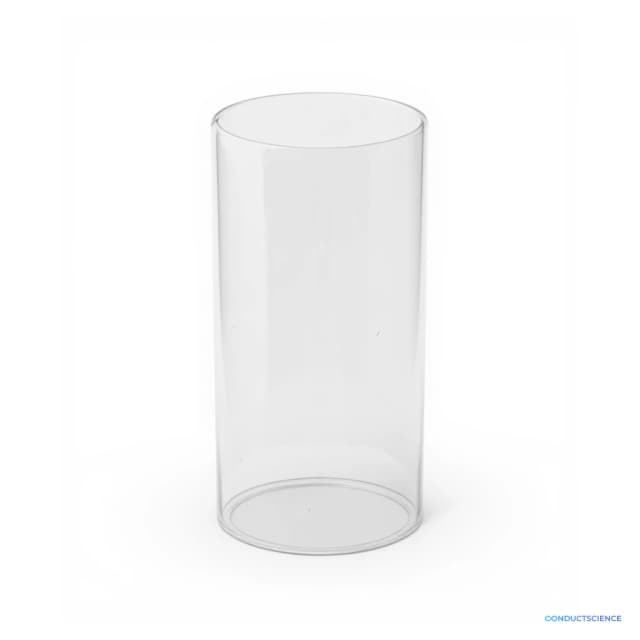
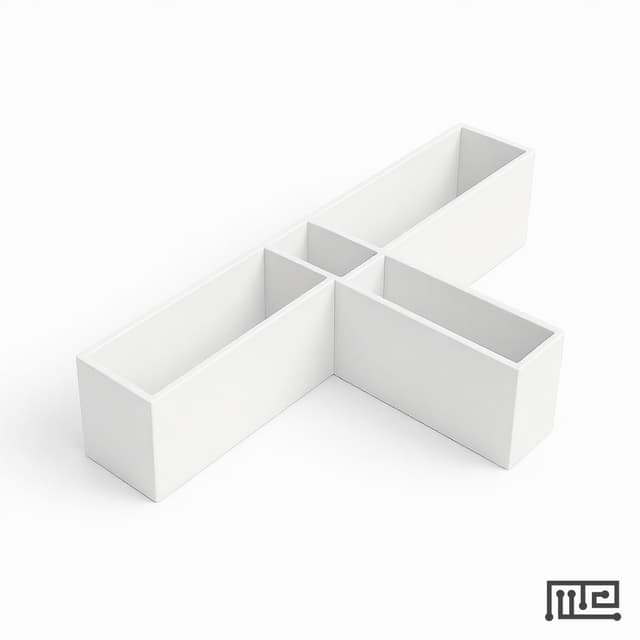
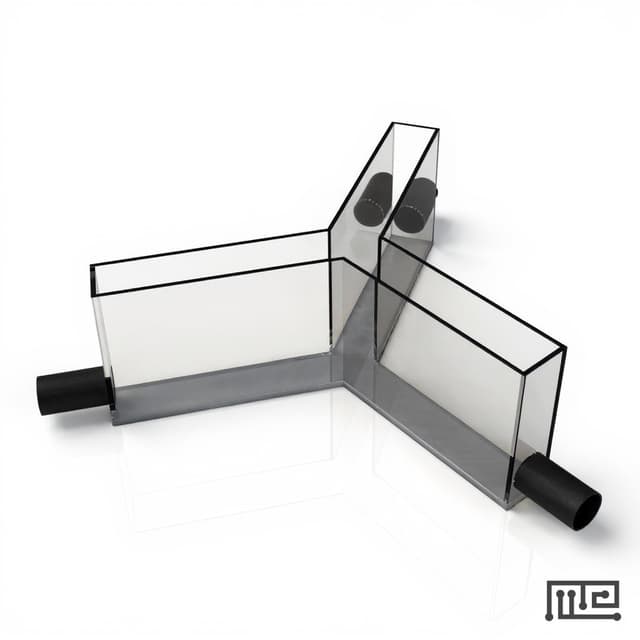
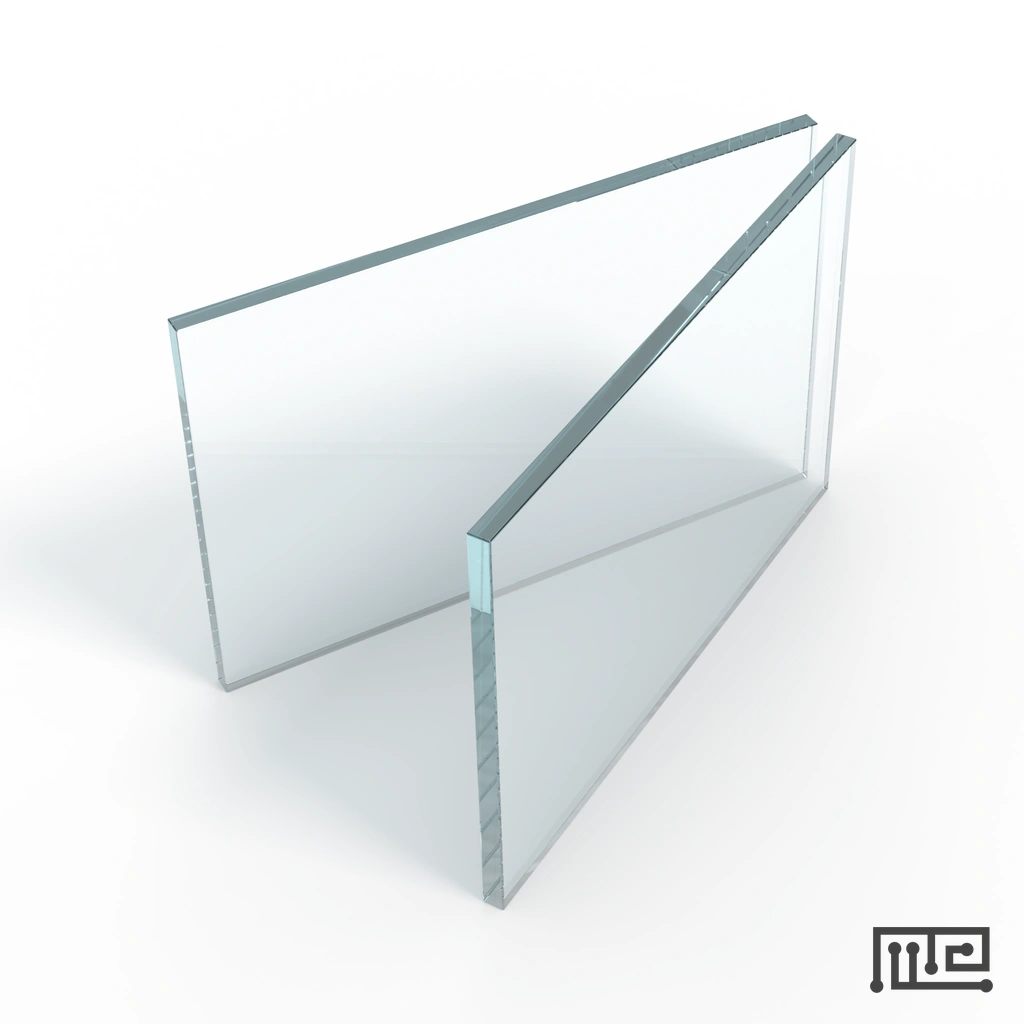
Two clear acrylic boards meet at a 30° angle, with a narrow gap at the joint, to run the corner test in mice or rats.
The animal walks into the corner, rears and turns back out, and you record which way it turns. After a stroke or other injury to one side of the brain, animals turn toward that side more often.

Louise Corscadden, PhD
Director of Science · ConductScience
Ask Louise about Corner Test fit, setup, configuration, or quote prep.
Already working with us? Sign in to connect this with My Scientist.
Key Specifications
Full details →- Species
- Mouse, Rat
- Material
- Clear Acrylic
- Apparatus Type
- Corner test
- Angle
- 30°
- Automation Level
- Manual
- Sizing
- Mouse: Board length 30 cm · Board height 20 cm; Rat: Board length 40 cm · Board height 30 cm
The Corner Test measures sensorimotor and postural asymmetry, an imbalance between the two sides of the body, in mice and rats. As the animal reaches the joint, the whiskers on both sides touch the boards at once, and it rears and turns around. Intact animals turn left or right at random. Animals with damage to one side of the brain turn more often toward that side, the ipsilateral side, leading with the unimpaired limb.
The narrow gap at the joint draws the animal deep into the corner. The test needs no training, and one session before surgery records each animal's baseline. Clear acrylic wipes clean between animals, and you can watch each turn through the boards or record it on video.
What labs measure
- The percentage of turns toward one side in each session, compared with the same animal's baseline.
- Lasting deficits after focal ischemic stroke in mice, detected as late as 90 days after the stroke.
- Asymmetry both early and late after stroke, especially when the striatum is badly damaged; few tests detect both.
- Deficits in rats after an ischemic stroke or an intracerebral hemorrhage, still present 4 weeks after the injury.
- One-sided damage to the nigrostriatal pathway in rats, the model the test was first developed in.
How It Works
- Set the animal down between the boards, halfway in from the open end, facing the joint.
- It walks in until its whiskers touch the boards, then rears and turns left or right.
- Record which way it turned, as the animal's own left or right. Count only turns made while rearing.
- Put the animal back at the start and repeat. Mouse sessions usually end after 10 to 20 counted turns, and 10 trials take about 5 to 10 minutes.
- Score the session as the percentage of ipsilateral turns, those toward the side of the brain injury.
Sizes by model
| Measurement | Mouse | Rat |
|---|---|---|
| Board length | 30 cm | 40 cm |
| Board height | 20 cm | 30 cm |
| Angle | 30° | 30° |
Species
- Mouse
- Rat
Material
- Clear Acrylic
Research Domain
- Motor Function
- Neurodegeneration
- Neuroscience
Apparatus Type
- Corner test
Angle
- 30°
Behavioral Construct
- Sensorimotor Asymmetry
- Postural Asymmetry
Automation Level
- manual
| Model | Size | SKU | Listed price | Status | Shipping box |
|---|---|---|---|---|---|
| Mouse | Board length 30 cm · Board height 20 cm · Angle 30° | $490.00 | Available | Confirmed during quote | |
| Rat | Board length 40 cm · Board height 30 cm · Angle 30° | $590.00 | Available | Confirmed during quote |
What’s in the Box
- One corner test: two clear acrylic boards held at a 30° angle, with a narrow gap at the joint.
References
Background reading relevant to this product:
Datasheet
Specifications, models, materials, and operating envelopes
No Q&A yet. Have a question? Ask below.
Have a question about this product?
Have a question? Just ask.
Send it over and we'll email you a personalized answer, with no call or scheduling.
Prefer to talk it through?