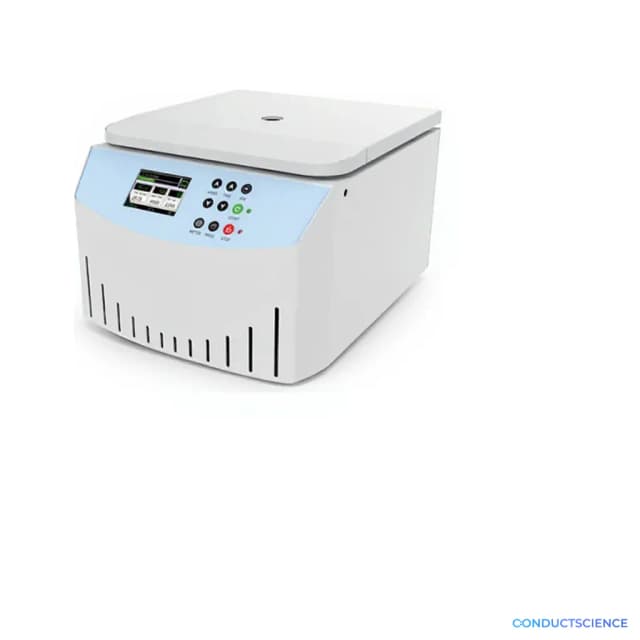
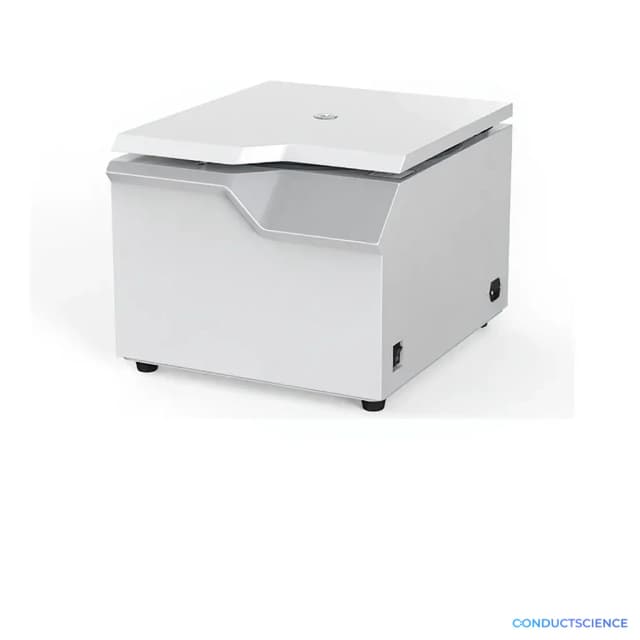
Economical Type 4000rpm 5000rpm Low Speed Centrifuge Machine
Variable speed centrifuge operating at 4000-5000 rpm with 20ml capacity, compatible with 15ml, 10ml, and 5ml vacuum tubes for routine laboratory separations.
| Automation Level | manual |
| Max, Insert Size (mm) | 18.5*113 |
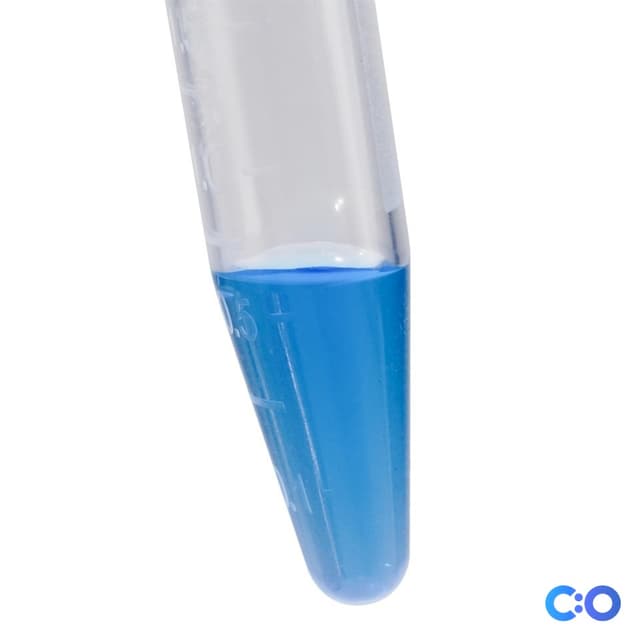
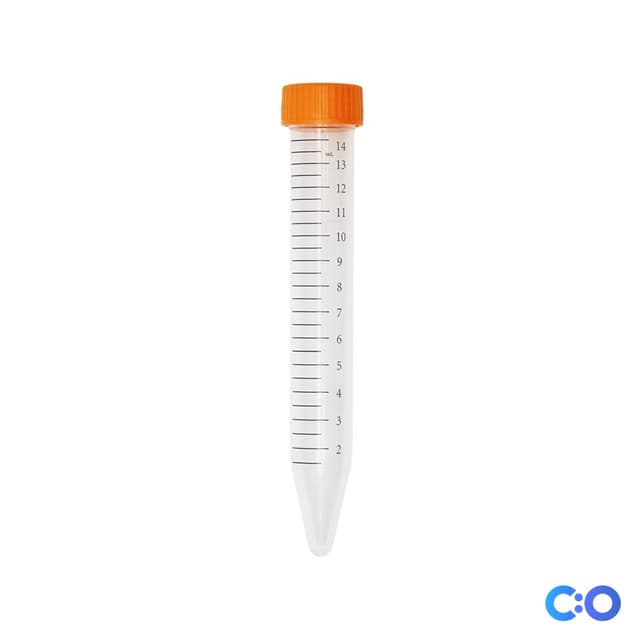
| Insert Vacuum Tube | 15/10/5ml |
| Brand | ConductScience |
| Capacity | 20ml |

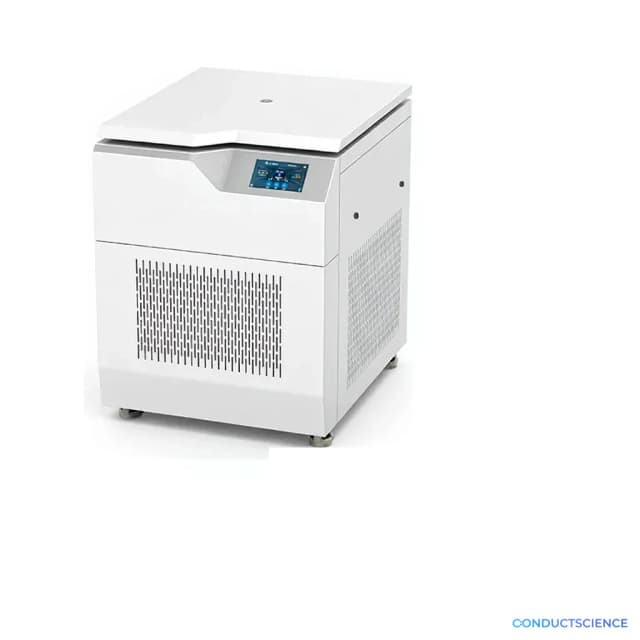
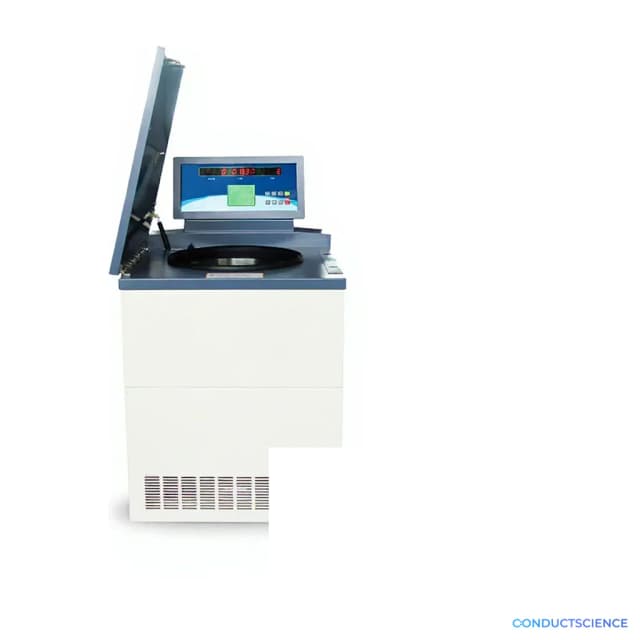
The ConductScience Low Speed Centrifuge Machine operates at variable speeds up to 4000-5000 rpm, designed for routine laboratory separations in research environments. This benchtop centrifuge accommodates 20ml sample capacity with insert compatibility for 15ml, 10ml, and 5ml vacuum tubes. The unit features a maximum insert size of 18.5 x 113mm, providing flexibility for various tube types commonly used in laboratory protocols.
The centrifuge employs centrifugal force to separate components of biological and chemical samples based on density differences. At the specified speed ranges, this instrument generates sufficient relative centrifugal force (RCF) for pelleting cells, precipitating proteins, and clarifying solutions. The economical design maintains essential functionality while providing reliable performance for routine laboratory separations.
How It Works
Centrifugal separation operates on the principle that particles of different densities sediment at different rates when subjected to centrifugal force. The rotor assembly spins sample tubes at controlled speeds, generating centrifugal acceleration that causes denser particles to migrate toward the bottom of the tube while lighter components remain in the supernatant.
At speeds of 4000-5000 rpm, the centrifuge generates relative centrifugal force (RCF) values that effectively separate cellular materials, precipitates, and particulates from solution. The separation efficiency depends on particle size, density differential, and centrifugation time. Larger, denser particles require lower speeds and shorter times, while smaller particles may require maximum speed and extended centrifugation periods.
Features & Benefits
Automation Level
- manual
Max, Insert Size (mm)
- 18.5*113
Insert Vacuum Tube
- 15/10/5ml
Brand
- ConductScience
Research Domain
- Analytical Chemistry
- Cell Biology
- Clinical Diagnostics
- Microbiology
- Pharmaceutical QC
Capacity
- 20ml
Weight
- 1.6 kg
Dimensions
- L: 5.0 mm
- W: 21.0 mm
- H: 10.0 mm
Comparison Guide
| Feature | This Product | Typical Alternative | Advantage |
|---|---|---|---|
| Maximum Speed | 4000-5000 rpm variable speed | Entry-level models often limited to fixed speeds or narrower ranges | Variable speed control allows optimization for different sample types and separation requirements |
| Sample Capacity | 20ml maximum capacity | Basic models may have lower capacity limits | Sufficient volume for most routine laboratory protocols without requiring multiple runs |
| Tube Compatibility | 15ml/10ml/5ml vacuum tubes | Some models limited to single tube size | Multi-size compatibility reduces need for multiple rotors or adapters |
| Footprint | Compact benchtop design (21cm x 10cm x 5cm) | Larger units may require more bench space | Space-efficient design suitable for crowded laboratory benches |
This centrifuge offers variable speed operation with multi-tube compatibility in a compact, economical package suitable for routine laboratory separations.
Practical Tips
Always balance tubes by weight, not just volume, placing equal masses in opposite positions.
Why: Proper balance prevents excessive vibration that can damage the rotor and affect separation quality.
Clean the rotor and chamber after each use, especially when processing biological samples.
Why: Residual material can cause corrosion and contaminate subsequent samples.
Never open the lid until the rotor has completely stopped and the safety lock disengages.
Why: The spinning rotor poses injury risk and sudden deceleration can disturb separated phases.
Verify speed accuracy periodically using a tachometer or strobe light.
Why: Speed accuracy affects the reproducibility of centrifugal force and separation results.
If excessive vibration occurs, stop immediately and check tube balance and rotor installation.
Why: Imbalanced loads can damage bearings and create safety hazards.
Record actual centrifugation conditions (speed, time, temperature) for protocol reproducibility.
Why: Complete documentation enables troubleshooting and ensures consistent results across experiments.
Setup Guide
What’s in the Box
- Main centrifuge unit
- Rotor assembly (typical)
- Sample tube inserts (typical)
- Power cord (typical)
- Operating manual (typical)
Warranty
ConductScience provides standard 1-year manufacturer warranty covering defects in materials and workmanship, with technical support for operational questions and troubleshooting assistance.
Compliance
What is the maximum relative centrifugal force (RCF) achievable at 5000 rpm?
The maximum RCF depends on the rotor radius. Consult the product datasheet for specific RCF calculations based on the rotor dimensions provided with the unit.
Can this centrifuge accommodate microcentrifuge tubes?
The unit is designed for 15ml, 10ml, and 5ml vacuum tubes with maximum insert size of 18.5 x 113mm. Compatibility with 1.5ml microtubes would require appropriate adapters if available.
What is the typical acceleration and deceleration time?
Specific acceleration and deceleration profiles are not provided in the basic specifications. Consult the technical manual for complete performance characteristics.
Is temperature control available during centrifugation?
This economical model does not specify temperature control features. Heat generation during operation may occur with extended high-speed runs.
What maintenance is required for reliable operation?
Regular cleaning of the rotor and chamber, periodic inspection of rotor balance, and verification of speed accuracy are recommended. Specific maintenance intervals should follow manufacturer guidelines.
Can the rotor be autoclaved for sterilization?
Rotor sterilization compatibility depends on construction materials. Consult the product manual for approved sterilization methods and temperature limits.
Have a question about this product?
Replacement Parts & Consumables