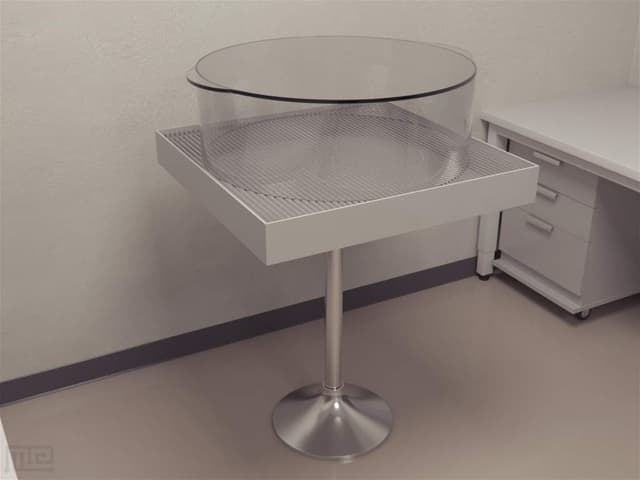
Forced Swim Test
Transparent Plexiglas cylinders for forced swim test protocols, measuring antidepressant-like behaviors through immobility time quantification in rodents.
| apparatus_type | transparent Plexiglas cylinder |
| water_filled | yes |
| escape_prevention | water level prevents floor contact and wall climbing |
| warranty_length | 1 YEAR |
| storage_included | yes |
| assembly_required | yes |

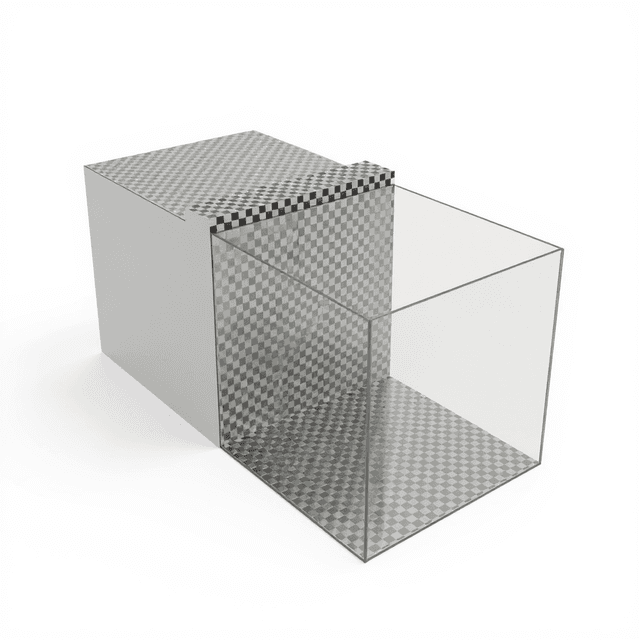
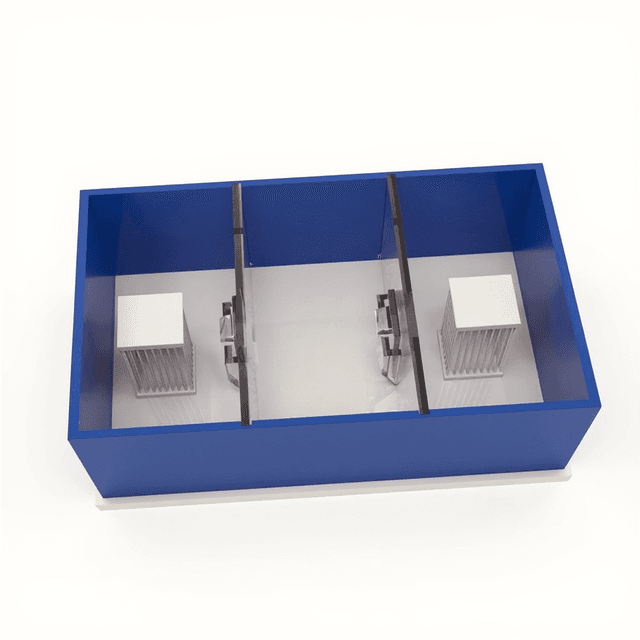
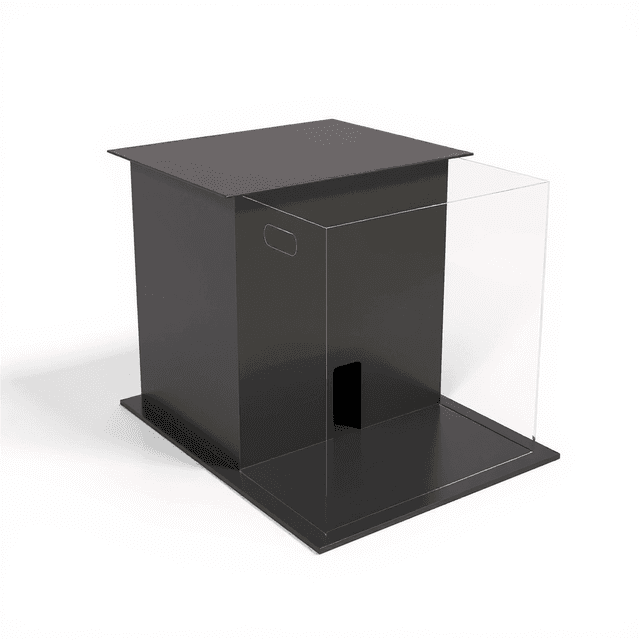
The Forced Swim Test apparatus consists of transparent Plexiglas cylinders designed for behavioral assessment of antidepressant-like effects in rodents. Water-filled chambers prevent floor contact and wall climbing, creating a controlled environment where animals exhibit measurable behavioral responses. The test induces learned helplessness by placing subjects in an inescapable aquatic environment, allowing researchers to quantify immobility time as a primary outcome measure.
Available in three configurations to accommodate different species and body weights, the apparatus features odor-resistant acrylic construction for consistent experimental conditions across sessions. The standardized design supports reproducible protocols for antidepressant screening and behavioral despair studies. Assembly is required, with storage solutions included for laboratory space management.
How It Works
The forced swim test operates on the principle of behavioral despair, where animals placed in an inescapable water-filled cylinder initially attempt active escape behaviors (swimming, climbing) before transitioning to passive floating or minimal movements. The water level is calibrated to prevent foot contact with the chamber bottom while the smooth walls prevent climbing escape, creating a standardized stressful environment.
Behavioral scoring focuses on immobility time, defined as minimal movements necessary only to keep the head above water. Active behaviors include swimming (horizontal movements) and climbing (vertical movements directed at walls). The transparent Plexiglas construction allows clear visualization for manual scoring or video analysis systems. Test duration typically ranges from 5-15 minutes, with immobility measurements serving as the primary dependent variable for statistical analysis.
Features & Benefits
apparatus_type
- transparent Plexiglas cylinder
water_filled
- yes
escape_prevention
- water level prevents floor contact and wall climbing
warranty_length
- 1 YEAR
storage_included
- yes
assembly_required
- yes
test_purpose
- antidepressant potential evaluation
behavioral_measure
- immobility time
available_modifications
- ['Forced Swim Tail Suspension Combination', 'Backlight', 'vibration detectors', 'increased water depth']
Behavioral Construct
- Depression
- Learned Helplessness
- Stress Coping
- Behavioral Despair
Automation Level
- manual
Material
- Plexiglas
Research Domain
- Addiction Research
- Aging Research
- Anxiety and Depression
- Behavioral Pharmacology
- Neurodegeneration
- Neuroscience
Species
- Large Rat
- Mouse
- Rat
Weight
- 21.0 kg
Dimensions
- L: 43.2 mm
- W: 38.0 mm
- H: 27.9 mm
Comparison Guide
| Feature | This Product | Typical Alternative | Advantage |
|---|---|---|---|
| Chamber Material | Transparent Plexiglas with odor-resistant properties | Basic plastic or glass chambers without odor control | Maintains consistent experimental conditions by preventing odor accumulation between test sessions |
| Size Options | Three diameter configurations (20cm, 25cm, 30cm) | Single-size chambers requiring adaptation for different species | Optimized chamber dimensions ensure appropriate testing conditions across mouse and rat studies |
| Warranty Coverage | One-year manufacturer warranty | Limited or no warranty coverage | Provides equipment reliability assurance and ongoing technical support for sustained research programs |
| Storage Integration | Included storage solutions | No storage components provided | Facilitates laboratory space management and equipment organization between experimental sessions |
The apparatus combines species-specific sizing options with odor-resistant construction and integrated storage solutions. The transparent Plexiglas design supports both manual observation and video analysis protocols with one-year warranty coverage.
Practical Tips
Maintain water temperature at 23-25°C throughout testing sessions using a thermometer to monitor consistency.
Why: Temperature variations can influence animal activity levels and confound behavioral measurements.
Clean chambers thoroughly with appropriate disinfectant and allow complete drying between subjects.
Why: Residual odors can influence subsequent animal behavior and compromise experimental validity.
Establish clear behavioral scoring criteria and train observers to achieve consistent inter-rater reliability above 90%.
Why: Subjective behavioral scoring requires standardization to ensure reproducible and reliable data collection.
Have towels and warming equipment readily available for immediate animal care post-testing.
Why: Rapid drying and warming prevent hypothermia and ensure animal welfare following water exposure.
If animals consistently show excessive climbing behavior, verify water depth meets protocol specifications.
Why: Insufficient water depth allows floor contact, enabling escape behaviors that compromise test validity.
Verify chamber dimensions and water depth before each experimental series using standardized measuring tools.
Why: Consistent physical parameters ensure reproducible testing conditions across experimental sessions and studies.
Setup Guide
What’s in the Box
- Plexiglas cylinder components (typical)
- Assembly hardware and instructions (typical)
- Storage system components
- User manual with protocol guidelines (typical)
Warranty
ConductScience provides a one-year manufacturer warranty covering material defects and construction quality, with technical support for setup and protocol optimization.
Compliance
References
Background reading relevant to this product:
What is the Forced Swim Test?
The Forced Swim Test (Porsolt test) is a behavioral assay used to assess depression-like behavior in rodents by measuring the duration of immobility when placed in an inescapable cylinder of water.
How does the Forced Swim Test work?
A rodent is placed in a cylinder filled with water from which it cannot escape. After initial vigorous swimming, the animal adopts an immobile posture. Immobility time is measured as an index of behavioral despair, which is reduced by antidepressant treatments.
What research applications use the Forced Swim Test?
The Forced Swim Test is one of the most widely used screens for antidepressant drug efficacy. It is also applied in stress resilience research and studies of monoaminergic and glutamatergic system function.
Have a question about this product?
Frequently Bought Together

Upgrade Options