ConductVision
$1,490 per yearA 5-year license is $3,990 in total.
The same license also scores standard tests such as the open field, the elevated plus maze, the Y-maze and the Morris water maze. Results export as CSV files.

Standardized apparatus for tail suspension behavioral despair testing in mice and rats, commonly used for antidepressant screening and depression research.

Director of Science · ConductScience
Ask Louise about Tail Suspension fit, setup, configuration, or quote prep.
Already working with us? Sign in to connect this with My Scientist.
The Tail Suspension Test apparatus provides a standardized platform for evaluating behavioral despair and screening antidepressant compounds in rodents. This established behavioral assay measures immobility time when animals are suspended by their tail, serving as a reliable model for depression-like behavior and drug efficacy testing.
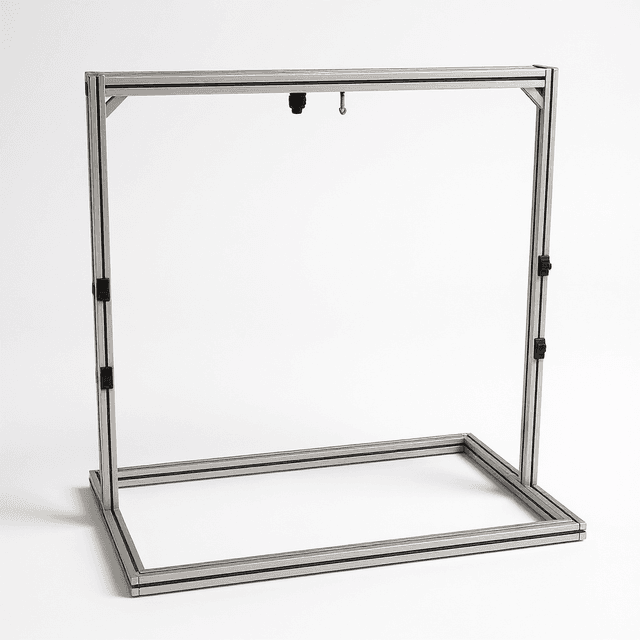
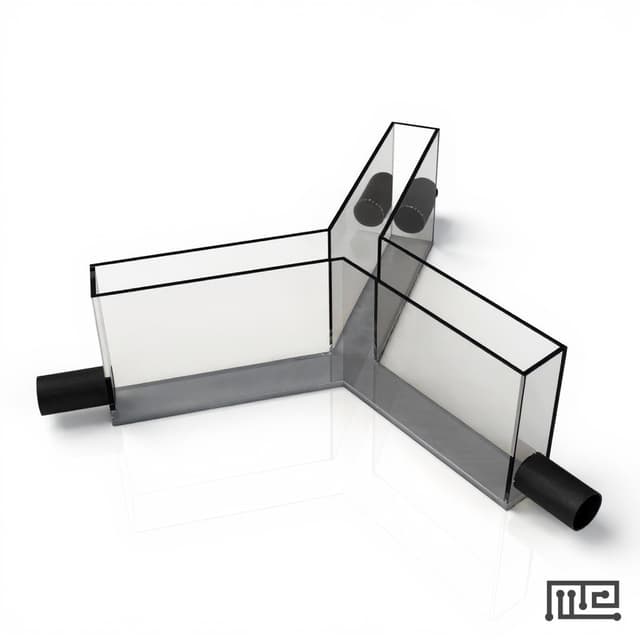
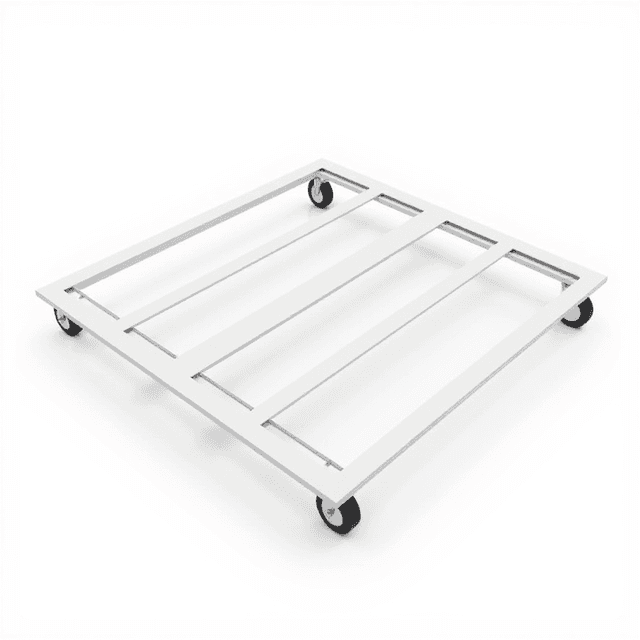
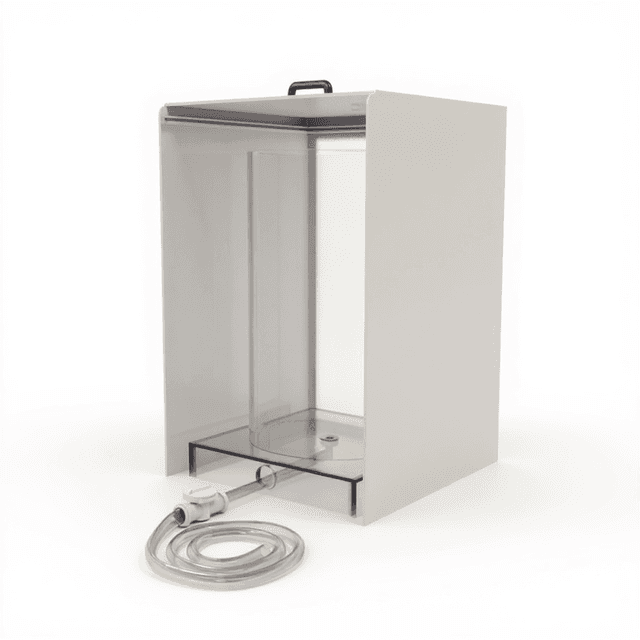
Available in mouse and rat configurations with detachable aluminum trays for easy cleaning and maintenance. The apparatus features aluminum suspension bars with species-specific station dimensions optimized for proper positioning during testing protocols.
The tail suspension test operates on the principle of behavioral despair, where rodents suspended by their tail initially exhibit escape-oriented behaviors before transitioning to immobility. This behavioral pattern reflects a learned helplessness response analogous to depressive states in humans.
During testing, animals are suspended from the aluminum bar using tape or clips, with their head positioned at the appropriate distance from the apparatus base. Immobility is quantified as the absence of escape-oriented movements, typically measured over a 6-minute testing period. The aluminum construction ensures consistent suspension geometry while the detachable tray facilitates cleaning between subjects.
Antidepressant compounds typically reduce immobility time by restoring escape behaviors, making this assay a validated screening tool for therapeutic efficacy. The standardized station dimensions (19cm for mice, 24cm for rats) ensure consistent testing conditions across experimental sessions.
| Measurement | Mouse set of one | Mouse set of four | Rat set of one |
|---|---|---|---|
| Size | 47cm W x 43cm D x 54cm H; Station 19cm | 55 H x 15 W x 11.5 cm D; Station 19cm | 60cm W x 60cm D x 75cm H; Station 24cm |
| Feature | This Product | Typical Alternative | Advantage |
|---|---|---|---|
| Construction Material | Aluminum suspension bar and detachable tray | Many alternatives use plastic or steel components | Aluminum provides optimal durability while remaining lightweight and corrosion-resistant for long-term laboratory use |
| Species Configurations | Dedicated mouse (19cm) and rat (24cm) station dimensions | Some models use adjustable or universal sizing | Species-specific dimensions ensure consistent behavioral responses and reduce protocol variability |
| Tray Design | Detachable aluminum tray system | Fixed base designs are common in basic models | Removable components enable thorough cleaning and disinfection between subjects |
| Set Options | Available as single units or four-unit sets | Many suppliers offer fixed quantity configurations | Flexible purchasing options accommodate both low-throughput and high-throughput research needs |
This tail suspension apparatus combines aluminum construction with species-optimized dimensions and modular design. The detachable tray system and flexible set configurations provide practical advantages for laboratories conducting behavioral despair research with varying throughput requirements.
| Model | SKU | Listed price | Status | Shipping box |
|---|---|---|---|---|
| Clear | CS-958391 | $1,795.00 | Available | 65.0 x 36.0 x 27.0 cm |
| Blue | CS-958391 | $1,795.00 | Available | 65.0 x 36.0 x 27.0 cm |
| Grey | CS-958391 | $1,795.00 | Available | 65.0 x 36.0 x 27.0 cm |
| White | CS-958391 | $1,795.00 | Available | 65.0 x 36.0 x 27.0 cm |
| Black | CS-958391 | $1,795.00 | Available | 65.0 x 36.0 x 27.0 cm |
Verify station height measurements before each experimental session to ensure consistent suspension geometry.
Why: Proper positioning is critical for reliable behavioral responses and data reproducibility
Inspect aluminum components monthly for signs of wear or damage that could affect animal safety or data quality.
Why: Regular maintenance prevents equipment-related artifacts and ensures animal welfare standards
Allow animals to acclimate to the testing room for at least 30 minutes before suspension testing.
Why: Environmental acclimation reduces stress-related confounds that can mask antidepressant effects
If animals consistently show excessive climbing behavior, check tail tape placement and suspension height alignment.
Why: Improper positioning can lead to atypical behaviors that compromise behavioral despair measurements
Score immobility behaviors in real-time or from video recordings using trained observers to ensure consistent criteria application.
Why: Standardized scoring methods are essential for detecting subtle antidepressant effects and reducing inter-observer variability
Limit suspension duration to established protocols and monitor animals continuously throughout testing.
Why: Proper timing and supervision prevent animal distress while maintaining experimental validity
Randomize testing order and blind scorers to experimental groups when possible to minimize bias.
Why: Blinded protocols improve data objectivity and strengthen statistical power for detecting treatment effects
ConductScience provides a one-year manufacturer warranty covering defects in materials and workmanship, with technical support for setup and protocol optimization.
Background reading relevant to this product:
What is the Tail Suspension Test?
The Tail Suspension Test is a behavioral assay for depression-like behavior in mice. Animals are suspended by the tail and the duration of immobility versus escape-oriented behavior is measured.
How does the Tail Suspension Test work?
A mouse is suspended by its tail from an elevated bar. After initial struggling, mice become immobile. The immobility time correlates with depression-like phenotype and is reduced by antidepressant drug pretreatment.
What research applications use the Tail Suspension Test?
The Tail Suspension Test complements the Forced Swim Test for antidepressant screening. It is used in genetic studies of depression, serotonin transporter research, and rapid screening of novel antidepressant compounds.
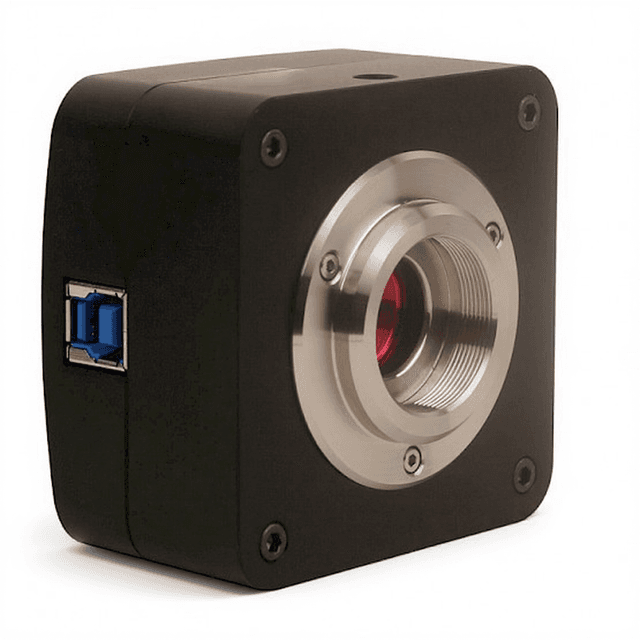
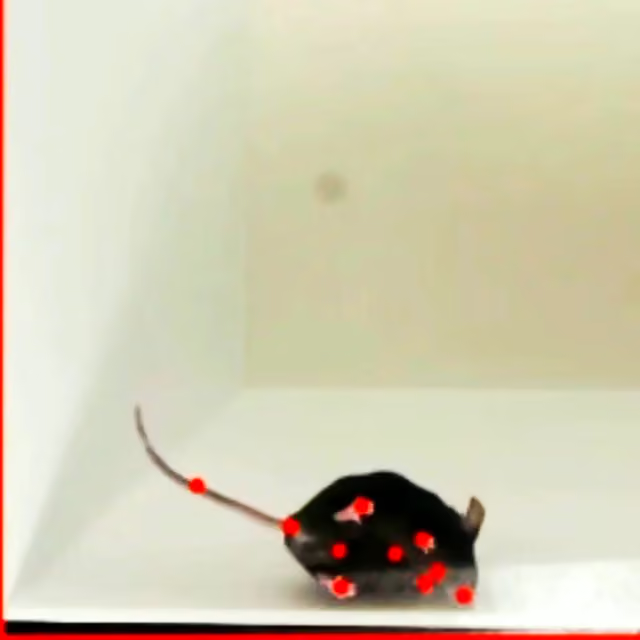
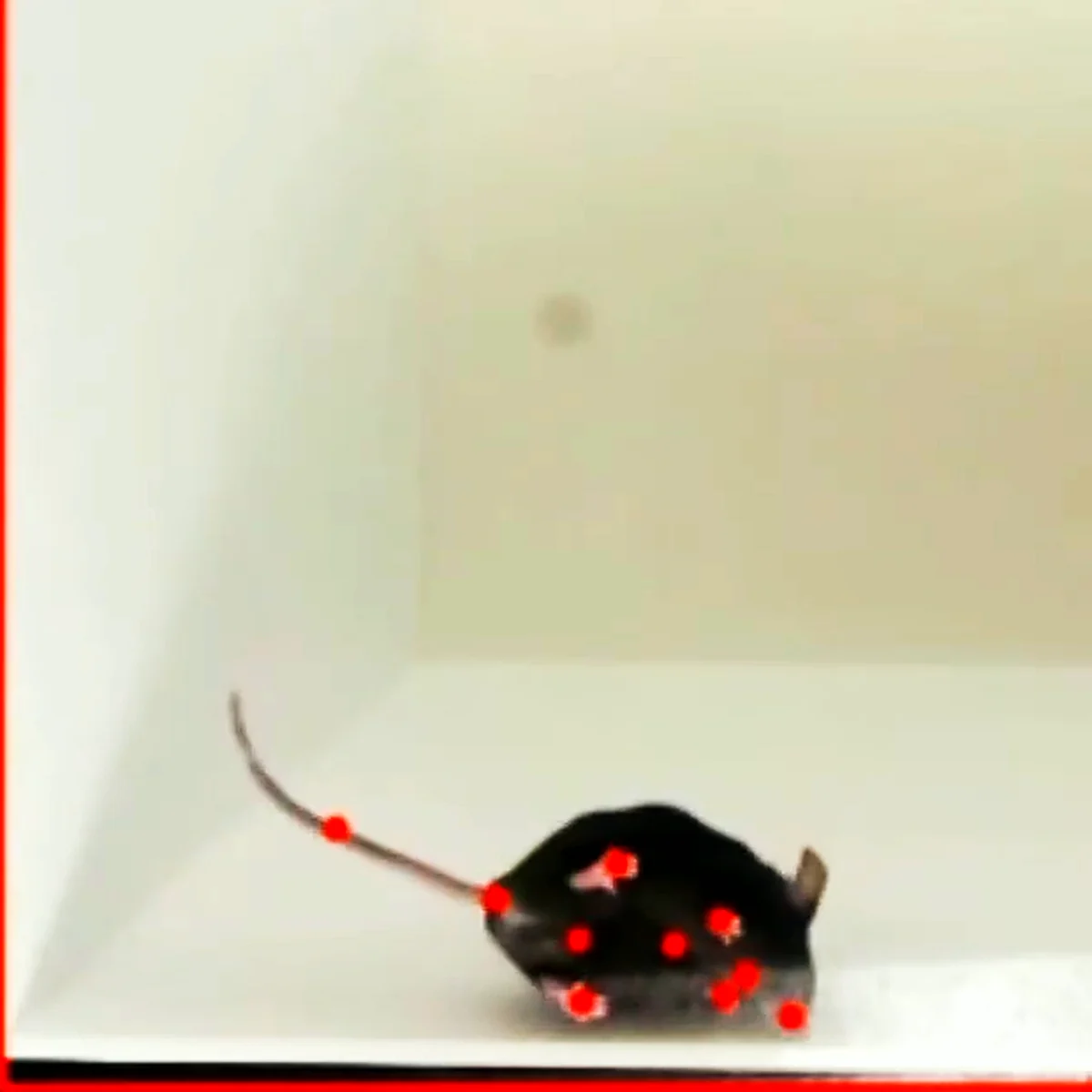
ConductVision is our video-tracking software. Record your sessions on video, and it reports the measures listed below.
A 5-year license is $3,990 in total.
The same license also scores standard tests such as the open field, the elevated plus maze, the Y-maze and the Morris water maze. Results export as CSV files.
Send it over and we'll email you a personalized answer — no call, no scheduling.
Prefer to talk it through?