
1 / 3
Ethological Motivated Light/Dark Box Social Interaction Test
SKU CS-958241
$3,290.00
IncludesStandard care
Specialized apparatus combining light/dark box testing with social interaction assessment for comprehensive evaluation of anxiety-related behaviors and social motivation in laboratory animals.
CE MarkedBAA available
Scientist guidance

Louise Corscadden, PhD
Director of Science · ConductScience
Ask Louise about Ethological Motivated Light/Dark Box Social Interaction Test fit, setup, configuration, or quote prep.
Already working with us? Sign in to connect this with My Scientist.
Key Specifications
Full details →- Model fit
- Mouse, Rat
- SKU family
- CS-958241
- Shipping box
- 65.0 x 36.0 x 27.0 cm
- Ordering
- Online checkout and quote request available
- Category
- Anxiety & Depression Tests
- Build notes
- Confirm accessories, station layout, and support needs before purchase
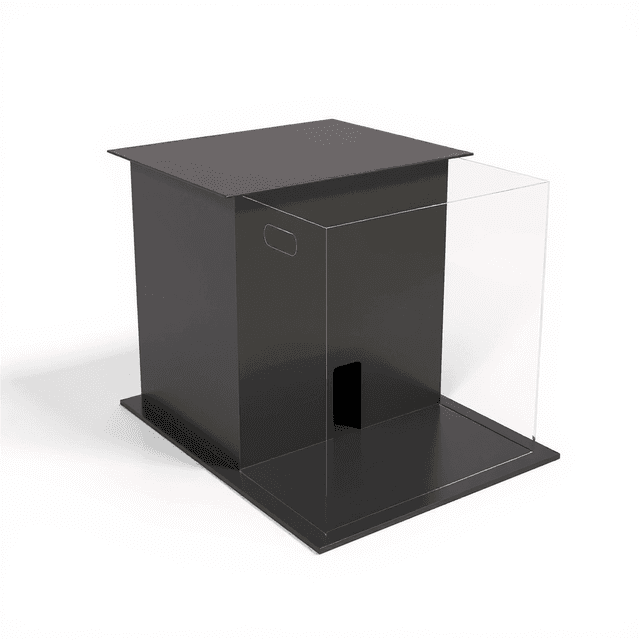
The Ethological Motivated Light/Dark Box Social Interaction Test provides researchers with a controlled environment to assess social behavior patterns, anxiety-related responses, and approach-avoidance behaviors in laboratory animals. This apparatus combines the classic light/dark box paradigm with social interaction components, enabling simultaneous evaluation of anxiolytic/anxiogenic responses and social motivation within a single testing session.
The system allows for systematic investigation of how environmental lighting conditions influence social behaviors, making it particularly valuable for studies examining the intersection of anxiety, social cognition, and environmental preferences. Researchers can quantify time spent in different zones, social interaction frequency, and approach behaviors to generate comprehensive behavioral profiles.
How It Works
The apparatus operates on the principle that rodents naturally exhibit thigmotaxis and prefer dimly lit environments, while simultaneously possessing innate social drives. The system creates a spatial gradient of lighting conditions while providing opportunities for social interaction, allowing researchers to measure the competing motivational states of environmental preference versus social approach.
Animals are placed in the apparatus where they can freely move between differently illuminated zones while having access to social stimuli or conspecifics. Behavioral scoring systems track zone transitions, time allocation, social interaction events, and approach behaviors. The methodology capitalizes on the natural conflict between anxiety-inducing bright environments and the rewarding nature of social contact.
Data collection typically involves video tracking systems that monitor animal position, movement patterns, and social behaviors across different lighting zones, providing quantitative measures of anxiety-like behavior, social motivation, and environmental preferences simultaneously.
Features & Benefits
Dual-zone lighting system
Creates distinct environmental contexts for assessing approach-avoidance behaviors and anxiety responses
Social interaction compartments
Enables simultaneous measurement of social motivation alongside environmental preferences
Modular chamber design
Allows customization of zone dimensions and lighting gradients to match specific research protocols
Video tracking compatibility
Supports automated behavioral analysis and reduces observer bias in data collection
Transparent barrier options
Permits visual and olfactory social cues while maintaining spatial control for interaction studies
Multiple entry points
Provides natural exploration patterns and reduces apparatus-specific behavioral artifacts
Easy cleaning surfaces
Facilitates rapid turnover between subjects while maintaining hygienic testing conditions
Behavioral Construct
- Social Interaction
- Anxiety
- Approach-Avoidance
- Environmental Preference
- Social Motivation
- Exploration
Automation Level
- semi-automated
Research Domain
- Addiction Research
- Anxiety and Depression
- Behavioral Pharmacology
- Learning and Memory
- Neuroscience
- Social Behavior
Species
- Mouse
- Rat
Compatible Tracking Software
- ConductVision
Shipping weight
- 6.06 lb
Shipping box
- L: 65.0 cm
- W: 36.0 cm
- H: 27.0 cm
| Feature | This Product | Typical Alternative | Advantage |
|---|---|---|---|
| Test Integration | Combined light/dark and social interaction assessment | Separate testing apparatus required for each behavioral domain | Reduces animal handling stress and provides direct comparison of competing motivational drives. |
| Environmental Control | Integrated lighting system with multiple zones | Basic light/dark chambers with fixed illumination | Enables systematic investigation of lighting effects on social behavior patterns. |
| Social Stimulus Options | Multiple compartment configurations for various social paradigms | Limited to single social interaction format | Supports diverse research questions within the same apparatus framework. |
| Behavioral Analysis | Simultaneous tracking of spatial and social behaviors | Sequential or separate analysis systems | Provides comprehensive behavioral profiles with reduced experimental variability. |
The apparatus offers integrated assessment capabilities that combine environmental preference testing with social interaction measurement, providing researchers with a comprehensive tool for investigating anxiety-social behavior interactions within controlled experimental conditions.
Neuroscience
Investigating neural circuits underlying social anxiety and approach-avoidance behaviors by measuring behavioral responses in different lighting environments.
Behavioral Pharmacology
Screening anxiolytic and social-enhancing compounds by quantifying changes in social interaction patterns and environmental preferences.
Anxiety and Depression
Modeling anxiety-related disorders by assessing avoidance of brightly lit areas and measuring social withdrawal behaviors.
Social Behavior
Evaluating social motivation and interaction quality under varying environmental stress conditions created by lighting gradients.
Learning and Memory
Studying how environmental context and social cues interact to influence memory formation and retrieval in approach-avoidance learning paradigms.
Addiction Research
Examining how substance exposure affects social behavior and environmental preferences in withdrawal or intoxication states.
Practical Tips
Calibration
Verify illumination levels weekly using a light meter to ensure consistent environmental conditions across testing sessions.
Why: Lighting variations can significantly affect behavioral responses and experimental reproducibility.
Maintenance
Inspect barrier integrity and joint connections monthly to prevent escape routes or apparatus damage during testing.
Why: Structural integrity is essential for maintaining controlled environmental conditions and animal safety.
Best Practices
Randomize testing order and apparatus orientation to minimize confounding effects from external environmental cues.
Why: Systematic bias can influence behavioral results and reduce the validity of social interaction measurements.
Data Quality
Establish clear behavioral scoring criteria and inter-rater reliability protocols before beginning data collection.
Why: Consistent behavioral definitions ensure reproducible results and enable meaningful statistical comparisons.
Troubleshooting
If animals show complete avoidance of light zones, verify lighting intensity is within appropriate ranges and consider habituation periods.
Why: Excessive illumination can create ceiling effects that obscure treatment differences in anxiety-related behaviors.
Safety
Monitor animals continuously during testing sessions and establish clear endpoints for excessive stress responses.
Why: Animal welfare considerations require immediate intervention if subjects show signs of distress beyond normal anxiety responses.
Setup Guide
Unpack and Inspect
Remove all components from packaging and verify apparatus integrity, checking for any damage to walls, floors, or lighting elements.
Assembly Setup
Assemble the test chamber according to specifications, ensuring proper alignment of light and dark zones with secure barrier connections.
Lighting Calibration
Install and test lighting systems, measuring illumination levels in each zone to ensure appropriate light/dark contrast ratios.
Camera Positioning
Position video recording equipment to capture the entire apparatus with clear visibility of all zones and social interaction areas.
Environmental Controls
Set ambient temperature and humidity controls, allowing the apparatus to equilibrate to testing conditions for 30 minutes.
Validation Testing
Conduct preliminary trials without animals to verify video tracking accuracy and confirm proper zone detection algorithms.
Protocol Implementation
Begin experimental sessions following standardized protocols for animal acclimation, testing duration, and social stimulus presentation.
What’s in the Box
- Main test apparatus with light and dark zones (typical)
- Lighting system components (typical)
- Barrier and divider elements (typical)
- User manual and protocol guide (typical)
- Assembly hardware and tools (typical)
Warranty
ConductScience provides standard manufacturer warranty coverage with technical support for proper apparatus setup and protocol implementation guidance.
Compliance
ARRIVE GuidelinesSupports standardized reporting of animal behavior studies through controlled environmental conditions and systematic testing protocols.
IACUC RequirementsDesigned for use in approved animal research protocols with appropriate welfare considerations for behavioral testing.
Good Laboratory PracticesEnables reproducible behavioral data collection through standardized apparatus design and testing procedures.
Q
What lighting intensity ratios are recommended for optimal behavioral discrimination?
A
Consult product datasheet for specific illumination parameters. Typical protocols use bright zones of 400-600 lux contrasted with dark zones under 10 lux to create strong approach-avoidance gradients.
Q
How long should acclimation periods be before testing begins?
A
Standard protocols recommend 5-10 minute acclimation periods in home cage conditions, followed by 2-3 minutes in the apparatus before introducing social stimuli or beginning formal testing sessions.
Q
Can the apparatus accommodate different social interaction paradigms?
A
The modular design supports various social testing configurations including resident-intruder, social approach, and social novelty paradigms depending on barrier arrangements and stimulus animal placement.
Q
What video tracking systems are compatible with this apparatus?
A
Most commercial behavioral analysis software systems can be adapted for this apparatus, including EthoVision, ANY-maze, and TopScan, requiring camera positioning for full arena coverage.
Q
How frequently should the apparatus be cleaned between subjects?
A
Clean between each subject using 70% ethanol to eliminate olfactory cues, allowing complete drying before introducing the next animal to prevent contamination effects.
Q
What are typical session durations for meaningful data collection?
A
Most protocols use 10-20 minute sessions, with initial 5 minutes for habituation and subsequent periods for active behavioral scoring and social interaction assessment.
Q
Can lighting conditions be modified during testing sessions?
A
Consult specific apparatus configuration options. Some systems allow dynamic lighting changes during sessions to assess behavioral flexibility and adaptation responses.
Have a question about this product?
Track rodents with ConductVision
ConductVision is our video-tracking software. Record your sessions on video, and it scores standard rodent tests, such as those listed below.
Examples of tests it scores
To check whether ConductVision scores your protocol in this apparatus, ask in your quote request.
Ask a question
Have a question? Just ask.
Send it over and we'll email you a personalized answer — no call, no scheduling.
Personalized email reply
Usually within one business day
Helpful answers published here
Prefer to talk it through?
Accessories
Enhance your setup with compatible accessories
Total: $0.00
Frequently Bought Together
Total: $6,480.00
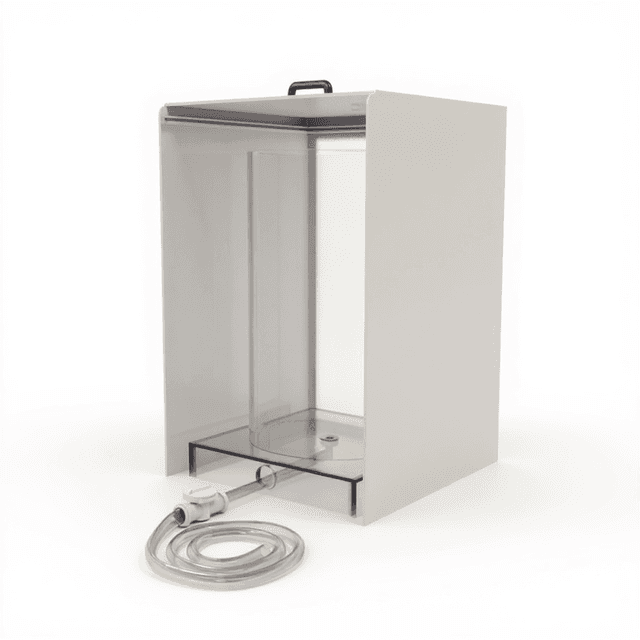
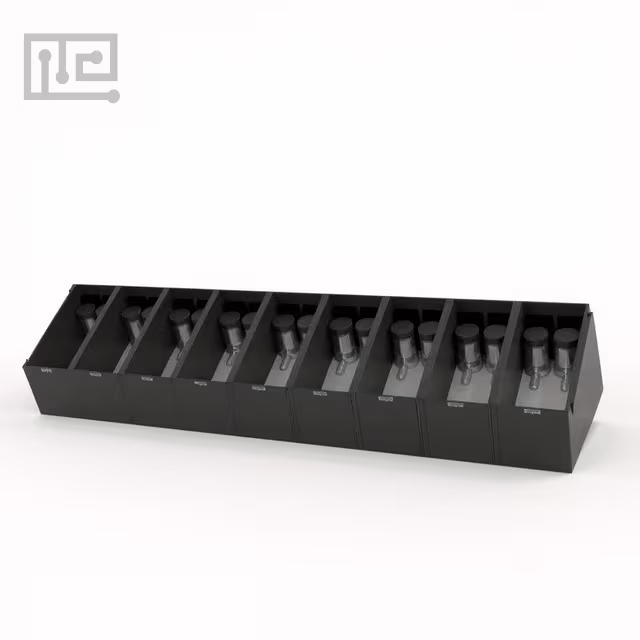
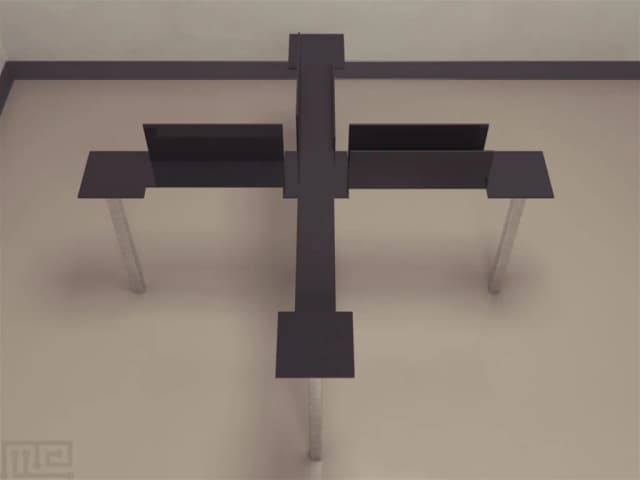
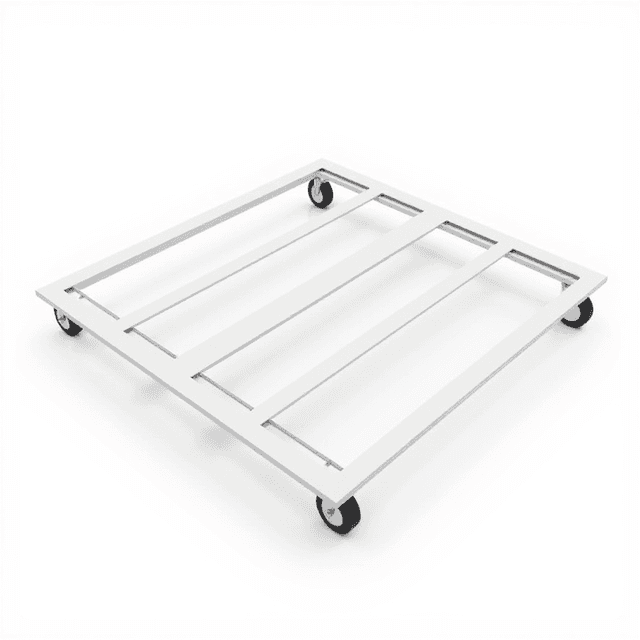

Ethological Motivated Light/Dark Box Social Interaction Test
$3,290.00
Added to quoteView Quote