ConductVision
$1,490 per year for one computerA 5-year license is $3,990 in total.
Results export as CSV files.

Circular behavioral testing apparatus for assessing anxiety-like behavior and light-dark preferences in rodents through quantitative analysis of zone occupancy and transition patterns.

Director of Science · ConductScience
Ask Louise about Circular Light-Dark box fit, setup, configuration, or quote prep.
Already working with us? Sign in to connect this with My Scientist.
From 2021 to 2025, 712 animal research papers mentioned the light-dark box. The count covers the test on any apparatus, not only this one.
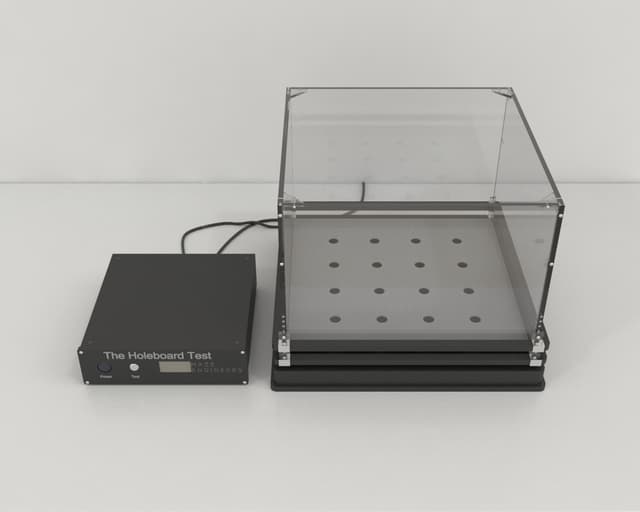
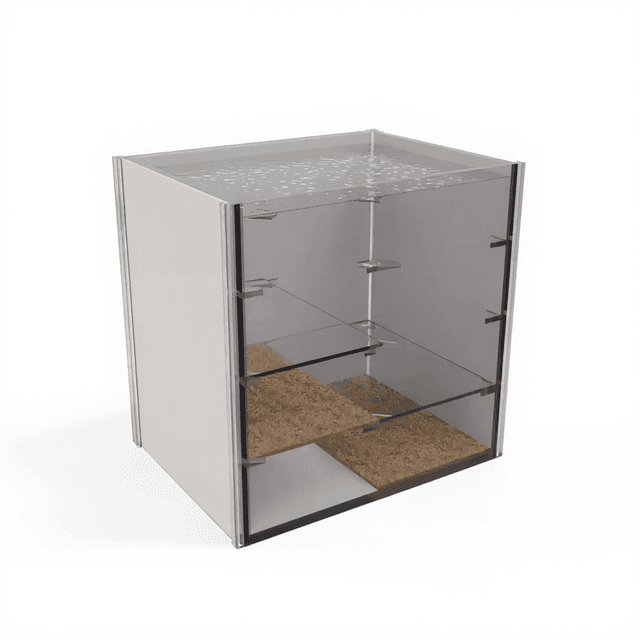
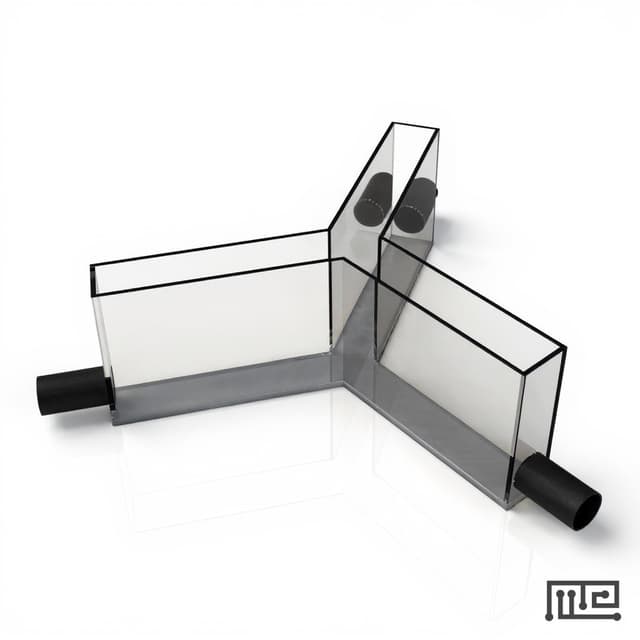
The Circular Light-Dark box is a specialized behavioral testing apparatus designed for assessing anxiety-like behavior, locomotor activity, and circadian rhythm preferences in laboratory rodents. This apparatus presents subjects with a choice between an illuminated sector and a darkened sector within a circular arena, allowing researchers to quantify natural avoidance behaviors and exploratory patterns.
The circular design eliminates corner preferences and wall-following behaviors common in rectangular apparatuses, providing more accurate measurements of anxiety-related responses. Researchers can assess both temporal and spatial aspects of behavior, including time spent in each zone, transition frequency, and movement patterns between light and dark areas.
The Circular Light-Dark box operates on the principle of exploiting rodents' natural photophobic tendencies and preference for enclosed, darkened spaces. The apparatus divides a circular arena into distinct light and dark zones, creating an approach-avoidance conflict that reveals anxiety-like behavioral patterns.
Animals naturally exhibit exploratory behavior when placed in novel environments, but this drive conflicts with their innate tendency to avoid brightly illuminated, exposed areas. The circular geometry eliminates confounding variables such as corner preferences and ensures equal accessibility to both zones from any starting position.
Behavioral analysis focuses on temporal and spatial parameters including latency to first transition, total time in each zone, number of zone crossings, and movement velocity within each compartment. These quantitative measures provide objective assessments of anxiety-like states, exploratory drive, and treatment effects on emotional behavior.
These IDs come from the Measurement Method Ontology (MMO) and NCBI Taxonomy. Use them in data records and methods sections.
MMO:0000597NCBITaxon:10090 NCBITaxon:10116 Ready for RO-Crate, the open standard for sharing data.
| Feature | This Product | Typical Alternative | Advantage |
|---|---|---|---|
| Arena Geometry | Circular design eliminating corner effects | Rectangular chambers with corner preferences | Provides unbiased anxiety measurements without spatial confounds affecting zone selection. |
| Zone Accessibility | Equal distance from center to all zones | Unequal accessibility in linear designs | Ensures initial exploration opportunities are not influenced by starting position proximity to preferred areas. |
| Behavioral Readouts | Zone occupancy and transition analysis | Limited to basic time measurements | Enables comprehensive analysis of both temporal and spatial aspects of anxiety-related behavior. |
| Video Tracking | Overhead recording compatibility | Side-view recording limitations | Supports automated tracking systems for objective behavioral quantification without researcher bias. |
This circular light-dark box provides standardized anxiety assessment through elimination of spatial confounds common in rectangular designs. The apparatus supports automated tracking systems and offers clear zone demarcation for reliable behavioral quantification.
Verify light zone illumination reaches 300-400 lux using a calibrated light meter before each testing session.
Why: Consistent lighting intensity ensures reproducible anxiety induction across experimental sessions.
Inspect arena walls for scratches or damage that could create shadows affecting zone boundaries.
Why: Physical damage can alter the perceived light-dark gradient and compromise behavioral measurements.
Allow animals to acclimate to the testing room for 30 minutes before behavioral assessment.
Why: Environmental acclimation reduces stress responses unrelated to the light-dark paradigm being tested.
If animals show no zone preference, check for light leakage into the dark zone or insufficient illumination contrast.
Why: Inadequate light-dark differential eliminates the anxiety-inducing stimulus necessary for meaningful behavioral discrimination.
Record the first transition latency as well as total time in each zone for comprehensive anxiety assessment.
Why: Initial exploration patterns often differ from sustained preferences and provide additional behavioral insights.
Ensure smooth arena walls without sharp edges that could injure animals during exploration.
Why: Physical safety is essential for animal welfare and prevents injury-induced behavioral artifacts.
Test animals during their active phase for optimal exploratory behavior expression.
Why: Circadian timing affects baseline activity levels and anxiety responses in rodent behavioral studies.
ConductScience provides a standard one-year manufacturer warranty covering defects in materials and workmanship. Technical support is available for setup assistance and protocol optimization.
Specifications, models, materials, and operating envelopes
What is the optimal testing duration for light-dark box experiments?
Typical sessions run 5-10 minutes, allowing sufficient time for initial exploration while avoiding habituation effects that reduce zone discrimination.
How should lighting intensity be calibrated between zones?
The light zone typically requires 300-400 lux illumination while the dark zone should remain below 10 lux to create sufficient contrast for anxiety assessment.
Can the apparatus accommodate different rodent species?
The circular design is suitable for mice and rats, though session duration and lighting parameters may require adjustment based on species-specific behavior patterns.
What tracking software parameters are most critical?
Accurate zone boundary definition and center-point tracking are essential, with sampling rates of at least 30 Hz recommended for precise movement analysis.
How frequently should the apparatus be cleaned between subjects?
Clean with 70% ethanol between each animal to eliminate olfactory cues that could influence subsequent subjects' exploratory patterns.
What baseline measures indicate successful anxiety induction?
Normal rodents typically spend 60-80% of time in the dark zone with frequent but brief light zone entries, establishing the anxiety baseline for treatment comparisons.
How does circular geometry compare to rectangular light-dark boxes?
Circular designs eliminate corner-seeking and wall-following behaviors, providing more accurate measures of true light-dark preference without spatial confounds.
Research data
712 animal research papers in PubMed from 2021 to 2025 mention the light-dark box test
1.5 times as many as the 476 papers from 2011 to 2015
These counts are for the test, whoever made the apparatus, not for this product.
The lists below cover 2021 to 2025, the years in the band.
Hover over a bar to see its year. Click or tap a bar to show only that year in the lists below, or drag across the bars to show a span of years. On a keyboard, use the arrow keys on the chart to read each year, and the menus below it to pick the years.
A paper can mention more than one species, test or condition, so the percentages can add up to more than 100%.
To put a whole battery on one quote, open the test battery tool and start from the light-dark box test. Pick the other tests your study will run, then add the apparatus we sell for each.
By papers from 2021 to 2025, the light-dark box test ranks 22nd of the 90 tests we track.
Of the 712 papers from 2021 to 2025, 86 name time in the light compartment in the title or abstract, more than any other measure.
Next come transitions (24 papers) and latency to enter the dark side (10 papers).
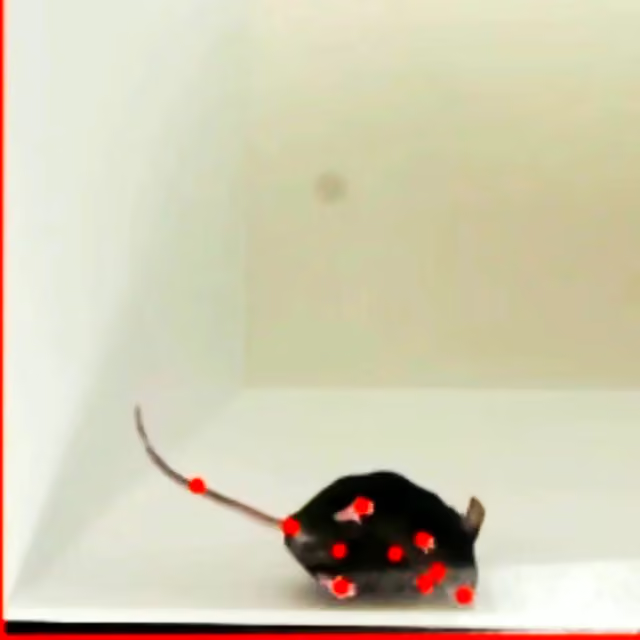
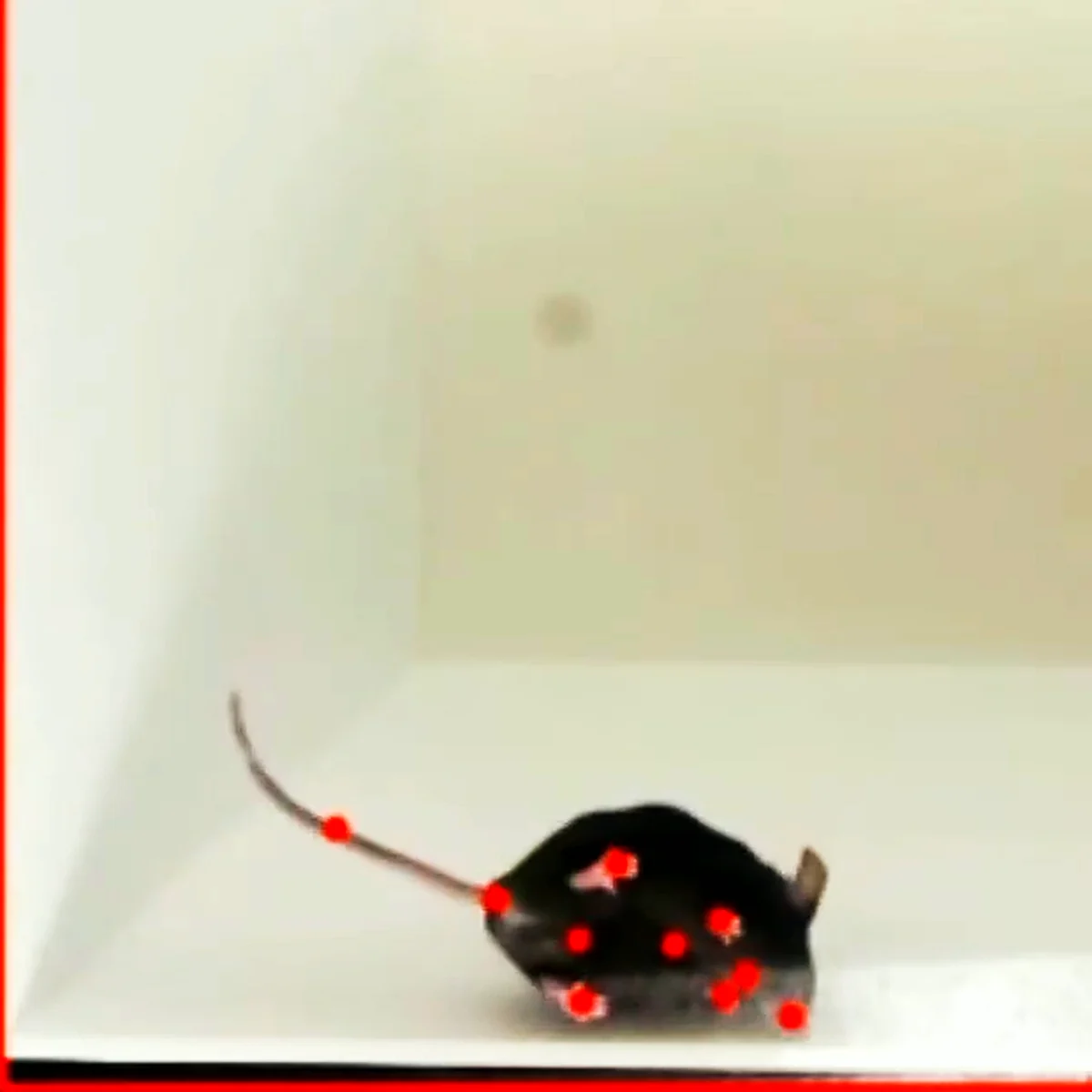
ConductVision reports time in the light compartment, transitions and latency to enter the dark side from video.
Papers per year for the 4 measures we trackConductVision is our video-tracking software. Record your sessions on video, and it scores standard rodent tests, such as those listed below.
To check whether ConductVision scores your protocol in this apparatus, ask in your quote request.
A 5-year license is $3,990 in total.
Results export as CSV files.
Send it over and we'll email you a personalized answer, with no call or scheduling.
Prefer to talk it through?
Enhance your setup with compatible accessories