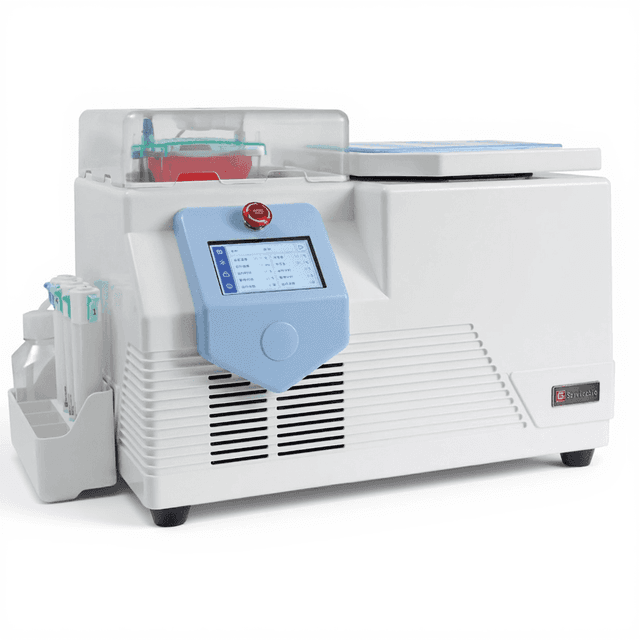
Fully Automatic Kjeldahl Nitrogen Analyzer - Extended Range
Fully-automated Kjeldahl nitrogen analyzer providing quantitative nitrogen determination in solid and liquid samples with 99.5% recovery rate and 0.5% repeatability for protein content analysis and quality control applications.
| Automation Level | fully-automated |
| Measuring Range | 0.04mg-240mg N |
| Recovery Rate | ≥99.5% |
| Sample Amount | Solid≤6g; Liquid≤25mL |
| Distillation Speed | 3~8min/sample |
| Distillation Time | 0~99min |

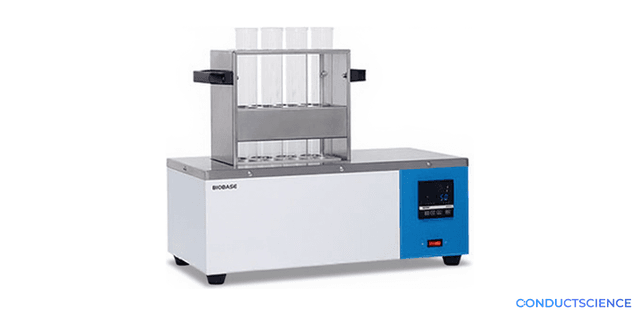
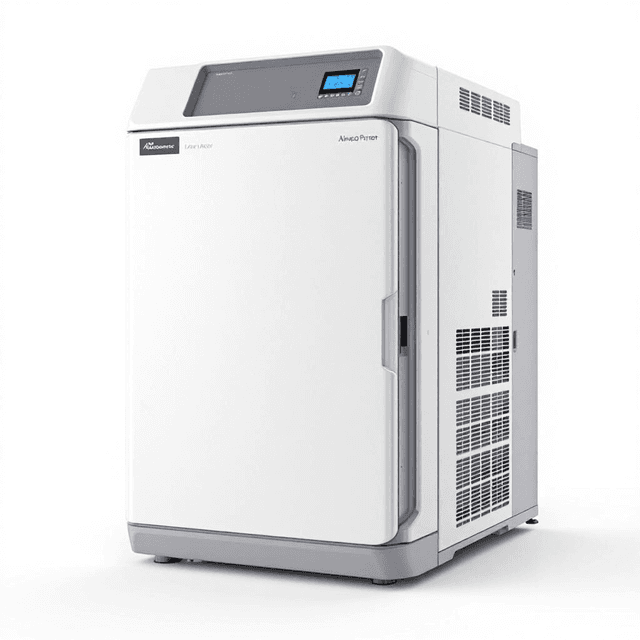
The Fully-automatic Kjeldahl Nitrogen Analyzer AKN-10S is a benchtop instrument designed for quantitative nitrogen determination in solid and liquid samples using the established Kjeldahl method. This automated system handles sample digestion, distillation, and titration processes with minimal operator intervention, providing nitrogen content measurements from 0.04mg to 240mg N with recovery rates ≥99.5% and repeatability ≤0.5%.
The instrument accommodates up to 6g solid samples or 25mL liquid samples, completing distillation cycles in 3-8 minutes per sample. Key features include automated reagent level monitoring, comprehensive safety protection systems (flow rate detection, liquid level alarms, over-temperature and over-pressure protection), and a 7-inch LCD display for operation control. Data storage capacity supports up to 1 million measurement groups, facilitating long-term analytical workflows and quality control documentation.
How It Works
The Kjeldahl method operates through a three-stage process: digestion, distillation, and titration. During digestion, organic samples are heated with concentrated sulfuric acid and a catalyst, converting organic nitrogen to ammonium sulfate. The digestion process breaks carbon-nitrogen bonds and oxidizes organic matter, leaving nitrogen in the form of ammonium ions.
In the distillation stage, the digested sample is made alkaline with sodium hydroxide, converting ammonium sulfate to ammonia gas. Steam distillation carries the ammonia into a receiving solution containing a known concentration of acid (typically boric acid or standard hydrochloric acid). The AKN-10S automates this process with precise temperature and timing control, completing distillation cycles in 3-8 minutes per sample.
The final titration step quantifies the ammonia captured in the receiving solution. The instrument performs automated titration with 1.0μL/step precision, determining the amount of acid neutralized by the distilled ammonia. This measurement directly correlates to the original nitrogen content in the sample, with results calculated and displayed on the integrated LCD interface.
Features & Benefits
Automation Level
- fully-automated
Measuring Range
- 0.04mg-240mg N
Recovery Rate
- ≥99.5%
Sample Amount
- Solid≤6g; Liquid≤25mL
Distillation Speed
- 3~8min/sample
Distillation Time
- 0~99min
Repeatability
- ≤0.5%
Titration Precision
- 1.0μl/step
Storage Data
- 1 million groups
Reagents Bottle Liquid Level Detection
- Yes
Protection Device
- Flow rate detection, liquid level alarm, over temperature and over pressure protection
Rated Power
- 2KW
External Size
- 490*380*725mm
Brand
- ConductScience
Research Domain
- Analytical Chemistry
- Environmental Monitoring
- Food Science
- Pharmaceutical QC
Display Type
- 7 inches LCD display
Power/Voltage
- Standard: 220V, 50/60Hz; Optional: 110V, 50/60Hz
Weight
- 38.0 kg
Dimensions
- L: 72.5 mm
- W: 49.0 mm
- H: 38.0 mm
Comparison Guide
| Feature | This Product | Typical Alternative | Advantage |
|---|---|---|---|
| Nitrogen Measuring Range | 0.04mg-240mg N | Entry-level analyzers often offer narrower ranges requiring sample dilution or concentration | Wide dynamic range accommodates diverse sample types without extensive sample preparation modifications. |
| Distillation Speed | 3-8 minutes per sample | Manual systems require 30-60 minutes per sample for complete distillation | Rapid analysis enables higher laboratory throughput and faster turnaround times for quality control testing. |
| Recovery Rate and Repeatability | ≥99.5% recovery with ≤0.5% repeatability | Manual methods show higher variability due to operator technique differences | Consistent analytical performance supports regulatory compliance testing and method validation requirements. |
| Data Storage Capacity | 1 million measurement groups | Basic analyzers offer limited or no data storage capabilities | Extensive data archiving supports long-term quality control programs and regulatory audit requirements. |
| Safety Protection Systems | Flow rate detection, liquid level alarm, over-temperature and over-pressure protection | Manual systems rely primarily on operator monitoring for safety | Comprehensive automated safety monitoring reduces operator risk and prevents equipment damage during high-temperature processes. |
| Sample Capacity | Solid ≤6g; Liquid ≤25mL | Varies by model with some systems limited to smaller sample sizes | Flexible sample sizing accommodates various analytical requirements without extensive sample preparation modifications. |
The AKN-10S combines comprehensive automation with robust analytical performance, offering wide nitrogen measuring range (0.04mg-240mg N), rapid 3-8 minute distillation cycles, and extensive data storage capacity. The integrated safety systems and high precision (≥99.5% recovery, ≤0.5% repeatability) position this analyzer for demanding quality control and research applications requiring consistent, reliable nitrogen determination.
Practical Tips
Verify system calibration using multiple reference standards across your analytical range before processing unknown samples.
Why: Multiple calibration points ensure accuracy throughout the 0.04mg-240mg N measuring range and detect any systematic analytical bias.
Clean digestion tubes thoroughly between samples, especially when analyzing high-protein or fatty matrices.
Why: Residual organic matter can interfere with subsequent digestions and compromise recovery rate performance.
Allow the system to reach thermal equilibrium before beginning analytical sequences, particularly after extended shutdown periods.
Why: Stable operating temperatures ensure consistent distillation performance and maintain the 3-8 minute per sample cycle time specification.
Monitor the liquid level detection system alerts to prevent analytical interruption during extended sample sequences.
Why: Reagent depletion during analysis can result in incomplete reactions and compromised recovery rates.
Include quality control samples at regular intervals throughout analytical batches to monitor system performance trends.
Why: Regular QC monitoring helps detect gradual performance drift before it impacts analytical accuracy and repeatability specifications.
Ensure adequate laboratory ventilation and verify over-pressure protection systems are functioning before operation.
Why: Sulfuric acid digestion generates hazardous vapors, and the high-temperature process requires functional safety monitoring systems.
Document all reagent lot numbers and preparation dates for comprehensive quality control record keeping.
Why: Reagent traceability supports method validation requirements and facilitates troubleshooting if analytical problems occur.
Perform regular inspection of distillation tubing and connections to prevent sample cross-contamination.
Why: Blocked or contaminated distillation paths can lead to poor recovery rates and compromised analytical results.
Setup Guide
What’s in the Box
- AKN-10S main analyzer unit
- Power cable and adapter
- Reagent bottles and tubing system (typical)
- Sample digestion tubes and accessories (typical)
- User manual and operation guide
- Calibration certificate (typical)
- Safety equipment and installation hardware (typical)
Warranty
ConductScience provides a standard one-year manufacturer warranty covering parts and labor, with technical support available for installation, calibration, and troubleshooting assistance throughout the warranty period.
Compliance
What sample preparation is required before analysis?
Solid samples should be homogenized and limited to 6g maximum, while liquid samples can be analyzed directly up to 25mL volume. Samples may require pre-drying or grinding depending on matrix composition. Consult product datasheet for specific sample preparation protocols by matrix type.
How does the automated titration system ensure endpoint accuracy?
The system provides 1.0μL/step titration precision with automated endpoint detection. The integrated algorithm monitors pH or color change indicators to determine the equivalence point, eliminating operator subjectivity in endpoint determination.
What calibration standards are recommended for method validation?
Use certified reference materials with known nitrogen content spanning your analytical range (0.04mg-240mg N). Typical standards include ammonium sulfate, glycine, or NIST-traceable protein reference materials. Verify recovery rates achieve ≥99.5% specification.
Can the instrument handle high-fat or complex matrix samples?
Yes, the Kjeldahl digestion process with sulfuric acid and catalyst effectively breaks down complex organic matrices including high-fat samples. Extended digestion times (up to 99 minutes) can be programmed for difficult matrices to ensure complete nitrogen conversion.
What data export formats are available from the 1 million group storage?
Consult product datasheet for specific data export capabilities and file formats. The large storage capacity supports comprehensive quality control documentation and trend analysis over extended periods.
How does this compare to combustion-based nitrogen analyzers?
Kjeldahl method specifically measures organic nitrogen after acid digestion, while combustion methods measure total nitrogen including nitrates and nitrites. Kjeldahl is preferred for protein analysis in food and biological samples, while combustion methods suit environmental samples with inorganic nitrogen species.
What routine maintenance is required for optimal performance?
Regular maintenance includes cleaning digestion tubes, replacing reagents, checking distillation apparatus for blockages, and verifying calibration with reference standards. The liquid level detection system helps prevent reagent depletion during extended analytical runs.
What safety considerations apply during operation?
The instrument includes multiple safety features: flow rate detection, liquid level alarms, over-temperature protection, and over-pressure protection. Operate in well-ventilated areas due to acid digestion processes and ensure proper waste disposal for sulfuric acid solutions.
Have a question about this product?
Upgrade Options