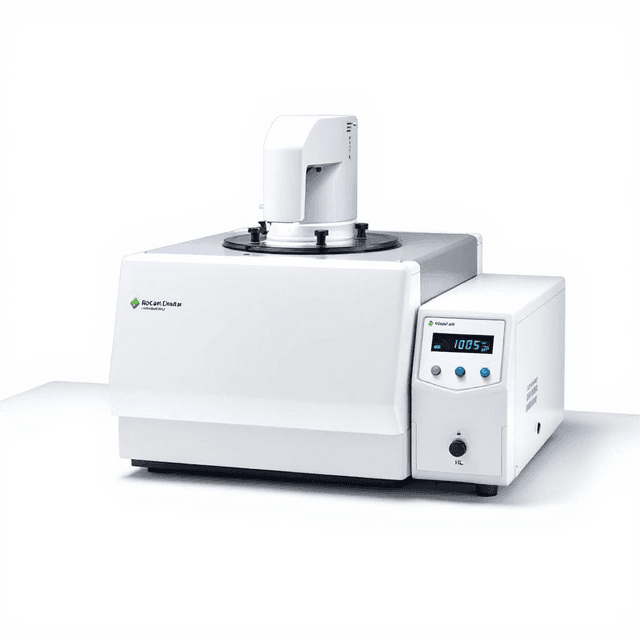
High-Temperature Viscometer
Benchtop viscometer with controlled heating for measuring viscosity of molten polymers, asphalt binders, hot oils, and other temperature-sensitive materials at elevated temperatures.
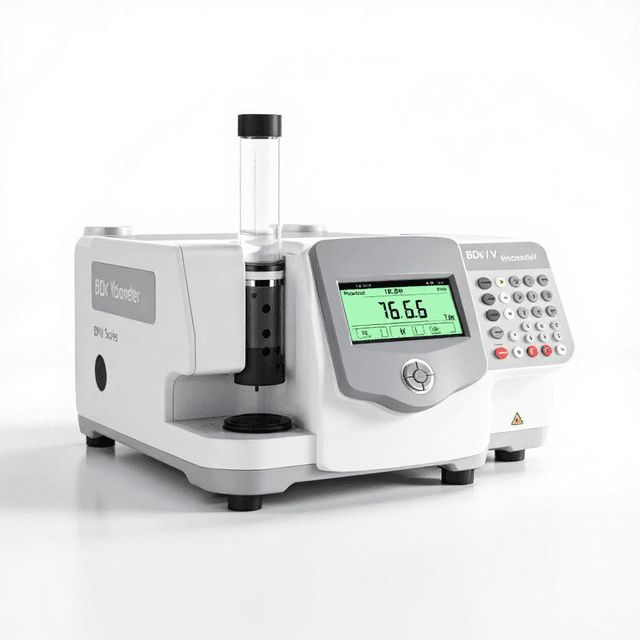
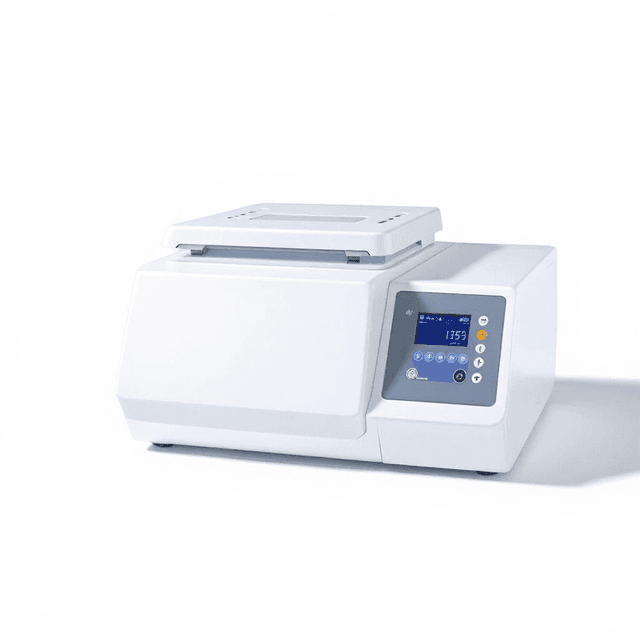
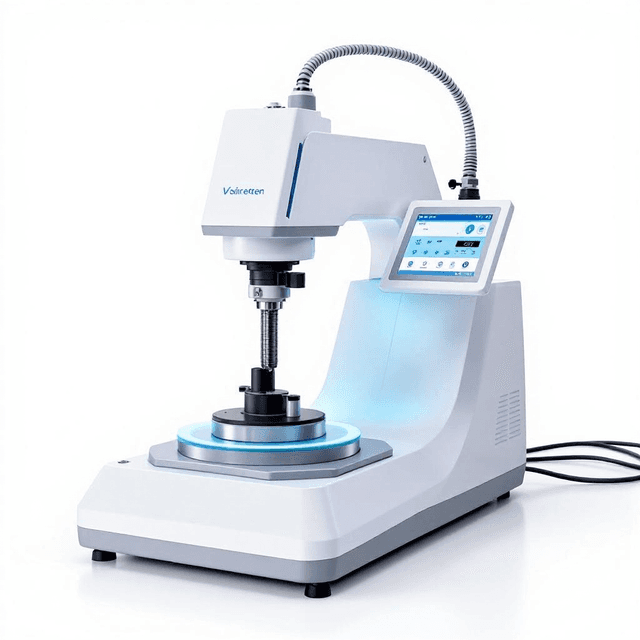
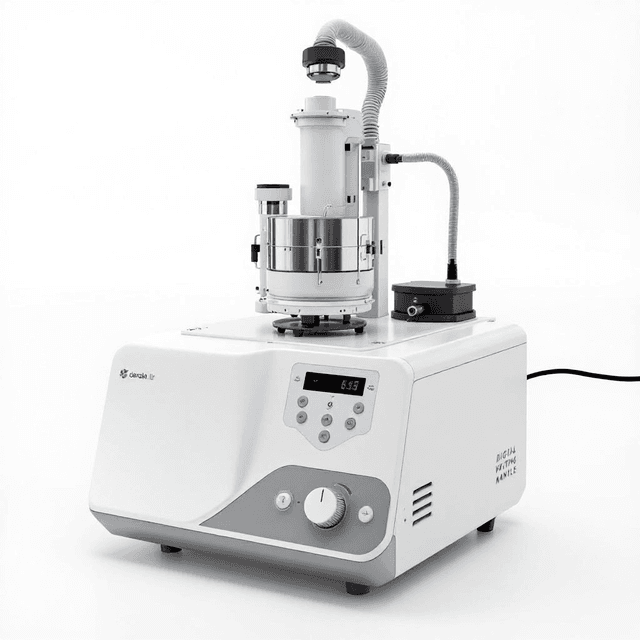
The High-Temperature Viscometer is a specialized benchtop instrument designed for measuring viscosity of materials at elevated temperatures. This instrument enables researchers and quality control laboratories to characterize the flow properties of temperature-sensitive materials including molten polymers, hot oils, asphalt binders, and other thermoplastic materials that require heating for accurate viscosity measurement.
The system provides controlled heating capabilities to maintain sample temperatures during measurement, allowing for accurate viscosity determination of materials that would solidify or exhibit significantly different flow characteristics at ambient conditions. This temperature control is essential for applications in polymer processing, asphalt testing, and materials characterization where viscosity-temperature relationships are critical parameters.
How It Works
High-temperature viscometry operates on the principle of measuring the resistance to flow of heated materials under controlled temperature conditions. The instrument applies controlled shear stress to the heated sample and measures the resulting shear rate, allowing calculation of dynamic viscosity according to Newton's law of viscosity. Temperature control systems maintain precise sample heating to simulate actual processing or service conditions.
The measurement chamber incorporates heating elements and temperature sensors to provide uniform thermal conditioning of the sample. Depending on the configuration, the system may employ rotational or capillary measurement principles, where either a spindle rotates through the heated sample or the material is forced through a heated capillary at known pressure differentials.
Data acquisition systems record viscosity values as a function of temperature, shear rate, and time, enabling characterization of temperature-dependent flow behavior, thermal stability, and processing windows for the test materials.
Features & Benefits
Model
- BDV-1L
- BDV-1H
- BDV-1HB
- BDV-2L
- BDV-2H
- BDV-2HB
Voltage
- 220V (50/60Hz)
- 110V (60Hz) with Transformer
Weight
- 15.0 lbs
Dimensions
- L: 42.0 in
- W: 43.6 in
- H: 38.0 in
Comparison Guide
| Feature | This Product | Typical Alternative | Advantage |
|---|---|---|---|
| Temperature Control Range | Designed for elevated temperature applications as indicated by product name and tags | Basic models often limited to ambient or low-temperature ranges | Enables measurement of materials at actual processing temperatures for more relevant characterization data |
| Sample Handling Design | Specialized for molten materials and heated samples | Standard viscometers require external heating or sample transfer | Integrated heating reduces temperature gradients and measurement artifacts from sample transfer |
| Material Compatibility | Designed for asphalt, polymers, oils, and molten materials | General-purpose instruments may lack appropriate fixtures for heated materials | Purpose-built measurement geometries optimize accuracy for high-temperature material characterization |
| Measurement Environment | Benchtop design with integrated heating control | Separate heating equipment requires additional bench space and setup complexity | Consolidated system design simplifies laboratory integration and reduces measurement setup time |
This high-temperature viscometer provides integrated heating control and specialized sample handling designed specifically for elevated temperature applications. The system combines temperature control with viscosity measurement capabilities in a benchtop configuration suitable for materials characterization laboratories.
Practical Tips
Verify temperature accuracy using certified reference standards at multiple temperature points across your operating range.
Why: Temperature accuracy directly affects viscosity measurement reliability, particularly for temperature-sensitive materials.
Clean heating elements and sample chambers regularly to prevent material buildup that can affect heat transfer uniformity.
Why: Material residue can create hot spots and temperature gradients that compromise measurement accuracy.
Allow adequate thermal equilibration time before beginning measurements, especially when changing between significantly different temperature setpoints.
Why: Thermal gradients in the sample can lead to measurement variability and poor reproducibility.
Use appropriate personal protective equipment when handling heated samples and ensure proper ventilation for volatile materials.
Why: Hot materials pose burn hazards and some heated samples may release vapors requiring controlled ventilation.
Monitor temperature stability throughout the measurement period and record any temperature variations with viscosity data.
Why: Small temperature fluctuations can significantly affect viscosity readings, particularly for temperature-sensitive materials.
If viscosity readings drift during measurement, check for air bubbles in heated samples or temperature control system stability.
Why: Air bubbles expand with heating and temperature instability creates measurement artifacts that appear as viscosity changes.
Pre-heat sample containers and measurement fixtures to minimize thermal shock when loading hot samples.
Why: Thermal shock can cause sample temperature drops and create measurement delays while thermal equilibrium is reestablished.
Setup Guide
What’s in the Box
- High-temperature viscometer main unit (typical)
- Heating chamber and temperature controller (typical)
- Standard spindle set for various viscosity ranges (typical)
- Sample containers and holders (typical)
- Temperature calibration thermometer (typical)
- Power adapter and cables (typical)
- User manual and operating procedures (typical)
- Calibration certificate (typical)
Warranty
ConductScience provides standard manufacturer warranty coverage for one year from date of purchase, including technical support for operation, calibration, and maintenance procedures. Extended warranty options and service contracts are available for laboratories requiring enhanced support coverage.
Compliance
What temperature range can this viscometer achieve for sample heating?
Specific temperature range capabilities should be verified in the product datasheet, as heating requirements vary significantly between asphalt, polymer, and oil testing applications.
How do I select the appropriate spindle or measurement geometry for my heated sample?
Spindle selection depends on expected viscosity range and sample characteristics. Consult the user manual for spindle specifications and recommended measurement geometries for your material type.
What sample volume is required for accurate measurements at elevated temperatures?
Sample volume requirements depend on the measurement geometry and heating chamber design. Refer to the product specifications for minimum sample volumes needed to ensure proper temperature control and measurement accuracy.
Can this instrument measure time-dependent viscosity changes in heated materials?
Yes, the data logging capabilities allow monitoring of viscosity changes over time at constant temperature, enabling assessment of thermal stability and time-dependent flow behavior.
How frequently does the temperature calibration need to be verified?
Temperature calibration should be verified according to your laboratory's quality system requirements, typically annually or when measurement accuracy is questioned. Use certified reference thermometers for calibration verification.
What safety considerations apply when working with heated samples?
Follow appropriate laboratory safety protocols for handling hot materials, including use of protective equipment and proper ventilation. Ensure heating chamber is properly insulated and temperature controls are functioning correctly.
Can this viscometer handle samples that may solidify during cooling?
The controlled heating system maintains sample temperature during measurement, but consider sample handling procedures for materials that solidify rapidly upon cooling to prevent damage to measurement fixtures.
How does measurement accuracy compare to standard ambient temperature viscometers?
Measurement accuracy at elevated temperatures depends on temperature control stability and calibration. Consult the specifications for accuracy ratings and consider the additional measurement uncertainty from temperature control systems.
Have a question about this product?
Upgrade Options