Digital Viscometer BDV Series
Precision digital viscometer with multiple measurement ranges and temperature monitoring for rheological characterization in research and quality control applications.

Louise Corscadden, PhD
Director of Science · ConductScience
Ask Louise about Digital Viscometer BDV Series fit, setup, configuration, or quote prep.
Already working with us? Sign in to connect this with My Scientist.
Key Specifications
Full details →- Model fit
- 8 selectable configurations
- SKU family
- BIO-0434
- Shipping box
- 12598.43 x 1574.8 x 13.78 cm
- Ordering
- Online checkout and quote request available
- Category
- Analytical Instruments
- Build notes
- Confirm accessories, station layout, and support needs before purchase
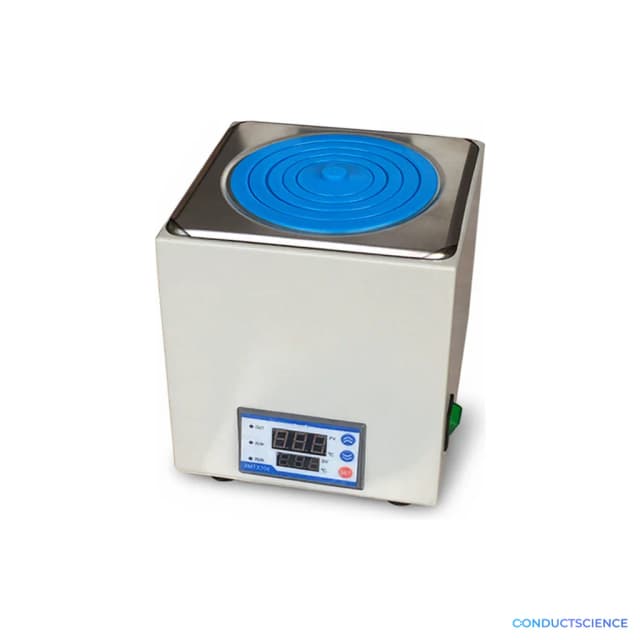
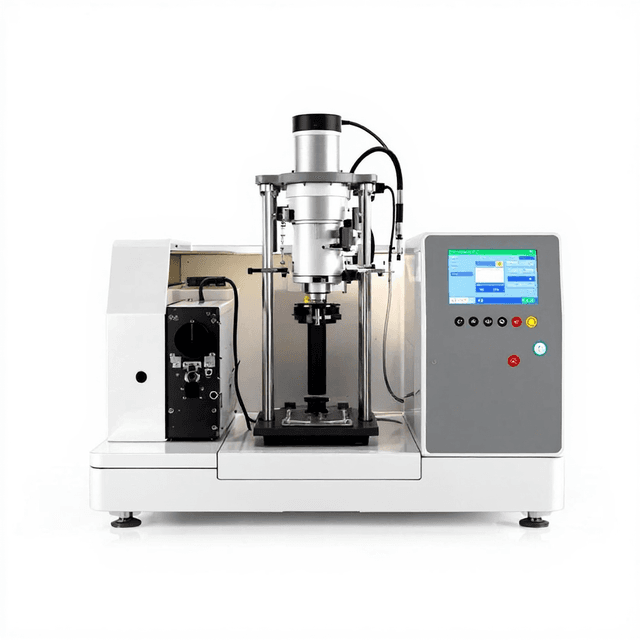
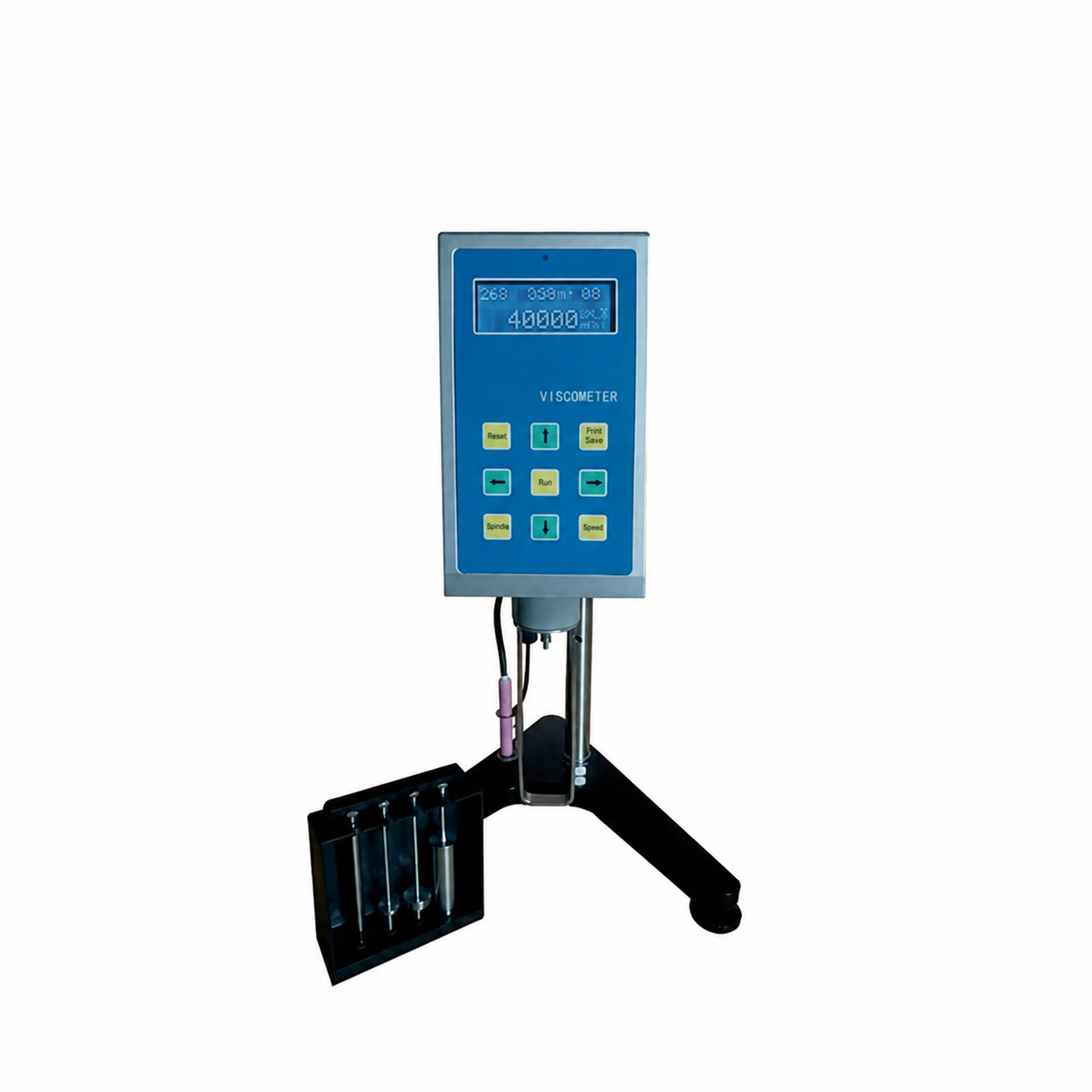
Digital Viscometer BDV Series - versatile digital viscometer system offering multiple models (BDV-1 and BDV-2 series) for diverse viscosity measurement requirements. Features temperature-controlled water bath, programmable measurement cycles, interactive correction functions, and high-precision display for quality control in pharmaceutical and chemical laboratories.
How It Works
The Digital Viscometer BDV Series operates on the rotational viscometry principle, where a spindle rotates at controlled speeds within the test sample while measuring the torque required to maintain constant rotation. The instrument measures the resistance to flow as the spindle encounters viscous drag from the sample, with higher viscosity materials requiring greater torque to maintain rotation speed.
Multiple spindle configurations (R2-R7 and L1-L4 series) enable measurement across different viscosity ranges by varying the spindle geometry and surface area in contact with the sample. The RTD temperature probe provides real-time temperature monitoring, allowing for temperature-dependent viscosity measurements and compensation calculations essential for accurate rheological characterization.
The non-polar shift rotation system maintains precise speed control from 0.1-99.9 rpm, enabling measurement at different shear rates to assess Newtonian and non-Newtonian flow behavior. Data output via RS232 interface supports automated data logging and integration with laboratory information management systems.
Features & Benefits
Shipping weight
- 23.59 lb
Shipping box
- L: 12598.43 cm
- W: 1574.8 cm
- H: 13.78 cm
| Feature | This Product | Typical Alternative | Advantage |
|---|---|---|---|
| Viscosity Measurement Ranges | Multiple ranges from 40-40M to 320-320M units across different model configurations | Entry-level models often offer single fixed ranges with limited coverage | Enables measurement of diverse sample types from solvents to high-viscosity polymers without requiring multiple instruments |
| Rotation Speed Control | 0.1-99.9 rpm continuously variable with non-polar shift technology | Basic models may offer limited speed settings or less precise control | Provides comprehensive shear rate profiling for complete rheological characterization of complex fluids |
| Spindle Configurations | 6 R-series (R2-R7) and 4 L-series (L1-L4) spindles included | Standard models typically include fewer spindle options | Optimizes measurement sensitivity and range coverage for different viscosity levels and sample volumes |
| Temperature Monitoring | Integrated RTD temperature probe with real-time monitoring | Many instruments lack integrated temperature measurement capability | Enables temperature-dependent viscosity studies and improved measurement accuracy through thermal compensation |
| Data Interface | Standard RS232 output interface with optional printer support | Basic models may lack digital output or require additional interface modules | Facilitates automated data collection and integration with laboratory information management systems |
The BDV Series provides comprehensive viscosity measurement capabilities with multiple model configurations, extensive spindle selection, and integrated temperature monitoring. The combination of variable speed control, digital data output, and optional printer support offers enhanced flexibility for research and quality control applications.
| Model | SKU | Listed price | Status | Shipping box |
|---|---|---|---|---|
| BDV-4N | BIO-BDV-BDV-4N | $2,890.00 | Available | 12598.43 x 1574.8 x 13.78 cm |
| BDV-3N | BIO-BDV-BDV-3N | $2,590.00 | Available | 12598.43 x 1574.8 x 13.78 cm |
| BDV-2N | BIO-BDV-BDV-2N | $2,390.00 | Available | 12598.43 x 1574.8 x 13.78 cm |
| BDV-1N | BIO-BDV-BDV-1N | $1,990.00 | Available | 12598.43 x 1574.8 x 13.78 cm |
| BDV-8S | BIO-BDV-BDV-8S | $1,390.00 | Available | 12598.43 x 1574.8 x 13.78 cm |
| BDV-5S | BIO-BDV-BDV-5S | $1,090.00 | Available | 12598.43 x 1574.8 x 13.78 cm |
| BDV-9S | BIO-BDV-BDV-9S | $1,590.00 | Available | 12598.43 x 1574.8 x 13.78 cm |
| BDV-1S | BIO-BDV-BDV-1S | $990.00 | Available | 12598.43 x 1574.8 x 13.78 cm |
Practical Tips
Verify calibration using NIST-traceable viscosity standards at multiple points across your measurement range before critical analyses.
Why: Multi-point calibration ensures measurement accuracy across the full operating range and identifies any non-linearity issues.
Clean spindles thoroughly with appropriate solvents between samples and inspect for damage or wear that could affect measurement accuracy.
Why: Contamination or spindle damage directly impacts measurement precision and can introduce systematic errors in viscosity data.
Allow samples to equilibrate to measurement temperature for at least 15 minutes before testing and monitor temperature stability throughout the measurement.
Why: Temperature equilibration ensures consistent viscosity measurements and prevents thermal gradients that can cause measurement drift.
If readings are unstable, check for air bubbles in the sample and ensure the spindle is properly immersed to the correct depth.
Why: Air entrainment and improper immersion depth are common sources of measurement variability and erratic readings.
Record multiple measurements and calculate statistical parameters to assess measurement repeatability and identify outliers.
Why: Statistical analysis of replicate measurements improves data reliability and helps identify systematic measurement issues.
Use appropriate chemical-resistant containers and ensure adequate ventilation when measuring volatile or hazardous samples.
Why: Proper safety protocols prevent exposure to harmful vapors and protect both operator safety and measurement accuracy.
Select spindle size based on expected viscosity range and use the lowest practical rotation speed for non-Newtonian samples to minimize shear effects.
Why: Proper spindle selection maximizes measurement sensitivity while appropriate shear rates preserve sample integrity during analysis.
Setup Guide
What’s in the Box
- Digital Viscometer BDV Series main unit
- Power adapter and cord
- RTD temperature probe
- Spindle set (R2-R7 series)
- RS232 interface cable
- User manual and quick start guide
- Calibration certificate (typical)
- Protective carrying case (typical)
Warranty
ConductScience provides a one-year manufacturer warranty covering defects in materials and workmanship, with comprehensive technical support for instrument operation and maintenance. Extended warranty and calibration service contracts are available for critical applications requiring enhanced support coverage.
Compliance
What spindle should I use for measuring low-viscosity samples like water or ethanol?
Use the higher-numbered R-series spindles (R6 or R7) for low-viscosity samples, as they provide greater surface area and improved sensitivity for measurements in the lower viscosity ranges.
How does temperature affect viscosity measurements and should I control sample temperature?
Viscosity is highly temperature-dependent, typically decreasing as temperature increases. The integrated RTD probe enables temperature monitoring and compensation calculations essential for accurate and reproducible measurements.
Can the instrument measure non-Newtonian fluids that exhibit shear-thinning or shear-thickening behavior?
Yes, the variable rotation speed from 0.1-99.9 rpm allows measurement at different shear rates to characterize non-Newtonian flow behavior and determine viscosity as a function of applied shear.
What sample volume is required for accurate viscosity measurements?
Sample volume requirements depend on the spindle used, but typically range from 500mL to 1L. Consult the spindle specification chart in the user manual for exact volume requirements for each spindle configuration.
How do I integrate the viscometer with my laboratory data management system?
The standard RS232 interface enables direct connection to computers and LIMS systems. Communication parameters can be configured to match your data collection protocols for automated logging and analysis.
What calibration standards should I use to verify measurement accuracy?
Use certified viscosity reference standards that span your measurement range. NIST-traceable standards are recommended for critical applications requiring documented measurement traceability.
How does this compare to capillary viscometers for kinematic viscosity measurements?
Rotational viscometers like the BDV Series measure dynamic viscosity directly and can characterize non-Newtonian fluids, while capillary viscometers measure kinematic viscosity and are limited to Newtonian fluids but offer higher precision for specific applications.
Have a question about this product?
Have a question? Just ask.
Send it over and we'll email you a personalized answer — no call, no scheduling.
Prefer to talk it through?
Accessories
Enhance your setup with compatible accessories