1 / 3
Motorized Running Wheel
SKU CS-958381
$2,990.00
IncludesStandard care
Motorized running wheel system for controlled rodent exercise protocols with infrared activity monitoring, available in mouse and rat configurations.
Scientist guidance

Louise Corscadden, PhD
Director of Science · ConductScience
Ask Louise about Motorized Running Wheel fit, setup, configuration, or quote prep.
Already working with us? Sign in to connect this with My Scientist.
Key Specifications
Full details →- Model fit
- Mouse, Rat
- SKU family
- CS-958381
- Sizing
- Mouse: Diameter of wheel 23 cm · Width of wheel 10 cm; Rat: Diameter of wheel 35 cm · Width of wheel 15 cm
- Ordering
- Online checkout and quote request available
- Category
- Behavioral Mazes
- Build notes
- Confirm accessories, station layout, and support needs before purchase
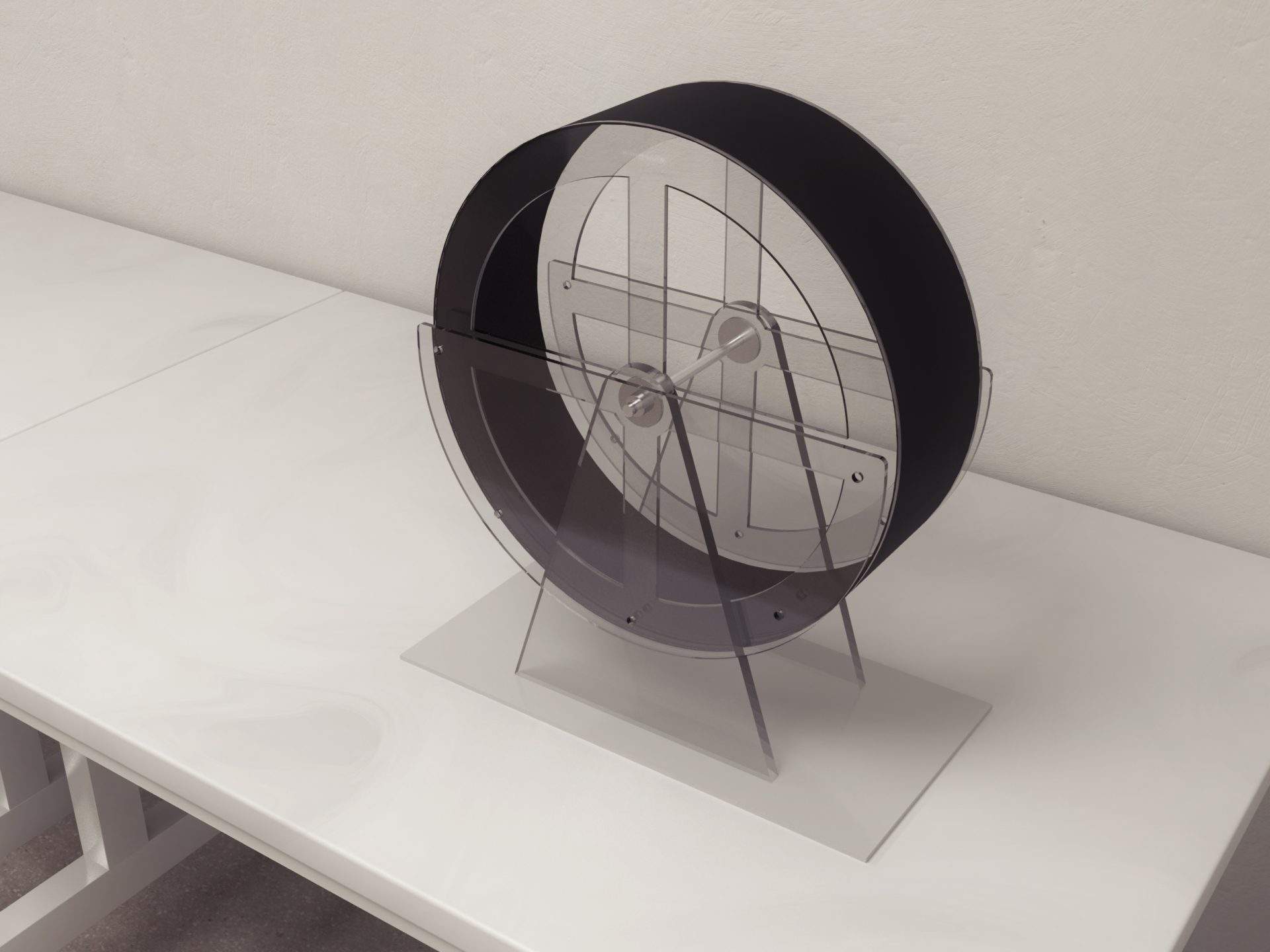
The Motorized Running Wheel provides precise control over rodent exercise protocols for cardiovascular conditioning, metabolic studies, and behavioral research. Available in mouse (23 cm diameter) and rat (35 cm diameter) configurations, the system features infrared sensor detection with 70° sensing angle for accurate activity monitoring. The motorized design enables forced exercise paradigms with consistent speed control, eliminating variability associated with voluntary wheel running.
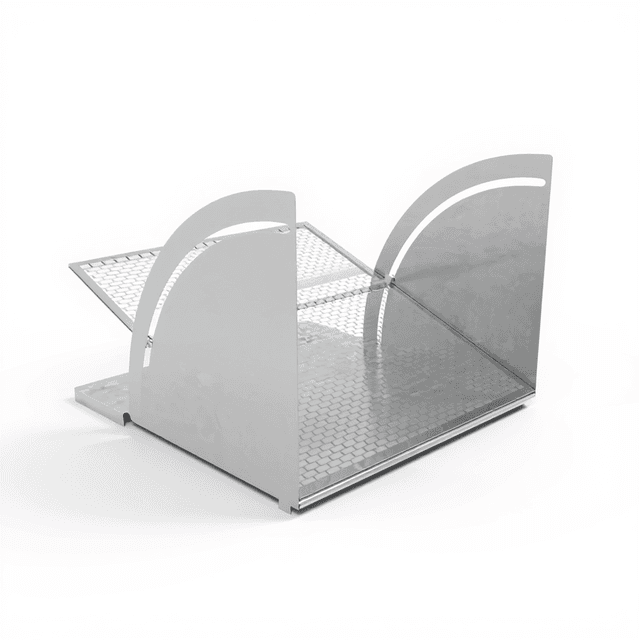
Constructed with semicircular detection sheets positioned 2-3 cm from wheel sides, the system provides reliable locomotor activity measurement across extended experimental sessions. The elevated frame design (8.3 cm for mouse, 12.4 cm for rat) ensures proper animal positioning while minimizing interference with natural running mechanics. Assembly is required upon delivery, with comprehensive storage solutions included for laboratory organization.
How It Works
The motorized running wheel operates through controlled rotation of the wheel mechanism, enabling researchers to set precise speeds independent of animal motivation. Infrared sensors positioned at 70° angles detect animal movement through interruption of infrared beams as the subject runs. The semicircular detection sheets create consistent sensor zones, ensuring reliable activity measurement regardless of animal position within the wheel.
Motor control systems maintain consistent wheel speed, eliminating the variable pacing common in voluntary wheel running. This standardization enables dose-response studies of exercise intensity and duration. The infrared detection system captures wheel rotations and converts them to distance and speed measurements, providing quantitative data on locomotor performance throughout the experimental session.
Features & Benefits
Dual species configuration options
Accommodates both mouse (23 cm) and rat (35 cm) subjects with species-appropriate wheel dimensions for natural running biomechanics
Motorized speed control
Enables standardized forced exercise protocols with consistent speed delivery independent of animal motivation
Infrared sensor detection at 70° angle
Provides reliable activity monitoring with wide detection coverage for accurate locomotor measurement
Semicircular detection sheets
Creates defined sensor zones positioned 2-3 cm from wheel sides for consistent signal detection across wheel width
Elevated frame design
Optimizes animal positioning at appropriate height (8.3-12.4 cm) while maintaining natural running posture
Precision sheet thickness
Utilizes 0.7-1 mm semicircular sheets for optimal infrared beam interruption without mechanical interference
Assembly-required construction
Allows customization of setup configuration while reducing shipping volume and packaging waste
Integrated storage solutions
Includes organizational components for maintaining clean laboratory workspace and equipment accessibility
Sizes by model
| Measurement | Mouse | Rat |
|---|---|---|
| Diameter of wheel | 23 cm | 35 cm |
| Width of wheel | 10 cm | 15 cm |
- Angle of infrared sensors: 70° between 0° to 140°
- Mouse: Height of wheel frame from the ground: 8. 3cm
- Mouse: Thickness of semicircular sheets: 0.7 mm
- Mouse: Distance of sheets from the sides of the wheel: 2cm
- Rat: Height of wheel frame from the ground: 12.4 cm
- Rat: Thickness of semicircular sheets: 1 mm
- Rat: Distance of sheets from the sides of the wheel: 3 cm
Storage Included
- Yes
Assembly Required
- Yes
Warranty Length
- 1 year
Motorized
- Yes
Behavioral Construct
- Motor coordination
- Exercise capacity
- Locomotor activity
- Physical endurance
- Fatigue resistance
Automation Level
- semi-automated
Research Domain
- Aging Research
- Behavioral Pharmacology
- Cardiovascular
- Learning and Memory
- Metabolic Research
- Motor Function
- Neurodegeneration
- Neuroscience
Compatible Tracking Software
- ConductVision
Shipping weight
- 6.06 lb
Shipping box
- L: 65.0 cm
- W: 36.0 cm
- H: 27.0 cm
| Feature | This Product | Typical Alternative | Advantage |
|---|---|---|---|
| Wheel Diameter Options | 23 cm (mouse) and 35 cm (rat) species-specific configurations | Single size options or limited species configurations | Optimizes biomechanics for each species while maintaining consistent experimental protocols across studies. |
| Detection System | Infrared sensors at 70° angle with semicircular detection sheets | Basic rotation encoders or single-point sensors | Provides comprehensive activity detection across the full wheel width for accurate locomotor measurement. |
| Frame Height Positioning | Species-specific heights: 8.3 cm (mouse), 12.4 cm (rat) | Fixed height designs or manual adjustment systems | Ensures optimal animal positioning for natural running mechanics without compromising detection accuracy. |
| Motor Control Integration | Motorized system for forced exercise protocols | Voluntary-only systems or basic motorization | Enables standardized exercise interventions with precise speed control for dose-response studies. |
| Assembly Configuration | Assembly-required with integrated storage solutions | Pre-assembled units with basic packaging | Allows setup customization while providing organized laboratory storage and reduced shipping costs. |
This system combines species-specific wheel dimensions with precision infrared detection and motorized control for standardized exercise protocols. The dual-configuration design accommodates both mouse and rat studies while maintaining consistent detection accuracy across species.
| Model | Size | SKU | Listed price | Status | Shipping box |
|---|---|---|---|---|---|
| Mouse | Diameter of wheel 23 cm · Width of wheel 10 cm | CS-958381 | $2,890.00 | Available | 65.0 x 36.0 x 27.0 cm |
| Rat | Diameter of wheel 35 cm · Width of wheel 15 cm | CS-958381 | $2,990.00 | Available | 65.0 x 36.0 x 27.0 cm |
Cardiovascular Research
Implementing standardized exercise training protocols to assess cardiac adaptation and endurance capacity in rodent models of cardiovascular disease.
Metabolic Research
Conducting forced exercise interventions to evaluate metabolic responses, energy expenditure, and glucose homeostasis under controlled activity conditions.
Behavioral Pharmacology
Assessing drug effects on motor coordination and exercise tolerance by measuring locomotor performance during standardized wheel running protocols.
Aging Research
Evaluating age-related changes in physical performance and fatigue resistance through controlled exercise capacity testing.
Neurodegeneration
Monitoring motor function decline in neurodegenerative disease models by tracking running performance and coordination over time.
Exercise Physiology
Standardizing exercise interventions for studies examining skeletal muscle adaptation, mitochondrial function, and physical conditioning responses.
Practical Tips
Calibration
Verify motor speed accuracy using external measurement tools before beginning experimental sessions.
Why: Ensures actual wheel rotation matches programmed speeds for precise exercise dose delivery.
Maintenance
Clean infrared sensor surfaces weekly with appropriate optical cleaning materials to maintain detection accuracy.
Why: Debris accumulation can interfere with beam transmission and reduce measurement reliability.
Best Practices
Allow animals 5-10 minutes of habituation at low speeds before beginning experimental protocols.
Why: Reduces stress responses and ensures natural running mechanics during data collection periods.
Troubleshooting
Check semicircular sheet positioning if detection signals become inconsistent during operation.
Why: Sheet displacement can create detection dead zones that compromise activity measurement accuracy.
Data Quality
Monitor sensor output signals in real-time during initial sessions to identify any detection anomalies.
Why: Early identification of signal issues prevents data loss in long-duration experimental protocols.
Safety
Implement emergency stop protocols accessible during all motorized operation sessions.
Why: Provides immediate intervention capability if animal distress or equipment malfunction occurs.
Maintenance
Lubricate wheel bearings according to manufacturer specifications to prevent mechanical wear.
Why: Proper lubrication maintains smooth operation and prevents speed variations due to mechanical friction.
Best Practices
Document baseline voluntary activity levels before implementing forced exercise protocols.
Why: Provides reference data for interpreting responses to motorized exercise interventions.
Setup Guide
Unpack and Inspect
Remove all components from packaging and verify against included parts list. Inspect wheel, frame, and sensor components for shipping damage.
Assemble Frame Structure
Construct the wheel frame according to assembly instructions, ensuring proper height positioning (8.3 cm for mouse, 12.4 cm for rat configuration).
Install Wheel and Motor
Mount the running wheel to the frame assembly and connect the motor drive system. Verify smooth wheel rotation without binding.
Position Infrared Sensors
Install infrared sensors at the specified 70° angle positioning. Align detection beams to create consistent sensing zones across the wheel width.
Connect Data Acquisition
Connect sensor outputs to data collection system or interface. Test signal detection by manually rotating the wheel.
Calibrate Speed Settings
Set initial motor speed parameters and verify actual wheel rotation matches programmed values using external measurement.
Conduct Test Run
Perform initial test with animal subject to verify proper detection, data recording, and motor function during active use.
What’s in the Box
- Running wheel assembly (species-specific diameter)
- Motor drive system
- Frame components and hardware
- Infrared sensor array
- Semicircular detection sheets
- Assembly hardware and fasteners
- User manual and setup instructions
- Storage organization components
- Data interface cables (typical)
- Calibration reference materials (typical)
Warranty
ConductScience provides a 1-year manufacturer warranty covering defects in materials and workmanship, with technical support for setup and operational guidance.
Compliance
AAALAC GuidelinesCommonly used in research facilities subject to animal care and use standards for exercise conditioning studies.
NIH Guidelines for Animal ResearchSupports controlled exercise protocols in rodent studies conducted under federal research guidelines.
Protocol and background
Introduction
The Motorized Running Wheel (MRW) is used for exercise training in rodents. In comparison to the Treadmill apparatus, the wheel is less stressful for the animal. However, since the track in the Motorized Training Wheel is made of bars, subjects may often interrupt the forced running training by holding on to them. The wheel, thus, is more suitable for running training at lower and intermediate intensities.
The beneficial effects of exercise on an individual’s physical, emotional, and mental health have been well researched (Vina, Sanchis-Gomar, Martinez-Bello, & Gomez-Cabrera, 2012). The Motorized Running Wheel is one of the many exercise systems often used in animal-based research to evaluate the potential of physical training in improving health and in aiding recovery. The Motorized Running Wheel uses a forced running regime as opposed to voluntary running. This allows consistency in exercise parameters during an investigation. However, the exercise effectiveness of the MRW is slightly lower than the Positioning Running Wheel which allows high-intensity training (Chen, Yang, & Chang, 2016).
The Motorized Training Wheel consists of a centrally motorized wheel. The system allows forced running at low, and intermediate intensity levels of running. The wheel is equipped with infrared sensors to track the subject movement.
Apparatus and Equipment
The Motorized Running Wheel is constructed using clear acrylic. The wheel has a diameter of 35 cm and is 15 cm wide. The running track is made of bars. On one side of the wheel, a quarter-circle serves as the entrance and exit for the subject. Two triangular acrylic columns support the running wheel frame 12.4 cm above the surface. Eight infrared sensors are placed at 70° between 0° to 140° (effective area of exercise) using a 1 mm thick semicircular, transparent acrylic sheets attached at the external sides of the two triangular columns. The sheets are approximately 3 cm away from the sides of the running wheel. The wheel is centrally motorized and comes with associated software that allows control of training intensity (low and intermediate levels).
Training Protocol
Clean the Motorized Running Wheel before training. Ensure that the apparatus is well-lit. Perform the training in a controlled environment to prevent unnecessary stimuli from affecting the training. In addition to the infrared sensors, tracking and video system such as the Noldus EthoVision XT can be used to assist with monitoring the subjects.
The Motorized Running Wheel can be used without pretraining. However, subjects can be trained on the wheel to familiarize them with the apparatus and the wheel acceleration.
Forced Exercise Training
Place the subject in the training wheel and begin the exercise regime based on experiment requirements. It is recommended that the subjects are not overworked and given appropriate rest intervals.
Investigation of the effect of forced and voluntary exercise
Leasure and Jones (2008) evaluated the difference in the effects of forced and voluntary wheel running on the brain and behaviors of female Long-Evans rats. Subjects were divided into three groups; sedentary controls, voluntary runners and forced runners (Motorized Running Wheel). The exercise groups underwent 8 weeks of training covering matching distance. Subjects were administered Bromodeoxyuridine (BrdU) injections (50 mg/kg i.p.) immediately before exercise during the 5th week for 5 days. It was observed that the voluntary runners, in comparison to the forced runners, ran at higher speeds and for less total time. Further, when all three groups were evaluated in the Open Field, forced runners showed an increase in anxiety-like behavior in comparison to the sedentary group. Assessment of BrdU+ cells revealed an increase in surviving cells in the dentate gyrus of both exercise group with forced runners exhibiting significantly more surviving cells.
Investigation of the effects of mild post-stroke exercise
Leasure and Grider (2010) used male Fischer 344 rats (18 months of age) to investigate the effects of mild exercise post-stroke on reactive neurogenesis and recovery of somatosensation. Subjects were divided into four groups; sedentary shams, exercise shams, sedentary stroke, and exercise stroke. Seven days after the surgery, exercise groups were trained on the Motorized Running Wheel for 4 weeks during which the speed and distance were gradually increased. The sedentary groups were placed in stationary MRW for the same length of time as their exercised counterparts. It was observed that exercise led to the enhanced recovery of somatosensory function and increased survival of Bromodeoxyuridine (BrdU+) cells in the ipsilateral dentate gyrus
Data Analysis
The following data can be obtained using the Motorized Running Wheel:
- Distance traveled
- Running time
- Position on the wheel
Strengths and Limitations
Strengths
The Motorized Running Wheel is simple and easy to construct training apparatus. The system doesn’t make use of any aversive motivation such as electric shock used in the Treadmill apparatus. The MRW offers two levels of training intensity which are suitable for mild exercise training. Using Motorized Running Wheel offers better control of exercise parameters in comparison to voluntary running wheels.
Limitations
The Motorized Running Wheel makes use of bars in the running track which the subject can hold on to and interrupt the training. The device is suitable for mild intensity training, unlike the Positioning Running Wheel that can be used for high-intensity training. Training on the Positioning Running Wheel has been observed to be more beneficial than on the Motorized Running Wheel (Chen et al., 2016). Training on the Motorized Running Wheel requires subject to have good motor and locomotion capabilities. Subjects weight must be taken into consideration before beginning training, as performance may vary between different weight groups. Overtraining the subject may result in muscle fatigue. Thus appropriate training regime with rest periods must be used. External factors such as unnecessary visual or auditory stimuli may impact performance.
Summary
- Motorized Running Wheel is an exercise training system for rodents.
- The wheel is centrally motorized and offers only two intensity levels of training. Thus, Motorized Running Wheel is suitable for mild training.
- The running track is made of bars which the subject may hold on to and interrupt the training.
- Motorized Running Wheel training may not be as effective as other training systems.
- Overtraining the subject may result in muscle fatigue and reluctance to run.
References
- Chen, C.C., Yang, C.L., & Chang, C.P. (2016). An Innovative Running Wheel-based Mechanism for Improved Rat Training Performance. Journal of Visual Experiments, (115). doi: 10.3791/54354.
- Leasure, J. L., & Grider, M. (2010). The effect of mild post-stroke exercise on reactive neurogenesis and recovery of somatosensation in aged rats. Experimental Neurology, 226(1), 58–67. doi:10.1016/j.expneurol.2010.08.003
- Leasure, J. L., & Jones, M. (2008). Forced and voluntary exercise differentially affect brain and behavior. Neuroscience, 156(3), 456–465. doi:10.1016/j.neuroscience.2008.07.041
- Vina, J., Sanchis-Gomar, F., Martinez-Bello, V., & Gomez-Cabrera, M. C. (2012).Exercise acts as a drug; the pharmacological benefits of exercise. British Journal of Pharmacology, 167(1):1-12. doi: 10.1111/j.1476-5381.2012.01970.x.
From the Maze Engineers documentation for this apparatus.
Q
What is the maximum speed range achievable with the motorized system?
A
Consult product datasheet for specific speed specifications. The motor control system is designed to provide consistent rotation across a range suitable for rodent exercise protocols.
Q
How does data collection interface with laboratory information systems?
A
The infrared sensor system generates digital output signals for integration with standard data acquisition platforms. Specific interface protocols should be verified in the technical documentation.
Q
What maintenance intervals are recommended for sustained operation?
A
Regular inspection of wheel bearings, motor connections, and sensor alignment is recommended. Cleaning protocols should address animal bedding debris and maintain sensor optical clarity.
Q
Can wheel speed be adjusted during experimental sessions?
A
The motorized control system allows speed adjustment during operation. Specific programming capabilities depend on the control interface configuration.
Q
How does this compare to voluntary wheel running systems?
A
The motorized design eliminates speed variability inherent in voluntary systems, enabling standardized exercise doses. This provides better experimental control but may alter natural behavior patterns.
Q
What are the power requirements for laboratory installation?
A
Consult product specifications for electrical requirements including voltage, amperage, and any special power conditioning needs for motor operation.
Q
How is wheel direction controlled for bidirectional studies?
A
Motor control capabilities for directional changes should be verified in the technical documentation as this varies with control system configuration.
Have a question about this product?
Track rodents with ConductVision
ConductVision is our video-tracking software. Record your sessions on video, and it scores standard rodent tests, such as those listed below.
Examples of tests it scores
To check whether ConductVision scores your protocol in this apparatus, ask in your quote request.
Ask a question
Have a question? Just ask.
Send it over and we'll email you a personalized answer — no call, no scheduling.
Personalized email reply
Usually within one business day
Helpful answers published here
Prefer to talk it through?
Frequently Bought Together
+

+

+
Total: $3,220.00


Motorized Running Wheel
$2,990.00
Added to quoteView Quote