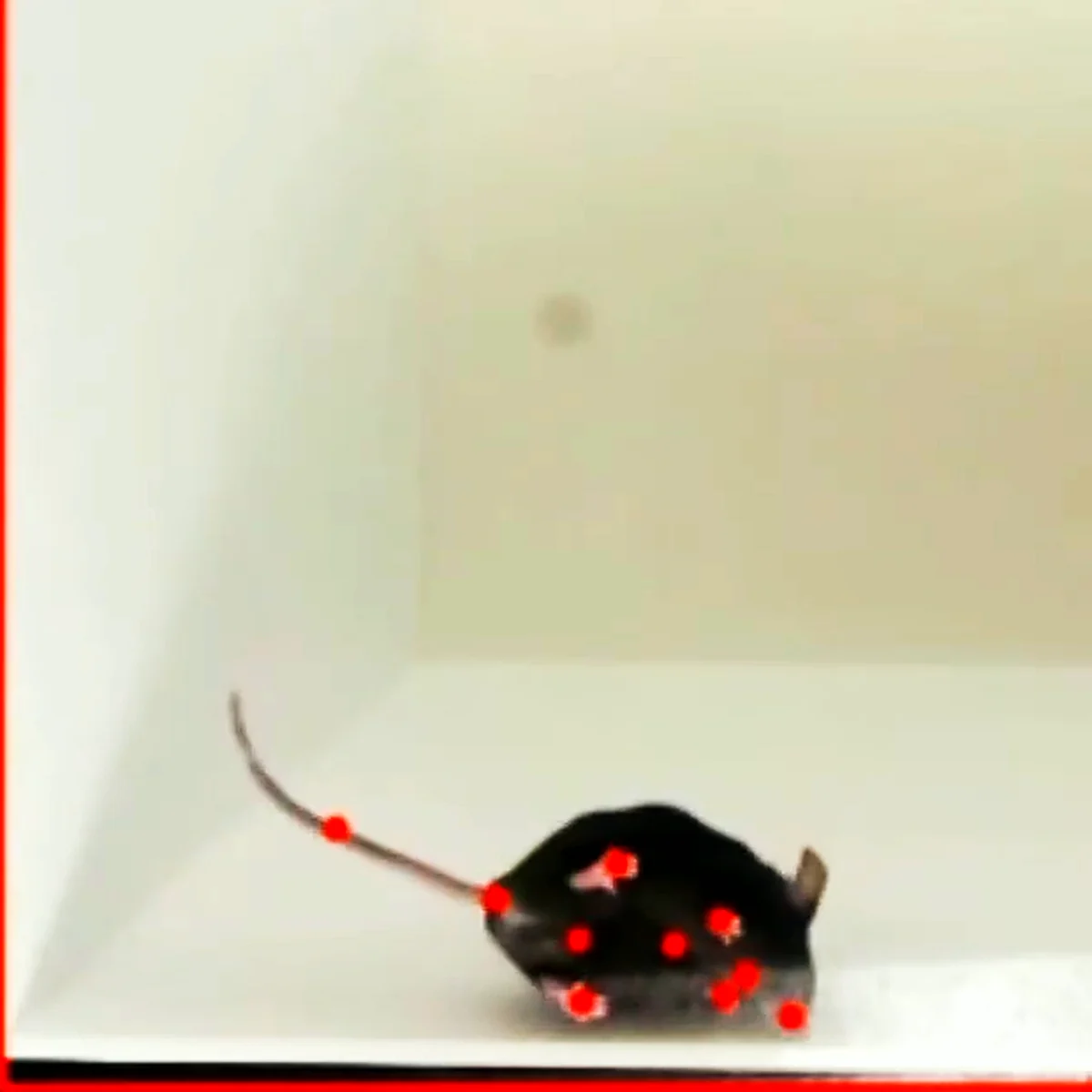

Body Turning Test
SKU CS-958249
$590.00
IncludesStandard care
Standardized protocol for assessing rotational motor asymmetry and turning bias in laboratory animals through quantitative behavioral analysis.
CE MarkedBAA available
Scientist guidance

Louise Corscadden, PhD
Director of Science · ConductScience
Ask Louise about Body Turning Test fit, setup, configuration, or quote prep.
Already working with us? Sign in to connect this with My Scientist.
Key Specifications
Full details →- Model fit
- Mouse, Rat
- SKU family
- CS-958249
- Shipping box
- 65.0 x 36.0 x 27.0 cm
- Ordering
- Online checkout and quote request available
- Category
- Behavioral Mazes
- Build notes
- Confirm accessories, station layout, and support needs before purchase
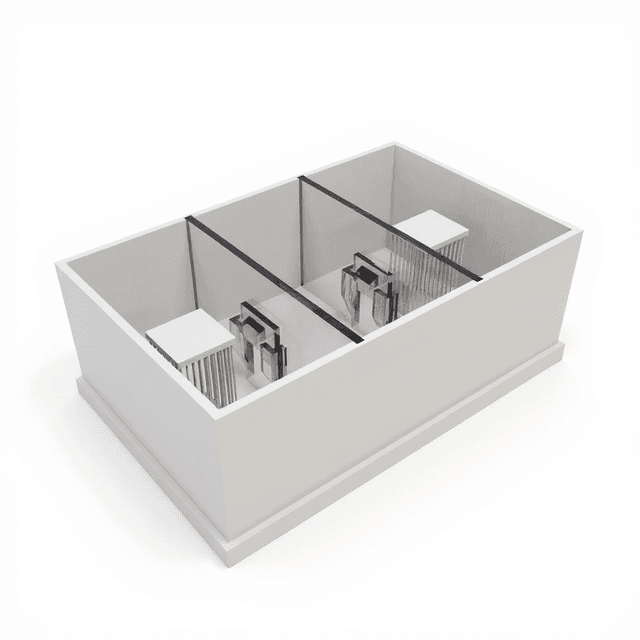
The Body Turning Test is a standardized motor function assessment protocol used to evaluate rotational asymmetry and turning bias in laboratory animals. This behavioral test measures the natural tendency of animals to turn in a preferred direction when placed in a cylindrical arena, providing quantitative data on motor coordination and potential neurological impairments.
The test protocol involves recording and analyzing spontaneous turning behavior over defined time periods, typically used to assess unilateral brain lesions, drug-induced motor effects, or developmental motor abnormalities. The Body Turning Test generates objective measures of rotational preference and frequency, supporting research into movement disorders, neurodegeneration, and therapeutic interventions.
How It Works
The Body Turning Test operates on the principle that normal animals exhibit relatively balanced left-right turning behavior when placed in a novel cylindrical environment. Neurological damage or pharmacological interventions can disrupt this balance, creating measurable rotational bias toward the affected or unaffected side.
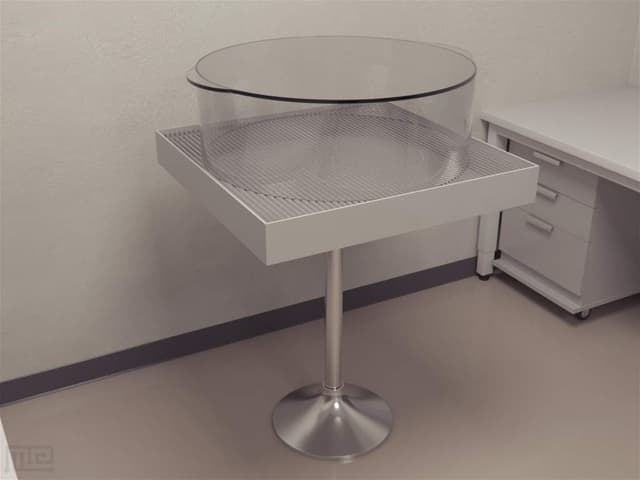
During testing, animals are placed in a transparent cylindrical arena and their spontaneous movements are recorded. The protocol quantifies both the frequency of turns in each direction and the net rotational bias over defined time intervals. Turn detection typically relies on visual tracking of the animal's body axis orientation relative to a fixed reference point.
Data analysis involves calculating turning ratios, net rotational scores, and statistical comparisons between treatment groups. The test's sensitivity to unilateral brain lesions makes it particularly valuable for detecting asymmetric neurological dysfunction that may not be apparent through other motor assessments.
Features & Benefits
Standardized protocol design
Ensures reproducible results across laboratories and enables direct comparison of findings between research groups and studies.
Quantitative behavioral metrics
Provides objective numerical data on turning frequency, bias direction, and rotational asymmetry for statistical analysis and publication.
Non-invasive assessment method
Allows repeated testing of the same animals over time without physical stress or intervention that might confound longitudinal studies.
Simple arena requirements
Requires minimal specialized equipment beyond basic cylindrical enclosure and recording system, making it accessible to most research facilities.
Sensitive to unilateral lesions
Detects subtle motor asymmetries that may not be apparent in other behavioral tests, particularly valuable for stroke and Parkinson's disease models.
Rapid testing protocol
Short test duration of 10-30 minutes enables efficient screening of large animal cohorts and drug treatment groups.
Adaptable to multiple species
Protocol can be modified for different rodent species with appropriate arena sizing and duration adjustments.
Shipping weight
- 6.06 lb
Shipping box
- L: 65.0 cm
- W: 36.0 cm
- H: 27.0 cm
| Feature | This Product | Typical Alternative | Advantage |
|---|---|---|---|
| Testing Environment | Open cylindrical arena allowing natural movement patterns | Some protocols use confined spaces or complex mazes | Reduces stress and artificial constraints that might mask natural motor asymmetries. |
| Measurement Sensitivity | Specific detection of rotational bias and turning frequency | Many tests focus on general motor coordination | Provides targeted assessment of unilateral brain dysfunction that other tests may miss. |
| Test Duration | Flexible 10-30 minute protocols based on research needs | Fixed duration tests that may not capture subtle deficits | Allows optimization for different lesion severities and experimental requirements. |
| Data Output | Quantitative turning ratios and directional bias metrics | Qualitative scoring systems with limited statistical power | Enables robust statistical analysis and publication-ready quantitative results. |
The Body Turning Test provides a standardized, quantitative approach to measuring rotational motor asymmetry with flexible protocols adaptable to various research applications. The test offers specific sensitivity to unilateral brain lesions while maintaining simplicity in equipment requirements and implementation.
| Model | SKU | Listed price | Status | Shipping box |
|---|---|---|---|---|
| Rat | CS-958249 | $590.00 | Available | 65.0 x 36.0 x 27.0 cm |
| Mouse | CS-958249 | $490.00 | Available | 65.0 x 36.0 x 27.0 cm |
Neuroscience
Assessment of unilateral dopaminergic lesions in rodent models of Parkinson's disease by measuring rotational bias following pharmacological challenge.
Behavioral Pharmacology
Evaluation of drug-induced motor effects and dose-response relationships for compounds affecting motor coordination and asymmetry.
Neurodegeneration
Longitudinal monitoring of motor decline in progressive neurodegenerative disease models through changes in turning preference patterns.
Motor Function
Quantification of motor asymmetries in stroke models and assessment of functional recovery following therapeutic interventions.
Learning and Memory
Detection of subtle motor coordination deficits that may influence performance in spatial learning and memory tasks.
Toxicology
Screening for neurotoxic effects of environmental compounds through detection of motor coordination impairments and turning asymmetries.
Practical Tips
Calibration
Establish baseline turning behavior for each animal strain and housing condition before experimental manipulations.
Why: Natural turning preferences vary between strains and can be influenced by environmental factors.
Maintenance
Clean arena thoroughly with ethanol between subjects and allow complete drying before next animal.
Why: Olfactory cues from previous subjects can influence turning behavior and introduce confounding variables.
Best Practices
Randomize testing order and maintain consistent timing relative to light cycle for all subjects.
Why: Circadian rhythms and order effects can systematically bias motor behavior measurements.
Data Quality
Record testing sessions for later verification and inter-rater reliability assessment of turn scoring.
Why: Manual scoring can introduce observer bias and recording allows for quality control verification.
Troubleshooting
If animals show freezing behavior, reduce lighting intensity or allow longer acclimation periods.
Why: Excessive stress responses can suppress normal exploratory behavior and mask motor asymmetries.
Best Practices
Use consistent gentle handling techniques and minimize restraint stress before testing.
Why: Acute stress can alter motor behavior patterns and reduce the reliability of turning measurements.
Safety
Ensure arena walls are high enough to prevent escape but allow adequate ventilation.
Why: Animal safety and consistent environmental conditions are essential for valid data collection.
Setup Guide
Arena Preparation
Set up transparent cylindrical testing arena on level surface with adequate lighting for video recording. Ensure arena is clean and free of visual cues that might influence turning behavior.
Recording System Setup
Position video camera directly overhead to capture full arena view. Configure recording system for appropriate frame rate and resolution to accurately track animal movements.
Environmental Controls
Maintain consistent ambient temperature, lighting, and noise levels. Allow testing room to equilibrate before beginning sessions to minimize environmental variables.
Animal Acclimation
Allow animals to acclimate to testing room for 10-15 minutes before trials. Handle animals gently to minimize stress-induced behavior artifacts.
Baseline Recording
Place animal in center of arena and begin recording immediately. Standard test duration is typically 10-30 minutes depending on research protocol requirements.
Data Collection
Record turning events manually or using automated tracking software. Document direction of each turn and time stamps for subsequent analysis.
Arena Cleaning
Clean arena thoroughly between subjects using appropriate disinfectant to eliminate olfactory cues that might influence subsequent animal behavior.
What’s in the Box
- Testing protocol documentation (typical)
- Arena specification guidelines (typical)
- Data collection templates (typical)
- Analysis software or instructions (typical)
- User manual with setup procedures (typical)
Warranty
ConductScience provides comprehensive protocol documentation and technical support for implementation of the Body Turning Test methodology. Ongoing consultation available for experimental design optimization and troubleshooting.
Compliance
ARRIVE Guidelines 2.0Commonly used in behavioral studies that follow ARRIVE reporting standards for animal research transparency and reproducibility.
NIH Guidelines for Rodent Behavioral TestingSupports standardized motor function assessments recommended by NIH for neurological research applications.
International Association for the Study of Pain GuidelinesUsed in pain research studies that require assessment of motor function as a secondary outcome measure.
Q
What is the minimum test duration needed to detect significant rotational bias?
A
Test duration depends on the severity of motor impairment and experimental model. For acute lesion studies, 10-15 minutes may be sufficient, while subtle deficits or drug effects may require 20-30 minutes for reliable detection of turning asymmetries.
Q
How do you distinguish between genuine turns and random movement artifacts?
A
A complete turn is defined as 360-degree rotation of the animal's body axis. Partial turns, backing movements, and orientation changes less than 270 degrees are typically excluded from analysis to ensure data accuracy.
Q
Can this test detect bilateral motor impairments?
A
The Body Turning Test is specifically designed for unilateral deficits and may not detect bilateral motor impairments that affect both sides equally, as these would not create rotational bias detectable by this protocol.
Q
What factors can influence baseline turning behavior in normal animals?
A
Natural handedness preferences, stress levels, environmental distractions, arena size, and previous testing experience can all influence baseline behavior. Proper controls and randomization are essential for valid results.
Q
How does this test compare to rotarod testing for motor assessment?
A
While rotarod tests balance and coordination under forced conditions, the Body Turning Test measures spontaneous motor asymmetry and is more sensitive to unilateral brain lesions and dopaminergic dysfunction.
Q
What statistical approaches are recommended for analyzing turning data?
A
Common analyses include calculating turning ratios (ipsilateral/contralateral), net rotational scores, and using non-parametric tests for group comparisons due to the often non-normal distribution of turning behavior data.
Q
Can pharmacological challenges enhance the sensitivity of this test?
A
Yes, amphetamine or apomorphine challenges can amplify rotational asymmetries in animals with partial dopaminergic lesions, making subtle deficits more detectable through this testing protocol.
Have a question about this product?
Track rodents with ConductVision
ConductVision is our video-tracking software. Record your sessions on video, and it scores standard rodent tests, such as those listed below.
Examples of tests it scores
To check whether ConductVision scores your protocol in this apparatus, ask in your quote request.
Ask a question
Have a question? Just ask.
Send it over and we'll email you a personalized answer — no call, no scheduling.
Personalized email reply
Usually within one business day
Helpful answers published here
Prefer to talk it through?
Accessories
Enhance your setup with compatible accessories
Total: $0.00
Frequently Bought Together
Total: $6,480.00
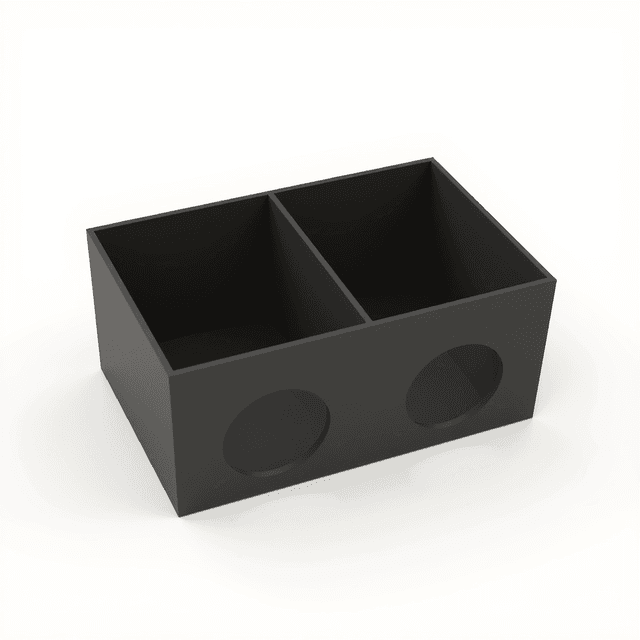

Body Turning Test
$590.00
Added to quoteView Quote