Operant Conditioning
Automated operant conditioning chambers for studying learned behaviors in mice and rats through programmable reinforcement schedules and stimulus delivery systems.
| chamber_interior_dimensions_mouse | 20x20x20 cm (LxWxH) |
| chamber_interior_dimensions_rat | 30x30x30 cm (LxWxH) |
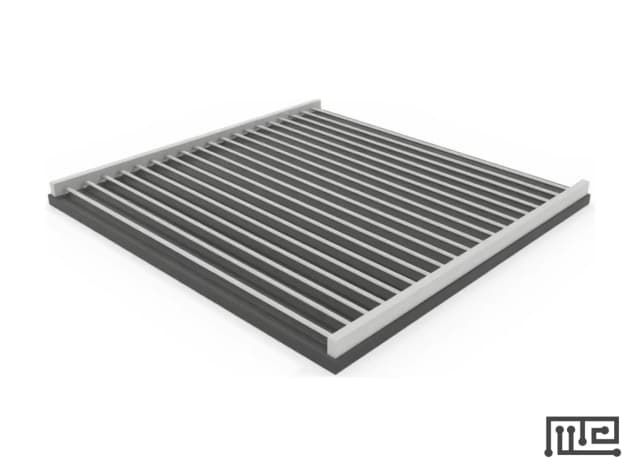
| shock_grid_dimensions_mouse | 18 x 18 cm |
| shock_grid_dimensions_rat | 27 x 27 cm |
| shock_grid_rod_diameter_mouse | 3mm |
| shock_grid_rod_diameter_rat | 5mm |
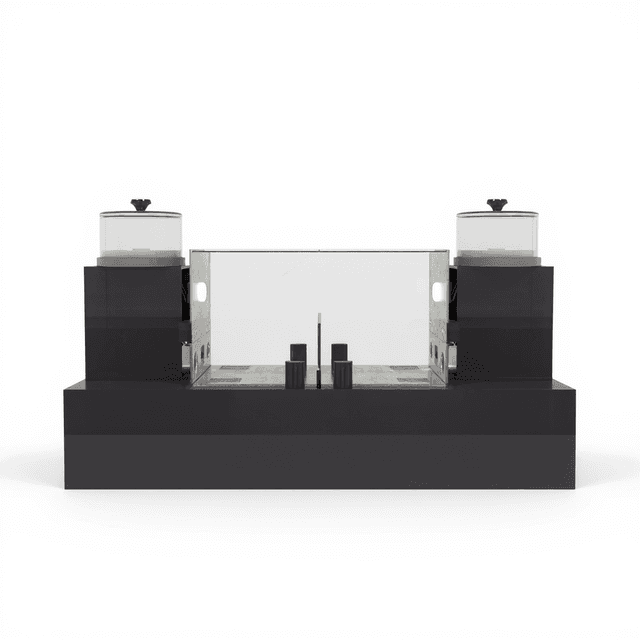
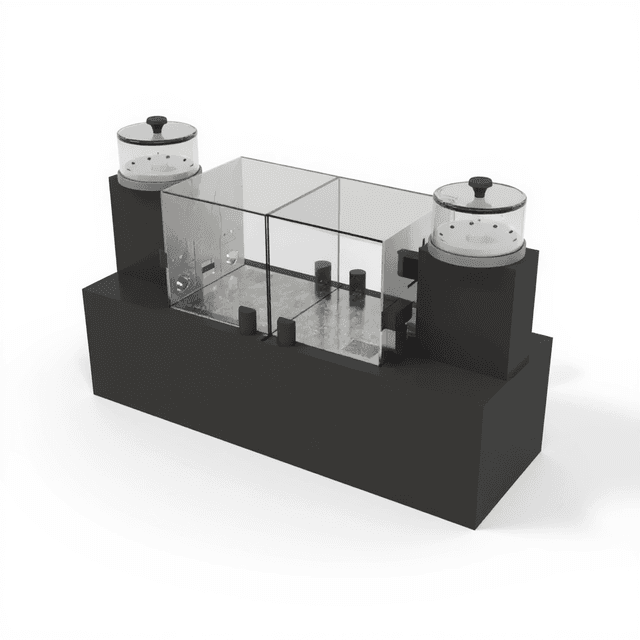
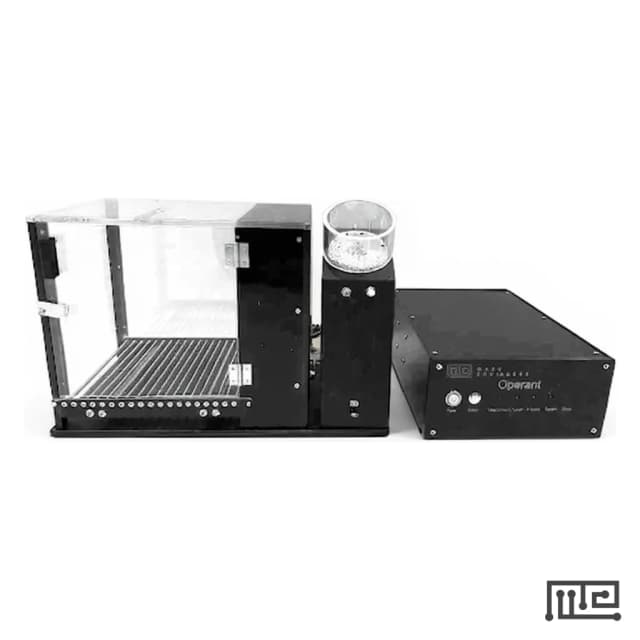
The Operant Conditioning Chamber is a controlled environment system designed to study learned behaviors in laboratory rodents through reinforcement and punishment paradigms. This automated testing apparatus provides precise stimulus delivery and response measurement capabilities for investigating the neural mechanisms underlying associative learning, decision-making, and behavioral modification.
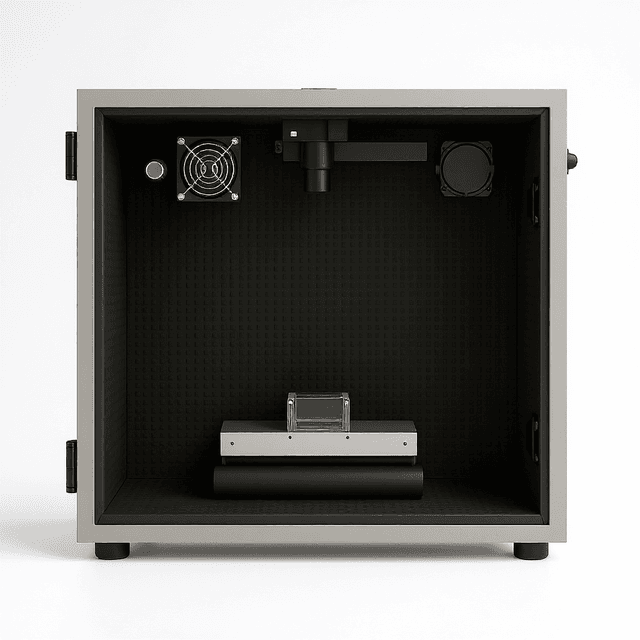
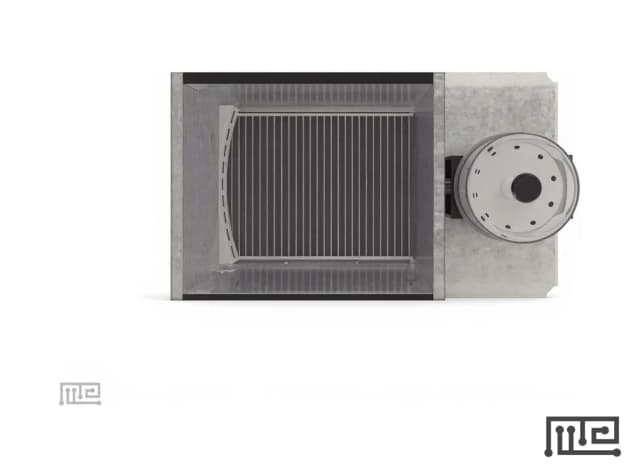
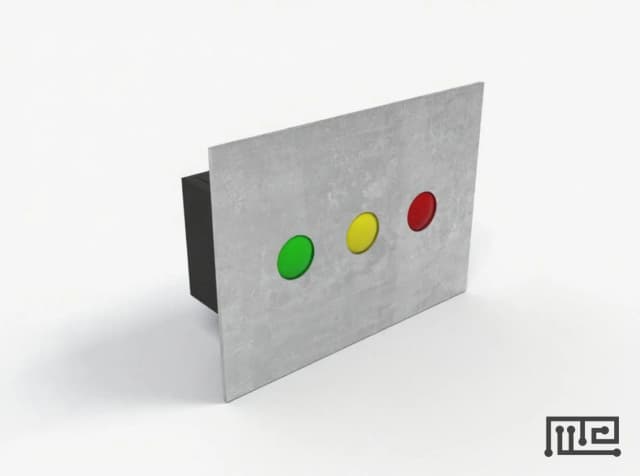
The system features dual retractable levers or nose pokes for response measurement, programmable LED visual cues, tone generation capabilities, and automated pellet dispensing for positive reinforcement. An integrated shock grid enables delivery of negative stimuli with current range of 0.1 to 4.0 mA in 0.1 mA increments. Sound-attenuating cubicles with circulation fans and infrared lighting ensure consistent environmental conditions while minimizing external interference during behavioral protocols.
How It Works
Operant conditioning chambers function by creating controlled associations between animal behaviors and environmental consequences. The system employs precise stimulus-response-outcome contingencies where animal responses (lever presses or nose pokes) trigger programmed consequences including food pellet delivery, tone presentations, visual cue activation, or mild shock delivery.
The apparatus utilizes infrared beam detection for response measurement and computer-controlled dispensing mechanisms for reward delivery. Environmental variables including lighting, sound, and shock parameters are digitally controlled to ensure reproducible testing conditions. Data acquisition systems record response latencies, inter-response intervals, and cumulative response patterns with millisecond precision.
Sound attenuation and controlled ventilation minimize external variables that could influence behavioral performance, while removable waste collection systems maintain hygienic conditions during extended testing protocols.
Features & Benefits
chamber_interior_dimensions_mouse
- 20x20x20 cm (LxWxH)
chamber_interior_dimensions_rat
- 30x30x30 cm (LxWxH)
shock_grid_dimensions_mouse
- 18 x 18 cm
shock_grid_dimensions_rat
- 27 x 27 cm
shock_grid_rod_diameter_mouse
- 3mm
shock_grid_rod_diameter_rat
- 5mm
shock_grid_spacing_mouse
- 5 mm
shock_grid_spacing_rat
- 10 cm
shock_current_range
- 0.1 to 4.0 mA in 0.1 mA steps
pellet_dispenser_default
- 20 mg
pellet_dispenser_alternative
- 45 mg
lever_width_rats
- 1.6 cm
lever_width_mice
- 1 cm
speaker_frequency_range
- 100-20,000Hz
speaker_volume_range
- 1-130dB
led_light_level_range
- 0-100 in steps of 5%
cue_light_colors
- white, red, green or blue
software_chamber_support
- up to 16 chambers simultaneously
number_of_levers
- 2
number_of_cue_lights
- 2
number_of_pellet_dispensers
- 1
Behavioral Construct
- Operant conditioning
- Reinforcement learning
- Choice behavior
- Motivation
- Extinction
- Punishment learning
- Avoidance conditioning
- Schedule-controlled behavior
Automation Level
- fully-automated
Material
- Acrylic
- Stainless Steel
Color
- Black
- Blue
- Grey
- White
Dimensions
- 60 cm x 55 cm x 65 cm
Research Domain
- Addiction Research
- Anxiety and Depression
- Behavioral Pharmacology
- Learning and Memory
- Neuroscience
- Toxicology
Species
- Mouse
- Rat
Weight
- 6.06 lbs
Dimensions
- L: 65.0 in
- W: 36.0 in
- H: 27.0 in
Comparison Guide
| Feature | This Product | Typical Alternative | Advantage |
|---|---|---|---|
| Chamber Interior Dimensions | 20x20x20 cm (mice), 30x30x30 cm (rats) | Entry-level systems often provide smaller chambers with limited movement space | Optimized dimensions allow natural behavioral expression while maintaining controlled experimental conditions |
| Shock Current Range | 0.1 to 4.0 mA in 0.1 mA increments | Basic systems may offer limited current control with larger step increments | Fine current control enables precise determination of aversive thresholds and minimizes animal distress |
| Multi-Chamber Control | Up to 16 chambers simultaneously | Many systems support fewer concurrent chambers or require multiple computers | High-throughput capabilities reduce equipment costs per subject and enable large-scale behavioral studies |
| Response Detection Options | Retractable levers or nose pokes (2 per chamber) | Fixed response options limit experimental flexibility | Configurable manipulanda accommodate different behavioral paradigms and species-specific preferences |
| Audio Frequency Range | 100-20,000Hz with 1-130dB volume control | Limited frequency ranges may not cover species-optimal hearing ranges | Comprehensive audio capabilities enable species-appropriate auditory discrimination protocols |
This system provides integrated multi-modal stimulus control with species-optimized chamber dimensions and precise parameter adjustment. The high-throughput software capabilities and comprehensive environmental control distinguish it as a complete solution for behavioral pharmacology and learning research.
Practical Tips
Verify shock grid current output weekly using a precision ammeter to ensure accurate aversive stimulus delivery across the specified 0.1-4.0 mA range.
Why: Current drift can affect behavioral thresholds and compromise experimental reproducibility
Clean response levers and nose poke apertures daily with 70% ethanol to remove residual odors that could influence subsequent behavioral sessions.
Why: Olfactory cues from previous subjects can create uncontrolled variables affecting learning performance
Implement chamber randomization protocols to distribute subjects across chambers and minimize location-based bias effects.
Why: Systematic chamber assignment reduces potential confounding variables from environmental differences between testing locations
Monitor inter-response interval distributions to identify equipment malfunctions or unusual behavioral patterns requiring investigation.
Why: Abnormal response timing patterns often indicate mechanical problems or health issues affecting data validity
Test pellet dispenser accuracy by counting delivered pellets during calibration sessions to verify consistent reward delivery.
Why: Inconsistent pellet delivery can disrupt reinforcement schedules and introduce variability in learning curves
Always verify shock grid connections and test current levels before introducing animals to prevent electrical hazards or excessive stimulus delivery.
Why: Electrical safety checks protect both animals and researchers while ensuring proper experimental parameters
Document environmental conditions including temperature and humidity during behavioral sessions to identify potential confounding variables.
Why: Environmental variations can influence operant performance and should be controlled for accurate behavioral assessment
Setup Guide
What’s in the Box
- Operant conditioning chamber with retractable levers or nose pokes
- Sound-attenuating cubicle with circulation fan
- Shock grid with adjustable current control
- Pellet dispenser and receptacle
- LED visual stimuli (2 units)
- Tone speaker system
- House light
- Feces and urine collection tray
- Interface cables and control unit (typical)
- User manual and protocol examples (typical)
- Calibration tools and documentation (typical)
Warranty
ConductScience provides a standard one-year manufacturer warranty covering parts and labor, with comprehensive technical support for software configuration and protocol development.
Compliance
References
Background reading relevant to this product:
What reinforcement schedules can be programmed with the included software?
The Conduct Software supports all standard reinforcement schedules including fixed ratio, variable ratio, fixed interval, variable interval, and progressive ratio schedules, plus complex compound schedules and concurrent operant procedures.
How precise is the shock delivery system for aversive conditioning studies?
The shock grid delivers current in 0.1 mA increments across a 0.1-4.0 mA range with species-appropriate grid rod diameters and spacing to ensure consistent stimulus delivery and animal safety.
Can the system accommodate both lever pressing and nose poke responses?
Yes, chambers can be configured with either retractable levers or nose poke apertures as response manipulanda, with two response options per chamber for choice paradigms.
What data outputs are available for behavioral analysis?
The software records response timestamps, inter-response intervals, cumulative response patterns, reinforcement delivery times, and stimulus presentation logs with millisecond precision for comprehensive behavioral analysis.
How many chambers can be operated simultaneously?
The Conduct Software supports up to 16 chambers running concurrently from a single computer system, enabling high-throughput behavioral studies with synchronized data collection.
Are different pellet sizes supported for varying nutritional requirements?
Standard dispensers accommodate 20mg pellets with 45mg alternatives available to meet different caloric restriction protocols and species requirements.
What maintenance is required for consistent operation?
Regular maintenance includes cleaning waste collection trays, calibrating pellet dispensers, verifying shock grid current output, and periodic cleaning of response manipulanda and sensors.
Have a question about this product?
Accessories
Enhance your setup with compatible accessories
Frequently Bought Together
Upgrade Options