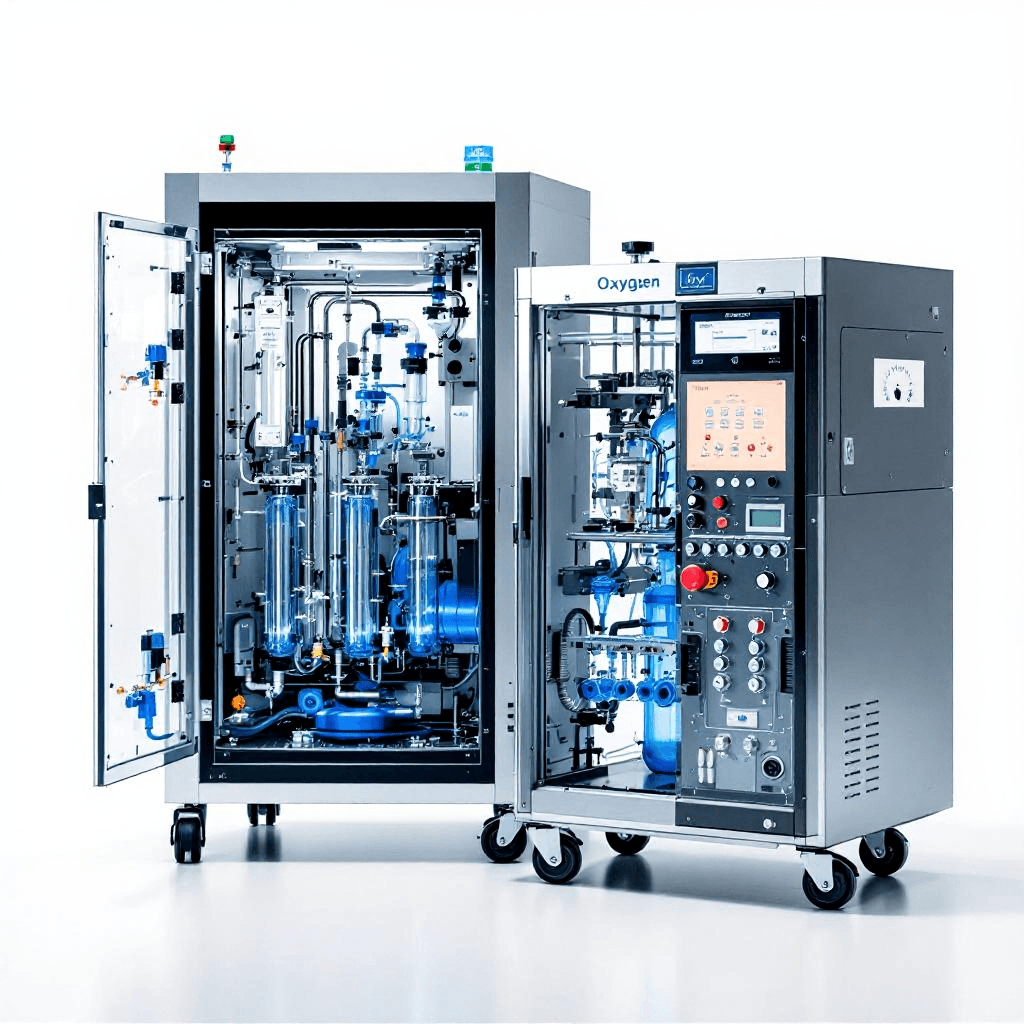
Oxygen Production System
Industrial pressure swing adsorption oxygen generator producing ≥90% purity oxygen at flow rates up to 10.0 m³/h with adjustable outlet pressure for continuous laboratory and manufacturing operations.
| Automation Level | semi-automated |
| BSZY-6 | BSZY-10 |
| Oxygen Supply Flow(m³/h) | 3.0 |
| 6.0 | 10.0 |
| Oxygen Concentrations | ≥90% |
| Oxygen Outlet Pressure | 0.2~0.5MPa adjustable |
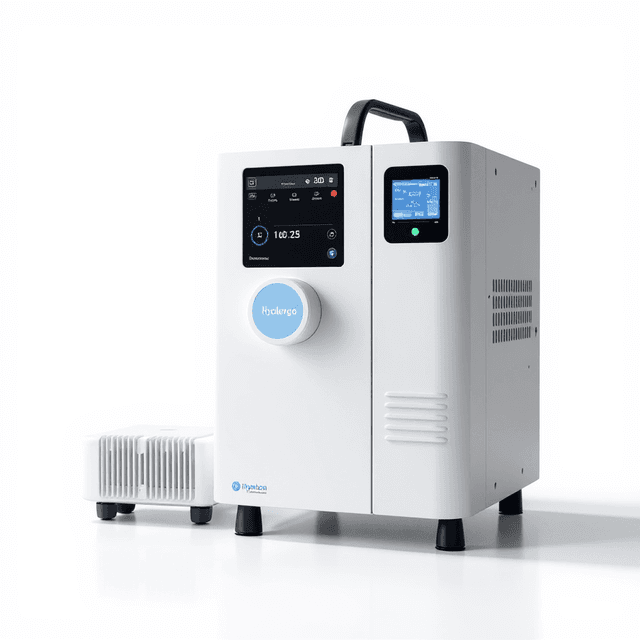
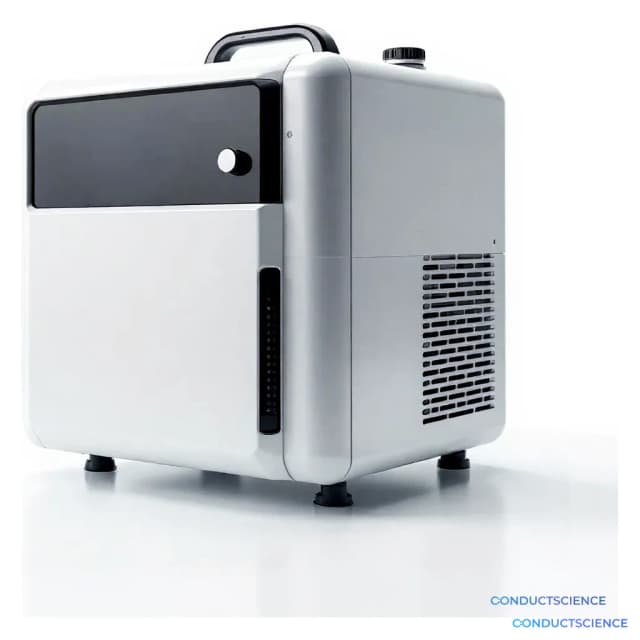
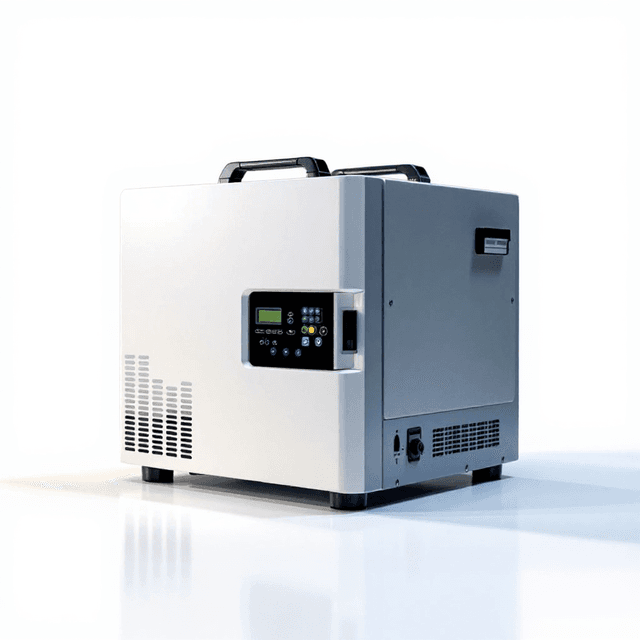
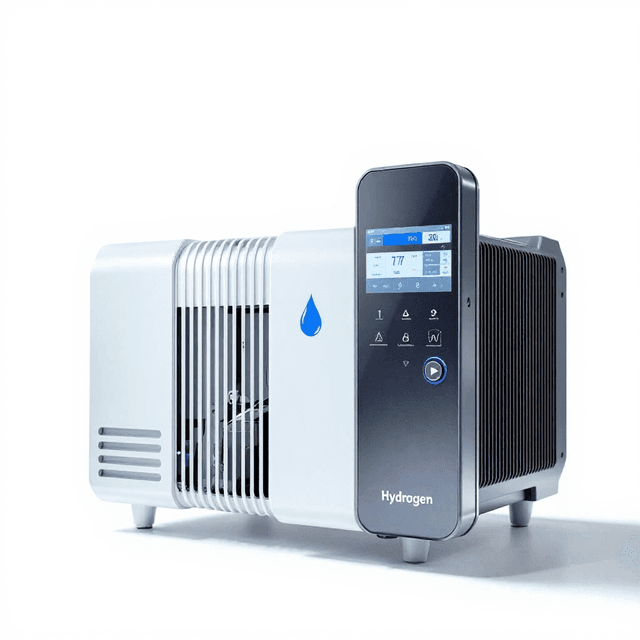
The ConductScience Oxygen Production System (BIO-0745) is an industrial-grade gas generator designed for on-site oxygen production in research and manufacturing environments. Utilizing pressure swing adsorption (PSA) technology, this system produces high-purity oxygen at concentrations ≥90% from ambient air, eliminating dependence on delivered gas cylinders or liquid oxygen supplies.
Available in multiple configurations with oxygen supply flow rates of 3.0, 6.0, and 10.0 m³/h, the system provides adjustable outlet pressure from 0.2 to 0.5 MPa to accommodate various downstream applications. The three-phase AC power supply options and robust environmental specifications enable continuous operation in laboratory and industrial settings requiring reliable, high-volume oxygen generation.
How It Works
The system employs pressure swing adsorption (PSA) technology to separate oxygen from nitrogen in ambient air. Compressed air is directed through molecular sieve beds containing zeolite adsorbent materials that selectively retain nitrogen molecules while allowing oxygen to pass through. The process operates on alternating pressure cycles: during the adsorption phase, nitrogen is captured at elevated pressure, and during the regeneration phase, pressure is reduced to release the adsorbed nitrogen.
Two or more adsorption columns operate in synchronized cycles, with one column producing oxygen while others undergo regeneration. This continuous cycling maintains steady oxygen output at the specified purity level. The system includes pressure regulation components that adjust output pressure from 0.2 to 0.5 MPa based on downstream requirements.
Internal monitoring systems track operating parameters including inlet air quality, column pressure differentials, and output purity to maintain consistent performance. The electrical control system manages valve switching sequences and compressor operation to optimize production efficiency while minimizing power consumption.
Features & Benefits
Automation Level
- semi-automated
BSZY-6
- BSZY-10
Oxygen Supply Flow(m³/h)
- 3.0
6.0
- 10.0
Oxygen Concentrations
- ≥90%
Oxygen Outlet Pressure
- 0.2~0.5MPa adjustable
Consumption(KW)
- 9
13
- 25
Power/Voltage
- AC380V, 50Hz; Three-phase AC220V, 50Hz(Optional)
Noise
- ≤85dB(A)
Using Temp.
- 5~40℃
Environmental Humidity
- ≤80%
External Size(mm)
- 1900*1380*1945
1900*1430*1945
- 2100*1530*2115
Package Size(mm)
- 2070*1520*2100
Brand
- ConductScience
Research Domain
- Analytical Chemistry
- Environmental Monitoring
- Industrial Hygiene
- Materials Science
- Microbiology
- Pharmaceutical QC
Weight
- 29.98 lbs
Dimensions
- L: 42.0 in
- W: 43.6 in
- H: 38.0 in
Comparison Guide
| Feature | This Product | Typical Alternative | Advantage |
|---|---|---|---|
| Oxygen Concentration | ≥90% | Entry-level systems often provide 85-90% purity | Higher purity reduces downstream purification requirements and improves process consistency |
| Flow Rate Options | 3.0, 6.0, and 10.0 m³/h configurations | Many systems offer limited flow rate options | Multiple configurations accommodate different scale requirements without oversizing equipment |
| Pressure Range | 0.2-0.5 MPa adjustable | Fixed pressure outputs are common in lower-cost models | Adjustable pressure eliminates need for external pressure regulation in many applications |
| Power Supply Flexibility | AC380V or AC220V three-phase options | Single voltage configuration typical | Accommodates different facility electrical infrastructure without additional transformers |
| Operating Temperature Range | 5-40°C | Narrower temperature ranges common | Broader operating range reduces need for environmental conditioning in varying climates |
This oxygen production system offers high purity output ≥90% with multiple flow rate configurations and adjustable pressure output. The dual voltage options and wide operating temperature range provide installation flexibility for diverse facility requirements.
Practical Tips
Monitor output purity regularly and track trends to predict when molecular sieve regeneration or replacement will be needed.
Why: Proactive maintenance prevents unexpected purity drops that could affect downstream processes
Install inlet air filtration and moisture removal systems to protect molecular sieve beds from contamination.
Why: Clean, dry inlet air maximizes sieve bed life and maintains consistent oxygen purity
Verify oxygen concentration using calibrated gas analyzers during commissioning and at regular intervals.
Why: Independent verification ensures the system meets purity specifications for critical applications
Ensure adequate ventilation around the system and install oxygen detection equipment in enclosed spaces.
Why: Oxygen-enriched atmospheres increase fire risk and require appropriate safety monitoring
Log operating parameters including inlet pressure, power consumption, and ambient conditions to identify performance trends.
Why: Historical data helps optimize operating conditions and predict maintenance needs
Check inlet air quality first when experiencing purity or capacity reductions before examining internal components.
Why: Air quality issues are the most common cause of performance degradation in PSA systems
Setup Guide
What’s in the Box
- Oxygen production system main unit
- Electrical control panel
- Air intake filtration components (typical)
- Pressure regulation assembly (typical)
- Installation hardware kit (typical)
- Operating manual and technical documentation
- Performance test certificates (typical)
Warranty
ConductScience provides a standard one-year manufacturer warranty covering defects in materials and workmanship, with technical support available for installation guidance and operational troubleshooting.
Compliance
References
Background reading relevant to this product:
What maintenance intervals are required for the molecular sieve beds?
Consult product datasheet for specific regeneration cycles and replacement schedules, which depend on inlet air quality and operating hours. Regular monitoring of output purity indicates when servicing is needed.
Can the system operate continuously without interruption?
Yes, the PSA technology enables continuous operation through alternating column cycles. System design supports 24/7 operation with appropriate maintenance scheduling.
What inlet air quality specifications are required?
Consult technical specifications for detailed requirements. Typically includes limits on moisture content, oil vapor, and particulate contamination to protect molecular sieve performance.
How is oxygen purity monitored during operation?
Consult product documentation for built-in monitoring capabilities. External oxygen analyzers can be integrated for continuous purity verification in critical applications.
What backup power considerations apply for critical applications?
Power consumption of 9-25 kW requires appropriately sized backup power systems. Consider uninterruptible power supplies or emergency generators for applications requiring continuous oxygen supply.
How does ambient temperature affect oxygen production capacity?
System operates within 5-40°C range, with performance optimization at standard conditions. Higher temperatures may reduce efficiency while lower temperatures can affect startup procedures.
Have a question about this product?