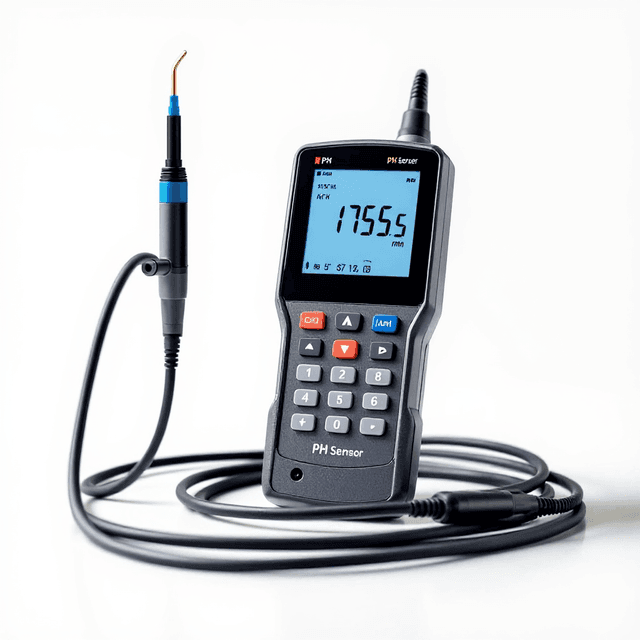
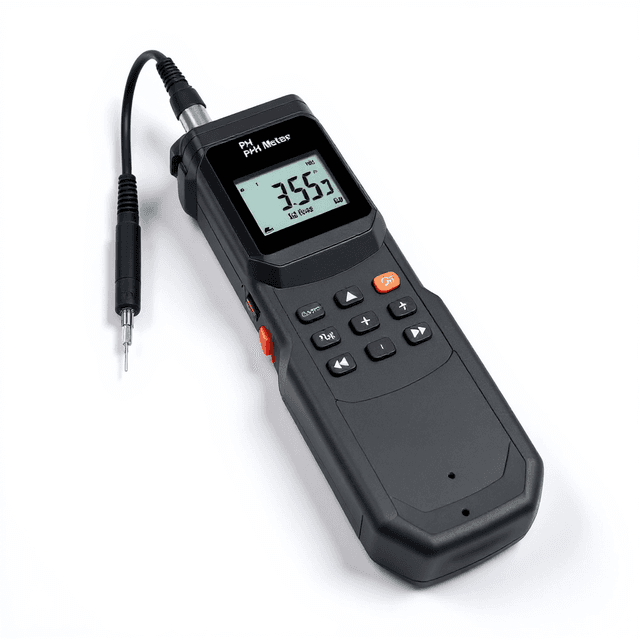
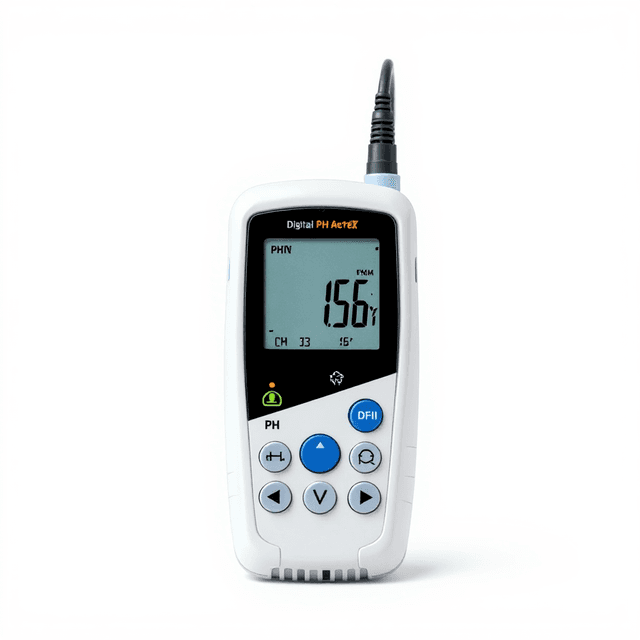
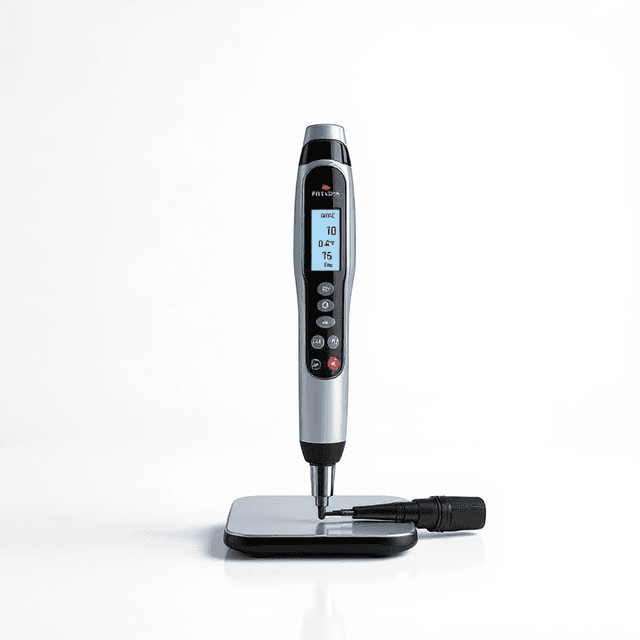
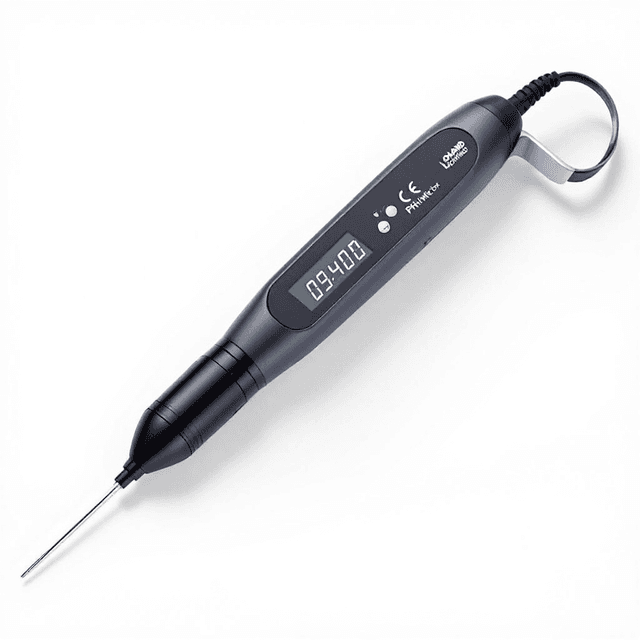
pH Sensor
Glass combination pH electrode with 0-14 pH range, BNC connector, and ≤1 second response time for quantitative hydrogen ion analysis in research applications.
| E-201 | 0-14 pH |
| E-6501 | 0-14 pH |
| E-6503 | 0-14 PH |
| E-901 Flat Surface | 0-14 pH |
| DJS-0.1 | 0.1±0.02 |
| DJS-1 | 1.0±0.2 |

The pH Sensor (Model E-201) is a glass electrode pH measurement system designed for quantitative hydrogen ion concentration analysis across the full 0-14 pH range. The sensor employs a combination glass electrode with integrated reference element, providing direct potentiometric measurement of solution pH with theoretical slope performance ≥97% at 25°C. Standard BNC connector interface enables integration with most laboratory pH meters and data acquisition systems.
Engineered for resistance to strong acid and alkaline solutions, this electrode maintains stable performance across demanding analytical conditions. The low internal impedance (≤250MΩ at 25°C) and rapid response time (≤1 second after stirring) support real-time monitoring applications in research and quality control environments. Zero point calibration at pH 7±0.25 ensures accurate measurement across the physiological and environmental pH ranges critical to biological and chemical research.
How It Works
pH measurement operates on the principle of potentiometric analysis using a glass membrane electrode selective to hydrogen ions. The sensor consists of a pH-sensitive glass bulb containing an internal buffer solution and Ag/AgCl reference electrode. When immersed in test solution, hydrogen ions interact with the hydrated gel layer of the glass membrane, creating a potential difference proportional to the logarithm of hydrogen ion activity according to the Nernst equation.
The combination electrode design integrates both indicating and reference elements in a single probe body. The reference electrode provides a stable potential against which the glass electrode potential is measured, while a salt bridge maintains electrical contact with the test solution. Temperature-dependent slope characteristics (theoretical ≥97% at 25°C) require calibration with standard buffer solutions to ensure accurate pH determination across the measurement range.
Features & Benefits
E-201
- 0-14 pH
E-6501
- 0-14 pH
E-6503
- 0-14 PH
E-901 Flat Surface
- 0-14 pH
DJS-0.1
- 0.1±0.02
DJS-1
- 1.0±0.2
DJS-10
- 10±2
501
- 5-60â
Automation Level
- manual
Brand
- ConductScience
Research Domain
- Analytical Chemistry
- Cell Biology
- Environmental Monitoring
- Food Science
- Microbiology
- Pharmaceutical QC
Weight
- 0.26 kg
Dimensions
- L: 20.0 mm
- W: 10.0 mm
- H: 5.0 mm
Comparison Guide
| Feature | This Product | Typical Alternative | Advantage |
|---|---|---|---|
| pH Range | 0-14 pH (full range) | Many entry-level electrodes offer limited ranges or reduced accuracy at extremes | Full range coverage eliminates need for specialized electrodes across different analytical applications |
| Response Time | ≤1 second after stirring | Basic electrodes may require 30-60 seconds for equilibration | Rapid response enables real-time monitoring and increases sample throughput in analytical workflows |
| Internal Impedance | ≤250MΩ at 25°C | Higher impedance designs may suffer from noise and stability issues | Low impedance design provides stable readings with most laboratory pH meters and data systems |
| Slope Performance | ≥97% theoretical slope | Standard electrodes typically achieve 95-98% slope efficiency | High slope efficiency ensures linear response and accurate measurements across the full pH range |
| Chemical Resistance | Withstands strong acid and alkaline conditions | General-purpose electrodes may have limited chemical compatibility | Extended operational lifetime in demanding analytical environments reduces replacement frequency |
This pH sensor combines full-range measurement capability with rapid response characteristics and robust chemical resistance, providing reliable performance for standard laboratory pH analysis applications across research and quality control environments.
Practical Tips
Always calibrate using fresh buffer solutions and perform two-point calibration spanning your expected measurement range.
Why: Fresh buffers ensure accurate reference points while bracketing your sample range minimizes interpolation errors.
Rinse electrode thoroughly with distilled water between samples and store in pH 4.0 buffer when not in use.
Why: Proper rinsing prevents cross-contamination while buffer storage maintains glass membrane hydration and stability.
Allow temperature equilibration between electrode and sample, especially when measuring solutions at different temperatures.
Why: Temperature affects both electrode response and solution pH, requiring thermal equilibration for accurate measurements.
Use gentle magnetic stirring during measurement to ensure rapid equilibration without generating static charge.
Why: Stirring accelerates ion transport to the electrode surface while avoiding electrostatic interference with pH readings.
If readings become slow or erratic, soak electrode in 0.1M HCl for 30 minutes followed by buffer reconditioning.
Why: Acid treatment removes protein deposits and reactivates the glass surface for restored electrode performance.
Handle glass bulb carefully during use and cleaning to prevent breakage and potential injury from sharp fragments.
Why: The thin glass membrane is fragile and breakage can cause measurement failure and safety hazards in the laboratory.
Setup Guide
What’s in the Box
- pH electrode with BNC connector
- Protective cap
- User manual (typical)
- Storage solution (typical)
Warranty
ConductScience provides standard one-year manufacturer warranty covering electrode function and construction defects, with technical support for calibration and measurement protocols.
Compliance
References
Background reading relevant to this product:
What is the expected electrode lifetime under normal laboratory conditions?
Glass pH electrodes typically provide 6-12 months of reliable service with proper maintenance, calibration, and storage in appropriate solutions between uses.
How frequently should the electrode be calibrated for quantitative analysis?
Two-point calibration using pH 4.0 and 7.0 buffers should be performed daily for critical measurements, or before each analytical session for routine work.
Can this electrode measure pH in non-aqueous or high ionic strength solutions?
Glass electrodes are optimized for aqueous solutions; consult product datasheet for specific recommendations regarding organic solvents and high ionic strength matrices.
What is the temperature coefficient and operating temperature range?
Consult product datasheet for temperature coefficient specifications; most glass electrodes operate effectively from 0-80°C with temperature compensation.
How should the electrode be stored when not in use?
Store in pH 4.0 buffer solution or manufacturer's storage solution to maintain hydrated glass membrane; never allow the electrode to dry completely.
Is the electrode compatible with automated sampling systems?
BNC connector design supports integration with automated pH monitoring systems; verify mechanical compatibility with specific autosampler configurations.
Have a question about this product?
Upgrade Options