Pen-Type pH Meter
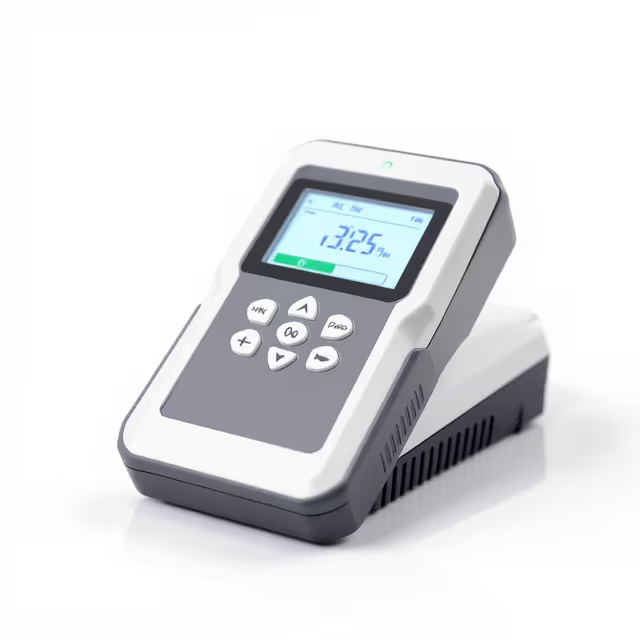
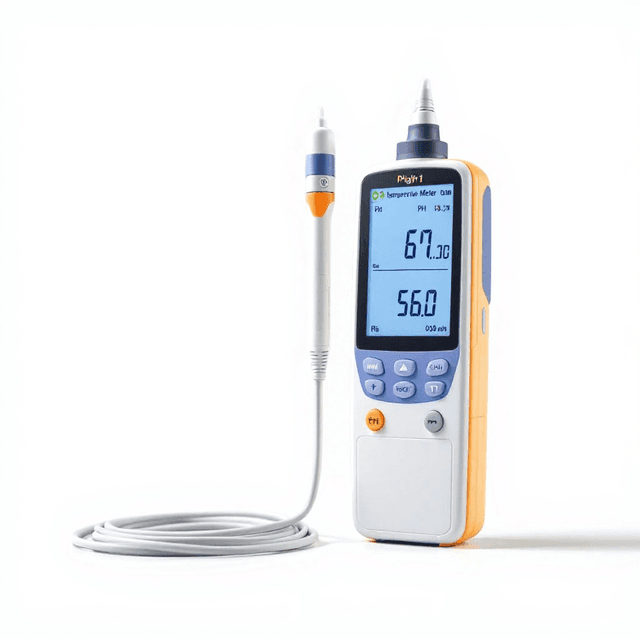
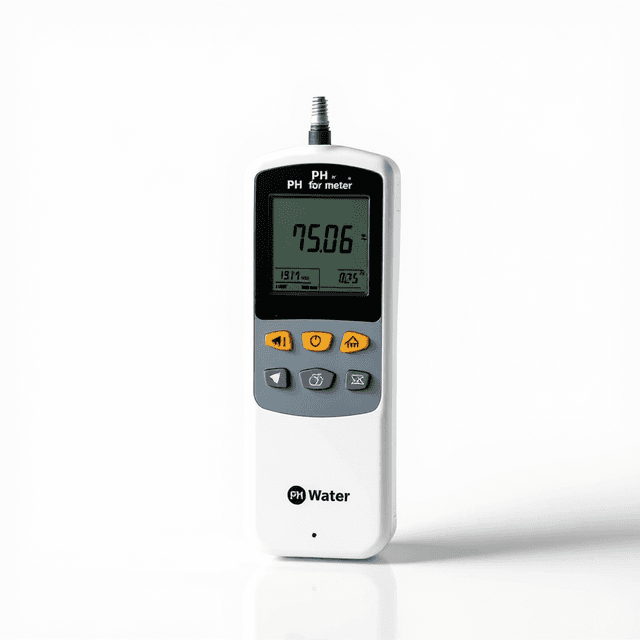
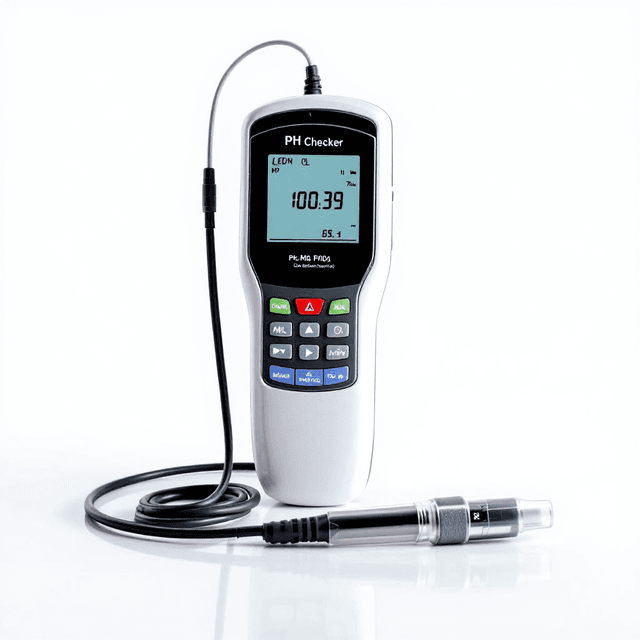
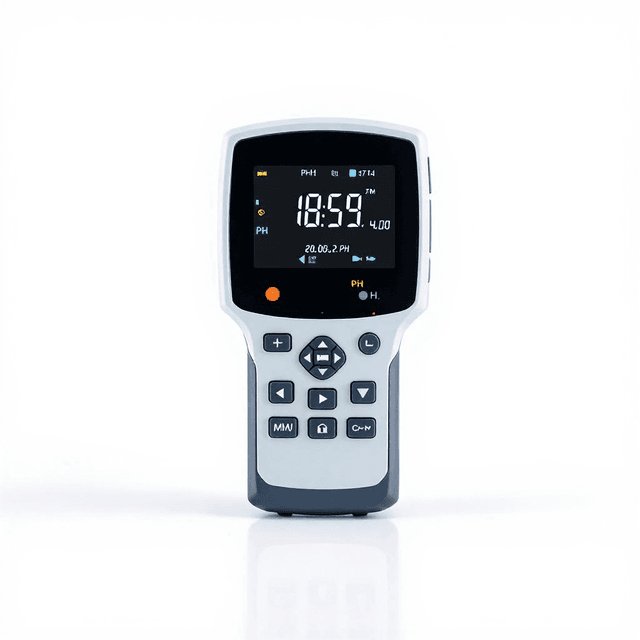
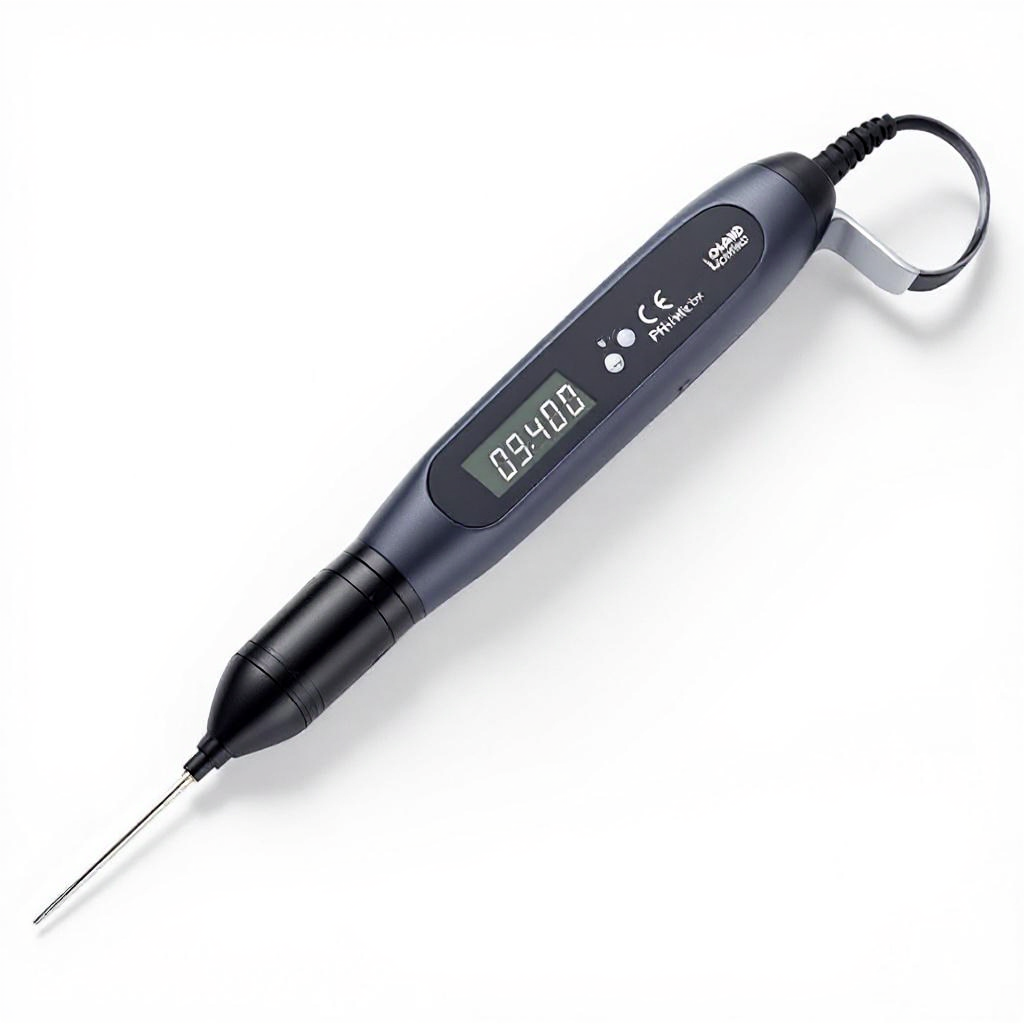
Pen-type pH meter with planar electrode for flat surface and small volume measurements, featuring 0.01 pH accuracy and automatic temperature compensation.

Louise Corscadden, PhD
Director of Science · ConductScience
Ask Louise about Pen-Type pH Meter fit, setup, configuration, or quote prep.
Already working with us? Sign in to connect this with My Scientist.
Key Specifications
Full details →- Model fit
- Configured during quote
- SKU family
- CS-LH-P300
- Sizing
- 20.0 x 10.0 x 5.0 cm
- Ordering
- Online checkout and quote request available
- Category
- pH Meters
- Build notes
- Confirm accessories, station layout, and support needs before purchase
The LH-P300 pen-type pH meter features a high impedance planar electrode design optimized for pH measurement of flat surfaces and small sample volumes. The instrument provides pH measurements across the full 0.00-14.00 range with 0.01 pH resolution and ±0.01 pH accuracy. Automatic temperature compensation using a NCT22K thermistor maintains measurement precision across the 0-60°C operating range.
The compact design incorporates IP65 environmental protection, making it suitable for field measurements and laboratory applications requiring portability. The 20×30mm LCD display with automatic backlight enables clear reading in various lighting conditions, while manual or automatic result locking facilitates data recording. Three-point automatic calibration with standard buffer solutions ensures measurement traceability.
How It Works
The LH-P300 operates on the principle of potentiometric pH measurement using a glass electrode system. The high impedance planar electrode incorporates a pH-sensitive glass membrane that develops a potential difference proportional to hydrogen ion activity in the sample. This potential is measured against an internal reference electrode, with the resulting voltage converted to pH units using the Nernst equation relationship.
The planar electrode design differs from traditional bulb electrodes by presenting a flat sensing surface optimized for contact with solid surfaces and small liquid volumes. Automatic temperature compensation is achieved through an integrated NCT22K thermistor that measures sample temperature and applies the appropriate correction factor to account for the temperature dependence of the glass electrode response. The instrument's three-point calibration system uses standard buffer solutions to establish the electrode slope and offset parameters, ensuring accurate pH determination across the measurement range.
Features & Benefits
Model
- LH-P300
Item
- Measuring range
pH range
- 0.00~14.00pH
pH resolution
- 0.01pH
pH accuracy
- ±0.01pH
Temperature test range
- 0-100âï¼32-212âï¼
Working temperature range
- 0-60âï¼32-140âï¼
Temperature accuracy
- ±0.2âï¼0-60âï¼
pH calibration standard buffer
- Automatic recognition of three-point standard solution calibration
pH probe
- High impedance planar electrode
Temperature compensation
- NCT22K ATC
Result lock function
- Maunal /Automatic
IP grade
- IP65
Automatic backlight
- 1 minute
Automatic shut-down
- 20 minutes
Automation Level
- semi-automated
Brand
- ConductScience
Display Type
- 20*30mm LCD backlight display
Research Domain
- Analytical Chemistry
- Environmental Monitoring
- Food Science
- Materials Science
- Microbiology
- Pharmaceutical QC
Weight
- 0.26 kg
Dimensions
- L: 20.0 mm
- W: 10.0 mm
- H: 5.0 mm
| Feature | This Product | Typical Alternative | Advantage |
|---|---|---|---|
| Electrode Design | High impedance planar electrode for flat surfaces | Most pen-type pH meters use traditional bulb electrodes | Enables pH measurement of surfaces and samples inaccessible to bulb electrodes |
| pH Accuracy | ±0.01 pH accuracy | Entry-level models often provide ±0.1 pH accuracy | Higher precision supports quality control and research applications requiring accurate pH determination |
| Temperature Compensation | Automatic temperature compensation with NCT22K thermistor | Basic models may lack automatic temperature compensation | Maintains measurement accuracy across varying sample temperatures without manual corrections |
| Environmental Protection | IP65 rated for dust and water resistance | Many portable pH meters offer lower IP ratings | Suitable for field measurements and challenging laboratory environments |
| Calibration System | Three-point automatic buffer recognition calibration | Basic instruments may offer single or two-point calibration | Enhanced accuracy across the full pH range through comprehensive calibration |
| Display Features | 20×30mm LCD with automatic backlight (1 minute duration) | Smaller displays or no backlight in basic models | Improved readability in various lighting conditions with power-efficient backlight timing |
The LH-P300 offers unique planar electrode capability for surface pH measurements combined with laboratory-grade accuracy specifications. The automatic temperature compensation and three-point calibration provide measurement reliability typically found in more expensive benchtop instruments.
Practical Tips
Perform calibration at temperatures close to your sample measurement temperature to minimize thermal effects on electrode response.
Why: Temperature differences between calibration and measurement can introduce systematic errors despite automatic compensation.
Store the electrode with the protective cap containing a few drops of pH 7 buffer or KCl solution to prevent dehydration.
Why: Proper electrode hydration maintains glass membrane integrity and response stability.
For surface measurements, ensure the planar electrode makes complete contact with minimal air bubbles between electrode and sample.
Why: Air gaps can create unstable readings and affect measurement accuracy on flat surfaces.
If readings drift excessively, check for electrode contamination and clean with appropriate solvents followed by thorough water rinsing.
Why: Contamination on the electrode surface can cause unstable potentials and measurement drift.
Allow sufficient equilibration time (30-60 seconds) before locking readings, especially with viscous or high ionic strength samples.
Why: Electrode response time varies with sample composition and proper equilibration ensures accurate measurements.
Avoid measuring corrosive samples that could damage the glass electrode surface or compromise the IP65 sealing.
Why: Chemical damage to the electrode or housing can affect measurement accuracy and environmental protection.
For small volume samples, use minimal buffer solutions during calibration to conserve reagents while maintaining calibration quality.
Why: The planar electrode requires less immersion volume than traditional electrodes, reducing buffer consumption.
Monitor calibration slope values during routine calibration to identify electrode aging before accuracy degrades significantly.
Why: Electrode slope changes provide early indication of glass membrane degradation requiring replacement.
Setup Guide
What’s in the Box
- LH-P300 pH meter with planar electrode (typical)
- Electrode protective cap (typical)
- User manual and calibration instructions (typical)
- Standard buffer solution samples (typical)
- Carrying case or protective pouch (typical)
Warranty
ConductScience provides a standard one-year manufacturer warranty covering defects in materials and workmanship, with technical support available for calibration and operational questions.
Compliance
References
Background reading relevant to this product:
What sample types are compatible with the planar electrode design?
The planar electrode is optimized for flat surfaces, semi-solid materials, small liquid volumes, and samples where traditional bulb electrodes cannot achieve proper contact. It is suitable for agar plates, food surfaces, sediments, and minimal volume solutions.
How frequently should calibration be performed?
Calibration frequency depends on measurement accuracy requirements and usage conditions. For routine applications, daily calibration is recommended. For critical measurements or after extended storage, perform three-point calibration before each measurement session.
What is the minimum sample volume required for accurate measurement?
The planar electrode requires sufficient contact area rather than volume depth. For liquid samples, a few drops creating adequate surface contact is sufficient. Consult product datasheet for specific minimum contact area requirements.
Can the instrument be used for continuous monitoring applications?
The LH-P300 is designed for spot measurements rather than continuous monitoring. The 20-minute automatic shutdown and pen-type design are optimized for portable, intermittent measurements rather than fixed installation monitoring.
What maintenance is required for the planar electrode?
Regular cleaning with distilled water, proper storage with protective cap, and periodic calibration verification. Avoid abrasive cleaning that could damage the glass sensing surface. Replace electrode when calibration slope falls outside acceptable limits.
How does measurement accuracy compare to benchtop pH meters?
The ±0.01 pH accuracy specification matches many benchtop instruments. However, the planar electrode design provides unique capability for surface measurements not possible with traditional combination electrodes, making it complementary rather than directly comparable.
What buffer solutions are recommended for calibration?
Standard pH buffers at pH 4.01, 7.00, and 10.01 are typically used for three-point calibration. The instrument features automatic buffer recognition to streamline the calibration process.
Can measurements be performed in high ionic strength solutions?
Glass electrodes can experience interference in extreme ionic strength conditions. For high salt or ionic strength samples, verify calibration stability and consider matrix-matched calibration standards. Consult product datasheet for specific limitations.
Have a question about this product?
Have a question? Just ask.
Send it over and we'll email you a personalized answer — no call, no scheduling.
Prefer to talk it through?
Accessories
Enhance your setup with compatible accessories