Piglets Removable Y Maze
Large-scale Y-maze apparatus with removable divider system for assessing spatial learning, memory, and choice behaviors in piglets and young pigs.
| removable_divider_length | 0.84 m |
| choice_compartment_dimensions | 0.84 m by 0.9 m each |
| includes_removable_isolation_board | Yes |
| includes_removable_low_wall_divider | Yes |
| maze_configuration | Y-shaped with rectangular open space |
| Automation Level | manual |

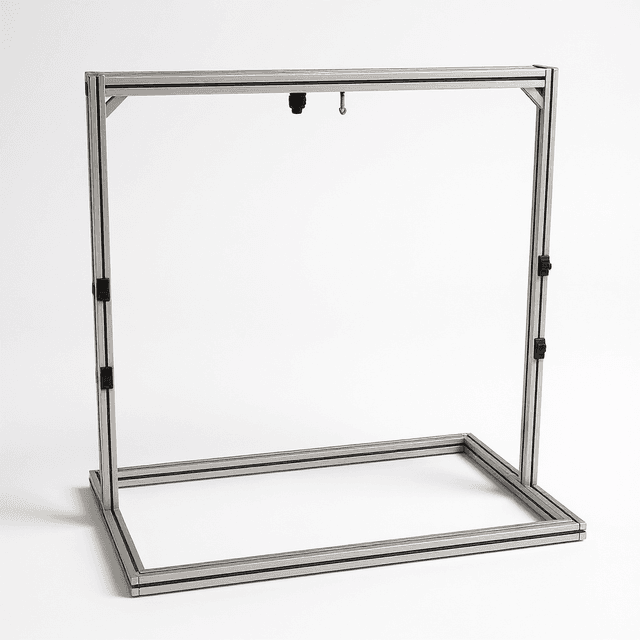
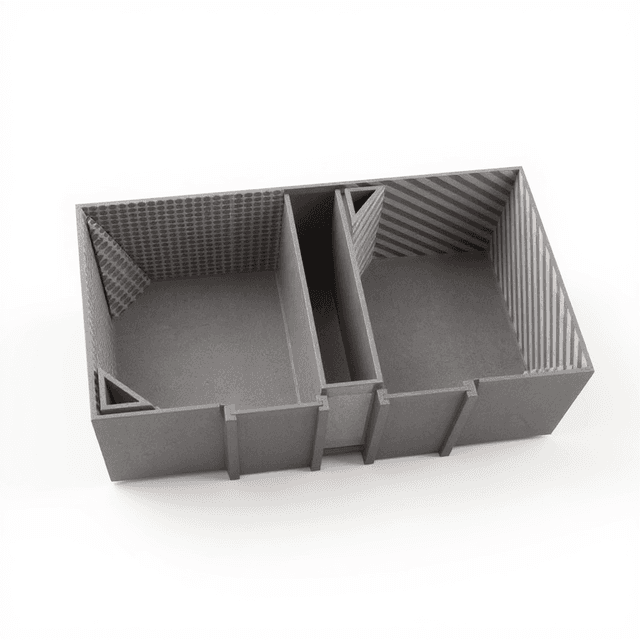
The Piglets Removable Y Maze is a specialized behavioral apparatus designed for cognitive and spatial learning assessment in piglets and young pigs. The apparatus features a Y-shaped configuration with dimensions of 2.79 m × 1.86 m × 0.96 m, incorporating a removable low-wall divider system that creates two distinct choice compartments (each measuring 0.84 m × 0.9 m). This modular design allows researchers to configure the maze for various experimental paradigms including spatial discrimination, choice behavior analysis, and memory consolidation studies.
The apparatus utilizes a removable isolation board and low-wall divider system, enabling flexible experimental designs ranging from simple two-choice discrimination tasks to complex spatial navigation protocols. The large scale accommodates the size and behavioral characteristics of piglets, providing adequate space for natural movement patterns while maintaining experimental control. This tool addresses the growing need for validated behavioral assessment methods in porcine models, particularly relevant for translational research applications where pig cognition serves as a bridge between rodent models and human studies.
How It Works
The Y-maze operates on the principle of spatial choice behavior assessment, where subjects must navigate between two or more distinct compartments to receive rewards or avoid aversive stimuli. The apparatus exploits the natural exploratory behavior of pigs, utilizing their spatial memory capabilities to assess cognitive function through choice patterns and navigation strategies. The removable divider system allows researchers to modify the spatial configuration during testing, creating dynamic environments that challenge different aspects of cognitive processing.
Experimental protocols typically involve training phases where piglets learn to associate specific spatial locations with rewards, followed by test phases that assess memory retention, reversal learning, or discrimination abilities. The large scale of the apparatus accommodates the physical requirements of piglet subjects while maintaining the spatial relationships necessary for valid cognitive assessment. Data collection focuses on choice accuracy, response latency, and navigation patterns, which provide quantitative measures of learning acquisition, memory consolidation, and cognitive flexibility.
Features & Benefits
removable_divider_length
- 0.84 m
choice_compartment_dimensions
- 0.84 m by 0.9 m each
includes_removable_isolation_board
- Yes
includes_removable_low_wall_divider
- Yes
maze_configuration
- Y-shaped with rectangular open space
Behavioral Construct
- Spatial working memory
- Spatial reference memory
- Choice behavior
- Discrimination learning
- Cognitive flexibility
- Spatial navigation
Automation Level
- manual
Species
- Pig
Dimensions
- 2.79 m x 1.86 m x 0.96 m
Research Domain
- Behavioral Pharmacology
- Developmental Biology
- Learning and Memory
- Neuroscience
- Toxicology
Weight
- 21.0 kg
Dimensions
- L: 43.2 mm
- W: 38.0 mm
- H: 27.9 mm
Comparison Guide
| Feature | This Product | Typical Alternative | Advantage |
|---|---|---|---|
| Overall Maze Dimensions | 2.79 m × 1.86 m × 0.96 m | Smaller pig mazes often measure 2.0 m × 1.5 m or less | Larger dimensions accommodate natural piglet movement patterns and reduce spatial constraints that could confound behavioral measurements |
| Choice Compartment Size | 0.84 m × 0.9 m per compartment | Many designs offer smaller compartments around 0.6 m × 0.7 m | Adequate compartment size prevents crowding effects and allows clear spatial discrimination between choice options |
| Divider Configuration | Removable 0.84 m low-wall divider system | Fixed divider systems or basic removable barriers | Modular design enables transition between open-field and structured choice paradigms without apparatus replacement |
| Experimental Flexibility | Y-shaped configuration with isolation board system | Fixed maze geometries with limited reconfiguration options | Multiple configuration options support diverse experimental protocols from simple discrimination to complex spatial navigation studies |
This apparatus provides validated Y-maze geometry scaled for piglet subjects with modular components that enhance experimental flexibility. The removable divider system and adequate compartment dimensions support diverse cognitive assessment protocols while accommodating the behavioral requirements of pig models.
Practical Tips
Habituate piglets to the apparatus for 10-15 minutes without experimental contingencies before beginning formal testing.
Why: Pre-exposure reduces novelty-induced stress responses that could interfere with cognitive performance assessment
Inspect removable divider connections weekly and ensure all components remain securely positioned during testing sessions.
Why: Loose components can create distracting sounds or movement that disrupts behavioral protocols
Record ambient temperature and lighting conditions for each testing session and maintain consistency across experimental days.
Why: Environmental variations can significantly affect pig behavior and confound cognitive performance measurements
Maintain clear researcher access paths around the apparatus perimeter and ensure emergency removal procedures are established.
Why: Pig subjects can exhibit unpredictable behaviors requiring rapid researcher intervention for animal and human safety
Verify maze dimensions and divider positioning before each experimental session using the specified measurements.
Why: Spatial relationships are critical for valid cognitive assessment and small deviations can affect behavioral outcomes
Implement counterbalanced reward placement across subjects to control for spatial biases and preference effects.
Why: Systematic reward positioning prevents location preferences from confounding learning assessment measures
If subjects show persistent side bias, temporarily increase reward magnitude or salience in the non-preferred compartment.
Why: Strong spatial preferences can mask cognitive abilities and require motivational adjustments to achieve balanced choice behavior
Setup Guide
What’s in the Box
- Main maze arena structure
- Removable low-wall divider (0.84 m)
- Removable isolation board
- Assembly hardware and fasteners
- Setup and operation manual (typical)
- Basic measurement tools for configuration verification (typical)
Warranty
ConductScience provides a standard one-year manufacturer warranty covering defects in materials and workmanship, with technical support available for setup guidance and troubleshooting assistance.
Compliance
References
Background reading relevant to this product:
What is the optimal age range for piglets tested in this apparatus?
The apparatus is designed for weaned piglets typically ranging from 3-12 weeks of age, though specific age selection should be based on research objectives and the cognitive abilities being assessed.
How should the apparatus be cleaned between subjects to prevent olfactory cues?
Clean all surfaces with 70% ethanol solution and allow complete drying between subjects. Rotate removable components if possible to further minimize residual olfactory contamination.
What types of spatial cues can be effectively used with this maze configuration?
Visual cues such as geometric patterns, colored panels, or three-dimensional objects work well when positioned at choice points or compartment ends. Maintain consistent cue placement relative to maze geometry.
How many trials are typically required to establish baseline performance?
Most protocols require 10-20 training trials per session over 3-7 days to establish stable baseline performance, though this varies with task complexity and individual subject learning rates.
Can the apparatus accommodate different reward delivery systems?
Yes, the open design allows integration of various reward systems including food dispensers, water bottles, or manual delivery at choice compartment locations.
What behavioral parameters should be recorded during testing?
Key measures include choice accuracy, response latency, path length, number of arm entries, and time spent in each compartment. Video tracking systems facilitate automated data collection.
How does this apparatus compare to rodent Y-maze protocols?
The basic behavioral principles remain consistent, but protocols must account for larger subject size, different motivational systems, and potentially longer inter-trial intervals required for pig models.
Have a question about this product?
Accessories
Enhance your setup with compatible accessories