Social Interaction Test
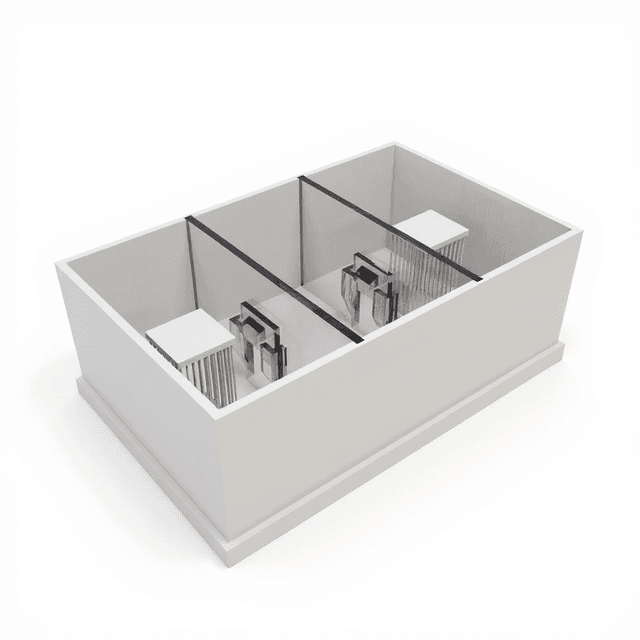
Standardized apparatus for measuring social approach and interaction behaviors in mice and rats, featuring species-specific arena dimensions and removable stimulus cage.
| Automation Level | manual |

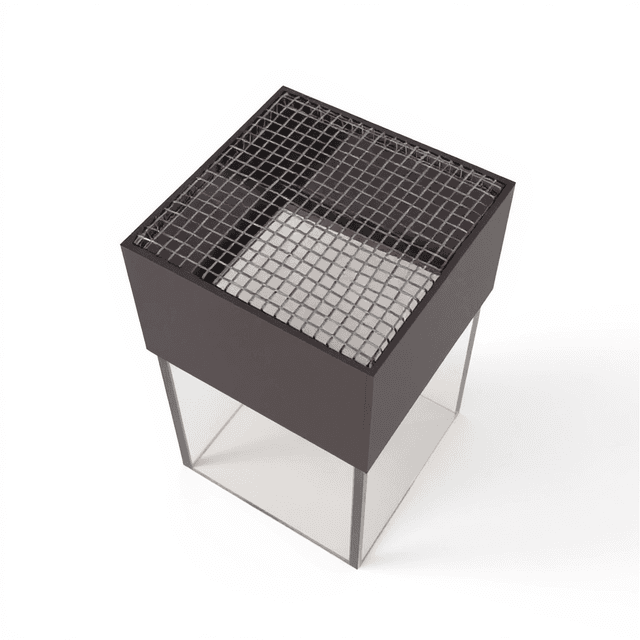
The Social Interaction Test provides a standardized apparatus for assessing social behavior in laboratory rodents. The system consists of a clear acrylic arena with a removable wire cage that houses the stimulus animal, allowing researchers to quantify social approach, avoidance, and interaction behaviors under controlled conditions.
This apparatus enables measurement of key social behavioral parameters including time spent in proximity to the social stimulus, frequency of direct interactions, and spatial preference patterns. The design accommodates both mouse and rat studies with species-specific dimensions optimized for natural social investigation behaviors while maintaining clear visual observation for manual scoring or automated video tracking systems.
How It Works
The Social Interaction Test operates on the principle of measuring approach-avoidance behaviors toward a social stimulus. The test subject is placed in the arena and allowed to freely explore while a stimulus animal is confined within the wire cage. The spatial arrangement allows visual, olfactory, and limited tactile contact while preventing aggressive interactions.
Behavioral measurements focus on time allocation and movement patterns. Researchers typically define interaction zones around the stimulus cage and measure time spent in these areas, frequency of approaches, and latency to first contact. The clear acrylic construction provides unobstructed visual access for behavioral scoring, while the standardized dimensions ensure consistent spatial relationships across studies.
The removable cage design allows for experimental flexibility, including empty cage controls to distinguish social from novel object interest. Session duration typically ranges from 5-30 minutes depending on the specific research question and behavioral endpoint being measured.
Features & Benefits
Behavioral Construct
- Social approach
- Social avoidance
- Social interaction
- Social recognition
- Social preference
- Social withdrawal
Automation Level
- manual
Research Domain
- Anxiety and Depression
- Behavioral Pharmacology
- Developmental Biology
- Learning and Memory
- Neurodegeneration
- Neuroscience
Species
- Mouse
- Rat
Weight
- 21.0 kg
Dimensions
- L: 43.2 mm
- W: 38.0 mm
- H: 27.9 mm
Comparison Guide
| Feature | This Product | Typical Alternative | Advantage |
|---|---|---|---|
| Arena Dimensions | Species-optimized sizing: 37x37 cm (mouse), 50x50 cm (rat) | Many systems use single-size arenas for both species | Appropriate spatial scale for each species ensures natural social investigation distances and movement patterns. |
| Stimulus Containment | Removable wire cage with species-appropriate dimensions | Fixed barriers or mesh dividers are common in basic setups | Removable design enables easy transition between social and control conditions within the same session. |
| Material Construction | Clear acrylic throughout for optimal visibility | Some systems use opaque materials or mixed construction | Unobstructed visual access enables accurate behavioral scoring and video tracking from multiple angles. |
| Wall Height | Species-matched heights: 30 cm (mouse), 40 cm (rat) | Universal height designs may be too high or too low for optimal use | Prevents escape while allowing natural rearing behaviors and maintaining appropriate containment for each species. |
This system provides species-optimized dimensions with removable stimulus cage design for experimental flexibility. The clear acrylic construction ensures optimal visibility for behavioral observation while maintaining standardized spatial relationships critical for reliable social behavior measurements.
Practical Tips
Establish interaction zones at consistent distances from the stimulus cage (typically 2-5 cm proximity zone) and validate zone boundaries with pilot testing.
Why: Standardized interaction zones ensure reproducible measurements and enable comparison across studies and laboratories.
Inspect wire cage spacing regularly and replace if bent or damaged, as altered spacing can affect stimulus animal visibility and test subject approach behavior.
Why: Consistent visual and olfactory access is critical for standardized social stimulus presentation.
Habituate animals to the testing environment for 5-10 minutes before introducing the social stimulus to reduce neophobia confounds.
Why: Environmental familiarization isolates social-specific behaviors from general exploration or anxiety responses.
Record ambient conditions including lighting, temperature, and noise levels, as these factors can significantly influence social approach behaviors.
Why: Environmental consistency is essential for reproducible behavioral measurements and interpretation of treatment effects.
If animals show minimal interaction, verify stimulus animal activity level and consider using younger, more active stimulus animals or extending habituation periods.
Why: Inactive stimulus animals provide weak social cues and may result in false negative results for social approach behaviors.
Monitor stimulus animals for signs of stress during prolonged testing sessions and limit individual stimulus animal use to 4-6 sessions per day.
Why: Stressed stimulus animals exhibit altered behaviors that can confound social interaction measurements and compromise animal welfare.
Counterbalance stimulus animal identity across experimental groups and test subjects to control for individual stimulus animal effects.
Why: Individual differences in stimulus animals can introduce systematic bias in behavioral measurements across treatment groups.
Setup Guide
What’s in the Box
- Main arena (species-specific dimensions)
- Removable wire stimulus cage
- User manual with protocol guidelines (typical)
- Cleaning instructions (typical)
Warranty
ConductScience provides a standard one-year manufacturer warranty covering defects in materials and workmanship, along with technical support for setup and protocol optimization.
Compliance
What is the recommended session duration for social interaction testing?
Session duration typically ranges from 5-30 minutes depending on the research question. A 10-minute session is standard for initial social approach assessment, while longer sessions may be used for detailed interaction pattern analysis.
How should I control for novelty versus social interest?
Include empty cage control sessions where the wire cage contains no stimulus animal. Compare time spent investigating the empty cage versus the cage containing a social stimulus to isolate social-specific behaviors.
What are the key behavioral parameters to measure?
Primary measures include time spent in proximity to the stimulus cage, frequency of approaches, latency to first contact, and duration of active investigation behaviors such as sniffing and following along the cage perimeter.
How do I prevent olfactory contamination between subjects?
Clean all surfaces thoroughly with 70% ethanol between subjects and allow complete drying. Replace bedding material if used, and consider counterbalancing stimulus animals across test subjects.
Can this apparatus be used with automated tracking systems?
Yes, the clear acrylic construction and standardized dimensions are compatible with most video tracking software. Define interaction zones around the stimulus cage for automated scoring of approach behaviors.
What factors affect stimulus animal selection?
Stimulus animals should be age and sex-matched when possible, habituated to the cage environment, and consistent across experimental groups. Consider using the same stimulus animal for multiple sessions within a day to reduce variability.
How does arena size affect behavioral measurements?
The species-specific dimensions provide optimal exploration space while maintaining measurable proximity gradients. Larger arenas may reduce interaction frequency, while smaller spaces may increase stress and limit natural movement patterns.
Have a question about this product?
Accessories
Enhance your setup with compatible accessories

Frequently Bought Together