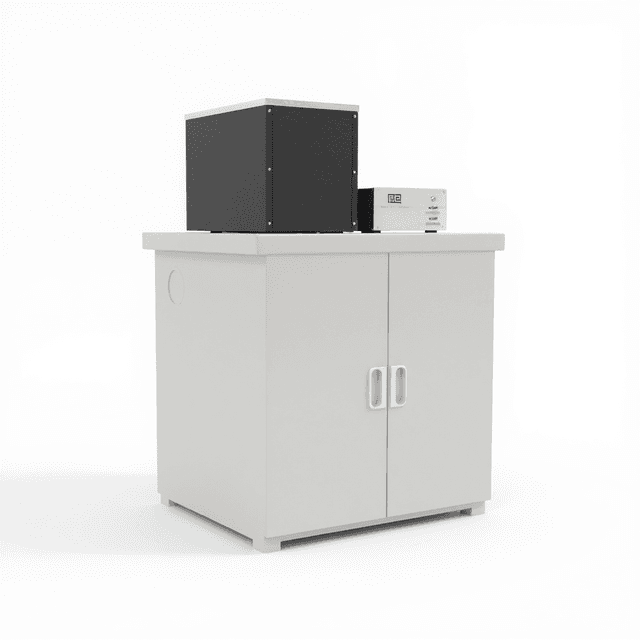
Step Down Avoidance
Behavioral testing apparatus for assessing inhibitory avoidance learning and memory retention in rodents using step-down paradigm with configurable platforms and aversive conditioning.
| grid_bar_diameter | 0.3 cm |
| grid_bar_spacing | 0.8 to 1 cm |
| shock_frequency | 1 Hz |
| shock_duration | 0.5 s |
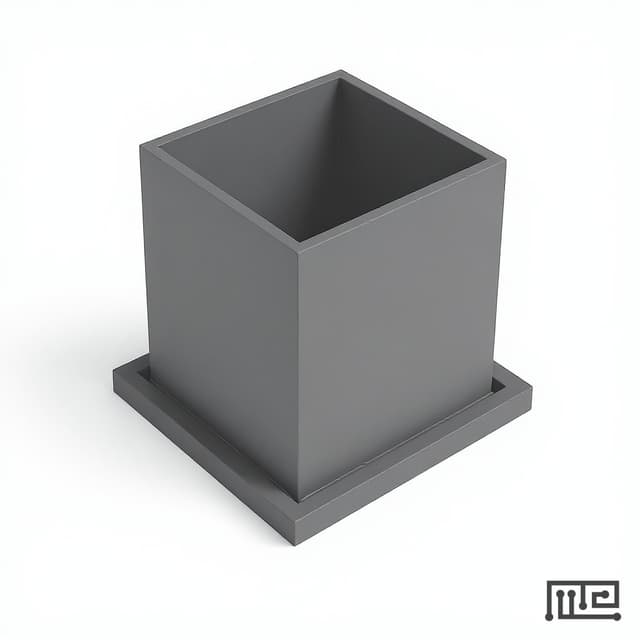
| square_platform_dimensions | 4 x 4 x 4 cm |
| circular_platform_diameter | 8 cm |

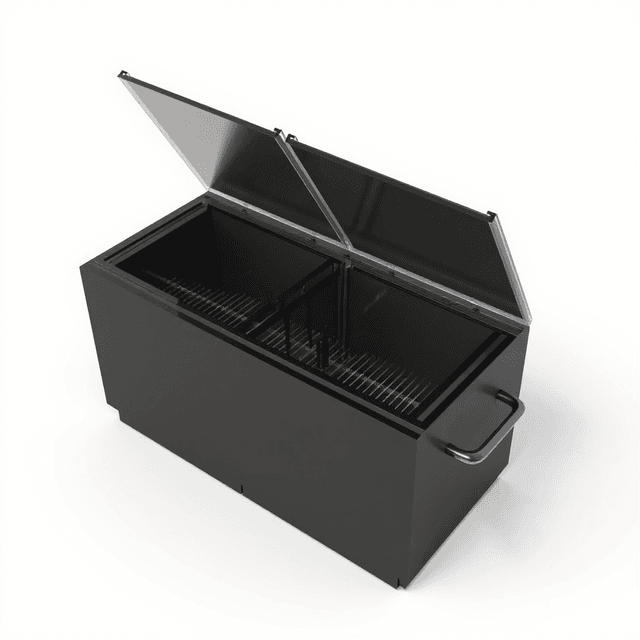
The Step Down Avoidance apparatus provides a controlled environment for assessing inhibitory avoidance learning and memory retention in rodents. This behavioral testing system implements the classic step-down paradigm, where animals learn to avoid descending from an elevated platform to escape aversive stimuli. The apparatus features dual platform configurations (7cm and 11cm) with an electrified grid floor system delivering controlled shock parameters.
Constructed from transparent acrylic and stainless steel components, the system includes integrated vibrator and shocker modules for multi-modal aversive conditioning protocols. The removable grid floor design with 0.3cm diameter bars spaced 0.8-1cm apart ensures consistent shock delivery across the chamber floor. Available contextual plates (striped, chessboard, grey, white, black) enable environmental conditioning studies and context-dependent memory assessments.
How It Works
The Step Down Avoidance test exploits the natural tendency of rodents to explore elevated surfaces while avoiding aversive stimuli. During the acquisition phase, animals are placed on the elevated platform and receive an electric shock upon stepping down to the grid floor. This creates an association between the platform descent behavior and the aversive stimulus, establishing inhibitory avoidance learning.
The apparatus delivers controlled electrical stimulation through the stainless steel grid floor at 45-60V DC with 1 Hz frequency and 0.5 second duration pulses. The shock parameters activate nociceptors without causing tissue damage, creating sufficient aversive motivation for learning. The vibrating platform capability adds tactile stimulation that can enhance the conditioning protocol or serve as an additional cue modality.
Memory assessment occurs through retention testing, where animals are returned to the apparatus and their latency to step down is measured. Increased step-down latency indicates successful memory consolidation and retention of the avoidance response. The dual platform sizes (7cm and 11cm) allow protocol adaptation for different species and experimental requirements.
Features & Benefits
grid_bar_diameter
- 0.3 cm
grid_bar_spacing
- 0.8 to 1 cm
shock_frequency
- 1 Hz
shock_duration
- 0.5 s
square_platform_dimensions
- 4 x 4 x 4 cm
circular_platform_diameter
- 8 cm
circular_platform_thickness
- 4 cm
removable_grid_floor
- True
vibrating_platform_capability
- True
contextual_plates_available
- True
software_integration
- ['Neuralynx', 'Ethovision', 'SMS', 'Email']
Behavioral Construct
- inhibitory avoidance
- passive avoidance
- aversive learning
- memory consolidation
- contextual memory
- fear conditioning
Automation Level
- semi-automated
Material
- transparent acrylic
- Stainless Steel
Power/Voltage
- 45 to 60V DC
Dimensions
- 28 cm x 23 cm x 26 cm
Research Domain
- Addiction Research
- Aging Research
- Anxiety and Depression
- Behavioral Pharmacology
- Learning and Memory
- Neurodegeneration
Species
- Mouse
- Rat
Weight
- 21.0 kg
Dimensions
- L: 43.2 mm
- W: 38.0 mm
- H: 27.9 mm
Comparison Guide
| Feature | This Product | Typical Alternative | Advantage |
|---|---|---|---|
| Platform Configuration | Dual platform system with 7cm and 11cm options plus square and circular configurations | Single fixed platform size limiting experimental flexibility | Enables species-specific optimization and protocol adaptation for different behavioral requirements. |
| Contextual Environment Control | Five distinct contextual plates (striped, chessboard, grey, white, black) | Plain chamber walls without environmental pattern variation | Supports context-dependent memory studies and environmental conditioning protocols. |
| Stimulus Modalities | Integrated vibrator and electrical shock with precise timing control | Single aversive stimulus modality with basic timing | Enables multi-modal conditioning protocols and enhanced stimulus discrimination learning. |
| Software Integration | Neuralynx, Ethovision, SMS and Email integration support | Limited or no automated data collection capabilities | Facilitates automated experiments and synchronization with neurophysiological recordings. |
| Grid Floor Design | Removable stainless steel grid with 0.3cm bars spaced 0.8-1cm apart | Fixed floor systems with limited cleaning access | Ensures consistent shock delivery while enabling thorough cleaning between subjects. |
This Step Down Avoidance system provides comprehensive behavioral testing capabilities with dual platform configurations, multi-modal stimulus delivery, and extensive software integration. The contextual environmental control and precision stimulus parameters support both basic avoidance learning studies and complex memory consolidation research protocols.
Practical Tips
Verify shock intensity using a digital multimeter before each experimental session to ensure consistent 45-60V DC delivery.
Why: Voltage drift can affect conditioning efficacy and introduce variability between subjects.
Clean the removable grid floor with 70% ethanol between subjects and inspect bar connections weekly.
Why: Residual odors can influence behavior while loose connections cause inconsistent stimulus delivery.
Allow 24-48 hours between acquisition and retention testing to assess memory consolidation.
Why: This interval permits evaluation of long-term memory formation rather than immediate performance effects.
If animals fail to show avoidance learning, verify grid bar spacing is uniform at 0.8-1cm intervals.
Why: Uneven spacing creates areas where animals can avoid shock without learning the avoidance response.
Record ambient lighting conditions and maintain consistent illumination across test sessions.
Why: Light levels affect rodent exploration behavior and can influence step-down latencies independent of learning.
Test shock intensity on an ohm meter before animal introduction and never exceed 60V DC output.
Why: Excessive voltage can cause tissue damage while insufficient voltage fails to establish proper conditioning.
Habituate animals to the platform for 2-3 minutes before conditioning to establish baseline exploration behavior.
Why: Initial platform familiarity reduces anxiety-related variables that could confound avoidance learning measurements.
Setup Guide
What’s in the Box
- Step Down Avoidance enclosure (species-specific size)
- Two platforms (7cm and 11cm configurations)
- Removable stainless steel grid floor
- Vibrator module
- Shocker module with power supply
- Five contextual plates (striped, chessboard, grey, white, black)
- Connecting cables and hardware
- User manual and protocol guide (typical)
- Software integration documentation (typical)
Warranty
ConductScience provides a standard one-year manufacturer warranty covering defects in materials and workmanship, with technical support for setup and protocol optimization throughout the warranty period.
Compliance
What shock parameters are used for effective avoidance conditioning without tissue damage?
The system delivers 45-60V DC electrical stimulation at 1 Hz frequency with 0.5 second pulse duration. These parameters provide sufficient aversive motivation for learning while remaining within established safety limits for rodent behavioral studies.
How do I select the appropriate platform size for my experimental design?
The 7cm platform is typically used for mice and provides more challenging conditions requiring precise motor control, while the 11cm platform accommodates rats and allows easier platform maintenance behavior. Selection depends on species, age, and desired difficulty level.
Can the apparatus integrate with automated video tracking systems?
Yes, the system supports integration with Ethovision and other tracking software through the Conductor Science Software platform. The transparent acrylic construction enables clear behavioral observation and automated latency measurements.
What maintenance is required for the grid floor system?
The removable stainless steel grid floor should be cleaned with appropriate disinfectant between subjects and inspected regularly for proper electrical continuity. Bar spacing and alignment should be verified to maintain consistent 0.8-1cm spacing.
How does the contextual plate system work for environmental conditioning studies?
The five available plate designs (striped, chessboard, grey, white, black) can be installed to create distinct visual contexts. This enables studies of context-dependent memory where learning can be associated with specific environmental cues.
What data outputs are available for statistical analysis?
The system records step-down latencies, platform exploration time, and stimulus delivery timing. Integration with tracking software provides additional measures including locomotor activity patterns and spatial preference data.
How does this compare to other avoidance learning paradigms?
Step-down avoidance offers simpler protocols compared to active avoidance tasks while providing more controlled conditions than open-field aversive conditioning. The single-trial learning capability makes it particularly suitable for memory consolidation studies.
Have a question about this product?
Accessories
Enhance your setup with compatible accessories


Frequently Bought Together