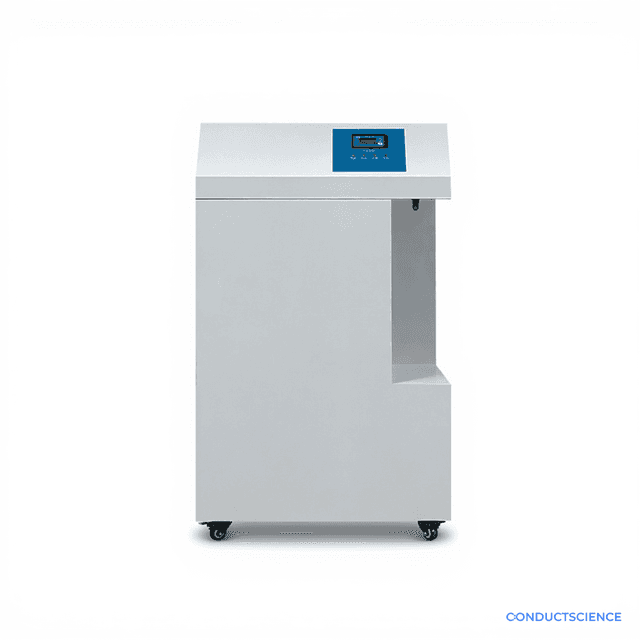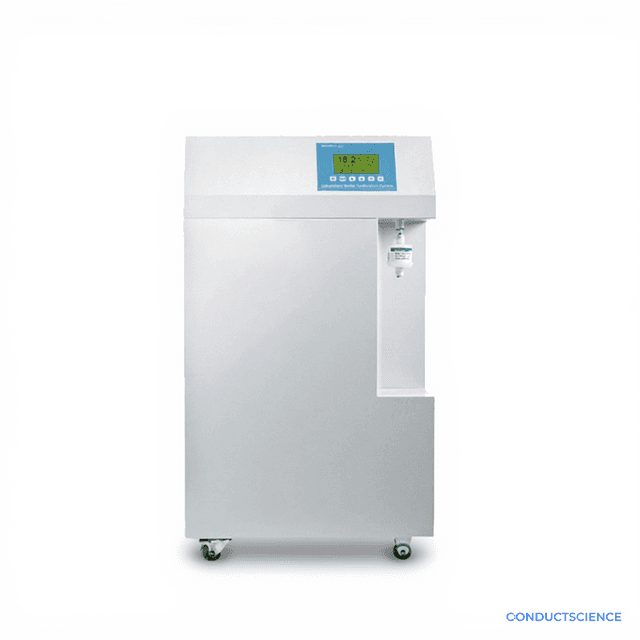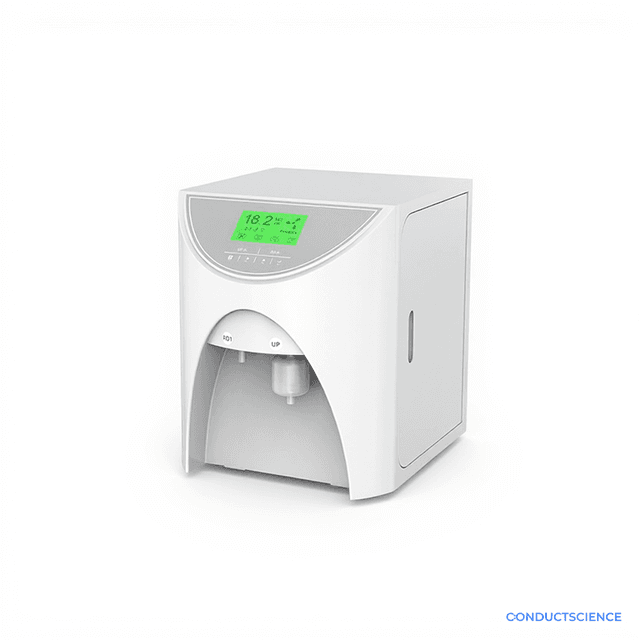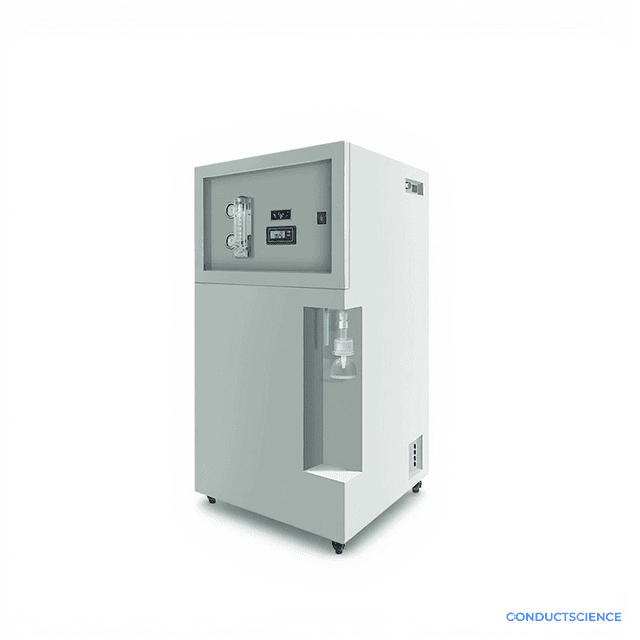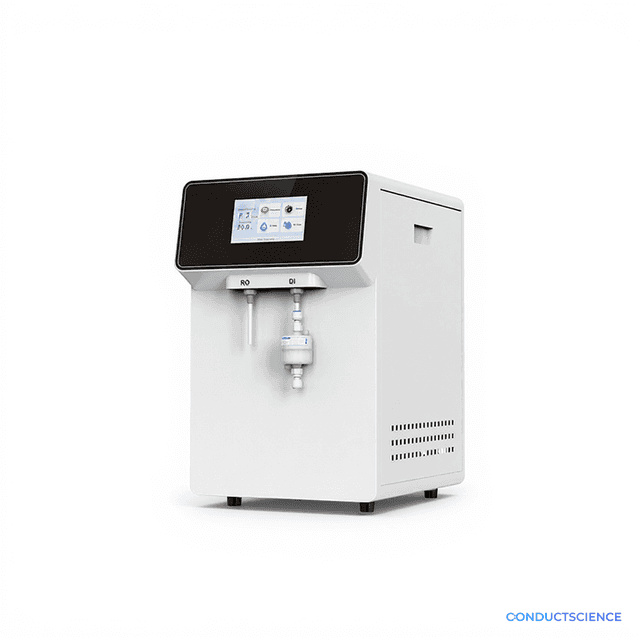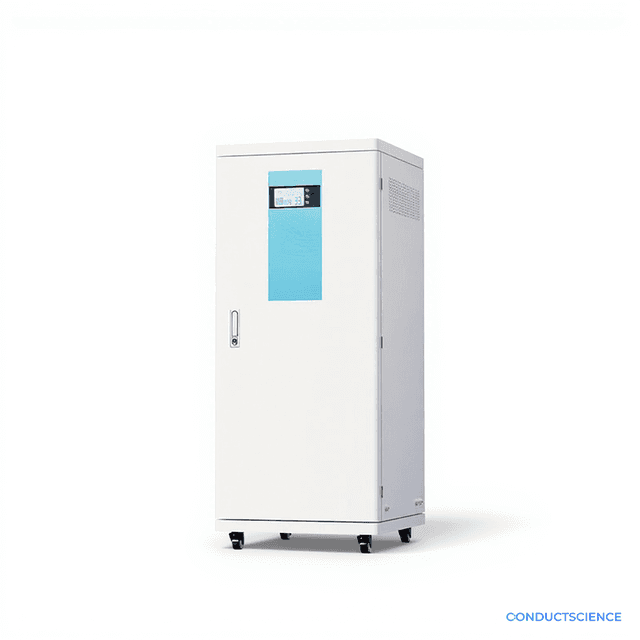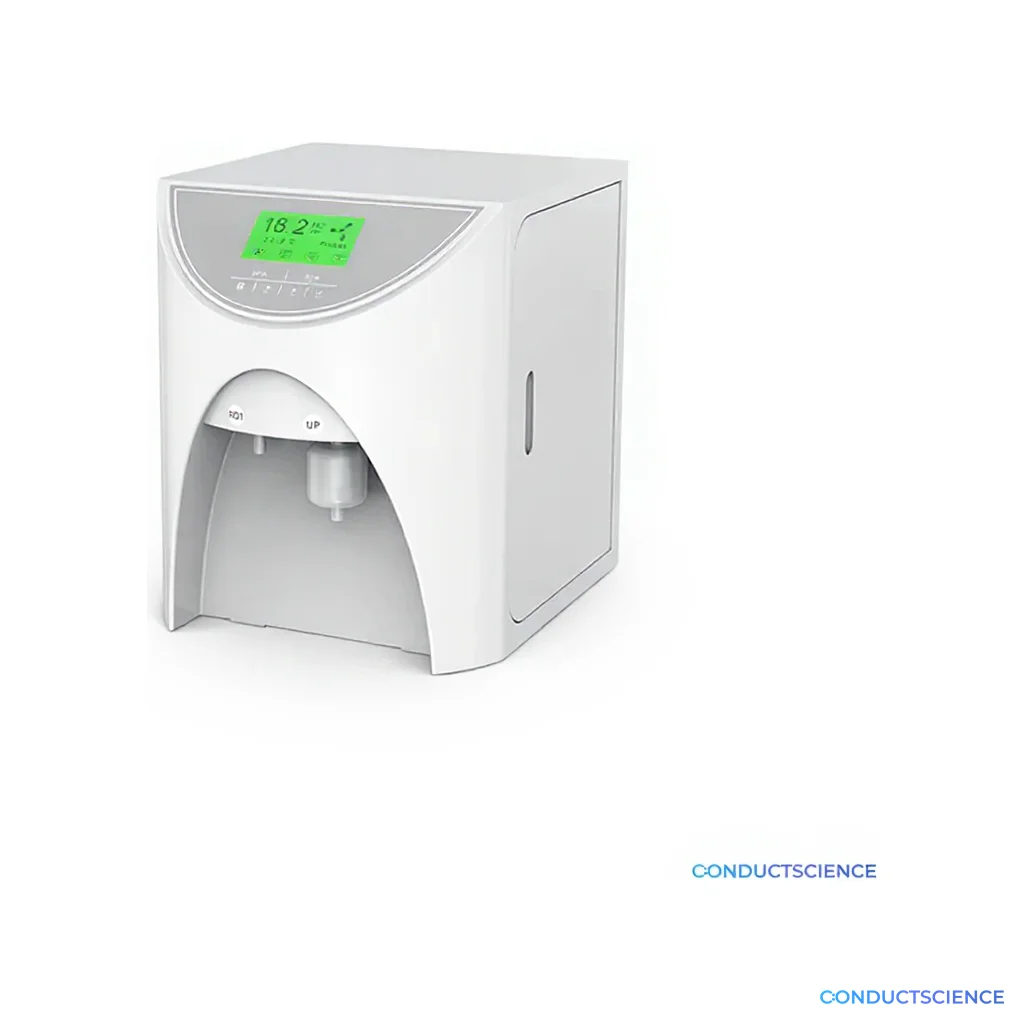
Ultrapure Water Purifier Analytical Series (Biobase)
Benchtop ultrapure water purification system delivering laboratory-grade water for analytical applications and sensitive research protocols.
The Ultrapure Water Purifier delivers laboratory-grade water purification for critical analytical and preparative applications. This benchtop system removes ionic, organic, and particulate contaminants to produce water suitable for sensitive analytical techniques, buffer preparation, and equipment operation where trace impurities can compromise results.
The system provides consistent water quality for applications requiring low conductivity, minimal organic carbon content, and absence of bacterial contamination. Designed for research laboratories, the purifier supports protocols in analytical chemistry, pharmaceutical analysis, and environmental testing where ultrapure water serves as a critical reagent and solvent medium.
How It Works
The ultrapure water purification process employs multiple sequential treatment stages to remove distinct classes of contaminants. Initial filtration removes particulate matter and chlorine through activated carbon adsorption. Ion exchange resins eliminate dissolved salts and ionic species, while reverse osmosis membranes provide molecular-level separation of organic compounds and remaining ionic species.
UV irradiation breaks down organic molecules through photochemical oxidation, converting organic carbon to carbon dioxide and water. Final polishing through mixed-bed ion exchange resins achieves ultrapure water specifications with resistivity typically exceeding 18 MΩ·cm. Recirculation through the purification train maintains water quality during periods of low demand.
Built-in monitoring systems track key water quality parameters including conductivity and total organic carbon levels. The system automatically regenerates or replaces treatment components based on water quality measurements and usage patterns to maintain consistent output specifications.
Features & Benefits
Weight
- 26.5 lbs
Dimensions
- L: 46.1 in
- W: 38.6 in
- H: 48.1 in
Comparison Guide
| Feature | This Product | Typical Alternative | Advantage |
|---|---|---|---|
| Benchtop Form Factor | Compact 46.1 × 38.6 × 48.1 cm footprint | Central systems require dedicated utility connections and larger floor space | Provides point-of-use water production within existing laboratory space without facility modifications. |
| Multi-Stage Purification | Integrated ion exchange, reverse osmosis, and UV treatment stages | Basic systems may offer fewer purification stages | Addresses multiple contaminant classes simultaneously for comprehensive water purification. |
| Quality Monitoring | Built-in real-time quality parameter monitoring | Entry-level models often require external water quality testing | Provides immediate feedback on water suitability for critical applications without separate testing equipment. |
| System Weight | 26.5 kg total weight for benchtop installation | Portable units may be lighter but offer reduced capacity | Balances portability with substantial purification capacity for sustained laboratory use. |
This ultrapure water purifier combines comprehensive multi-stage purification with benchtop convenience and integrated quality monitoring. The compact design provides laboratory-grade water production without requiring dedicated facility modifications while maintaining consistent quality through automated monitoring systems.
Practical Tips
Verify conductivity sensor calibration monthly using certified reference standards at the expected measurement range.
Why: Accurate conductivity measurements ensure reliable indication of water quality and proper timing of cartridge replacement.
Replace prefilter cartridges before conductivity readings begin to drift upward to prevent overloading downstream purification stages.
Why: Early replacement maintains optimal performance of expensive ion exchange and membrane components.
Flush the system for 30-60 seconds before collecting water for critical applications to ensure optimal quality.
Why: Initial flush removes any water that may have contacted internal surfaces during standby periods.
Record water quality readings and cartridge replacement dates to track system performance trends over time.
Why: Trending data helps optimize replacement schedules and identify potential system issues before they affect water quality.
Check feedwater pressure and quality if output flow rate decreases unexpectedly during operation.
Why: Flow rate changes often indicate membrane fouling or inadequate feed pressure rather than pump problems.
Install the UV lamp replacement shield properly and avoid direct exposure to UV radiation during maintenance.
Why: UV radiation can cause eye and skin damage, and proper shielding protects users during routine maintenance procedures.
Setup Guide
What’s in the Box
- Ultrapure water purifier main unit
- Initial purification cartridge set (typical)
- Water inlet connection kit (typical)
- Dispensing valve and tubing (typical)
- Power cord and adapter
- User manual and installation guide
- Quality certification documentation (typical)
Warranty
ConductScience provides a standard 1-year manufacturer warranty covering system components and technical support for installation, operation, and maintenance procedures.
Compliance
References
Background reading relevant to this product:
What water quality specifications does this system achieve?
The system produces ultrapure water meeting typical laboratory requirements for conductivity, total organic carbon, and bacterial content. Consult the product datasheet for specific resistivity values, TOC levels, and other quality parameters.
How frequently do purification cartridges require replacement?
Replacement intervals depend on feedwater quality and usage volume. The system monitors water quality parameters and provides alerts when cartridge performance degrades below acceptable levels, typically ranging from 6-12 months under normal laboratory use.
Can this system operate with different feedwater sources?
The purifier accepts pretreated feedwater sources including distilled water, deionized water, or municipal water with appropriate pretreatment. Feedwater quality affects system performance and cartridge longevity.
What analytical applications benefit most from ultrapure water?
HPLC mobile phase preparation, ICP-MS sample dilution, cell culture media formulation, and pharmaceutical analytical testing where trace contaminants can interfere with results or compromise reproducibility.
How does this compare to bottled ultrapure water for routine use?
Point-of-use purification eliminates storage contamination and provides fresh ultrapure water on demand. Cost per liter decreases significantly with regular use compared to purchasing bottled ultrapure water.
What maintenance procedures are required for optimal performance?
Routine maintenance includes cartridge replacement based on quality monitoring, periodic sanitization of the water pathway, and calibration verification of quality sensors using reference standards.
Is the system suitable for continuous operation?
Yes, the purifier includes recirculation capabilities to maintain water quality during standby periods and can operate continuously to meet laboratory demands with appropriate maintenance scheduling.
Have a question about this product?
Upgrade Options