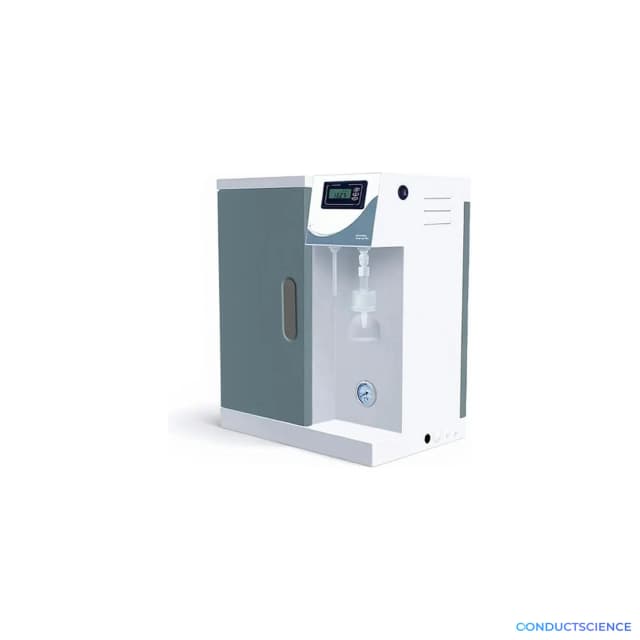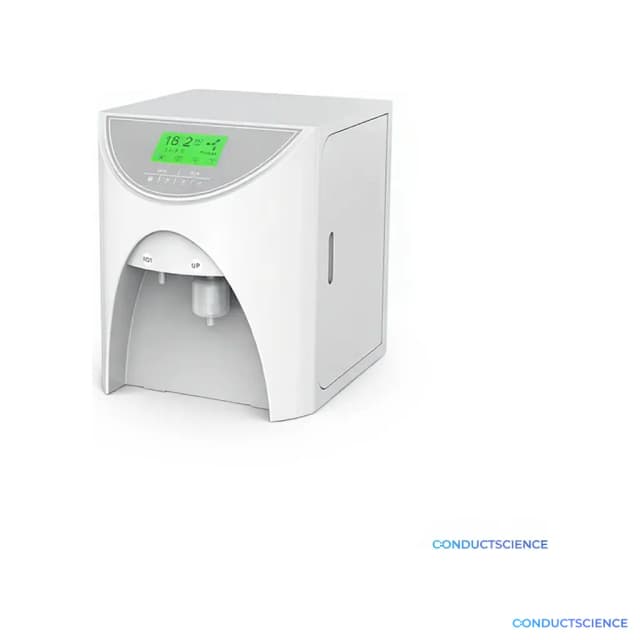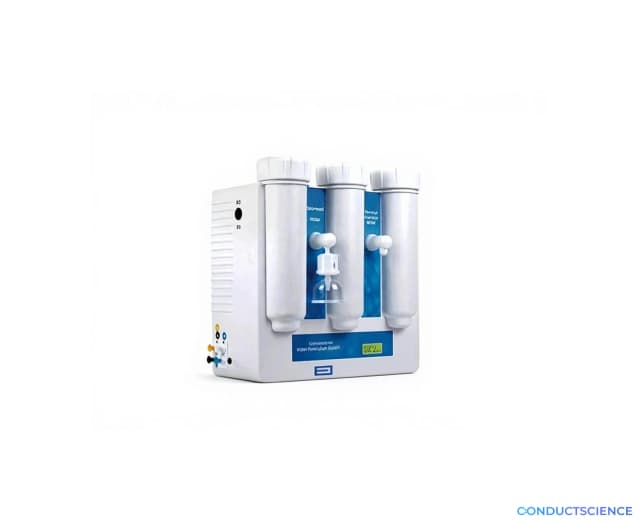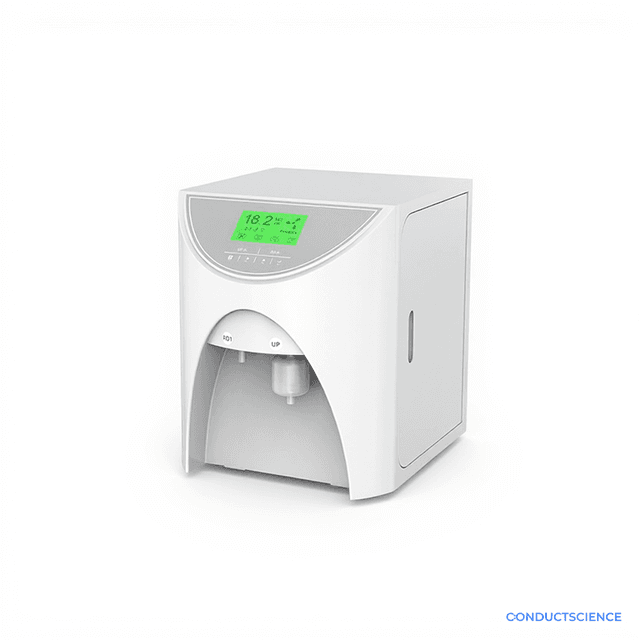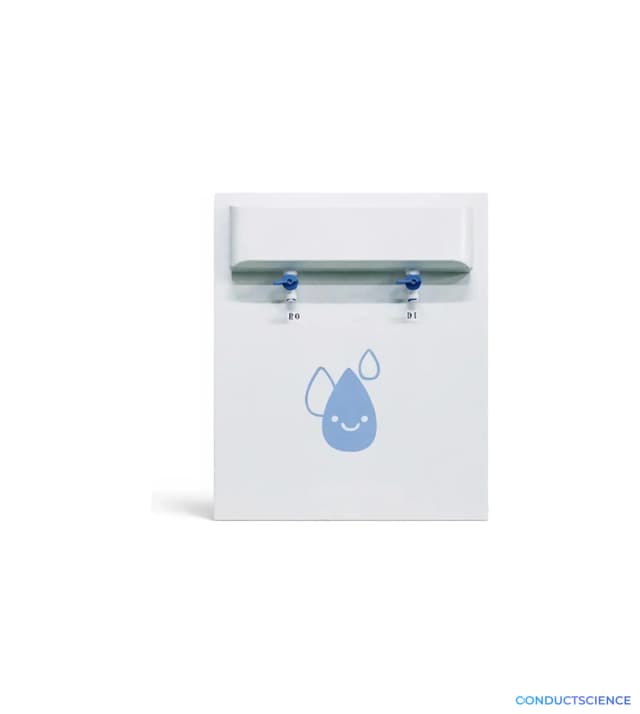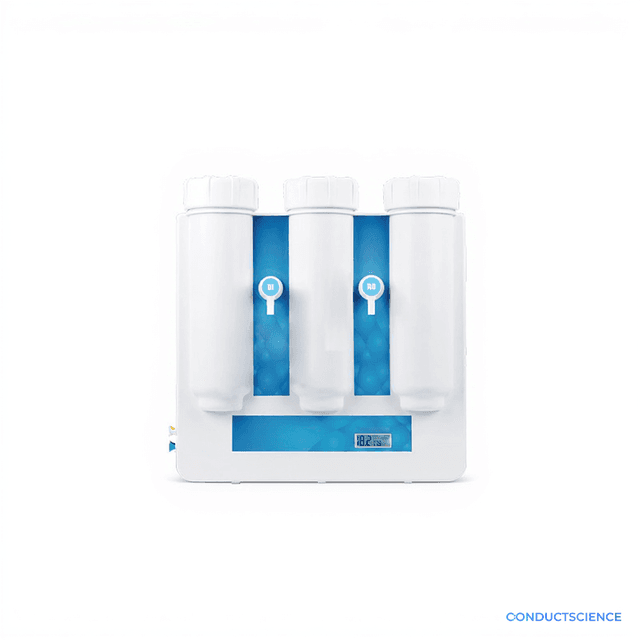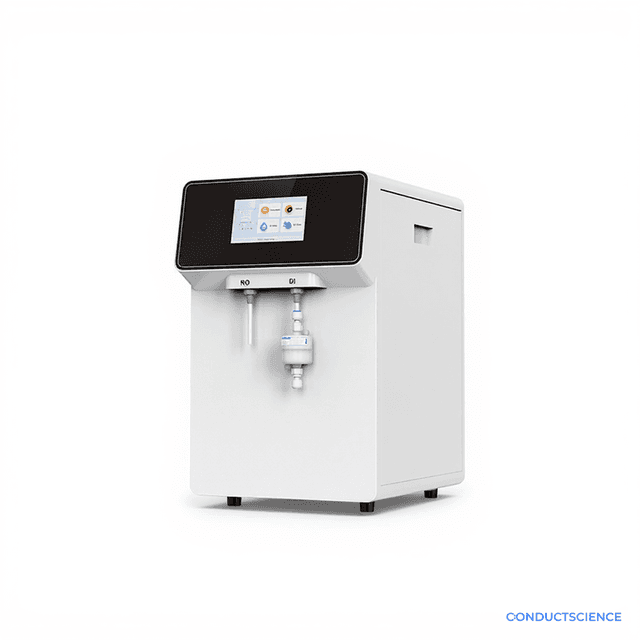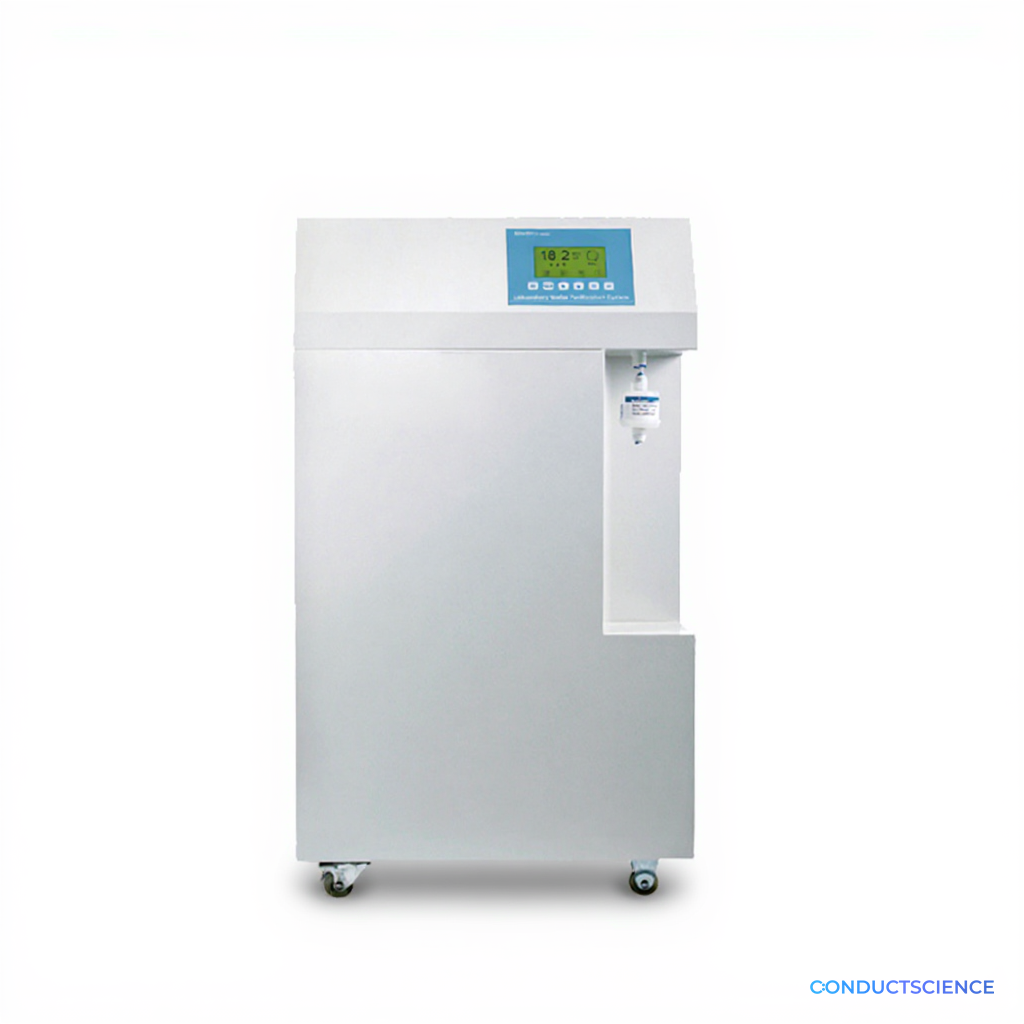
Water Purifier Medium Type(Automatic Ultra-pure Water) 45/63/94/125 L/H
Automated ultra-pure water generation system producing 45-125 L/H for laboratory applications requiring consistent water quality.

Louise Corscadden, PhD
Director of Science · ConductScience
Ask Louise about Water Purifier Medium Type(Automatic Ultra-pure Water) 45/63/94/125 L/H fit, setup, configuration, or quote prep.
Already working with us? Sign in to connect this with My Scientist.
Key Specifications
Full details →- Model fit
- Configured during quote
- SKU family
- BIO-0715
- Shipping box
- 111.0 x 64.0 x 54.0 cm
- Ordering
- Online checkout and quote request available
- Category
- Water Purifiers
- Build notes
- Confirm accessories, station layout, and support needs before purchase
The Water Purifier Medium Type is an automated ultra-pure water generation system designed for laboratory applications requiring consistent, high-quality water. This system provides continuous production of ultra-pure water at flow rates of 45, 63, 94, or 125 L/H, making it suitable for medium-scale laboratory operations. The automated operation minimizes manual intervention while maintaining water quality standards critical for analytical procedures, cell culture work, and instrument operation.
The system integrates multiple purification technologies in a compact footprint, measuring 111 × 64 × 54 cm. The automated control system monitors water quality parameters and purification processes, providing reliable ultra-pure water production for laboratories conducting sensitive analytical work, biological research, and quality control procedures requiring low ionic content and minimal organic contamination.
How It Works
The water purification system employs a multi-stage treatment process beginning with pre-filtration to remove particulates and chlorine. The water then passes through ion exchange resins that remove dissolved ionic species, followed by activated carbon filtration for organic compound removal. The final stage utilizes ultrafiltration or reverse osmosis technology to eliminate remaining contaminants and achieve ultra-pure water specifications.
Automated monitoring systems continuously assess water quality parameters including conductivity, total organic carbon, and bacterial count. The control system manages regeneration cycles for ion exchange resins and monitors filter performance, ensuring consistent water quality output. Flow rate regulation maintains steady production at the selected capacity while automated shutdown procedures protect the system during periods of non-use.
Features & Benefits
Automation Level
- fully-automated
Research Domain
- Analytical Chemistry
- Cell Biology
- Clinical Diagnostics
- Environmental Monitoring
- Microbiology
- Pharmaceutical QC
Shipping weight
- 90.0 lb
Shipping box
- L: 111.0 cm
- W: 64.0 cm
- H: 54.0 cm
| Feature | This Product | Typical Alternative | Advantage |
|---|---|---|---|
| Production Capacity | 45-125 L/H selectable flow rates | Entry-level systems often limited to 20-50 L/H | Higher capacity supports multiple simultaneous users and applications without water shortage delays. |
| Automation Level | Fully automated operation with monitoring | Manual systems require frequent operator intervention | Reduces labor requirements and maintains consistent quality without constant oversight. |
| Footprint Efficiency | 111 × 64 × 54 cm compact design | Large systems often require dedicated utility rooms | Fits in standard laboratory spaces while providing medium-scale production capacity. |
| Multi-Stage Purification | Integrated treatment technologies | Basic systems may use single-stage filtration | Comprehensive contaminant removal addresses diverse laboratory water quality requirements. |
| Flow Rate Flexibility | Four selectable production rates | Fixed-rate systems lack demand adjustment | Optimizes energy consumption and system wear based on actual laboratory requirements. |
This automated water purifier offers medium-scale production capacity with comprehensive purification technology in a laboratory-friendly footprint. The selectable flow rates and automated monitoring provide operational flexibility while maintaining ultra-pure water quality for analytical and research applications.
Practical Tips
Replace pre-filters according to the automated monitoring schedule to prevent downstream contamination.
Why: Pre-filter saturation reduces overall system efficiency and can compromise final water quality.
Use fresh production water for critical applications rather than stored water to minimize quality degradation.
Why: Ultra-pure water can absorb contaminants from storage containers and ambient air over time.
Verify water quality with independent conductivity and TOC measurements monthly during routine use.
Why: Independent verification ensures monitoring systems are functioning correctly and water meets specifications.
Check inlet water pressure if production rate decreases below selected setting.
Why: Insufficient inlet pressure can reduce system performance and trigger unnecessary maintenance alerts.
Document water quality results for critical analytical work to establish traceability for laboratory records.
Why: Water quality documentation supports analytical method validation and regulatory compliance requirements.
Ensure proper drainage capacity to handle regeneration and maintenance discharge volumes.
Why: Inadequate drainage can cause flooding and create safety hazards during automated cleaning cycles.
Setup Guide
What’s in the Box
- Water purification system main unit
- Power cord and electrical connections
- Water inlet and outlet fittings (typical)
- Drainage connections and tubing (typical)
- User manual and installation guide
- Water quality monitoring accessories (typical)
- Initial filtration cartridges (typical)
Warranty
ConductScience provides standard manufacturer warranty coverage for water purification systems, typically including one year of parts and technical support. Extended service agreements available for ongoing maintenance and consumable replacement programs.
Compliance
What water quality specifications does this system achieve?
Consult the product datasheet for specific conductivity, TOC, and bacterial count specifications. The system is designed to produce ultra-pure water meeting laboratory analytical requirements.
How often do filtration components require replacement?
Replacement frequency depends on incoming water quality and usage volume. The automated monitoring system indicates when filter performance degrades and replacement is needed.
Can the system operate continuously for 24-hour laboratory operations?
Yes, the automated design supports continuous operation with self-managing maintenance cycles. Monitor water quality parameters during extended use periods.
What electrical requirements does the system have?
Consult installation specifications for voltage, amperage, and grounding requirements. Ensure electrical supply matches system specifications before installation.
How does the system handle varying water demand throughout the day?
The multiple flow rate settings (45-125 L/H) can be adjusted based on laboratory demand. The system maintains water quality across the operating range.
What incoming water quality is required for optimal performance?
The system is designed to process standard municipal water supplies. Consult specifications for acceptable ranges of incoming water parameters including hardness and chlorine content.
How is water quality monitored during production?
Integrated monitoring systems continuously assess key parameters and provide alerts when specifications are not met. Regular verification with independent testing is recommended.
Have a question about this product?
Have a question? Just ask.
Send it over and we'll email you a personalized answer — no call, no scheduling.
Prefer to talk it through?
Upgrade Options