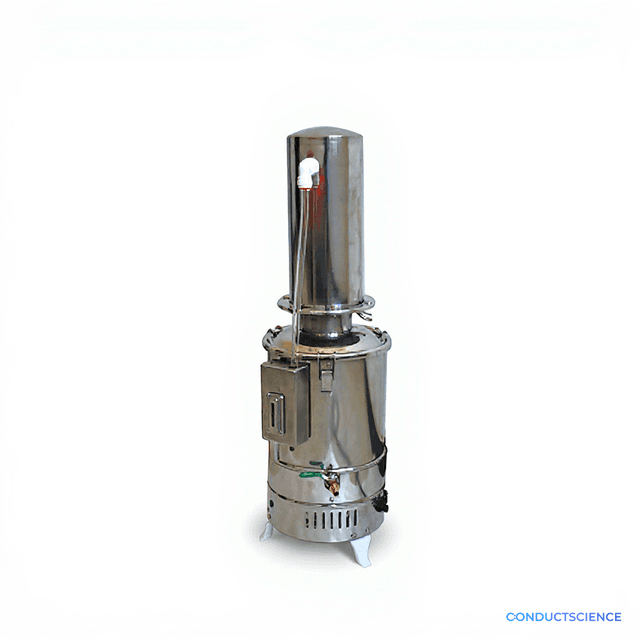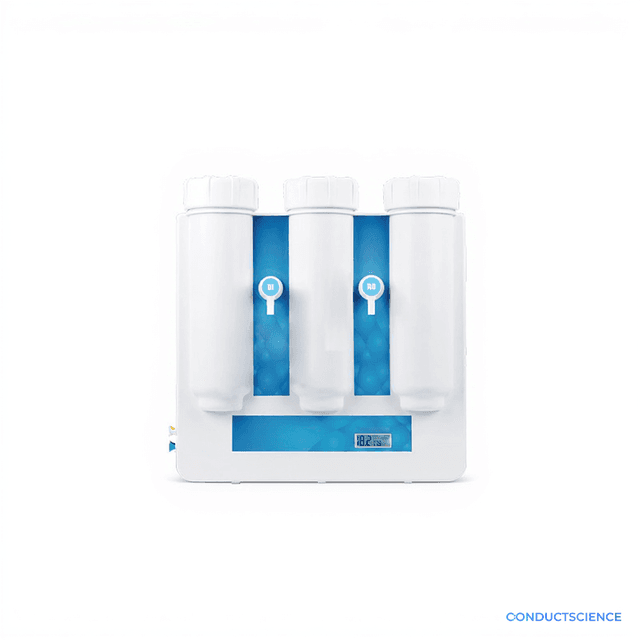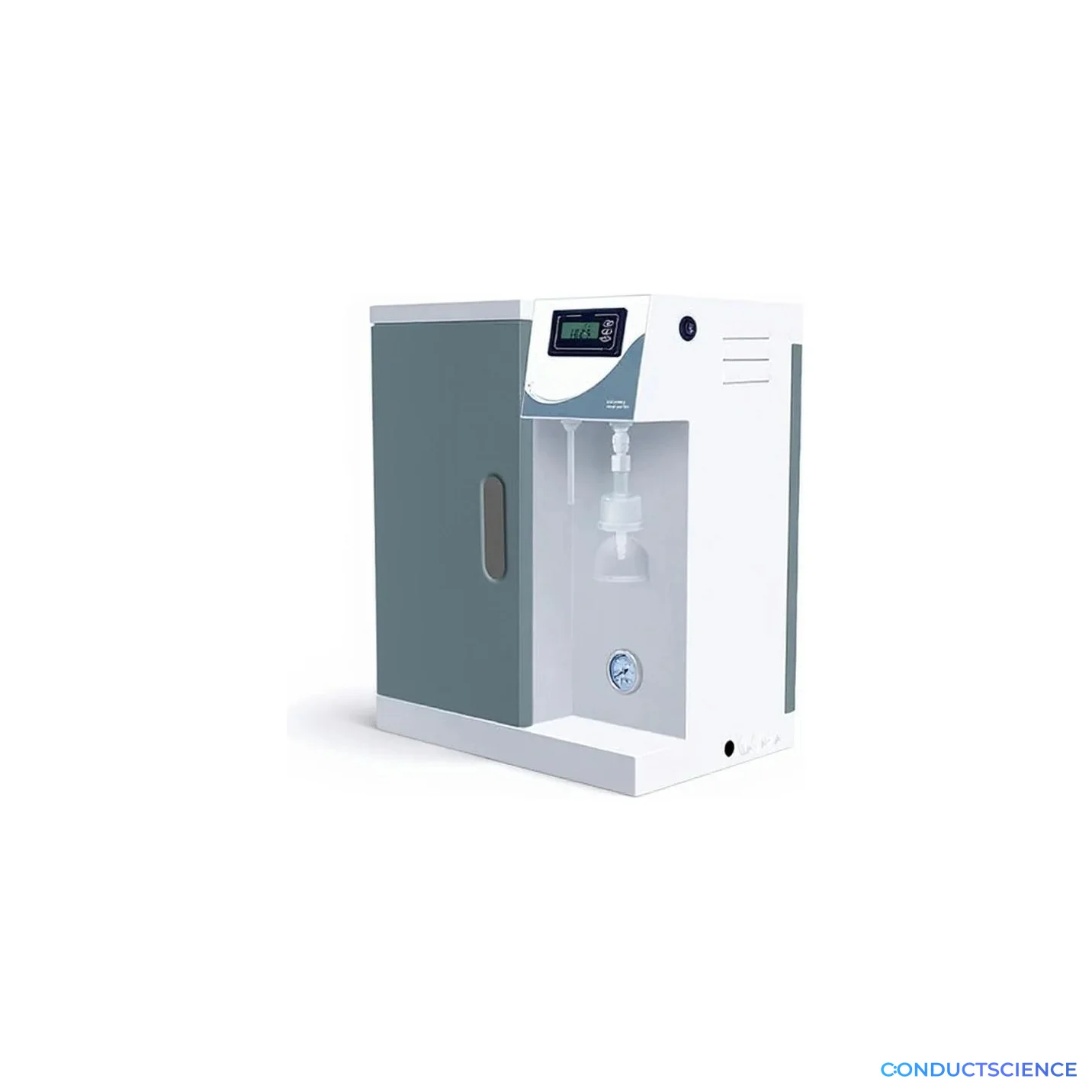
Water Purifier(Automatic RO/Ultra-pure Water)
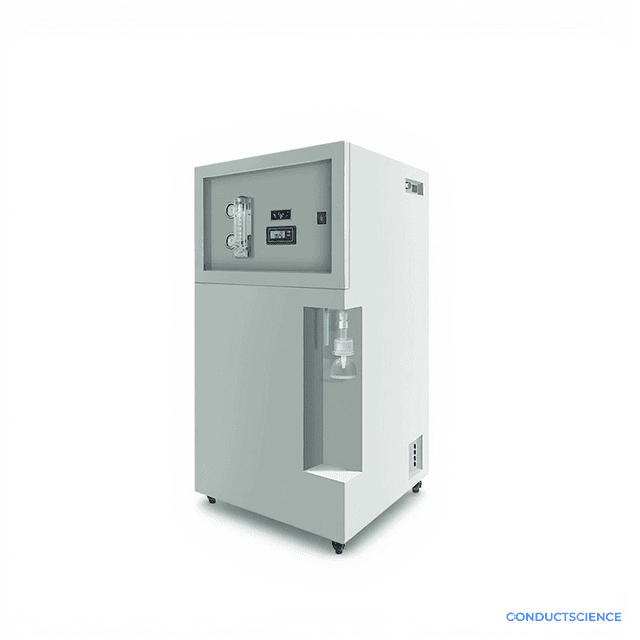
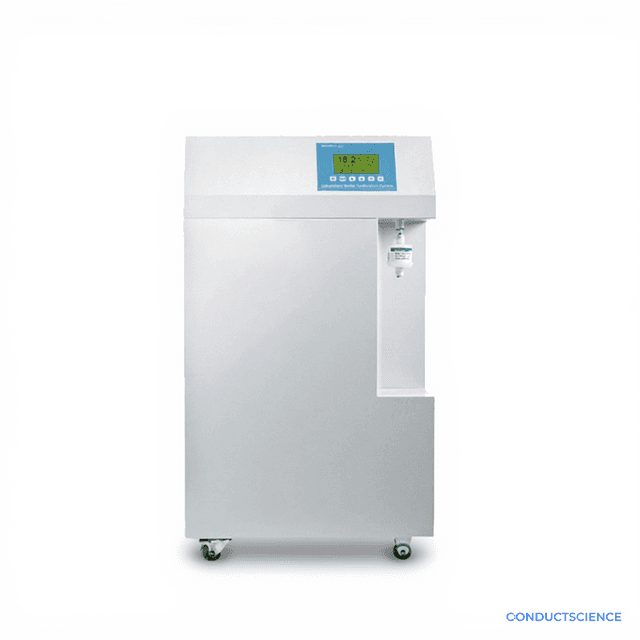
Benchtop reverse osmosis water purification system producing ultra-pure water for laboratory applications, featuring automated operation and compact 50 x 41 x 27 cm footprint.

Louise Corscadden, PhD
Director of Science · ConductScience
Ask Louise about Water Purifier(Automatic RO/Ultra-pure Water) fit, setup, configuration, or quote prep.
Already working with us? Sign in to connect this with My Scientist.
Key Specifications
Full details →- Model fit
- Configured during quote
- SKU family
- BIO-0726
- Shipping box
- 50.0 x 41.0 x 27.0 cm
- Ordering
- Online checkout and quote request available
- Category
- Water Purifiers
- Build notes
- Confirm accessories, station layout, and support needs before purchase
The Water Purifier (Automatic RO/Ultra-pure Water) is a reverse osmosis-based water purification system designed for laboratory applications requiring high-quality water. This compact benchtop unit combines reverse osmosis filtration with additional purification stages to remove ionic contaminants, organic compounds, and particulates from tap water feed sources.
The system operates automatically, monitoring water quality parameters and initiating regeneration cycles as needed to maintain consistent output specifications. With dimensions of 50 x 41 x 27 cm and weighing 40 kg, the unit is suitable for laboratory installations where space efficiency and reliable water quality are priorities. The automated operation reduces manual intervention while providing the ultra-pure water grades required for sensitive analytical procedures, reagent preparation, and equipment cleaning protocols.
How It Works
The system employs reverse osmosis (RO) membrane technology as the primary purification mechanism, where pressurized feed water is forced through a semipermeable membrane that rejects dissolved salts, organic molecules, and particulates. The RO membrane typically removes 95-99% of dissolved solids through size exclusion and charge repulsion mechanisms, producing permeate water with significantly reduced total dissolved solids (TDS) levels.
Additional purification stages may include pre-filtration for particulate removal, activated carbon adsorption for chlorine and organic compound reduction, and post-RO polishing steps such as mixed-bed deionization or UV sterilization. The automatic control system monitors key water quality parameters including conductivity, flow rate, and pressure differentials across membrane stages.
When water quality parameters exceed preset thresholds or after predetermined operating intervals, the system initiates automated cleaning and regeneration cycles. These may include membrane flushing, sanitization procedures, and resin bed regeneration to restore optimal purification performance and extend component life.
Features & Benefits
Automation Level
- fully-automated
Research Domain
- Analytical Chemistry
- Cell Biology
- Clinical Diagnostics
- Environmental Monitoring
- Microbiology
- Pharmaceutical QC
Shipping weight
- 40.0 lb
Shipping box
- L: 50.0 cm
- W: 41.0 cm
- H: 27.0 cm
| Feature | This Product | Typical Alternative | Advantage |
|---|---|---|---|
| Footprint Efficiency | 50 x 41 x 27 cm benchtop design | Larger floor-standing units often require 2-3x the footprint | Maximizes available laboratory bench space while providing point-of-use water production. |
| Operation Mode | Fully automated with monitoring and regeneration | Manual systems require operator intervention for maintenance cycles | Reduces labor requirements and ensures consistent water quality through automated performance management. |
| Purification Technology | Multi-stage RO with additional purification steps | Basic RO-only systems may lack secondary purification stages | Provides comprehensive contaminant removal for diverse analytical applications requiring ultra-pure water grades. |
| System Weight | 40 kg robust construction | Lightweight units may have less stable operation | Ensures stable operation with minimal vibration and movement during automated cycles. |
This system combines automated operation with compact benchtop design, providing reliable ultra-pure water production in a space-efficient package. The multi-stage purification process and robust 40 kg construction support continuous laboratory operation with minimal manual intervention.
Practical Tips
Verify conductivity meter calibration monthly using certified reference standards to ensure accurate water quality monitoring.
Why: Accurate conductivity measurement is essential for confirming purification performance and triggering maintenance cycles.
Replace pre-filters according to pressure differential readings rather than time intervals alone.
Why: Filter life varies significantly based on feed water quality, and pressure monitoring provides more accurate replacement timing.
Use first-draw water for equipment cleaning and save highest quality output for critical analytical procedures.
Why: Water quality can vary slightly during startup, and prioritizing usage optimizes both system performance and cost efficiency.
Monitor reject water flow rate as an early indicator of membrane fouling before quality parameters degrade.
Why: Flow rate changes often precede water quality issues and allow proactive maintenance before system shutdown.
Log daily water quality readings and correlate with laboratory analytical results to establish baseline performance trends.
Why: Historical data helps identify gradual performance changes and optimize maintenance schedules for consistent results.
Ensure proper drainage capacity for reject water flow during regeneration cycles to prevent overflow.
Why: Automated cleaning cycles can generate high-volume water discharge that may overwhelm inadequate drainage systems.
Install a bypass valve for feed water to enable system maintenance without disrupting other laboratory operations.
Why: Bypass capability allows continued water supply to other equipment during purifier maintenance or repair procedures.
Setup Guide
What’s in the Box
- Water purification main unit
- Power cable and electrical connections (typical)
- Water inlet and outlet fittings (typical)
- Drain line assembly (typical)
- User manual and installation guide (typical)
- Water quality test kit (typical)
- Replacement filter cartridges (typical)
Warranty
ConductScience provides a standard 1-year manufacturer warranty covering defects in materials and workmanship, with technical support available for installation guidance and operational questions.
Compliance
What water quality specifications does this system achieve for conductivity and total organic carbon?
Specific output water quality parameters including conductivity, TOC levels, and bacterial counts should be consulted from the product datasheet, as these vary depending on feed water conditions and purification stage configuration.
How often do the RO membrane and other consumable components require replacement?
Replacement intervals depend on feed water quality, usage volume, and operating conditions. The system's monitoring capabilities will indicate when performance degrades below acceptable thresholds requiring component replacement.
Can this system produce both RO water and ultra-pure water simultaneously?
The system configuration and available output ports should be verified from technical specifications, as some units provide multiple water grades while others focus on single ultra-pure output.
What are the minimum and maximum feed water pressure requirements?
Feed water pressure specifications are critical for proper RO membrane performance and should be confirmed from installation requirements, typically ranging from 15-80 psi for most laboratory RO systems.
Does the system include built-in sanitization capabilities for microbial control?
UV sterilization, ozone treatment, or chemical sanitization options should be verified from system specifications, as microbial control methods vary among different purification system designs.
What is the system's production rate and storage capacity for purified water?
Flow rate specifications and any integrated storage tank capacity should be consulted from technical documentation to ensure the system meets laboratory demand requirements.
Can the system be integrated with laboratory information management systems (LIMS)?
Data connectivity options including digital outputs, communication protocols, and software compatibility should be verified from system specifications for laboratory data management integration.
Have a question about this product?
Have a question? Just ask.
Send it over and we'll email you a personalized answer — no call, no scheduling.
Prefer to talk it through?
Upgrade Options