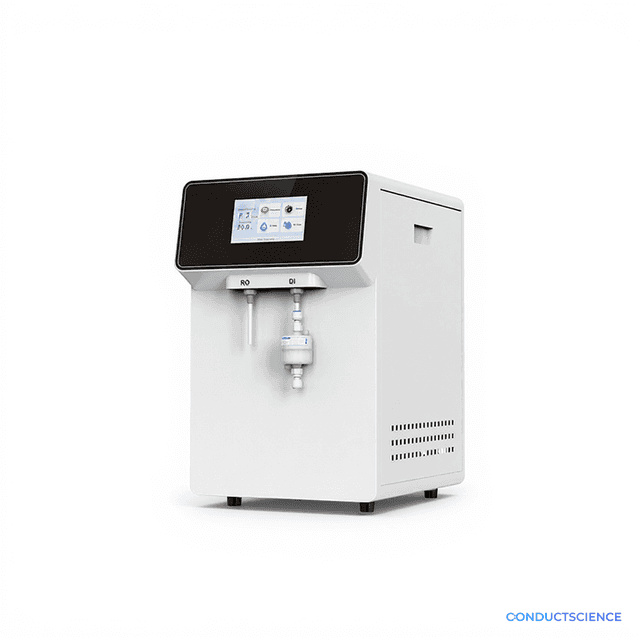
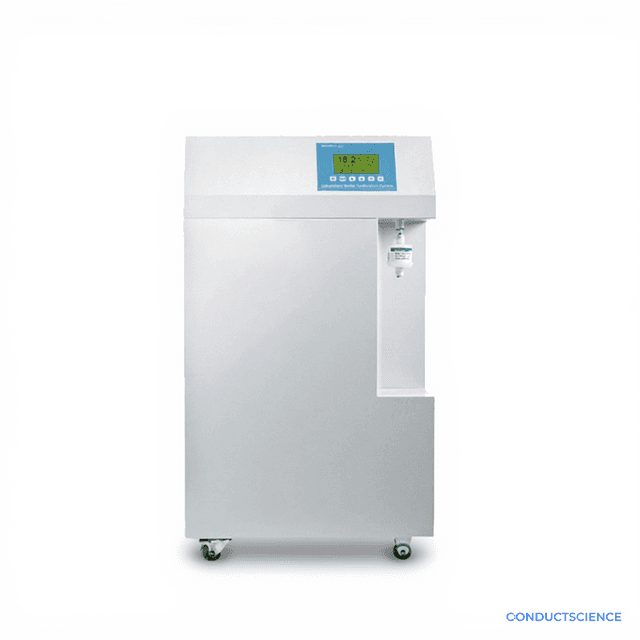
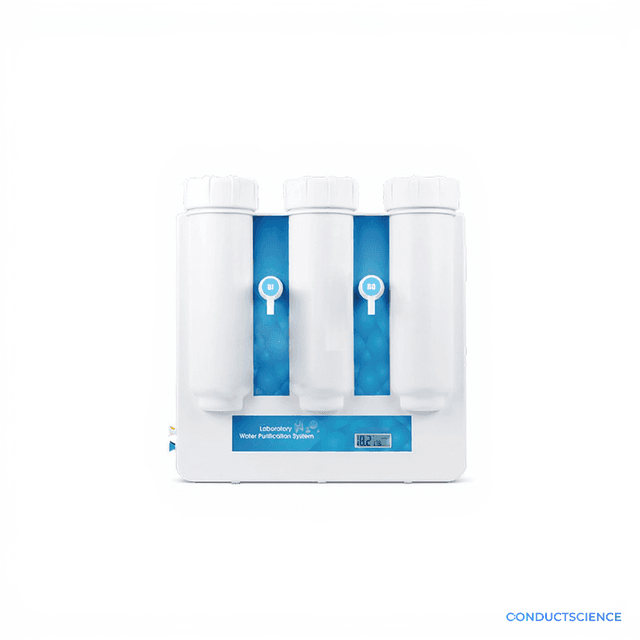
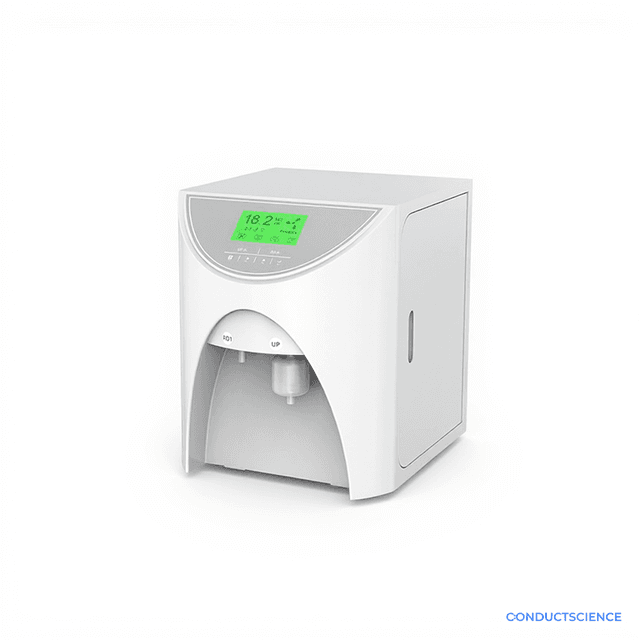
Water Purifier Laboratory 20L/H 30L/H 40L/H
Benchtop water purification system delivering 20-40L/H flow rates for laboratory applications requiring consistent water quality and contaminant removal.

Louise Corscadden, PhD
Director of Science · ConductScience
Ask Louise about Water Purifier Laboratory 20L/H 30L/H 40L/H fit, setup, configuration, or quote prep.
Already working with us? Sign in to connect this with My Scientist.
Key Specifications
Full details →- Model fit
- Configured during quote
- SKU family
- BIO-0723
- Shipping box
- 65.0 x 40.3 x 32.5 cm
- Ordering
- Online checkout and quote request available
- Category
- Water Purifiers
- Build notes
- Confirm accessories, station layout, and support needs before purchase
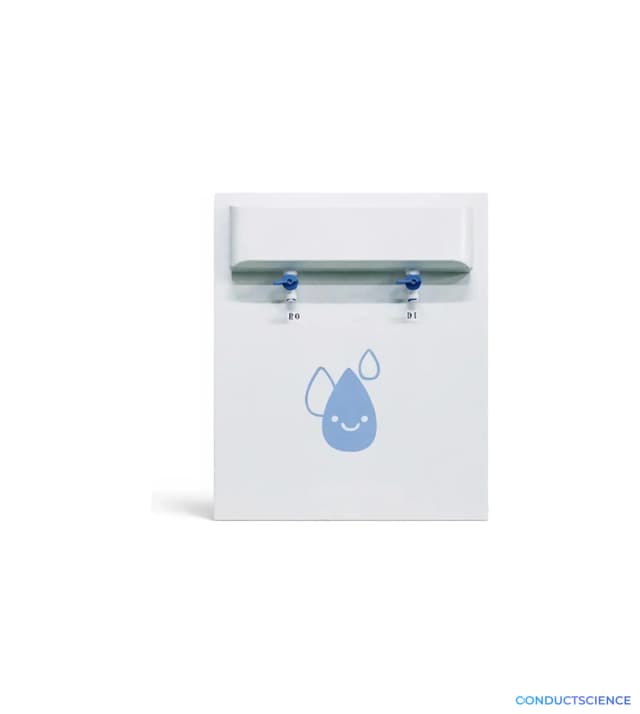
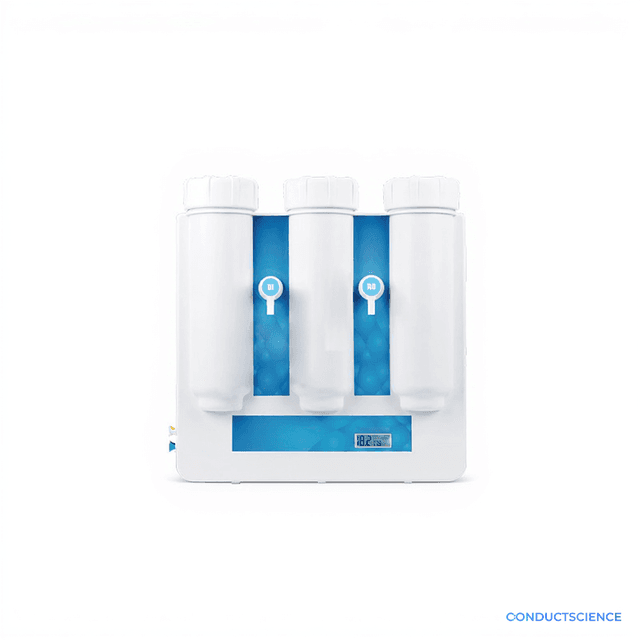
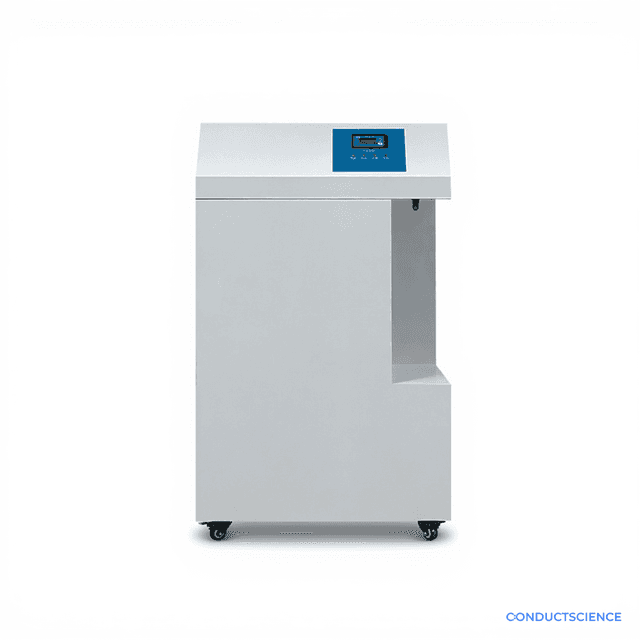
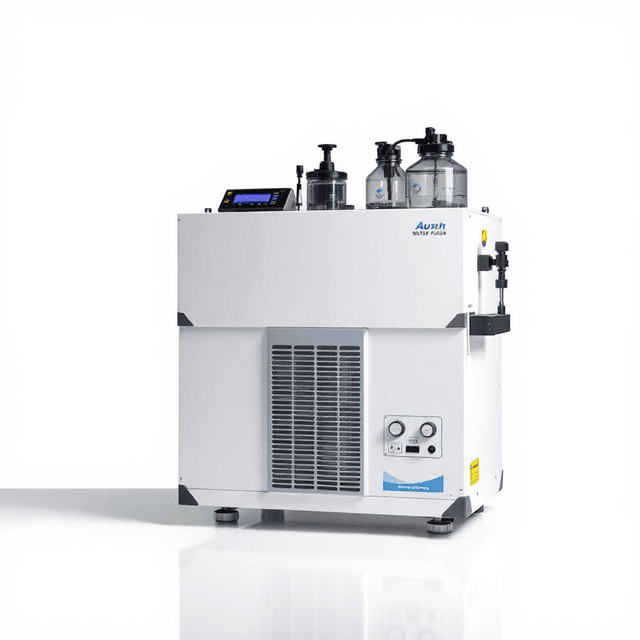
The Water Purifier Laboratory system provides reliable water treatment for research environments requiring consistent water quality. This benchtop purification system processes feed water through multiple filtration stages to remove contaminants, particulates, and dissolved impurities. Available in three flow rate configurations (20L/H, 30L/H, 40L/H), the system addresses varying laboratory volume requirements while maintaining compact footprint compatibility with standard laboratory benches.
The system integrates multiple purification technologies in a single housing, providing researchers with treated water suitable for analytical procedures, equipment operation, and experimental protocols. The modular design allows for customization based on specific water quality requirements, with real-time monitoring capabilities to ensure consistent output specifications.
How It Works
Water purification systems employ multiple filtration and adsorption technologies to remove contaminants through sequential treatment stages. Primary filtration removes suspended particles and sediments, while activated carbon adsorption eliminates chlorine, organic compounds, and taste/odor components. Ion exchange resins selectively remove dissolved ionic species, reducing conductivity and total dissolved solids.
Advanced purification stages may include reverse osmosis membranes that reject dissolved salts, bacteria, and pyrogens through semi-permeable barrier filtration. UV sterilization systems provide additional microbial control by disrupting DNA/RNA structures in pathogens. The combination of these technologies produces water meeting specific purity grades based on conductivity, total organic carbon, and microbial specifications.
Real-time monitoring systems track water quality parameters including conductivity, flow rate, and system pressure to ensure consistent output quality. Automatic shut-off mechanisms protect downstream equipment when water quality falls below specified thresholds.
Features & Benefits
Automation Level
- semi-automated
Research Domain
- Analytical Chemistry
- Cell Biology
- Clinical Diagnostics
- Environmental Monitoring
- Microbiology
- Pharmaceutical QC
Shipping weight
- 40.0 lb
Shipping box
- L: 65.0 cm
- W: 40.3 cm
- H: 32.5 cm
| Feature | This Product | Typical Alternative | Advantage |
|---|---|---|---|
| Flow Rate Options | Available in 20L/H, 30L/H, and 40L/H configurations | Entry-level systems often provide single fixed flow rate | Allows selection of capacity matching specific laboratory volume requirements without oversizing system |
| Footprint Efficiency | 65.0 x 40.3 cm benchtop footprint | Larger systems often require dedicated floor space or utility connections | Maximizes laboratory bench utilization while providing substantial water production capacity |
| Multi-Stage Design | Integrated filtration, adsorption, and monitoring technologies | Basic systems may use single filtration technology | Addresses diverse contaminant classes in single system without requiring multiple treatment devices |
| Real-Time Monitoring | Continuous quality parameter tracking with automatic protection | Manual testing or basic indicator systems | Provides immediate quality feedback and prevents delivery of substandard water to sensitive applications |
| Production Capacity | Up to 40L/H continuous operation | Lower capacity systems may require storage tanks for peak demand | Supports high-throughput applications and extended protocols without supply interruption |
The system offers scalable flow rates and compact design for laboratory environments requiring reliable water purification. Integrated monitoring and multi-stage treatment provide comprehensive contaminant removal with real-time quality assurance.
Practical Tips
Calibrate conductivity monitoring system monthly using certified reference standards to ensure accurate quality readings.
Why: Drift in conductivity sensors can lead to false quality readings and compromise water purity assessment.
Replace pre-filtration cartridges based on pressure differential rather than fixed schedules to optimize cartridge utilization.
Why: Pressure monitoring provides real-time indication of filtration capacity remaining rather than arbitrary time intervals.
Flush system for 2-3 minutes after extended shutdown periods before collecting water for critical applications.
Why: Stagnant water in distribution lines can accumulate contaminants that compromise initial output quality.
Monitor flow rate trends to identify gradual cartridge loading before complete failure occurs.
Why: Declining flow rate indicates increasing filtration resistance and allows proactive cartridge replacement.
Log water quality parameters at the point of use rather than system output to account for distribution system effects.
Why: Water quality can change between system output and final use point due to storage or distribution contamination.
Install appropriate drainage and leak detection around system to protect laboratory equipment from water damage.
Why: Water system failures can cause significant damage to sensitive analytical instruments and electrical systems.
Keep spare cartridge sets in stock and rotate inventory based on shelf life to ensure optimal performance.
Why: Aged filtration media may have reduced capacity or introduce contaminants into the purified water stream.
Document baseline performance parameters after installation to establish trends for predictive maintenance.
Why: Historical data enables identification of gradual performance changes that may not be apparent in daily operation.
Setup Guide
What’s in the Box
- Water purification system main unit
- Pre-filtration cartridge set (typical)
- Power supply and electrical connections (typical)
- Water inlet and outlet tubing (typical)
- Installation hardware and fittings (typical)
- User manual and operating instructions (typical)
- Water quality test kit (typical)
Warranty
ConductScience provides a standard one-year manufacturer warranty covering defects in materials and workmanship. Technical support is available for installation guidance, troubleshooting, and routine maintenance procedures.
Compliance
References
Background reading relevant to this product:
What water quality parameters are monitored in real-time?
Typical monitoring includes conductivity, flow rate, and system pressure. Specific parameters and acceptable ranges should be confirmed in the product datasheet for your selected model.
How frequently do purification cartridges require replacement?
Cartridge lifespan depends on feed water quality and usage volume. Monitor water quality indicators and replace cartridges when performance parameters fall below specifications, typically every 6-12 months in normal use.
Can the system handle variations in municipal water supply?
The multi-stage design accommodates typical municipal water variations. Pre-filtration stages remove chlorine and particulates while ion exchange handles dissolved solids fluctuations common in city water supplies.
What is the minimum water pressure required for operation?
Operating pressure requirements should be verified in the technical specifications. Most laboratory purification systems require 30-80 psi inlet pressure for optimal performance.
Is the system suitable for continuous 24/7 operation?
Yes, the system supports continuous operation for high-throughput laboratories. Monitor cartridge performance regularly and maintain adequate preventive maintenance schedules for extended operation.
What data logging capabilities are available?
Data logging features vary by model configuration. Consult product specifications for available monitoring outputs and data recording options for quality documentation.
How does this system compare to distillation or reverse osmosis alternatives?
Multi-stage purification provides faster production rates than distillation while achieving comparable purity levels. More cost-effective than standalone RO systems for moderate volume requirements with integrated monitoring.
Have a question about this product?
Have a question? Just ask.
Send it over and we'll email you a personalized answer — no call, no scheduling.
Prefer to talk it through?
Upgrade Options