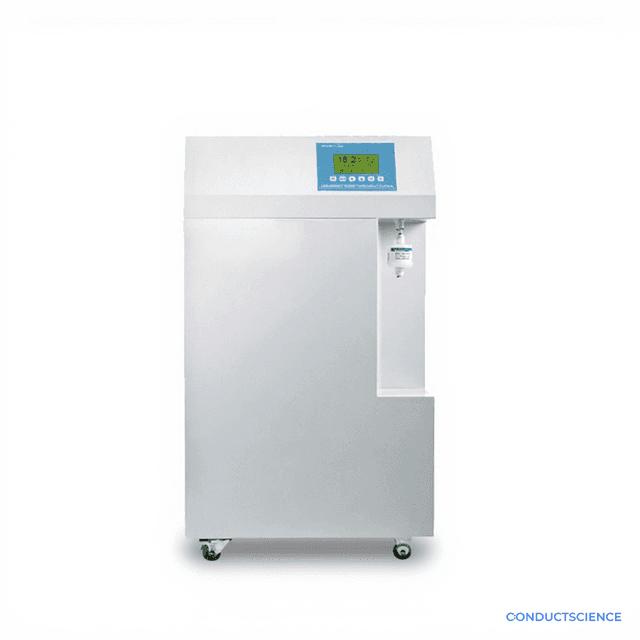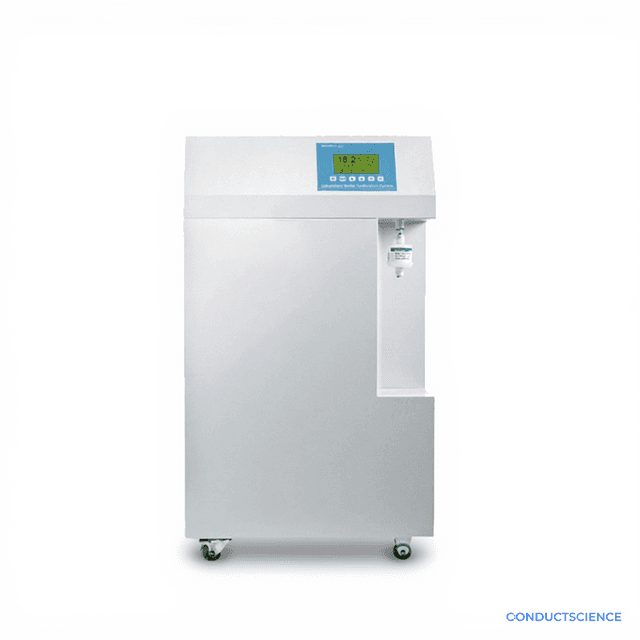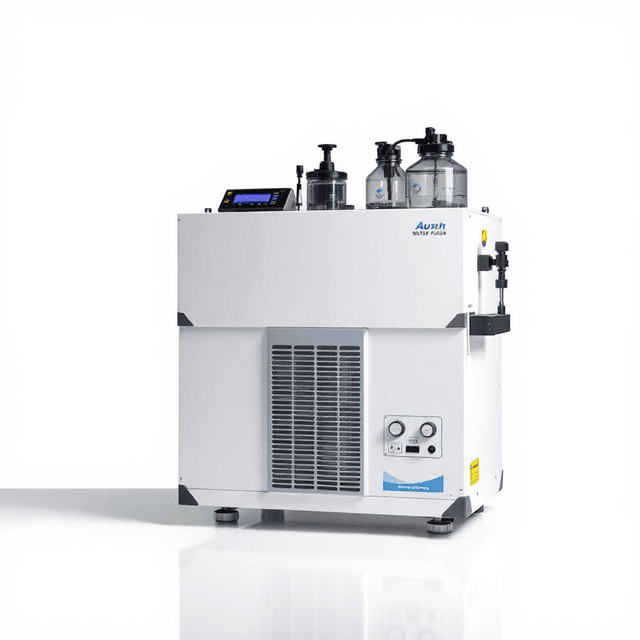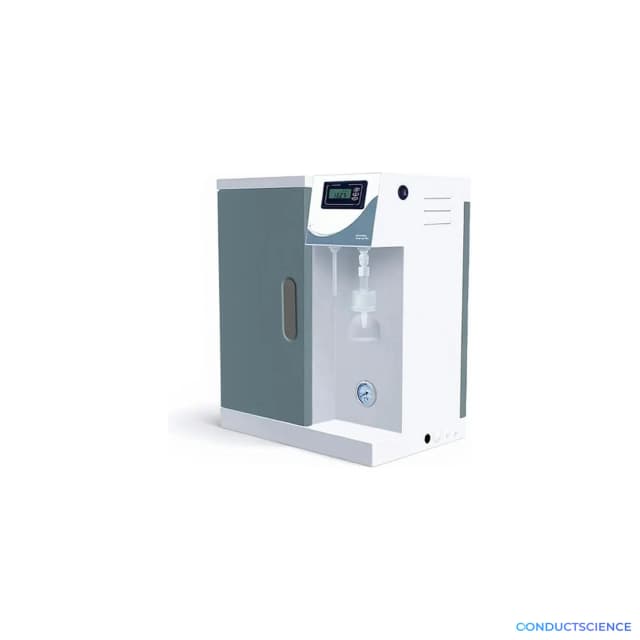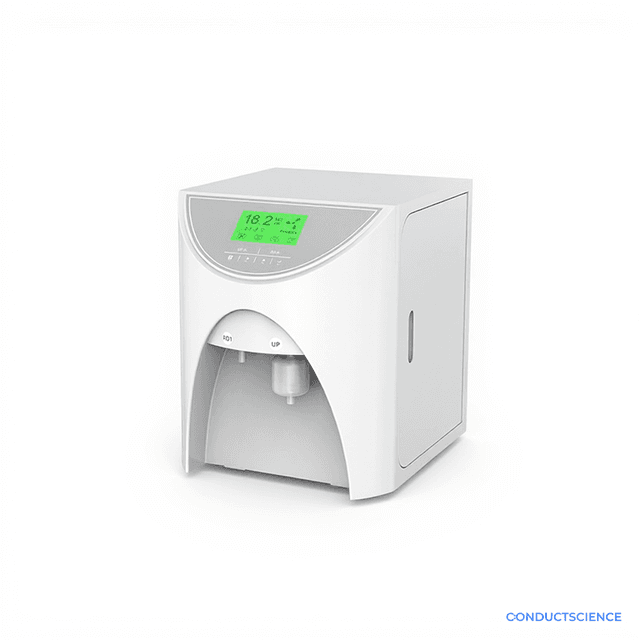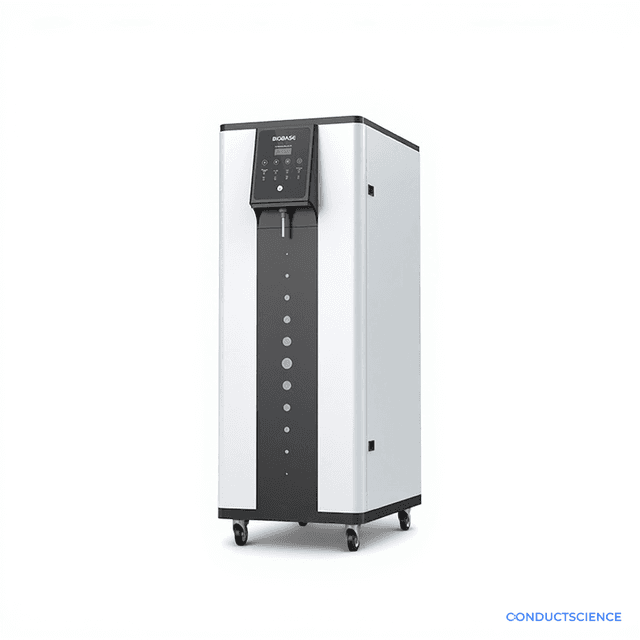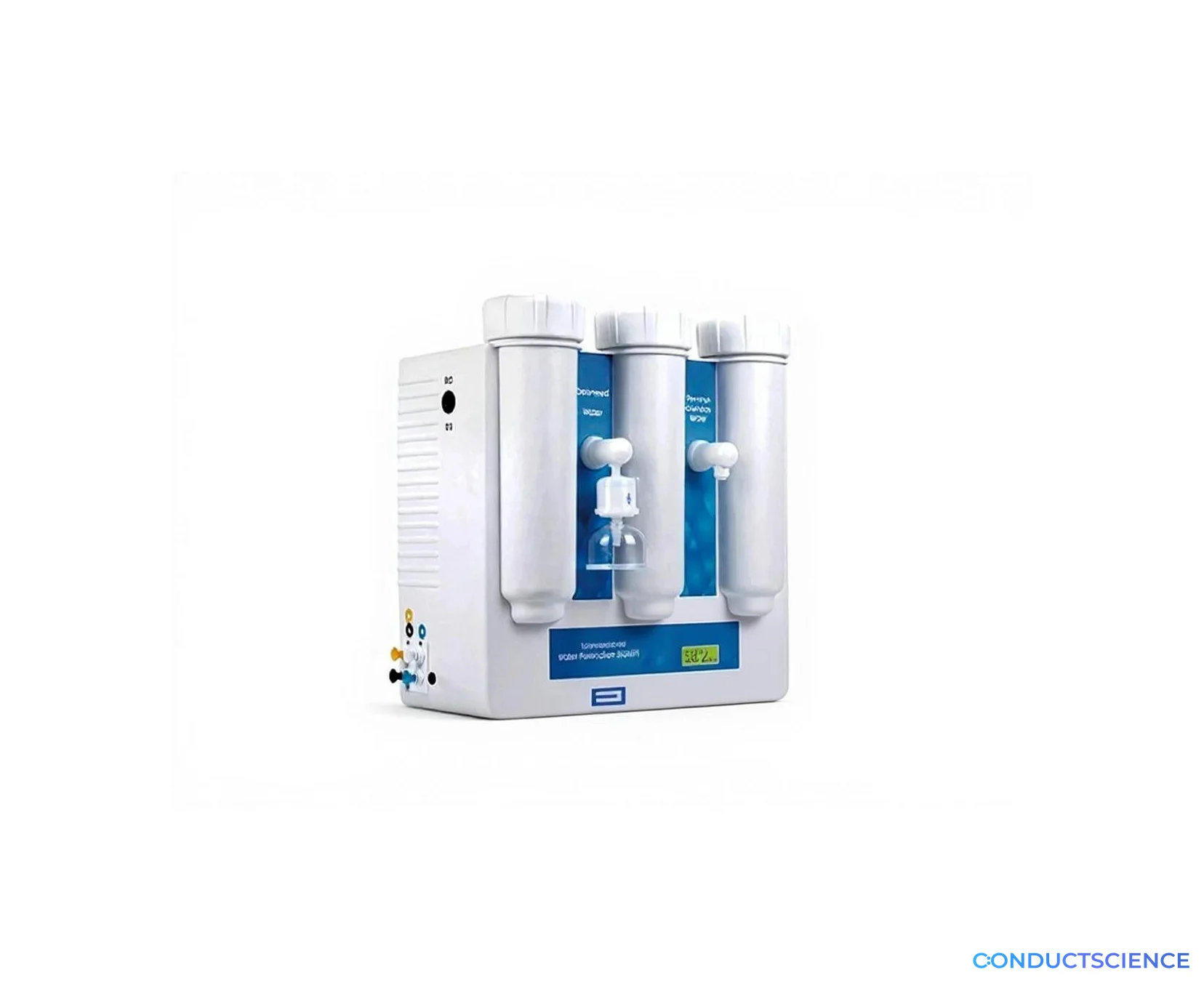
Water Purifier(Automatic RO/DI Water) 15L/H 30L/H
Automated RO/DI water purification system delivering 15L/H or 30L/H of laboratory-grade ultrapure water through multi-stage reverse osmosis and deionization processes.

Louise Corscadden, PhD
Director of Science · ConductScience
Ask Louise about Water Purifier(Automatic RO/DI Water) 15L/H 30L/H fit, setup, configuration, or quote prep.
Already working with us? Sign in to connect this with My Scientist.
Key Specifications
Full details →- Model fit
- Configured during quote
- SKU family
- BIO-0710
- Shipping box
- 42.0 x 41.0 x 22.0 cm
- Ordering
- Online checkout and quote request available
- Category
- Water Purifiers
- Build notes
- Confirm accessories, station layout, and support needs before purchase
This automated reverse osmosis/deionization (RO/DI) water purification system delivers laboratory-grade ultrapure water at flow rates of 15L/H or 30L/H. The system employs multi-stage filtration combining reverse osmosis membrane technology with ion exchange resins to remove dissolved solids, organic contaminants, and ionic species from source water. Designed for continuous operation in research facilities, the unit maintains consistent water quality through automated monitoring and regeneration cycles.
The compact benchtop design integrates pre-filtration, RO membrane processing, and final polishing stages in a single housing. Real-time conductivity monitoring ensures water quality meets laboratory specifications, while automated shut-off prevents system operation when quality parameters exceed acceptable limits. The system is suitable for applications requiring Type I or Type II water quality for analytical procedures, cell culture media preparation, and instrument operation.
How It Works
The system operates through sequential purification stages beginning with pre-filtration to remove particulates and chlorine that could damage downstream components. Source water is then pressurized and forced through a semi-permeable reverse osmosis membrane that rejects dissolved salts, organics, and microorganisms based on molecular size exclusion. The RO permeate typically achieves 95-99% rejection of dissolved solids.
Following RO treatment, water passes through mixed-bed ion exchange resins that remove residual ionic species through cation and anion exchange processes. The deionization stage polishes the water to achieve resistivity levels approaching 18.2 MΩ·cm. Continuous conductivity monitoring provides real-time feedback on water quality, with automated system shutdown when conductivity exceeds preset limits indicating resin exhaustion or membrane fouling.
The automated operation includes periodic backwashing cycles to maintain membrane efficiency and resin bed integrity. Flow rate regulation ensures consistent production capacity while maintaining optimal contact time for effective purification across all treatment stages.
Features & Benefits
Automation Level
- fully-automated
Research Domain
- Analytical Chemistry
- Cell Biology
- Clinical Diagnostics
- Environmental Monitoring
- Microbiology
- Pharmaceutical QC
Shipping weight
- 35.0 lb
Shipping box
- L: 42.0 cm
- W: 41.0 cm
- H: 22.0 cm
| Feature | This Product | Typical Alternative | Advantage |
|---|---|---|---|
| Production Capacity | 15L/H or 30L/H selectable flow rates | Entry-level systems often limited to single flow rates | Allows optimization of production capacity to match laboratory demand patterns while minimizing waste. |
| Footprint Requirements | Compact 42 × 41 × 22 cm benchtop design | Larger floor-standing units require dedicated space | Enables point-of-use installation in space-constrained laboratory environments. |
| Operation Mode | Fully automated with continuous monitoring | Manual systems require operator intervention for quality checks | Reduces operator workload and ensures consistent water quality without manual oversight. |
| Quality Monitoring | Real-time conductivity monitoring with automatic shutdown | Basic systems may lack continuous monitoring capabilities | Provides immediate feedback on water quality and prevents use of substandard water. |
This system combines automated operation with flexible production rates in a space-efficient design. The integrated monitoring and control systems provide reliable water quality assurance suitable for diverse laboratory applications requiring consistent ultrapure water supply.
Practical Tips
Verify conductivity probe calibration monthly using standard reference solutions to ensure accurate quality monitoring.
Why: Probe drift can lead to false quality readings and inappropriate system shutdowns.
Monitor system pressure differentials across treatment stages to identify fouling or membrane degradation before quality issues develop.
Why: Pressure changes indicate component condition and help schedule preventive maintenance.
Run initial water to drain for 2-3 minutes after periods of non-use to flush stagnant water from distribution lines.
Why: Stagnant water may contain elevated bacterial counts or leached contaminants from system components.
Check feed water pressure and pre-filter condition if production rate drops below specification.
Why: Inadequate supply pressure or clogged pre-filters are common causes of reduced system performance.
Record daily conductivity readings and production volumes to establish baseline performance trends.
Why: Trending data helps predict maintenance needs and identifies gradual performance degradation.
Ensure proper air gap in drain line installation to prevent potential backflow contamination.
Why: Backflow from waste drains can introduce contaminants that compromise the entire purification system.
Replace pre-filters based on pressure drop rather than fixed time intervals for optimal system protection.
Why: Filter life varies significantly with source water quality and replacement based on performance is more effective.
Setup Guide
What’s in the Box
- RO/DI water purification unit (typical)
- Power cord and adapter (typical)
- Feed water connection kit (typical)
- Drain line tubing (typical)
- Conductivity probe and mounting hardware (typical)
- User manual and operation guide (typical)
- System startup checklist (typical)
Warranty
ConductScience provides standard manufacturer warranty coverage including technical support for installation guidance and operational troubleshooting. Extended service plans and on-site maintenance contracts are available for high-volume laboratory installations.
Compliance
What water quality levels can this system achieve in terms of conductivity and total organic carbon?
Water quality specifications including conductivity targets and TOC levels depend on configuration and source water conditions. Consult product datasheet for specific performance parameters and expected output quality ranges.
How frequently do the RO membrane and DI resins require replacement?
Replacement intervals depend on source water quality, usage volume, and operating conditions. Typical membrane life ranges 1-3 years while resin replacement frequency varies from 6 months to 2 years based on throughput and feed water characteristics.
Can the system operate continuously or does it require downtime for regeneration?
The system is designed for continuous operation with automated maintenance cycles. Brief interruptions may occur during automatic backwashing or when quality limits trigger protective shutdown, but normal operation resumes automatically.
What are the minimum feed water pressure and quality requirements?
Consult installation manual for specific feed water pressure ranges and pre-treatment requirements. Most municipal water supplies are suitable, though high chlorine or hardness levels may require additional pre-filtration.
How does the system indicate when maintenance is required?
Real-time conductivity monitoring provides continuous quality assessment, with automated alerts when parameters exceed acceptable ranges indicating need for membrane or resin service.
Can production rate be adjusted between 15L/H and 30L/H during operation?
Flow rate capability depends on system configuration. Consult product specifications to determine if rate adjustment is available or if models are fixed at either 15L/H or 30L/H capacity.
What data logging or connectivity options are available for quality monitoring?
Data output capabilities including digital interfaces, analog outputs, or network connectivity options vary by model. Refer to technical specifications for available monitoring and data management features.
Have a question about this product?
Have a question? Just ask.
Send it over and we'll email you a personalized answer — no call, no scheduling.
Prefer to talk it through?
Upgrade Options