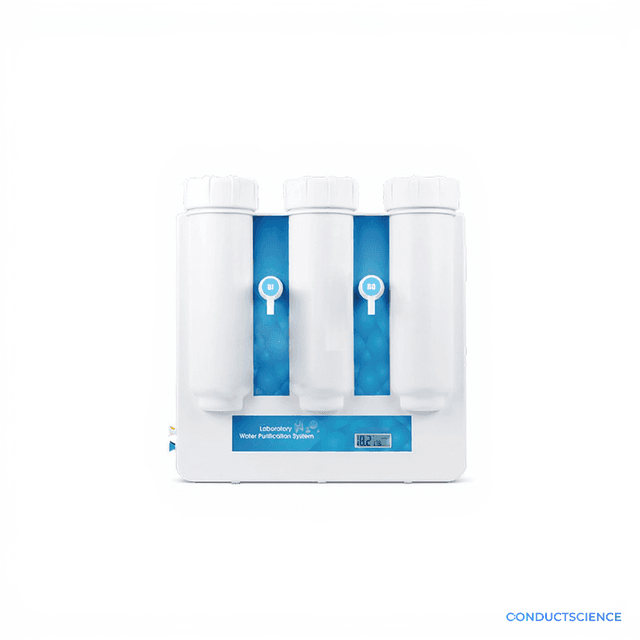
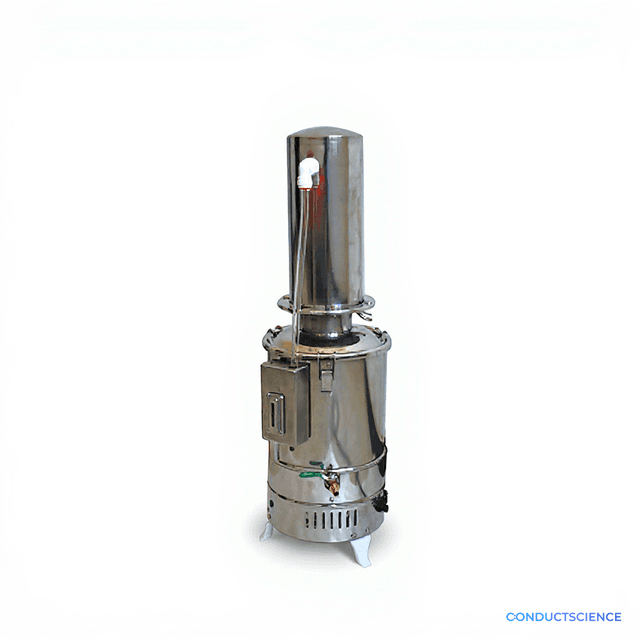
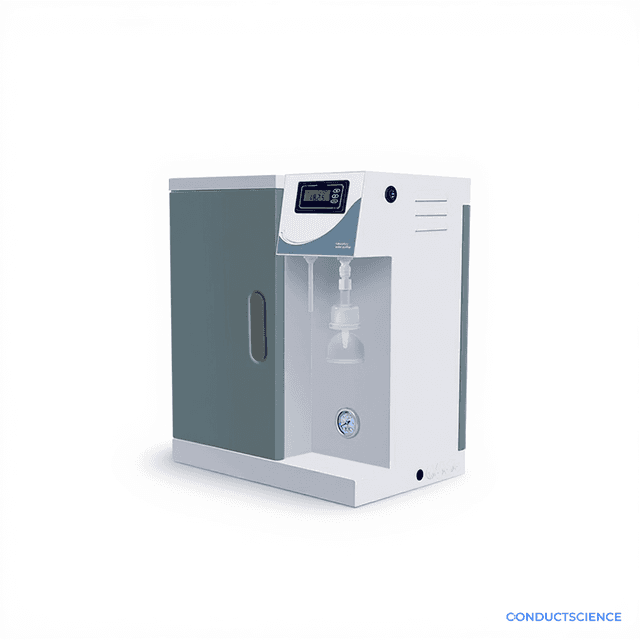
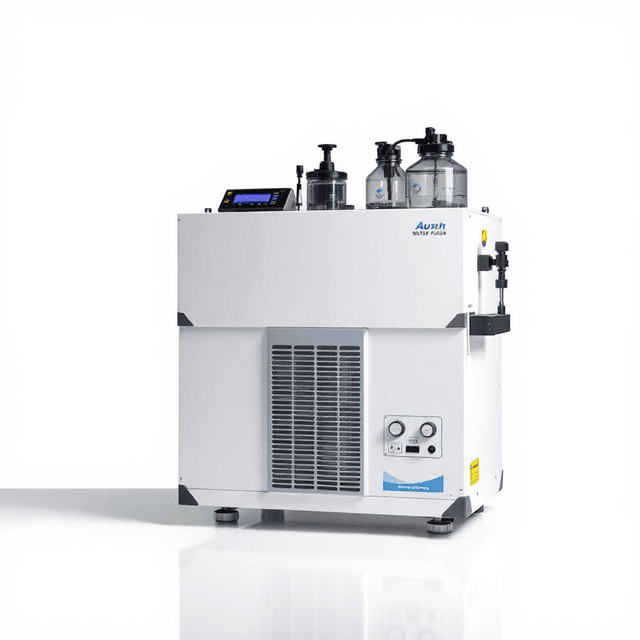
Water Softener 500L 1000L 2000L
Laboratory water softening system available in 500L, 1000L, and 2000L capacities for removing hardness minerals from research and analytical water supplies.

Louise Corscadden, PhD
Director of Science · ConductScience
Ask Louise about Water Softener 500L 1000L 2000L fit, setup, configuration, or quote prep.
Already working with us? Sign in to connect this with My Scientist.
Key Specifications
Full details →- Model fit
- Configured during quote
- SKU family
- BIO-0724
- Shipping box
- 61.0 x 50.0 x 27.0 cm
- Ordering
- Online checkout and quote request available
- Category
- Water Purifiers
- Build notes
- Confirm accessories, station layout, and support needs before purchase
The Water Softener 500L 1000L 2000L is a laboratory-grade water treatment system designed for removing hardness-causing minerals from water used in research and analytical applications. This ion exchange-based system effectively reduces calcium, magnesium, and other multivalent cations that can interfere with experimental protocols, analytical measurements, and equipment operation.
The system provides multiple capacity options to accommodate different laboratory scales, from small research groups to high-throughput facilities. Its compact footprint and straightforward operation make it suitable for integration into existing laboratory infrastructure where consistent water quality is critical for reproducible results.
How It Works
The water softener operates on the principle of ion exchange using synthetic resin beads loaded with sodium ions. As hard water passes through the resin bed, calcium and magnesium ions are preferentially exchanged for sodium ions due to the higher affinity of the resin for divalent cations. This process effectively removes the minerals responsible for water hardness while maintaining overall ionic balance.
The resin bed requires periodic regeneration with a concentrated sodium chloride solution to restore the sodium ion capacity. During regeneration, the accumulated hardness ions are displaced from the resin and flushed from the system, returning the bed to its original sodium-loaded state. The automated or manual regeneration cycle ensures consistent water softening performance over extended operation periods.
Features & Benefits
Automation Level
- manual
Research Domain
- Analytical Chemistry
- Environmental Monitoring
- Industrial Hygiene
- Materials Science
- Microbiology
- Pharmaceutical QC
Shipping weight
- 15.0 lb
Shipping box
- L: 61.0 cm
- W: 50.0 cm
- H: 27.0 cm
| Feature | This Product | Typical Alternative | Advantage |
|---|---|---|---|
| Capacity Options | Available in 500L, 1000L, and 2000L configurations | Many systems offer single fixed capacity | Allows laboratories to select optimal capacity for their specific throughput requirements |
| Footprint | Compact 61 x 50 x 27 cm dimensions | Larger systems often require more floor space | Maximizes laboratory space utilization while providing effective water treatment |
| Weight | 15 kg total weight | Industrial units typically much heavier | Facilitates installation and repositioning in laboratory environments |
| Technology | Ion exchange resin system | Some alternatives use membrane-based processes | Provides proven, reliable hardness removal with straightforward regeneration |
This water softener offers flexible capacity sizing with laboratory-optimized dimensions and weight. The ion exchange technology provides reliable hardness removal with regenerable operation for long-term use.
Practical Tips
Establish baseline hardness measurements for both influent and effluent water to track system performance.
Why: Quantitative monitoring enables precise determination of regeneration timing and system efficiency.
Inspect and clean the brine tank regularly to prevent salt bridging and ensure proper regeneration.
Why: Salt bridging prevents effective regeneration solution preparation and reduces softening capacity.
Monitor water temperature as elevated temperatures can affect resin performance and capacity.
Why: Temperature impacts ion exchange kinetics and resin stability over long-term operation.
If softened water quality degrades rapidly, check for resin bed channeling or inadequate backwashing.
Why: Channeling reduces contact time while poor backwashing leaves contaminants that reduce capacity.
Record regeneration dates, salt consumption, and water quality measurements for performance trending.
Why: Historical data helps optimize regeneration frequency and identify declining performance trends.
Ensure adequate ventilation when handling regeneration chemicals and wear appropriate PPE.
Why: Salt solutions can be corrosive and concentrated brine poses slip hazards during regeneration procedures.
Use softened water for final system rinse after regeneration to remove residual sodium chloride.
Why: Thorough rinsing prevents high sodium levels in treated water that could interfere with analytical procedures.
Periodically sample and analyze the resin bed for physical integrity and exchange capacity.
Why: Resin degradation over time reduces effectiveness and may require bed replacement or supplementation.
Setup Guide
What’s in the Box
- Water softener main unit (typical)
- Resin media (typical)
- Plumbing connections and fittings (typical)
- Installation and operation manual (typical)
- Regeneration salt kit (typical)
Warranty
ConductScience provides a standard one-year manufacturer warranty covering defects in materials and workmanship, with technical support available for installation and operational guidance.
Compliance
References
Background reading relevant to this product:
What hardness levels can this system effectively reduce?
The system can handle typical laboratory water hardness levels, but specific input/output hardness ranges should be confirmed in the product datasheet for your particular application requirements.
How frequently does the resin require regeneration?
Regeneration frequency depends on input water hardness, flow rate, and total throughput. Monitor effluent quality and regenerate when hardness breakthrough occurs, typically indicated by increasing calcium/magnesium levels.
Can this system handle chlorinated municipal water?
Standard ion exchange resins can typically handle chlorinated water, but pre-treatment may be beneficial for extended resin life. Consult the technical specifications for chlorine tolerance limits.
What is the expected resin bed life?
Resin life varies with water quality, regeneration practices, and operational conditions. Properly maintained beds can provide several years of service with periodic replacement as performance declines.
How do I monitor system performance?
Monitor softened water hardness using calcium/magnesium test kits or conductivity measurements. Establish baseline values and track changes to determine regeneration timing.
What type of salt is required for regeneration?
Use high-purity sodium chloride (salt) specifically designed for water softener regeneration. Avoid rock salt or other additives that may contaminate the resin bed.
Can this unit provide ultrapure water?
This system specifically targets hardness removal. For ultrapure applications, additional treatment stages such as deionization or reverse osmosis may be required downstream.
Have a question about this product?
Have a question? Just ask.
Send it over and we'll email you a personalized answer — no call, no scheduling.
Prefer to talk it through?