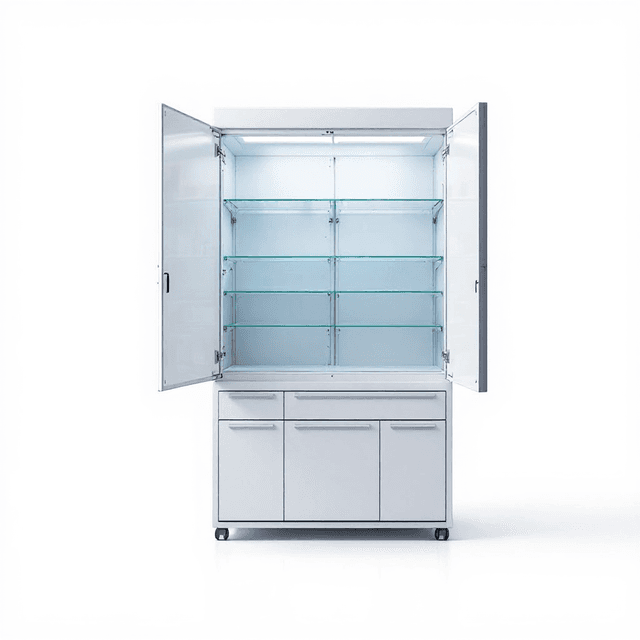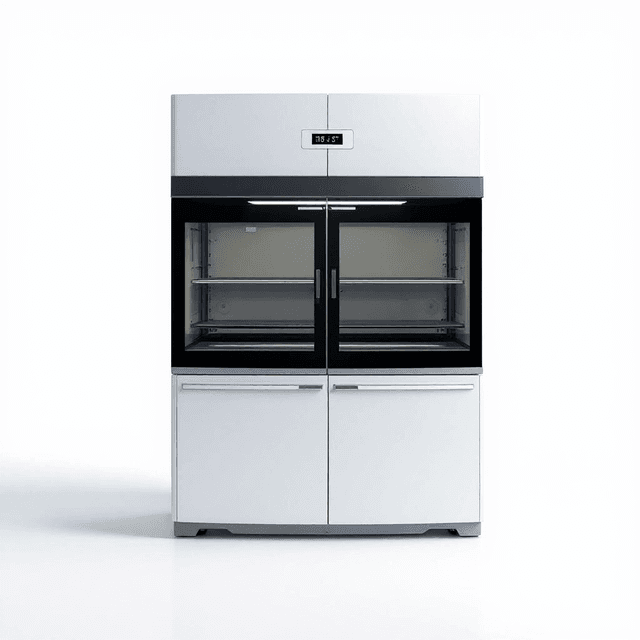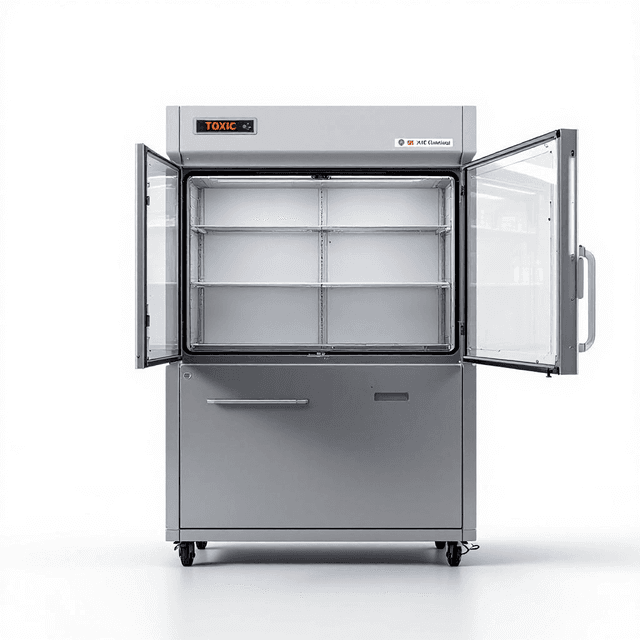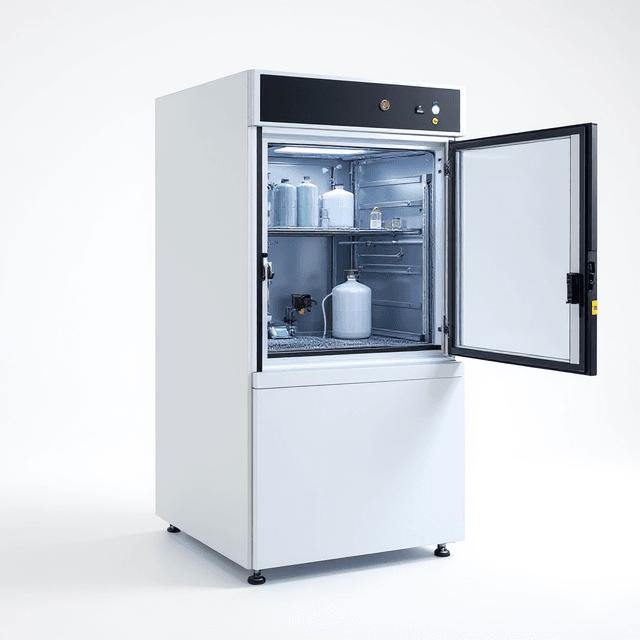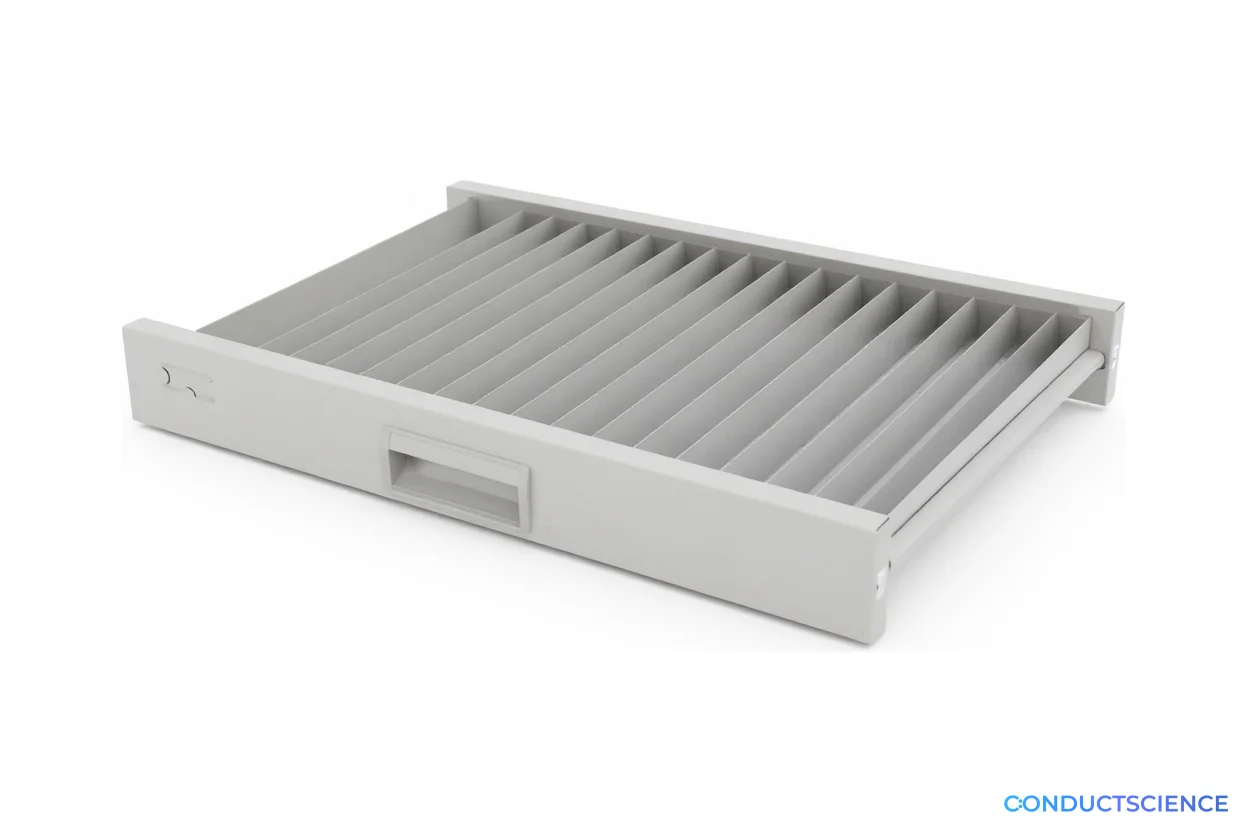
Wax Block Slide Glass Storage Cabinet
Specialized laboratory storage cabinet for organizing histology wax blocks and glass slides in pathology and research facilities.
| Brand | ConductScience |

The Wax Block Slide Glass Storage Cabinet provides organized storage for histology specimens, embedding blocks, and microscopy slides in pathology and research laboratories. This specialized storage solution maintains specimen integrity while providing efficient access during routine histological workflows.
The cabinet supports systematic organization of tissue samples from embedding through microscopic examination, accommodating both paraffin wax blocks and prepared glass slides. The storage system facilitates specimen tracking and retrieval during diagnostic pathology procedures, research protocols, and quality control workflows.
How It Works
The storage cabinet utilizes compartmentalized organization to maintain specimen integrity and facilitate systematic access. Individual compartments accommodate standard histology cassettes and embedding molds while preventing cross-contamination between samples. The design supports both temporary storage during active processing and long-term archival of completed specimens.
The cabinet construction provides protection from environmental fluctuations while allowing controlled access during routine laboratory operations. Organization systems support specimen tracking protocols required in diagnostic and research environments, facilitating compliance with laboratory accreditation standards.
Features & Benefits
Brand
- ConductScience
Research Domain
- Cancer Research
- Clinical Diagnostics
- Developmental Biology
- Histopathology
- Neurodegeneration
- Toxicology
Weight
- 4.41 kg
Dimensions
- L: 78.0 mm
- W: 70.0 mm
- H: 73.3 mm
Comparison Guide
| Feature | This Product | Typical Alternative | Advantage |
|---|---|---|---|
| Histology-specific design | Purpose-built compartments for wax blocks and glass slides | General laboratory cabinets require custom organization solutions | Eliminates need for custom modifications while optimizing specimen accessibility |
| Integrated storage system | Accommodates both blocks and corresponding slides in unified system | Separate storage solutions for blocks and slides | Maintains specimen relationships throughout histological workflow |
| Compartment organization | Systematic compartmentalized design prevents cross-contamination | Open storage systems with limited organization | Supports specimen tracking and chain of custody requirements |
| Laboratory construction | Built for laboratory environmental conditions | Standard office furniture may not withstand laboratory use | Ensures long-term durability in histology processing environments |
This specialized storage cabinet provides purpose-built organization for histology specimens with integrated block and slide storage capabilities. The compartmentalized design supports specimen tracking requirements while accommodating standard laboratory workflow protocols.
Practical Tips
Implement consistent labeling protocols across all compartments to maintain specimen traceability throughout storage periods.
Why: Systematic labeling prevents specimen misidentification and supports quality assurance requirements.
Perform monthly cleaning of compartments and periodic assessment of organization system effectiveness.
Why: Regular maintenance prevents contamination buildup and ensures continued specimen accessibility.
Group specimens by study protocol or processing date to facilitate systematic retrieval during analysis phases.
Why: Logical organization reduces retrieval time and minimizes handling of unrelated specimens.
Ensure proper ventilation around cabinet location and avoid storage near heat sources or direct sunlight.
Why: Environmental control prevents wax softening and maintains specimen integrity during storage.
Maintain written logs of specimen locations to complement physical organization systems.
Why: Documentation backup ensures specimen traceability even if physical labels are damaged or displaced.
Train all laboratory personnel on organization protocols and access procedures before system implementation.
Why: Consistent usage patterns prevent organization breakdown and maintain specimen security.
Address door alignment or locking mechanism issues immediately to prevent unauthorized access or specimen exposure.
Why: Mechanical problems can compromise specimen security and environmental protection.
Setup Guide
What’s in the Box
- Wax Block Slide Glass Storage Cabinet (main unit)
- Internal dividers and compartment organizers (typical)
- Adjustable shelving components (typical)
- Mounting hardware and leveling feet (typical)
- User manual and organization guide (typical)
Warranty
ConductScience provides standard manufacturer warranty coverage for laboratory furniture with technical support for installation and configuration questions.
Compliance
What cassette sizes does this cabinet accommodate?
The cabinet is designed for standard histology cassettes and embedding molds. Consult product datasheet for specific dimensional compatibility with your laboratory's cassette systems.
How many specimens can be stored in this cabinet?
Storage capacity depends on specimen size and organization configuration. The compartmentalized design accommodates varying volumes based on your laboratory's processing throughput.
Is the cabinet suitable for long-term specimen archival?
Yes, the cabinet provides environmental protection suitable for both active specimen storage during processing and long-term archival of completed blocks and slides.
What organization systems are recommended for specimen tracking?
The cabinet supports various labeling and numbering systems. Implement organization protocols that align with your laboratory's specimen tracking requirements and accreditation standards.
Can the cabinet accommodate both blocks and slides simultaneously?
Yes, the design integrates storage for both wax blocks and prepared glass slides, supporting complete specimen workflow from embedding through microscopy.
What maintenance is required for this storage system?
Routine cleaning and periodic organization assessment to maintain specimen accessibility and prevent contamination between stored samples.
Is the cabinet suitable for clinical diagnostic laboratories?
Yes, the systematic organization supports specimen tracking and chain of custody requirements typical in diagnostic pathology environments.
Have a question about this product?