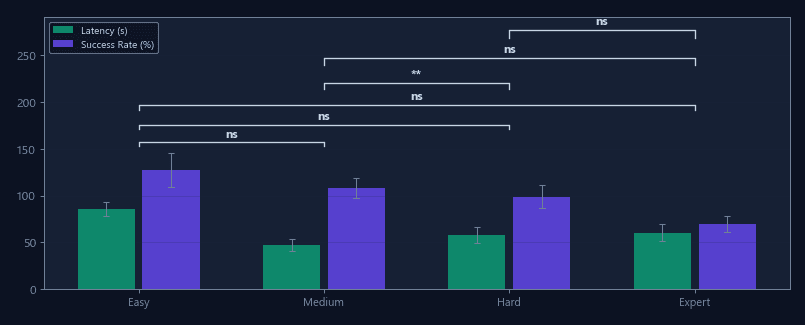
Solution latency per trial
Time from trial start to successful goal entry for each trial and difficulty level.
CSVJSON
Automated problem-solving assessment in the puzzle box
Quantify latency to solve, strategy type, and learning curves across sequential trials — replacing continuous manual observation with frame-accurate automated scoring.
The puzzle box test requires an observer to watch every second of every trial, coding strategy type and timing solution latency simultaneously. Strategy coding is subjective, and multi-trial experiments with increasing difficulty levels multiply the scoring burden.
ConductVision detects key puzzle box events — door manipulation, entry into goal zone, orientation toward barrier — and classifies solution strategy from the behavioral sequence. Multi-trial learning curves are computed automatically.
Time from trial start to successful goal entry for each trial and difficulty level.
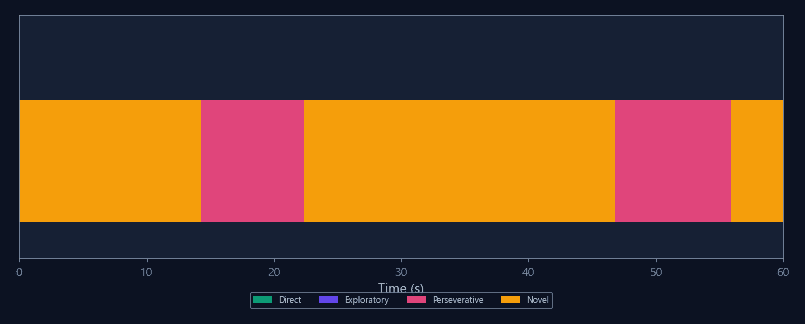
Strategy type assigned to each trial with confidence score and supporting behavioral features.
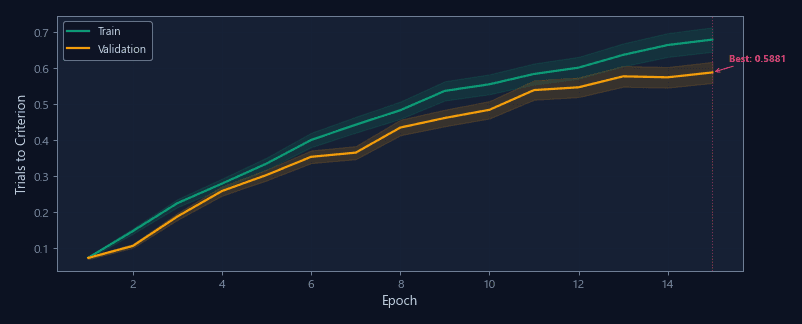
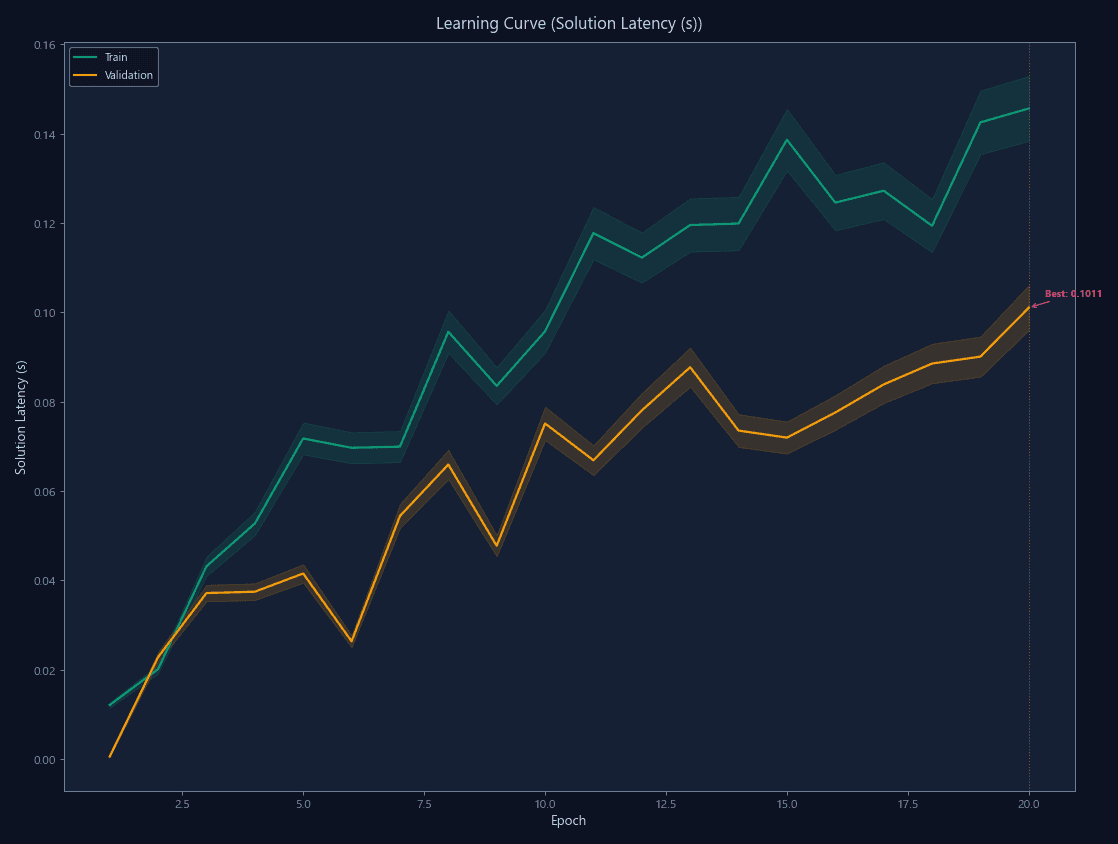
Latency and strategy progression across trials and difficulty levels, with regression fit for learning rate quantification.
Puzzle box difficulty increases require strategy shifts. Automated scoring detects perseverative errors and successful rule adaptation.
Puzzle box performance declines with age and in AD/PD models. Automated scoring enables longitudinal tracking with consistent criteria.
Enriched-housing animals solve puzzle box tasks faster and use more sophisticated strategies — quantified automatically.
Puzzle box is sensitive to cognitive enhancers and impairing drugs. Automated scoring enables high-throughput dose-response.
| Feature | ConductVision | Typical systems |
|---|---|---|
| Strategy classification | Automated, 4 types | Manual subjective coding |
| Latency precision | Frame-accurate (33 ms) | Manual stopwatch |
| Multi-trial learning curves | Automatic with regression fit | Manual spreadsheet calculation |
| Difficulty level tracking | Integrated protocol management | Manual trial-by-trial notes |
| Batch processing | Unlimited sessions overnight | Real-time manual observation |
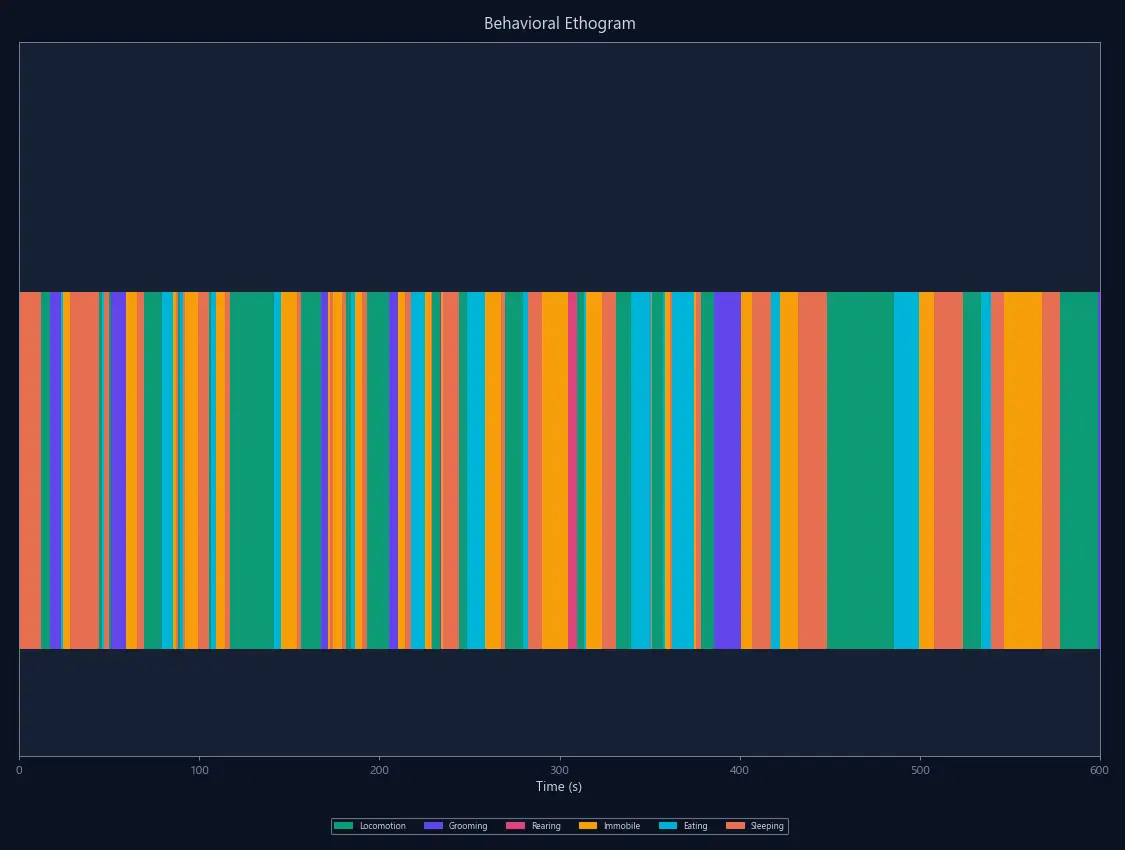
ML-powered frame-level behavioral classification with temporal smoothing and custom classifier training.
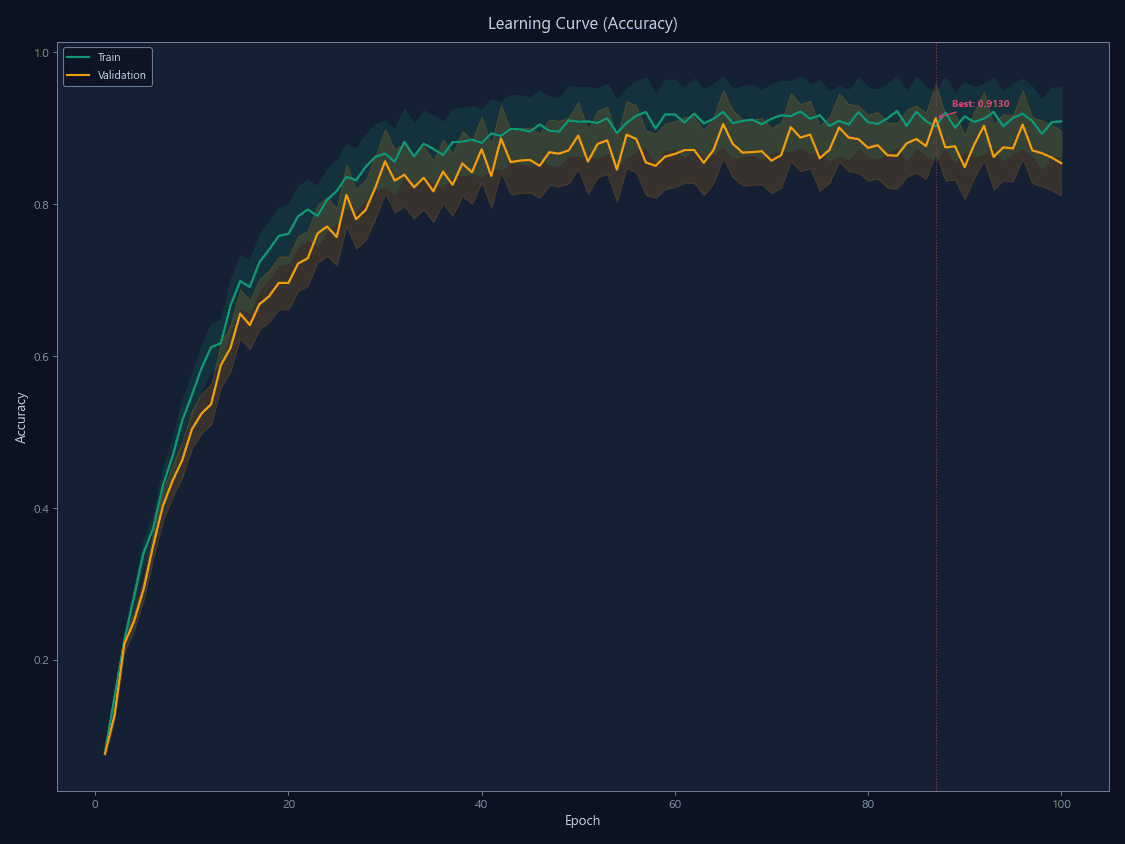
Train and validate custom behavior classifiers on lab-specific annotated data.
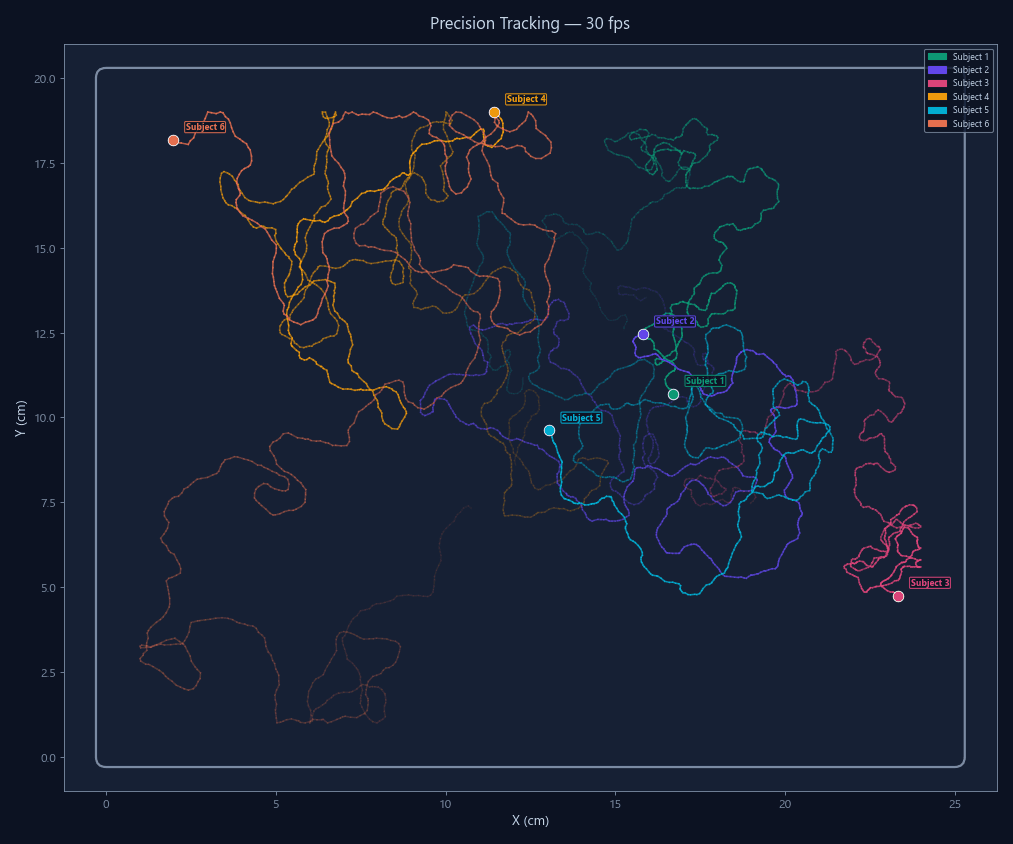
High-resolution 30 fps tracking that captures sub-second behavioral events conventional systems miss.
Upload puzzle box videos and get strategy-classified learning curves without manual scoring.