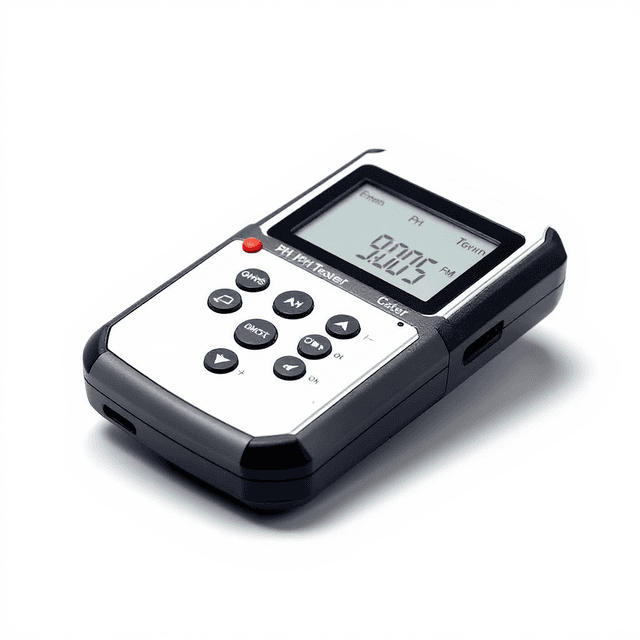
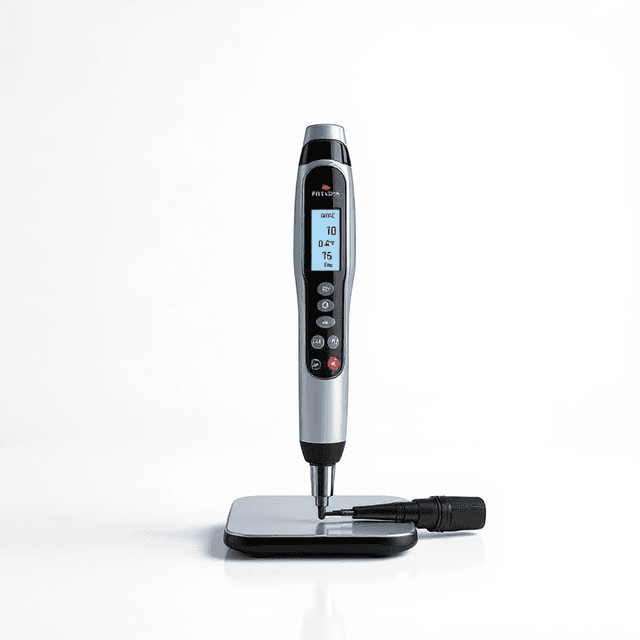
ATC pH Tester
Portable pH meter with automatic temperature compensation providing ±0.05 pH accuracy across 0.00-14.00 pH range for field and laboratory water analysis.
| Model | pH-281 |
| Measuring range | 0.00~14.00pH |
| Calibration | 1point |
| Working temperature | 0~60°C, Râ¤H95% |
| Other Technical Data | ATCï¼0-60âWorking voltage:4x1.5VWorking condition:0-50â,RHï¼95%1 point calibration |
| Feature | Small size;Portable;EconomicalHigh accuracy;WaterproofReplaceable pH electrode;With ATC |

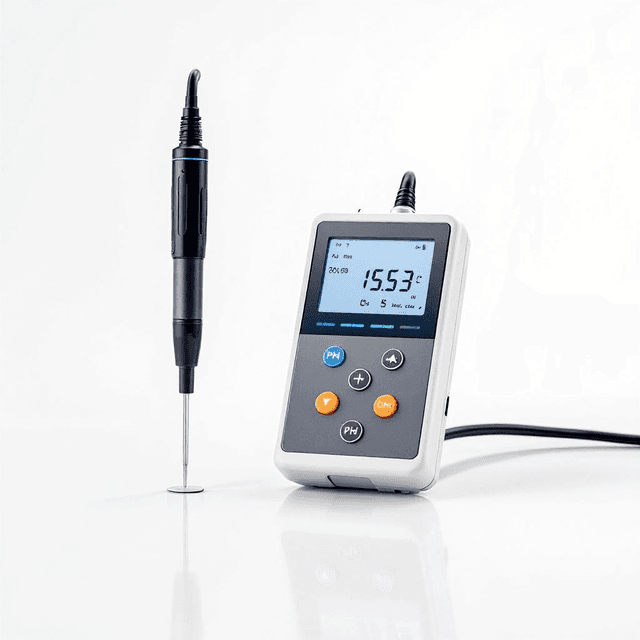
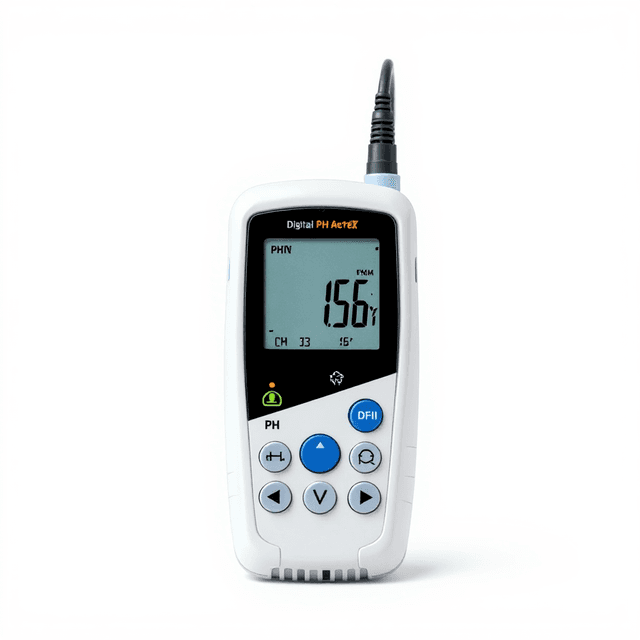
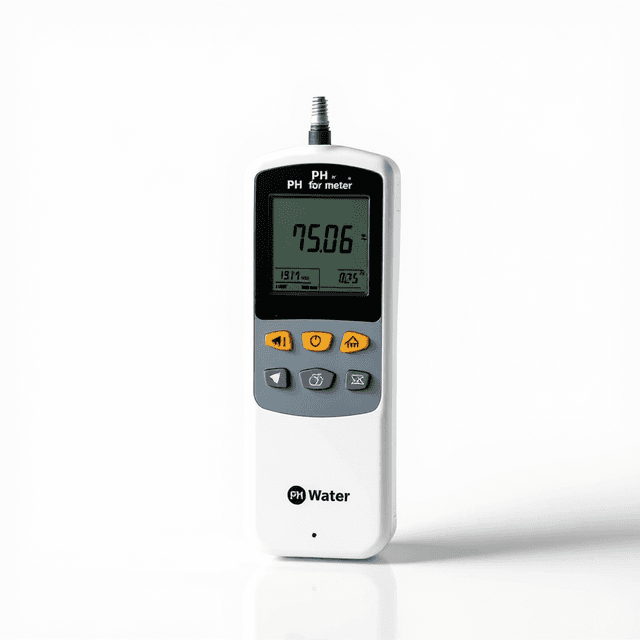
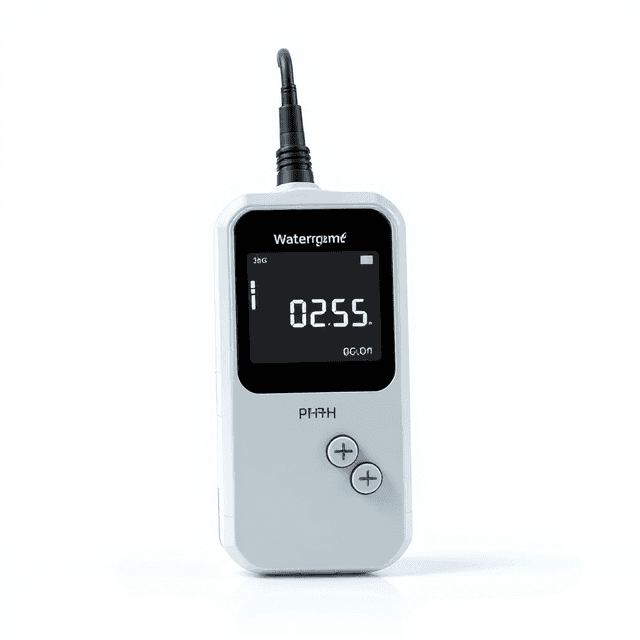
The ConductScience ATC pH Tester (Model pH-281) is a portable electrochemical instrument designed for precise pH measurement in aqueous solutions. This compact meter utilizes a glass electrode system with automatic temperature compensation (ATC) across a 0-60°C range to provide accurate pH readings from 0.00 to 14.00 with ±0.05 pH accuracy and 0.01 pH resolution.
The instrument features a waterproof design with replaceable pH electrode for extended operational life and field portability. Single-point calibration simplifies routine maintenance while the compact form factor (172×26×26mm, 73g) enables handheld operation in laboratory and field environments. The meter operates on four 1.5V alkaline batteries for extended autonomous use in locations without AC power access.
How It Works
The pH-281 operates on potentiometric measurement principles using a glass electrode system. The glass electrode develops a potential difference proportional to hydrogen ion activity in the sample solution, with the reference electrode providing a stable potential baseline. The meter measures this electrochemical potential and converts it to pH units using the Nernst equation relationship.
Automatic temperature compensation adjusts readings based on the temperature coefficient of the electrode system and the sample solution. The ATC function accounts for the theoretical 59.16 mV per pH unit change at 25°C, with temperature-dependent corrections applied across the 0-60°C operational range. This compensation ensures measurement accuracy despite thermal variations in field conditions.
Single-point calibration using a known buffer solution establishes the electrode response characteristics. The microprocessor stores calibration parameters and applies corrections to subsequent measurements, maintaining accuracy throughout the operational session.
Features & Benefits
Model
- pH-281
Measuring range
- 0.00~14.00pH
Calibration
- 1point
Working temperature
- 0~60°C, Râ¤H95%
Other Technical Data
- ATCï¼0-60âWorking voltage:4x1.5VWorking condition:0-50â,RHï¼95%1 point calibration
Feature
- Small size;Portable;EconomicalHigh accuracy;WaterproofReplaceable pH electrode;With ATC
Automation Level
- manual
Brand
- ConductScience
Accuracy
- ±0.05pH
Power/Voltage
- 4Ã1.5v alkaline
Dimensions
- 172Ã26Ã26mm
Weight
- 73g
Research Domain
- Analytical Chemistry
- Environmental Monitoring
- Food Science
- Industrial Hygiene
- Microbiology
- Pharmaceutical QC
Weight
- 0.11 kg
Dimensions
- L: 6.77 mm
- W: 1.02 mm
- H: 1.02 mm
Comparison Guide
| Feature | This Product | Typical Alternative | Advantage |
|---|---|---|---|
| pH Measurement Range | 0.00-14.00 pH with 0.01 pH resolution | Entry-level meters often provide 0-14 pH with 0.1 pH resolution | Higher resolution enables detection of smaller pH changes critical in analytical applications and environmental monitoring. |
| Temperature Compensation | Automatic temperature compensation 0-60°C | Basic models may lack ATC or offer narrower temperature ranges | Automatic correction eliminates manual calculations and reduces measurement errors in variable temperature conditions. |
| Measurement Accuracy | ±0.05 pH accuracy | Portable meters commonly offer ±0.1 or ±0.2 pH accuracy | Higher accuracy supports analytical protocols requiring precise pH control and regulatory compliance documentation. |
| Physical Design | Waterproof construction, 73g weight | Many portable meters lack waterproof rating or are heavier | Waterproof design enables reliable operation in wet field conditions while maintaining portability for extended sampling campaigns. |
| Electrode System | Replaceable pH electrode with protective storage | Some models use non-replaceable electrodes or lack proper storage solutions | Replaceable electrodes reduce long-term costs and allow performance restoration when sensitivity degrades. |
| Power System | 4×1.5V alkaline battery operation | Varies by model - some use rechargeable batteries or different cell configurations | Standard alkaline batteries provide reliable power availability in remote locations without charging infrastructure. |
The pH-281 combines analytical-grade accuracy with portable field capability through waterproof construction and automatic temperature compensation. The replaceable electrode system and standard battery operation support long-term field deployment while maintaining laboratory-quality measurement precision.
Practical Tips
Store calibration buffer solutions at room temperature and replace monthly to ensure accurate reference standards.
Why: Buffer solutions can drift or become contaminated over time, affecting calibration accuracy.
Clean the electrode junction periodically with distilled water and gentle brush to remove salt deposits that can affect response time.
Why: Junction clogging reduces electrode sensitivity and causes slow, unstable readings.
Allow electrode to equilibrate for 1-2 minutes in each sample before recording measurements, especially with temperature changes.
Why: Thermal equilibration ensures the ATC function operates correctly and readings reach stable values.
If readings drift continuously, check electrode condition and recalibrate; persistent drift indicates electrode replacement may be needed.
Why: Glass electrode aging causes reduced sensitivity and longer response times that cannot be corrected by calibration alone.
Record sample temperature along with pH measurements to document ATC operation and validate results if questioned.
Why: Temperature documentation provides quality assurance and enables manual verification of ATC corrections if needed.
Avoid immersing the meter body beyond the electrode connection point to maintain waterproof integrity.
Why: Water intrusion into the electronics compartment can cause permanent damage and measurement errors.
Rinse electrode with sample solution before measurement to remove residual buffer or previous sample contamination.
Why: Cross-contamination from previous samples can cause measurement bias, especially in low ionic strength solutions.
Store electrode in manufacturer-specified storage solution between uses rather than distilled water to maintain glass membrane hydration.
Why: Improper storage causes electrode dehydration and requires extended conditioning time before accurate measurements are possible.
Setup Guide
What’s in the Box
- pH-281 digital pH meter
- pH electrode with protective cap
- Electrode storage solution (typical)
- User manual and quick start guide (typical)
- Carrying case or pouch (typical)
Warranty
ConductScience provides a standard one-year manufacturer warranty covering defects in materials and workmanship for the pH-281 meter, with technical support available for calibration procedures and electrode maintenance protocols.
Compliance
References
Background reading relevant to this product:
What calibration frequency is recommended for the pH-281?
Single-point calibration should be performed daily for routine use or before each measurement session in critical applications. Electrode response should be verified monthly using multiple buffer solutions to assess drift.
Can this meter measure pH in non-aqueous or organic solvents?
The pH-281 is designed for aqueous solutions only. Glass electrodes may not provide accurate readings in organic solvents due to different ionic activity and junction potential effects.
What is the expected electrode lifespan and replacement cost?
Glass pH electrodes typically last 6-12 months with proper maintenance. Replacement electrodes are available; consult product datasheet for specific part numbers and compatibility requirements.
How does temperature affect measurement accuracy beyond the ATC range?
Outside the 0-60°C ATC range, measurement errors increase due to uncorrected temperature coefficients. Manual temperature correction may be required for samples beyond these limits.
What buffer solutions are recommended for calibration?
Standard pH 7.0 buffer is recommended for single-point calibration. For verification, use pH 4.0 and 10.0 buffers to check electrode response across the measurement range.
Can the meter store measurement data or connect to external devices?
Based on specifications provided, data logging capabilities are not indicated. Consult product datasheet for data output options or computer interface availability.
How does this meter compare to laboratory bench-top pH meters?
The pH-281 offers comparable accuracy (±0.05 pH) to many bench instruments while providing portability advantages. Bench meters may offer additional features like multi-point calibration or data logging.
Have a question about this product?
Accessories
Enhance your setup with compatible accessories
Upgrade Options